
The Support Ticket That Started an Argument
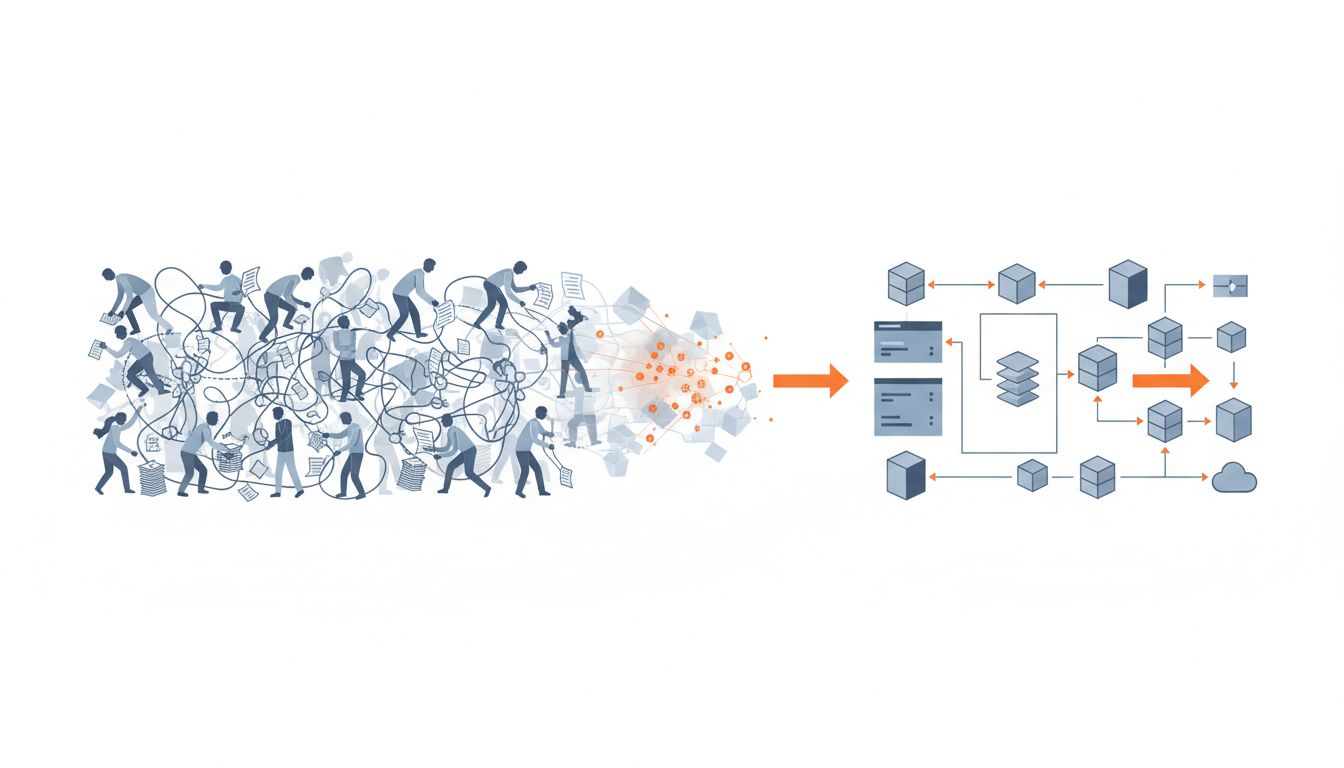
A few years back, I watched a founder spend three weeks arguing with a customer over email. The customer ran a mid-sized logistics company, had paid for an annual plan, and was furious. Not the standard furious, where someone wants a refund and disappears. The persistent kind. She filed detailed bug reports with reproduction steps. She built her own workaround in a spreadsheet and sent a screenshot with annotations explaining why the product’s data model was wrong. When the founder tried to close the ticket with a workaround, she wrote back with a three-paragraph rebuttal.
The founder’s first instinct was to refund her and move on. His second instinct, thankfully, was to get on a call instead.
Sixty days later she was their Head of Customer Success. Two years after that, she was VP of Product.
This isn’t a feel-good anomaly. There’s a real pattern here, and most founders are either too defensive or too distracted to see it.
Why Difficult Customers Are Filtered Talent
Hiring in the early stages is mostly a guessing game. You’re evaluating people based on resumes and interviews, which are essentially structured performances. You have almost no signal about how someone actually thinks under pressure, how they handle ambiguity, or whether they care enough about the problem to go beyond their job description.
Difficult customers have already shown you most of that for free.
The customer who writes a detailed bug report with steps to reproduce has demonstrated systematic thinking. The one who builds a workaround in a spreadsheet has shown they’re resourceful and product-minded. The one who pushes back on your proposed fix has shown they understand your problem domain well enough to have opinions. These are exactly the qualities you’d pay a recruiter to find, and you’d mostly fail, because those qualities are hard to surface in an interview.
There’s a subset of difficult customers who are genuinely high-maintenance and don’t know what they want. You learn to recognize them. They complain vaguely, they reject every solution without articulating why, and their frustration never produces anything useful. Those are not the people I’m describing.
The one worth paying attention to is the customer who is hard because they hold your product to a high standard and have the vocabulary to explain the gap.
The Specific Profile to Watch For
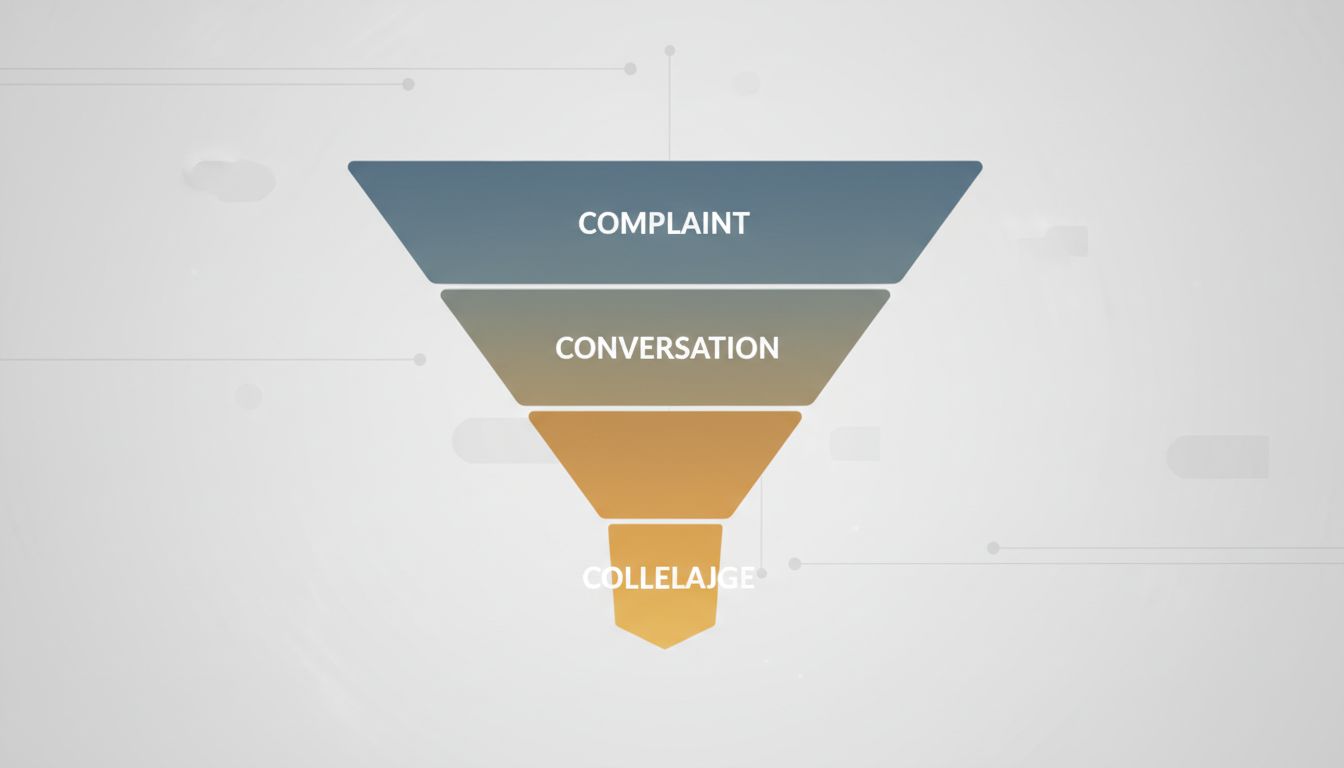
Not every angry customer is a future hire. The tell is in the texture of their complaints.
Watch for customers who do your job better than you’re doing it. If a customer writes a feature request that reads like a product spec, including use cases, edge cases, and a rationale for prioritization, that person understands product development. If a customer’s support ticket identifies not just the symptom but the likely root cause, that person thinks like an engineer or a rigorous operator.
Also watch for customers who are angry on behalf of the product. There’s a difference between someone who’s frustrated because your product isn’t solving their problem, and someone who’s frustrated because your product is almost solving their problem and the gap feels inexcusable. The second type has already bought into your vision. They’re not looking for an alternative, they’re demanding you execute on the promise they believed in when they signed up.
That kind of customer is rare. When you find one, you’re looking at someone who cares more about your product working than most people you’ll interview.
This connects to a point worth making about the customer who hated your product as an advisor: the relationship often doesn’t end at feedback. Sometimes the feedback is the audition.
Why Founders Don’t See It
The defensive reflex is real and understandable. When someone is critical of something you built, your brain processes it as an attack before it processes it as information. This is especially true in the early days when the product is fragile and the criticism feels existential.
Founders also tend to filter for agreement when hiring. You want someone who believes in what you’re building. A customer who has spent months telling you what’s wrong with it doesn’t look like that person. But this is exactly backwards. Someone who has been skeptical, engaged, critical, and still hasn’t left is far more committed to the outcome than someone who walked in excited at an interview.
There’s also a class issue that nobody talks about. The customer who complains in sophisticated, articulate ways often doesn’t look like a typical job candidate. They may be ten years older than you expected. They may not have a computer science degree. They may have no interest in startups in the abstract, only in this specific problem they care about. The founder who is pattern-matching to a LinkedIn profile misses them entirely.
How to Run the Conversation
If you’ve identified a customer who fits this profile, the move is not to suddenly proposition them for a job. That’s awkward and premature. The move is to deepen the relationship in a way that lets you evaluate them properly and lets them evaluate you.
Get on a call. Not a support call. A product call. Tell them their feedback has been unusually valuable and you want to understand their perspective more deeply. Ask them to walk you through how they’re actually using the product, what their workflow looks like, what they’d build if they could. Listen for how they think, not just what they say.
If that conversation is good, make it a recurring thing. Compensate them for their time if you can, even modestly. This serves two purposes: it’s ethical, and it tells you whether they show up reliably and come prepared. You’re essentially running a low-stakes trial.
After two or three of these, you’ll know whether you want to hire them. And they’ll have enough exposure to you and the team to make an informed decision about whether they want to work there.
The thing to avoid is moving too slowly once you know. Early-stage companies are competing for attention, and a person who is both talented and deeply familiar with your problem is a rare find. If you spend six months hemming and hawing, someone else will hire them or they’ll lose interest.
The Legitimate Risks
This isn’t without complications. A few worth taking seriously.
First, the skill mismatch problem. Someone can be brilliant about your product domain and completely unsuited for the job you need them to do. The logistics operator who has great product instincts may have no interest in writing documentation, doing customer calls all day, or managing a team. Be honest with yourself about what the role actually requires.
Second, the customer relationship changes. Once they’re an employee, they have a different kind of stake in the product. Some people make this transition gracefully and bring their critical perspective with them in a productive way. Others become advocates for the version of the product they envisioned when they were a customer, which can create rigidity. You’ll know pretty quickly which way it goes.
Third, their knowledge is narrow. They know their industry and their workflow. They may have strong opinions about things outside that zone that aren’t actually well-grounded. Give weight to their domain expertise while staying appropriately skeptical about everything else.
None of these are reasons not to do it. They’re reasons to be thoughtful about the role definition and the onboarding.
What You’re Actually Buying
When a startup hires someone from the customer base, the standard framing is domain expertise. That’s real, but it undersells what you’re actually getting.
You’re buying context that isn’t documented anywhere. The angry customer has spent months building a mental model of the gap between what your product promises and what it delivers. They know where the friction is, what workarounds people actually use, and what the product would need to look like to be genuinely indispensable. That knowledge takes years to develop internally. You’re getting it on day one.
You’re also buying credibility with other customers. When someone who was a critical user becomes a public-facing member of your team, it signals to other customers that you listen and that you take the product seriously. That’s not nothing.
Most importantly, you’re buying someone who already has skin in the game. They were frustrated enough to spend significant time and energy trying to make your product better while they were a customer. That orientation doesn’t disappear when you put them on payroll.
The best early hires aren’t always the most credentialed. Sometimes they’re the people who couldn’t stop caring about your problem, even when you were frustrating them.
What this means: Look at your most demanding active customers, not your churned ones. Specifically the ones whose complaints are detailed, whose workarounds are creative, and who are still there despite the friction. Schedule a call. Not to resolve a ticket. To find out how they think. You may already have your next hire, and they’ve been auditing you for free.