In 2020, Basecamp did something that would have seemed reckless to most organizations: they explicitly told employees to treat meetings as a last resort, not a default. They formalized “office hours” instead of standing syncs, killed recurring all-hands calls, and pushed communication toward asynchronous writing. Jason Fried documented much of this in public blog posts and in the book “It Doesn’t Have to Be Mad at Work.” The company had roughly 50 employees at the time and was building a product used by hundreds of thousands of teams. They were, in effect, running a real experiment on the thing most companies refuse to touch.
The results weren’t just productivity numbers. The organizational behavior that emerged was qualitatively different from what meetings produce, and understanding why tells you something important about how collaborative thinking actually works.
The Setup
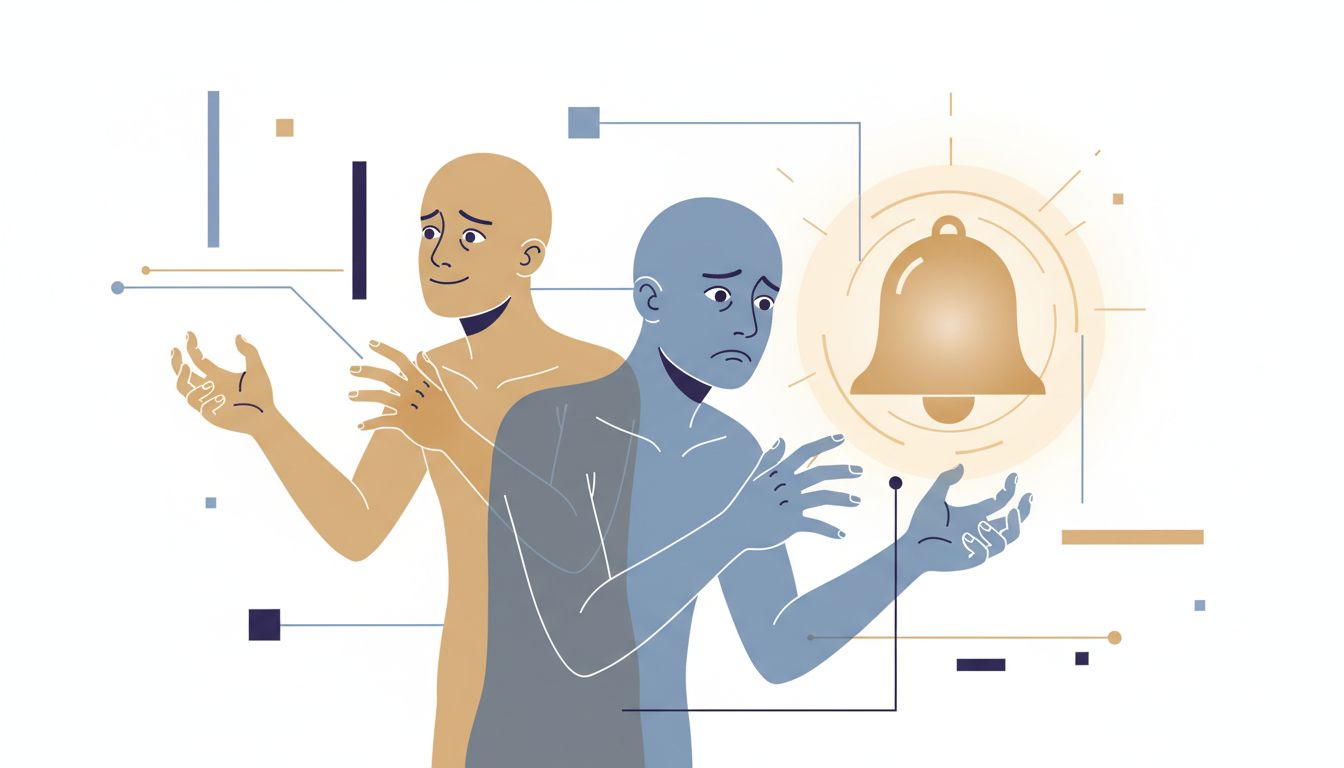
Basecamp’s starting point was a diagnosis most developers will recognize. They noticed that meetings tend to compress individual thinking into group thinking before individual thinking has had a chance to fully develop. You schedule a meeting to decide whether to build Feature X. Six people show up. The first two minutes of discussion anchor everyone’s intuitions. The loudest voice in the room shapes the direction. An hour later you have a decision, but you don’t necessarily have the right decision. You have whatever decision survived the social dynamics of that particular room on that particular afternoon.
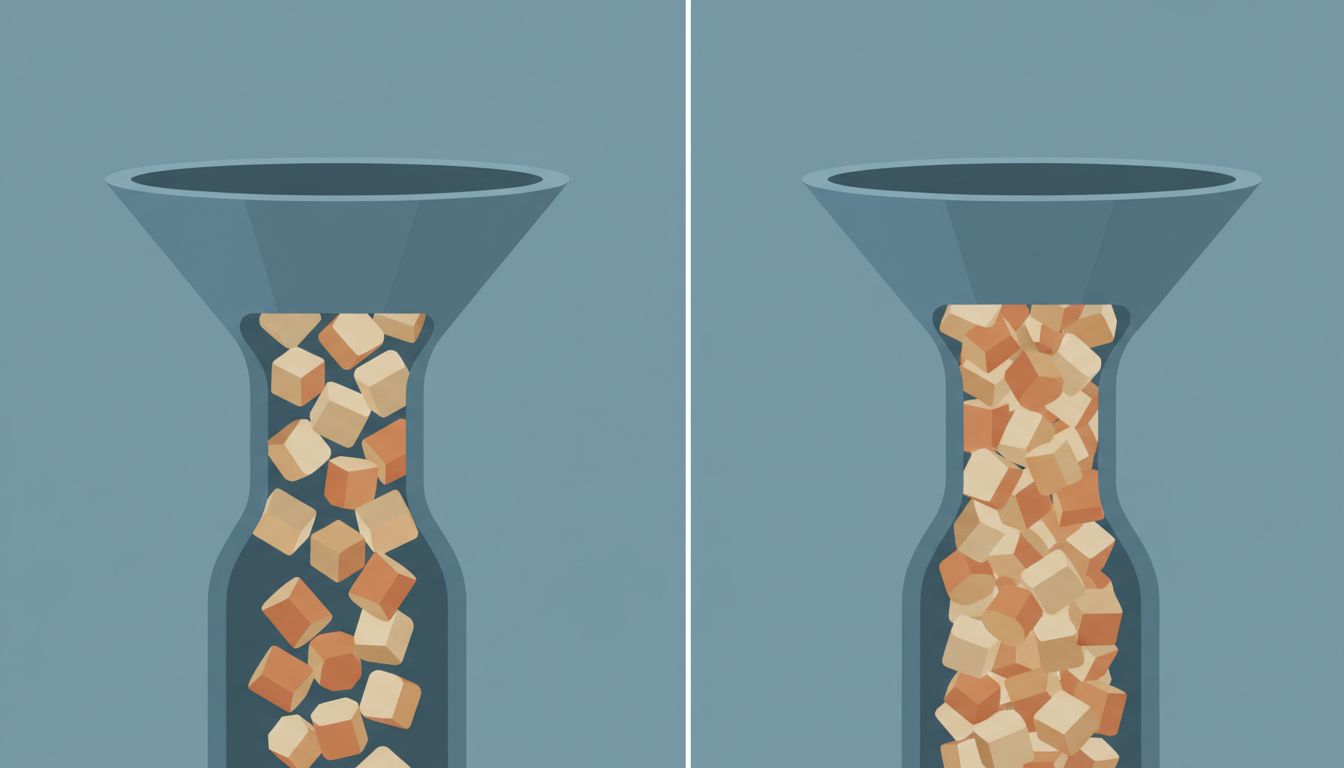
The specific mechanism they addressed was what you might call premature convergence. In software terms, it’s a bit like running garbage collection before all your threads have finished writing to memory. You’re cleaning up state that isn’t final yet.
The fix Basecamp implemented was to require written proposals before any synchronous discussion. Someone who wanted to make a decision would write a document, circulate it for asynchronous comment, and only pull people into a live conversation if the written process genuinely stalled. The writing step wasn’t prep for the meeting. The writing step was the work.
What Happened
A few things emerged that Fried and his co-author David Heinemeier Hansson have written about extensively.
First, many decisions got made without any meeting at all. When you require someone to write a coherent proposal before gathering a group, you force the proposal author to do the intellectual work that meetings usually defer to the group. The act of writing exposes gaps in your own reasoning in a way that talking does not. You sit down to write “we should add real-time notifications to the mobile app” and by the third paragraph you’ve realized you don’t actually know whether users want that or whether you just think they do. The meeting you were about to schedule never happens. The decision gets better instead.
Second, the decisions that did require synchronous discussion were significantly higher-quality conversations because everyone had read the written context beforehand. There’s a reason code reviews work better than code walkthroughs. When you read someone’s PR (pull request) asynchronously before a review meeting, you bring independent analysis. When someone walks you through code live, you follow their reasoning rather than forming your own. Meetings do to decisions what live walkthroughs do to code: they create a shared mental path that feels like agreement but is often just the path of least social resistance.
Third, and this is the part that surprised even Basecamp’s own team, quieter thinkers contributed more. Written asynchronous processes don’t have the social gradient that real-time conversation does. The person who needs 20 minutes to formulate a good response is at no disadvantage compared to the person who speaks first and speaks fast. Several product decisions during this period came from team members who, by their own account, rarely spoke up in live meetings but wrote thoughtful responses in the document threads.
Why It Matters
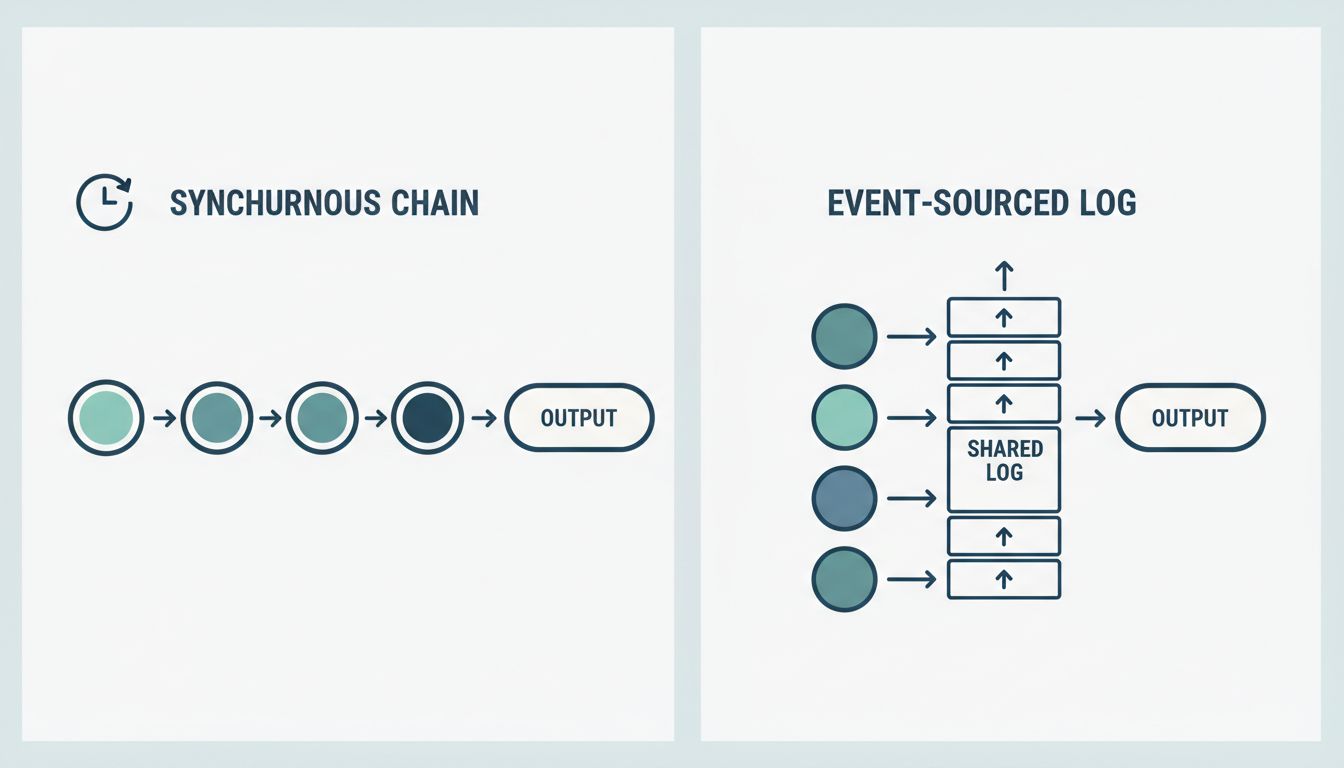
Basecamp’s experiment illuminates something structural about how meetings fail, not just operationally. A meeting is a synchronous shared-state system. Everyone’s understanding has to be updated at the same time, at the same pace, in response to the same inputs. That sounds efficient but it actually bottlenecks on the slowest shared-state update, which is social consensus. People stop processing new information when they sense the group is converging on a conclusion. It feels inefficient to keep raising objections once the room has made up its mind.
Asynchronous written communication is closer to an event-sourced architecture (a pattern where instead of storing current state, you store a log of every change and derive state from it). Everyone processes information at their own pace. Contradictions stay visible in the record. You can “replay” the reasoning later. A good Basecamp document thread reads like a design doc’s comment history: you can see exactly when someone changed their mind and what changed it.
The meeting, by contrast, produces a decision and discards the reasoning. Two months later, when someone asks why you chose this approach, the answer is usually “we talked about it” rather than anything traceable.
What We Can Learn
The lesson isn’t “cancel all your meetings.” Basecamp still has meetings. The lesson is about understanding what a meeting actually costs versus what it produces.
The cost isn’t just the duration multiplied by the number of attendees, though that’s real. The cost is the premature convergence. When you pull six people into a room to decide something, you’re paying six people to think about it simultaneously, which sounds efficient but often means you’re getting one person’s thinking (whichever person spoke first and most confidently) amplified by five people’s social compliance. You’re not getting six independent analyses combined. You’re getting a group consensus that mimics individual reasoning without doing the work.
The meeting you canceled, by sending a written proposal instead, forced the author to do that individual reasoning first. It gave the six recipients time to form independent views. If the proposal was good, it got approved without a meeting. If it was contested, the live conversation that followed started from a much richer shared understanding than any cold-start meeting could have produced.
A practical version of this is easy to implement without overhauling your company. Before scheduling any meeting longer than 30 minutes, write a one-page document that states the decision to be made, the options you see, and your current thinking. Send it 24 hours in advance. Note at the top whether you need live discussion or whether written responses will suffice. You’ll find that a significant portion of the time, written responses suffice. The decisions that still need a meeting will be the right ones, and they’ll go faster because the room won’t be doing the work the document already did.
The meeting you keep canceling because “I can just send a note” isn’t a failure of collaboration. It’s collaboration working correctly. The note did what the meeting would have done, without anchoring everyone’s thinking to whoever spoke first.
That’s not a workaround. That’s the whole point.