The simple version
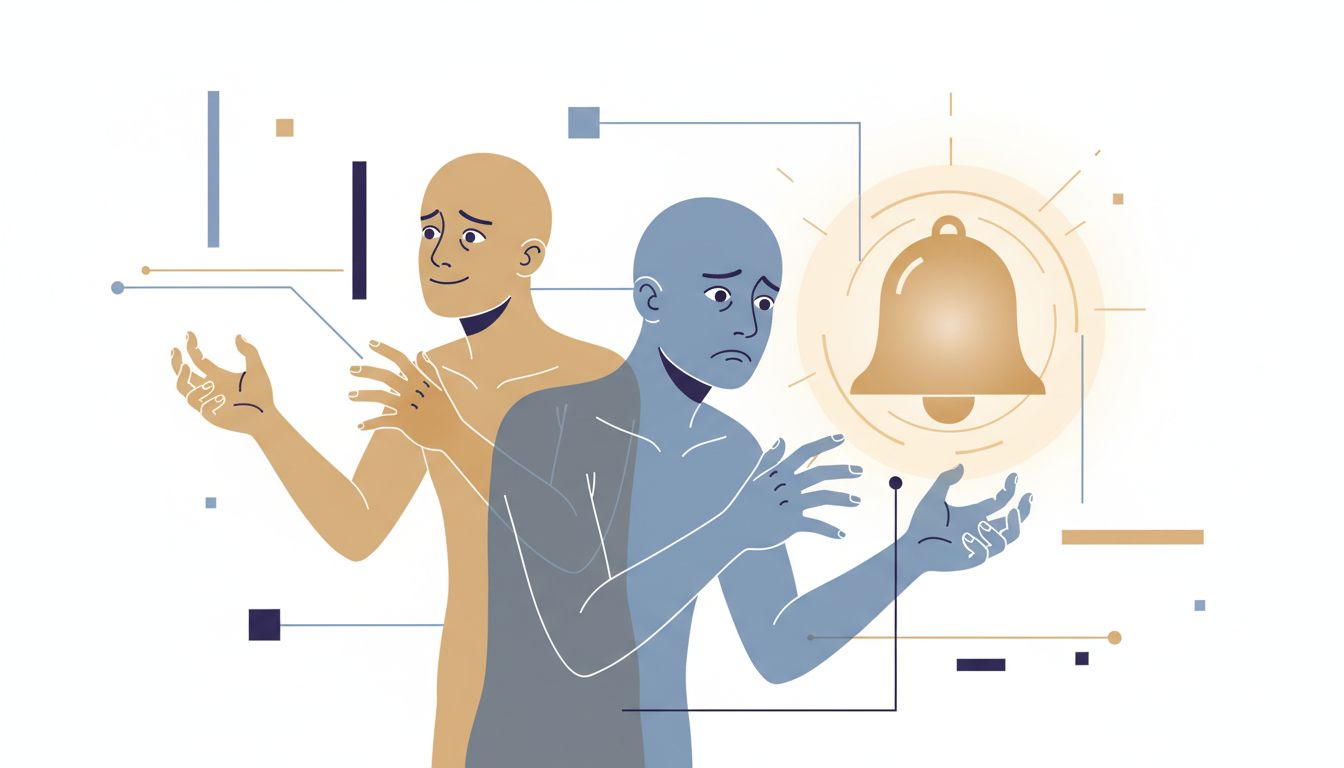
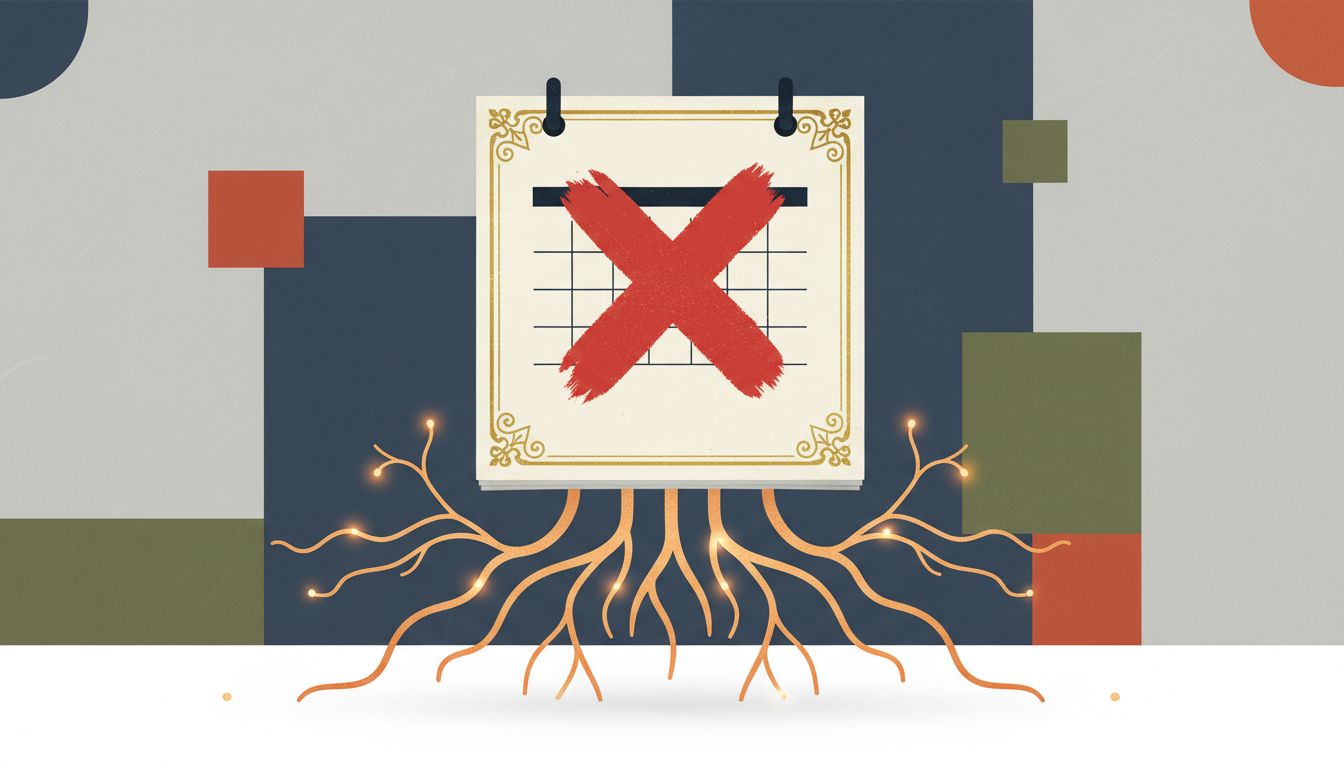
When you cancel a meeting, you force the problem back into writing, which turns out to be where most real thinking happens. The meeting was never the work. It was a placeholder for work nobody had started yet.
Why meetings feel productive but often aren’t
Meetings create the sensation of progress. You showed up, you talked, you filled a room (or a grid of faces on a screen). There’s social warmth in synchronous conversation, and that warmth is easy to confuse with momentum.
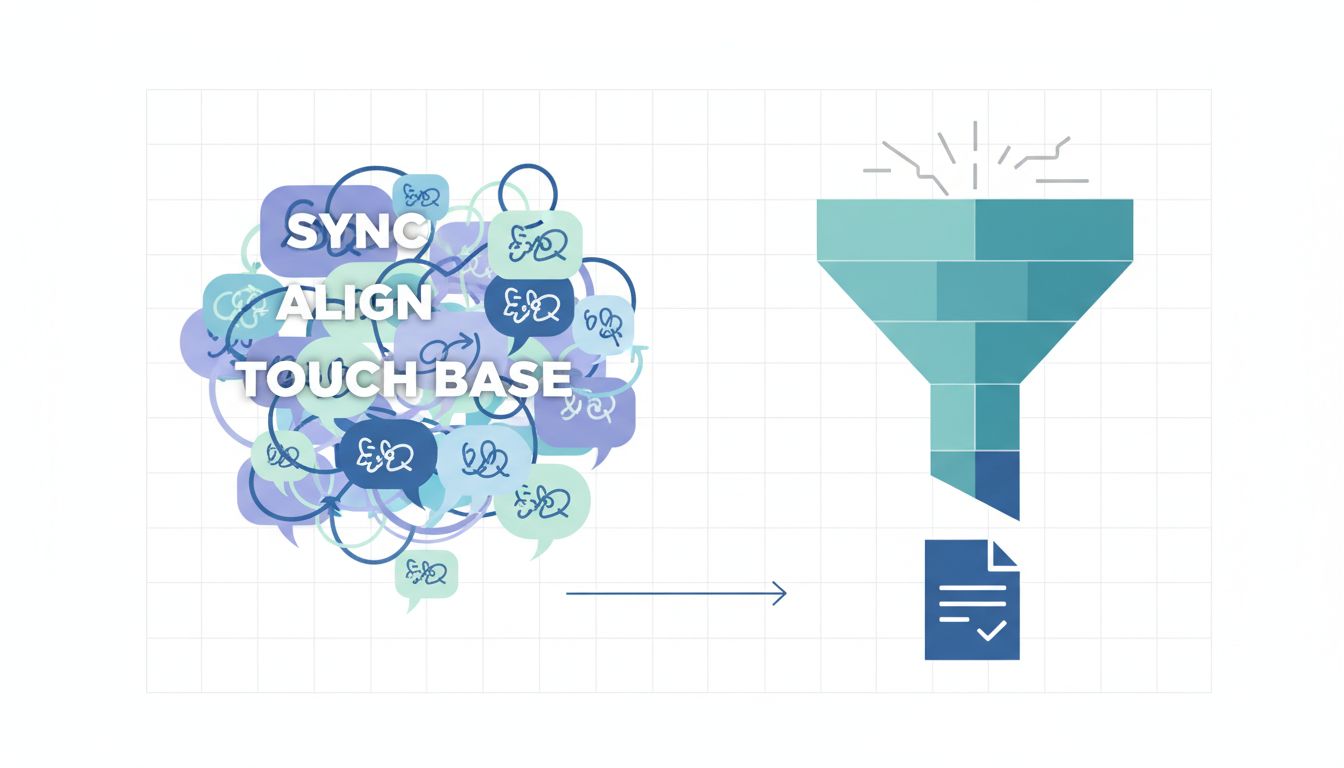
But most recurring meetings aren’t solving problems. They’re maintaining relationships with problems. The status update exists because nobody wrote the status down. The alignment meeting exists because nobody wrote the decision down. The brainstorm exists because nobody wrote the question down clearly enough to think about it alone first.
Calvin Newport, whose research on deep work has influenced how a lot of teams think about focused time, makes the point that meetings are structurally biased toward the shallow end of cognitive effort. You’re reacting, responding, and processing in real time. That’s useful for some things. It’s genuinely bad for thinking.
What cancelling actually triggers
Here’s the mechanism that most people miss. When you cancel a meeting and tell people you need a written summary instead, you shift the cognitive load upstream.
Before: someone schedules a meeting because they have a vague sense that people should talk about something.
After: that person now has to crystallize what they actually want from the conversation. What’s the decision? What information is missing? What are the two or three real options?
That crystallization process is where most of the value lives. Compression is one of the most underrated skills in knowledge work, and a cancelled meeting forces everyone to compress. The person who would have talked for twenty minutes in a meeting has to write three paragraphs. In those three paragraphs, they usually discover that their question has an obvious answer, or that two of their concerns were actually the same concern, or that they need input from one specific person rather than six general people.
You don’t get that clarity in real time. The social pressure of a live meeting pushes people toward confident-sounding statements rather than honest uncertainty.
The compounding effect on other people’s time
A six-person meeting that runs an hour costs six hours of collective focus, not one. That’s before you account for the context-switching penalty on either side, which productivity researchers estimate can cost 20-plus minutes of recovery time per interruption.
But the cost isn’t just arithmetic. Meetings interrupt the work that actually requires sustained attention. If you’re a developer mid-way through debugging a gnarly problem, a one-hour meeting doesn’t cost one hour. It costs the morning. If you’re a writer trying to hold a complex argument in your head, an afternoon check-in can collapse a full day of potential output.
Cancelling a meeting returns that time to people in a form they can actually use. An extra hour of fragmented attention isn’t worth much. An extra two-hour block before lunch can be worth a week of normal afternoons.
When meetings genuinely do the work
This isn’t a blanket case against meetings. Some problems are genuinely suited to synchronous conversation, and pretending otherwise is its own kind of productivity theater.
Meetings work well when the problem requires rapid iteration between people, where the back-and-forth of a live conversation generates something that no individual could produce alone. Whiteboarding a technical architecture, working through a conflict where tone matters, onboarding someone who needs to ask questions they don’t know how to formulate yet. These are real use cases.
Meetings also work when relationships are load-bearing. Early-stage teams and new partnerships often need face time that’s hard to justify on purely informational grounds but pays off in trust and shared context. That’s legitimate.
The problem isn’t meetings as a category. The problem is that most organizations have no mechanism for distinguishing between meetings that need to happen and meetings that are happening because scheduling is easier than thinking. A meeting with no agenda, no pre-read, and no named decision owner almost certainly falls into the second group.
A practical filter you can start using today
Before you accept or schedule a meeting, ask three questions.
First: what is the output? If you can’t name a specific artifact (a decision, a prioritized list, a documented plan) or a specific relationship goal (resolving a misunderstanding, building trust with a new partner), the meeting is probably covering for a thinking deficit.
Second: could this be a document? Not everything can be, but more than you’d expect can. If the answer is yes, write the document first and see if the meeting is still necessary. Often it won’t be. If it is, the meeting will be a fraction of the length because everyone showed up having actually thought.
Third: who specifically needs to be there? If you can’t name individuals and explain what they contribute or decide, your invite list is probably a hedge against the fear of excluding someone. Smaller meetings with the right people consistently outperform larger ones with the right intentions.
None of this requires org-wide buy-in to start. You can apply this filter unilaterally to meetings you schedule. You can ask for an agenda before accepting ones you’re invited to. You can offer a shared doc as an alternative and see what happens.
The meeting you cancelled didn’t fail. It just moved the work somewhere it could actually get done.