The simple version
A productivity system you use imperfectly beats a perfect one you abandoned. Most people have this backwards.
Why we keep building instead of doing
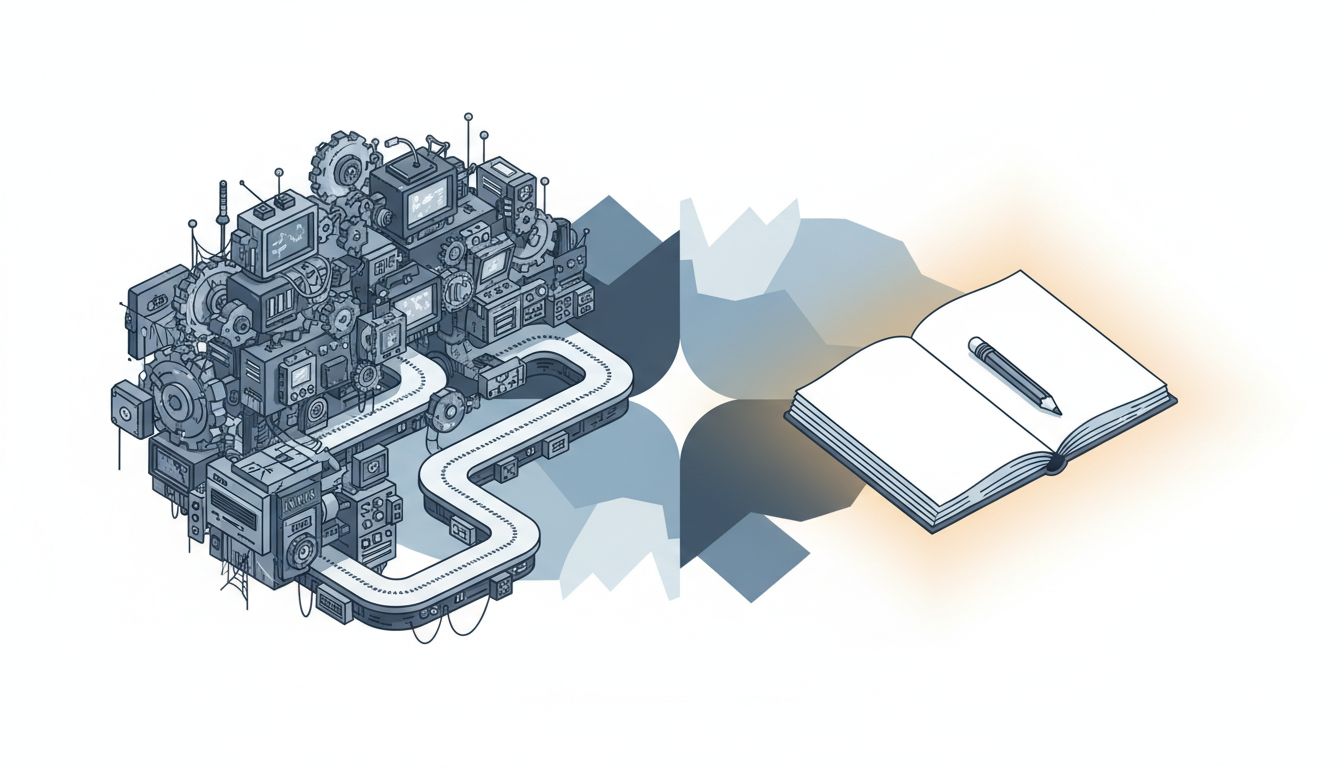
There’s a particular kind of procrastination that looks like productivity. You’re not watching videos or scrolling feeds. You’re building a second brain in Notion, color-coding your task manager, watching tutorials on the GTD method, and debating whether to migrate everything to Obsidian. It feels like progress because it resembles work.
Psychologists call this “structured procrastination” — doing lower-priority tasks that feel productive to avoid the harder thing. Setting up your productivity system is almost always a lower-priority task than actually doing the work the system is supposed to support.
The trap has a seductive logic: if I just get the system right, everything else will flow. But systems don’t create motivation or clarity. They route it. If you don’t have things to do that genuinely matter to you, no system will fix that. And if you do have work that matters, almost any system will get you there.
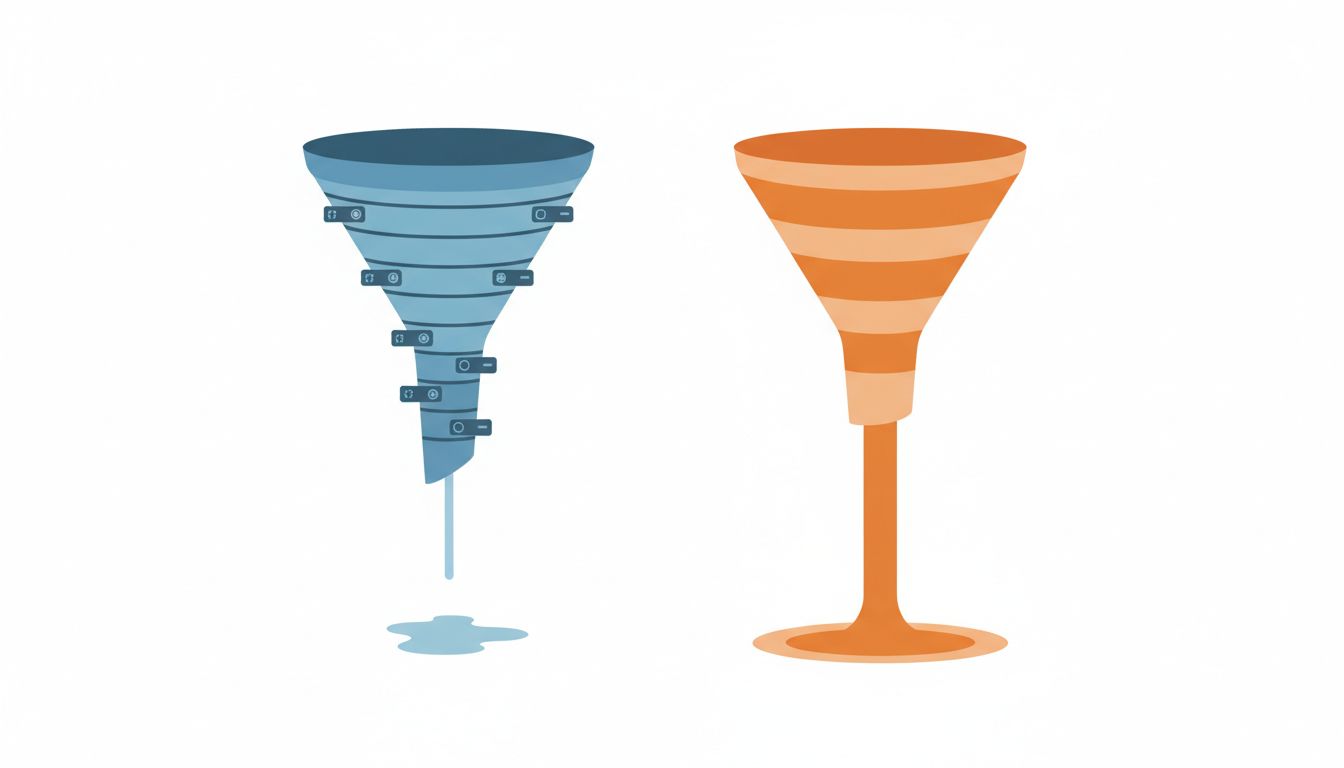
The compliance gap
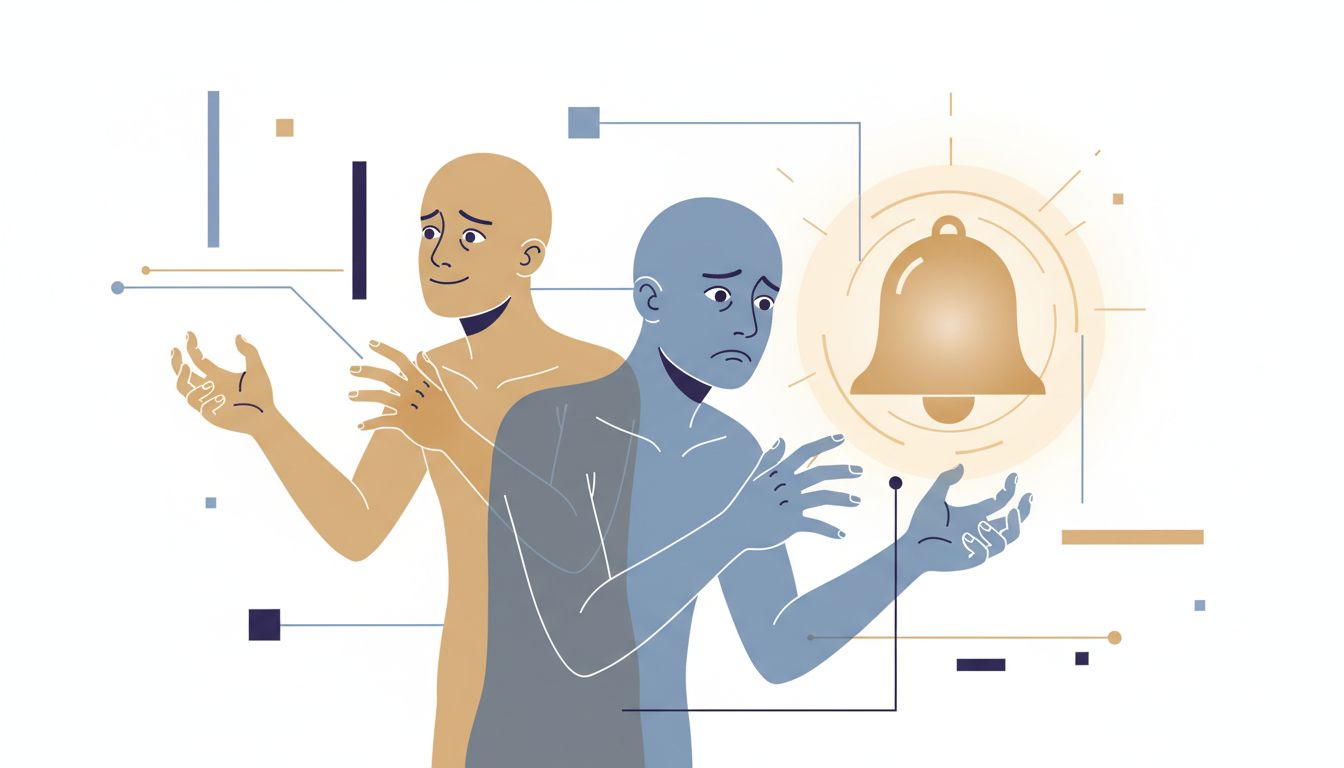
Here’s what makes this concrete. Imagine two people. The first has a beautifully architected productivity system: a Notion database with linked tasks, projects, and a weekly review template. She spent a weekend building it and feels good about it. She uses it about 40% of the time, mostly when she remembers, mostly under pressure.
The second person has a plain text file and a cheap notebook. He writes down three things he wants to do today, crosses them off when done, and carries anything unfinished to tomorrow. He uses it every single day.
Who gets more done? The second person, obviously. Not because plain text is superior to Notion, but because consistent use at 100% beats optimal design at 40%.
This isn’t a hypothetical. Productivity researchers who study task completion consistently find that implementation intentions — specific commitments about when and where you’ll do something — predict follow-through far better than the quality of the planning tool used. The tool is nearly irrelevant. The habit of using it is everything.
What “friction” actually costs you
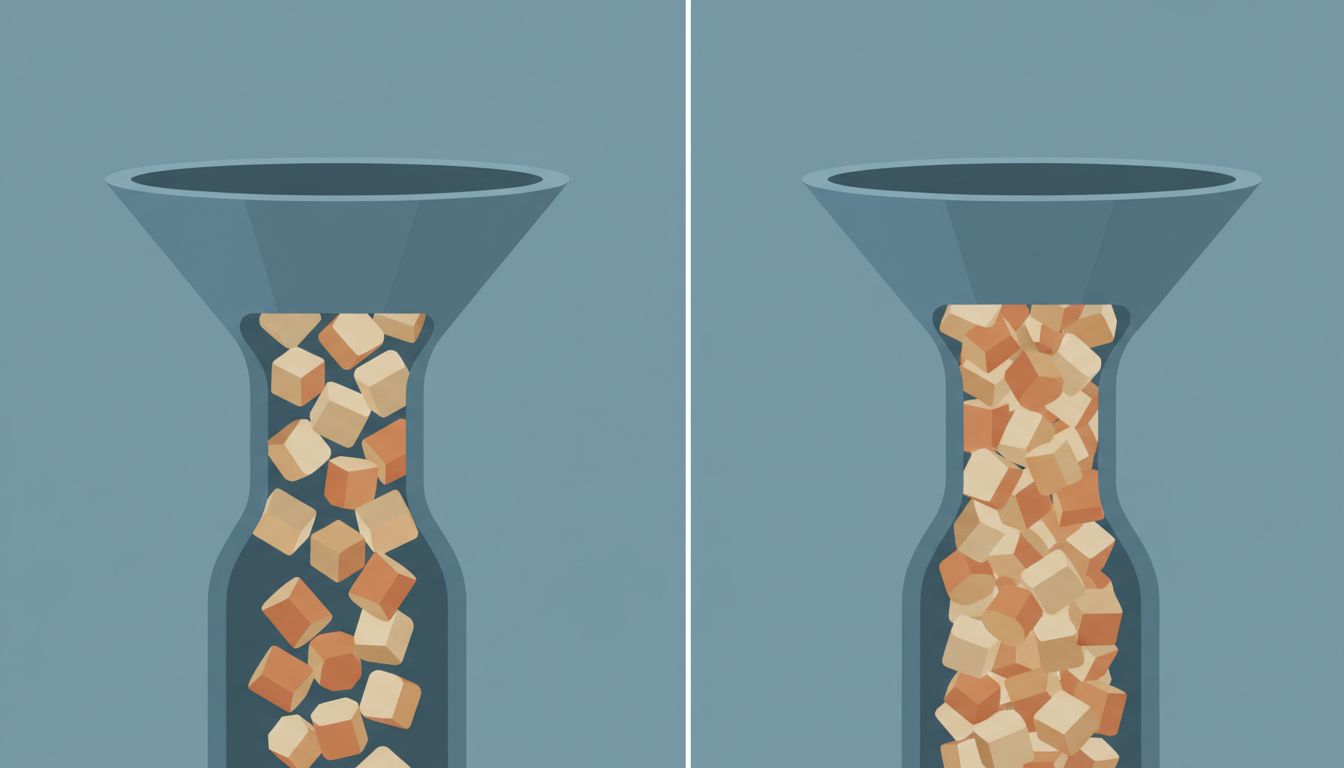
Every productivity system has friction. Some of it is the irreducible cost of organizing information. But a lot of it is friction you added by optimizing.
When you add a required field to your task entry form, you’ve made capturing tasks slightly harder. When you build a multi-level tag hierarchy, you’ve made filing slightly harder. When you set up a weekly review ritual with twelve steps, you’ve made reviewing slightly harder. Each individual addition seems worthwhile. Collectively, they make the system feel like a job.
The research on habit formation is fairly clear on this: reducing friction in the early steps of a behavior increases the probability the behavior happens. Making a habit slightly harder to start reduces consistency more than most people expect. This is the same principle that makes notification design so effective at capturing attention — low-friction entry points get used.
The implication is uncomfortable: every feature you add to your system should justify itself not just by its benefits but by the friction cost it creates. Most system-building sessions add features without applying that test.
How to know if your system is too complex
Four questions worth asking honestly:
Do you dread opening it? If reviewing your task list feels like a chore, the system has too much overhead. A task list should feel like relief (here’s what I need to do) not obligation (here’s a complicated thing I have to manage).
Does it have a backlog you never process? Most over-engineered systems develop a graveyard of captured-but-never-reviewed items. If you have tasks older than a month that you haven’t consciously decided to abandon, your capture rate exceeds your review rate, and the system is lying to you about what’s on your plate.
Do you rebuild it periodically? There’s a recognizable cycle: build system, use it for a few weeks, notice it’s not quite right, rebuild from scratch, repeat. If you’ve done this more than twice in a year, you’re treating system-building as the product rather than the means.
Would you still use it if it weren’t beautiful? Some people maintain a system partly for the aesthetic satisfaction of maintaining it. That’s fine as a hobby. It’s a problem if you confuse it with productivity.
What to do instead
Start with what you’ll actually use, not what you admire. That might be a $2 notebook. It might be Apple Reminders, which everyone dismisses but which millions of people use consistently. The right answer is whatever has the shortest path from “I need to remember this” to “I recorded it somewhere I’ll check.”
Build in one direction: reduce friction, not add features. When something isn’t working, your first instinct should be to remove a step, not add a new system component to compensate.
Give any system 30 days before evaluating it. You can’t assess a system you’ve been using for a week. The early discomfort is usually adjustment, not a signal to rebuild.
Make peace with “good enough.” The goal of a productivity system is to free up mental energy for the actual work, not to become a satisfying object in itself. A system that gets you to do the work is doing its job, even if it’s ugly, even if GTD purists would cringe at it, even if it doesn’t have a weekly review template.
The best productivity system you’ll ever have is the one sitting open on your desk tomorrow morning, waiting for you to write something in it.