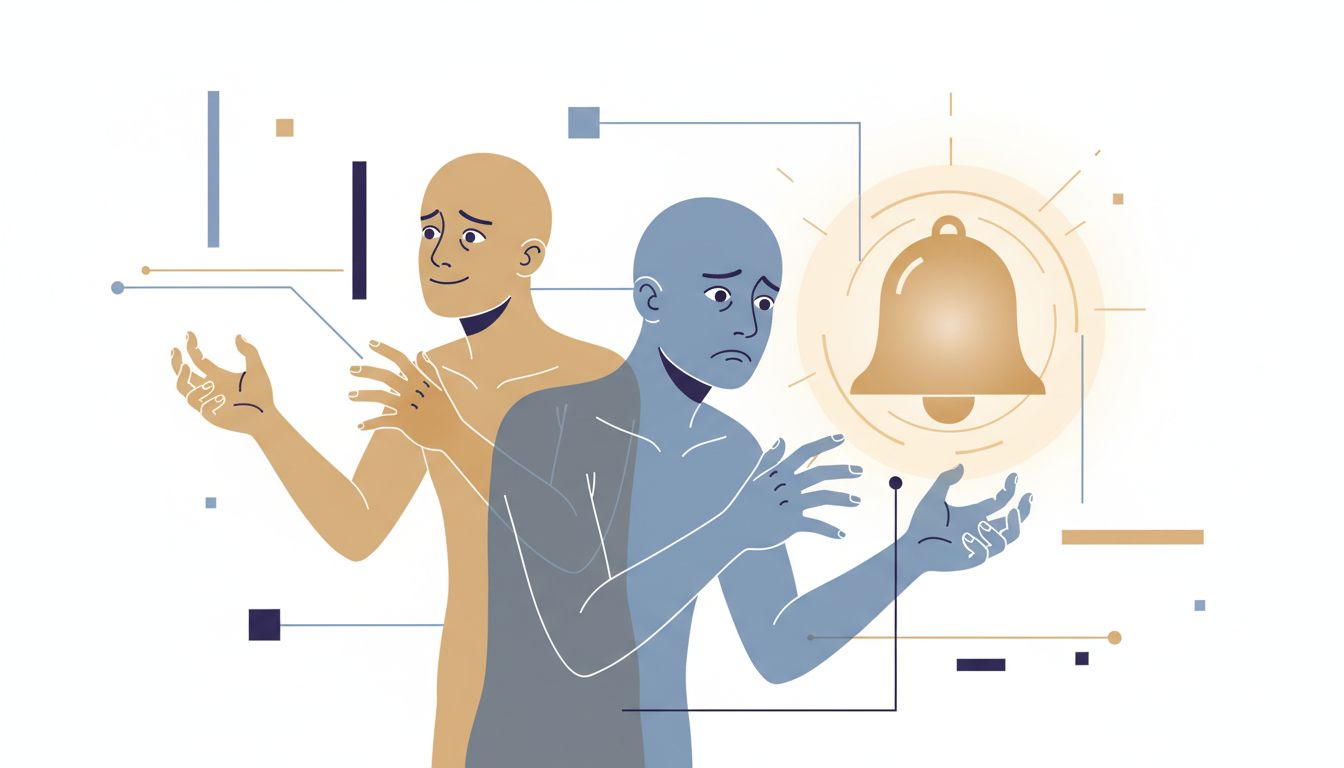
The notification you just dismissed was not an accident. It was the output of a targeting system with AB test history, cohort segmentation, and a send-time optimizer trained on millions of behavioral signals. The app that sent it has a metric called something like “D7 retention” (the percentage of users still active seven days after install), and your attention is an input to that number.
This is not a conspiracy theory. It is a product strategy, and it is documented openly in growth engineering blogs, conference talks, and the settings menus of the tools used to build it.
How Notification Systems Actually Work
When a company like a social media platform or a mobile game sends you a push notification, it usually does not just blast all users at once. Modern notification infrastructure sits on top of services like Firebase Cloud Messaging or Apple Push Notification Service, but those are just the delivery layer, roughly analogous to a postal carrier. The interesting part is upstream.
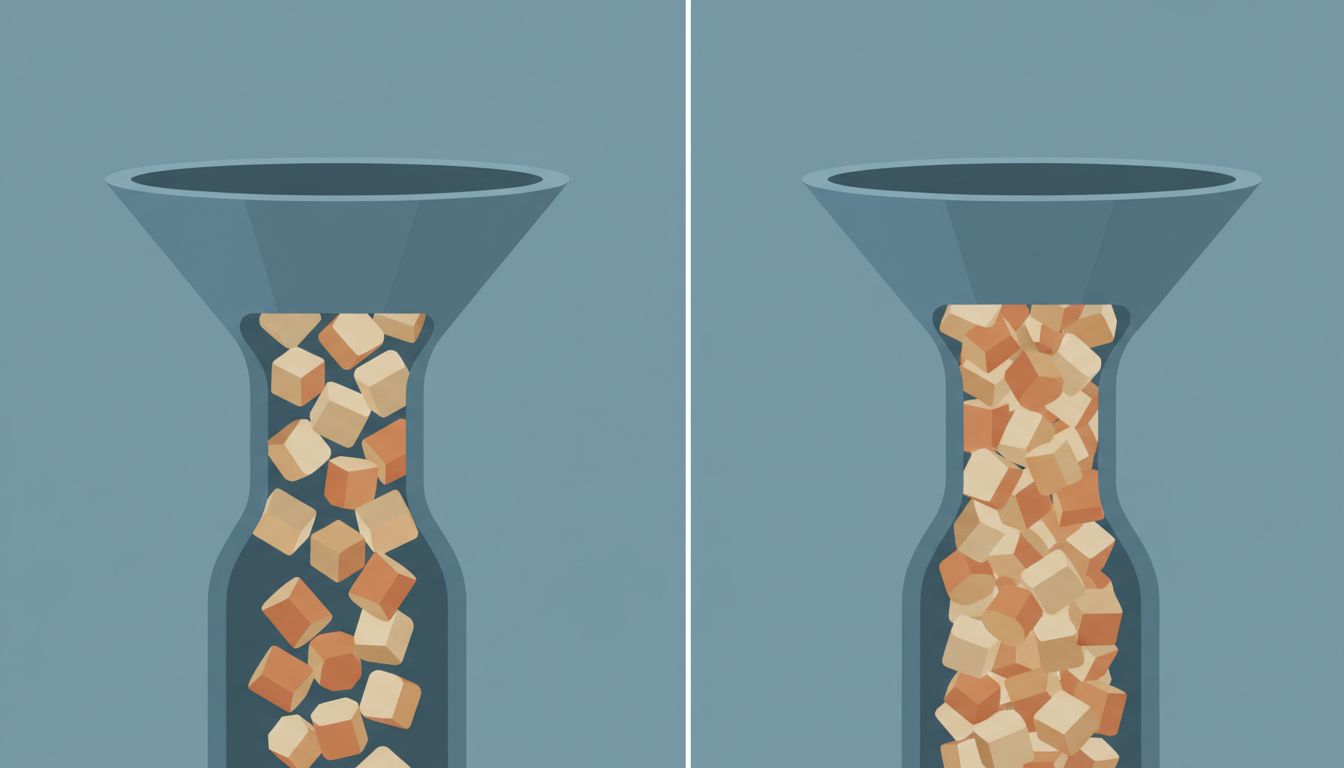
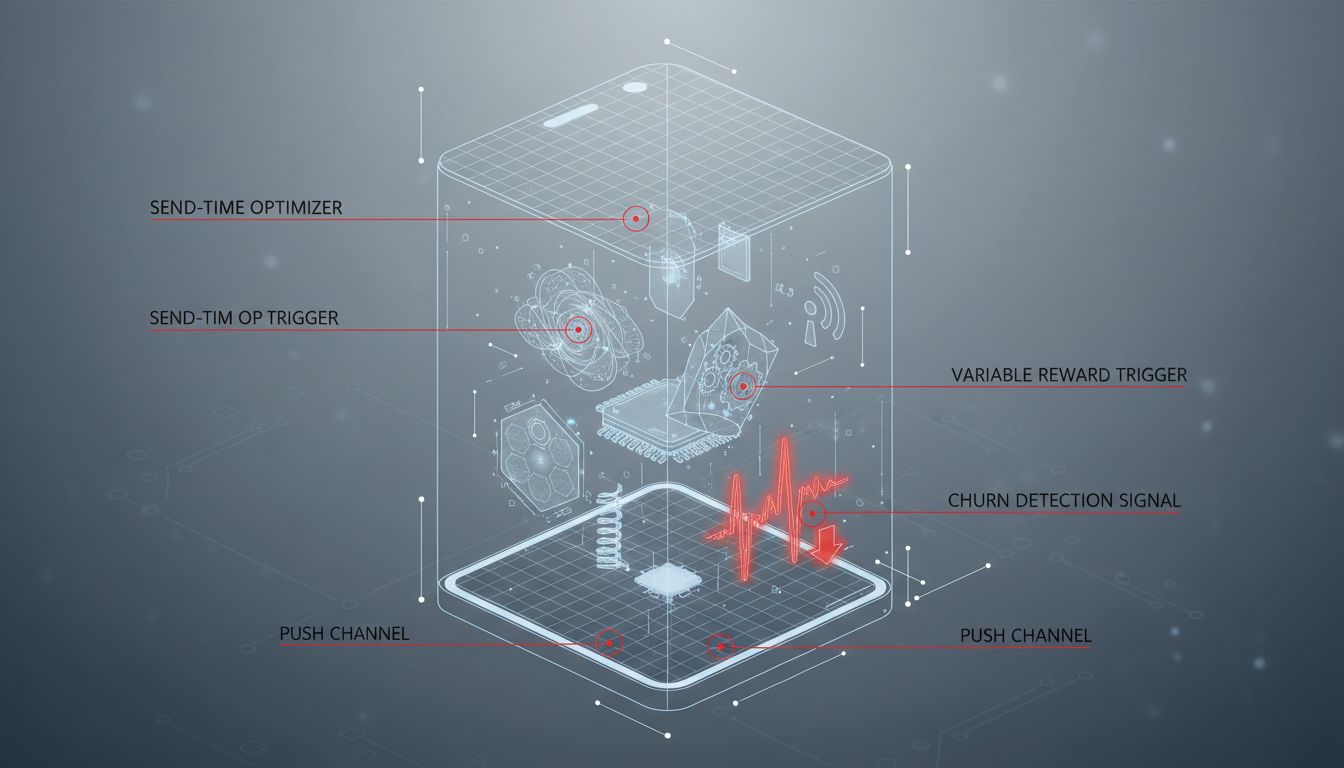
Above the delivery layer sits an orchestration system. This is where decisions get made: which users to target, with what message, at what time. Companies with mature growth teams run this through something called a multi-armed bandit, a reinforcement learning approach that continuously allocates more sends toward whichever message variant is performing better on a chosen metric. The “metric” here is almost never “user found this useful.” It is usually a proxy like open rate, click-through rate, or whether the user stayed in the app for more than 30 seconds.
Send-time optimization is its own sub-discipline. Tools like Braze and Iterable offer “Intelligent Timing” features that predict, per user, the window when they are most likely to open a notification based on their historical patterns. If you habitually check your phone at 8 AM, the model knows that. It will schedule delivery to catch you in that window, not because 8 AM is when the notification is most relevant, but because that is when you are most interruptible.
Variable Rewards and the Slot Machine Architecture
The psychological mechanism underneath all of this was described clearly by B.F. Skinner in the 1950s: variable-ratio reinforcement schedules produce the most persistent behavior. A lever that dispenses a pellet every time is less compelling than one that dispenses it unpredictably. This is why slot machines are built the way they are, and it is also why your notification feed works the way it does.
The application of this to software interfaces was not accidental or emergent. Nir Eyal’s book “Hooked,” published in 2014 and widely read in product circles, lays out a four-step model explicitly modeled on behavioral psychology where the “variable reward” phase is a core component. The book was written as a how-to guide. The outputs are the apps on your phone.
A notification is a trigger. But the notification content is engineered to be ambiguous enough that you cannot evaluate its worth without opening it. “Someone reacted to your post” tells you enough to feel curious but not enough to feel resolved. That gap is the mechanism. The only way to close it is to open the app, which starts the reward cycle.
This is architecturally similar to a dark pattern in UI design, where the interface structure leads users toward actions that serve the product rather than the user. The difference is that dark patterns usually operate inside the app. Notification design operates before you even open it.
The Metrics That Are Not Being Optimized
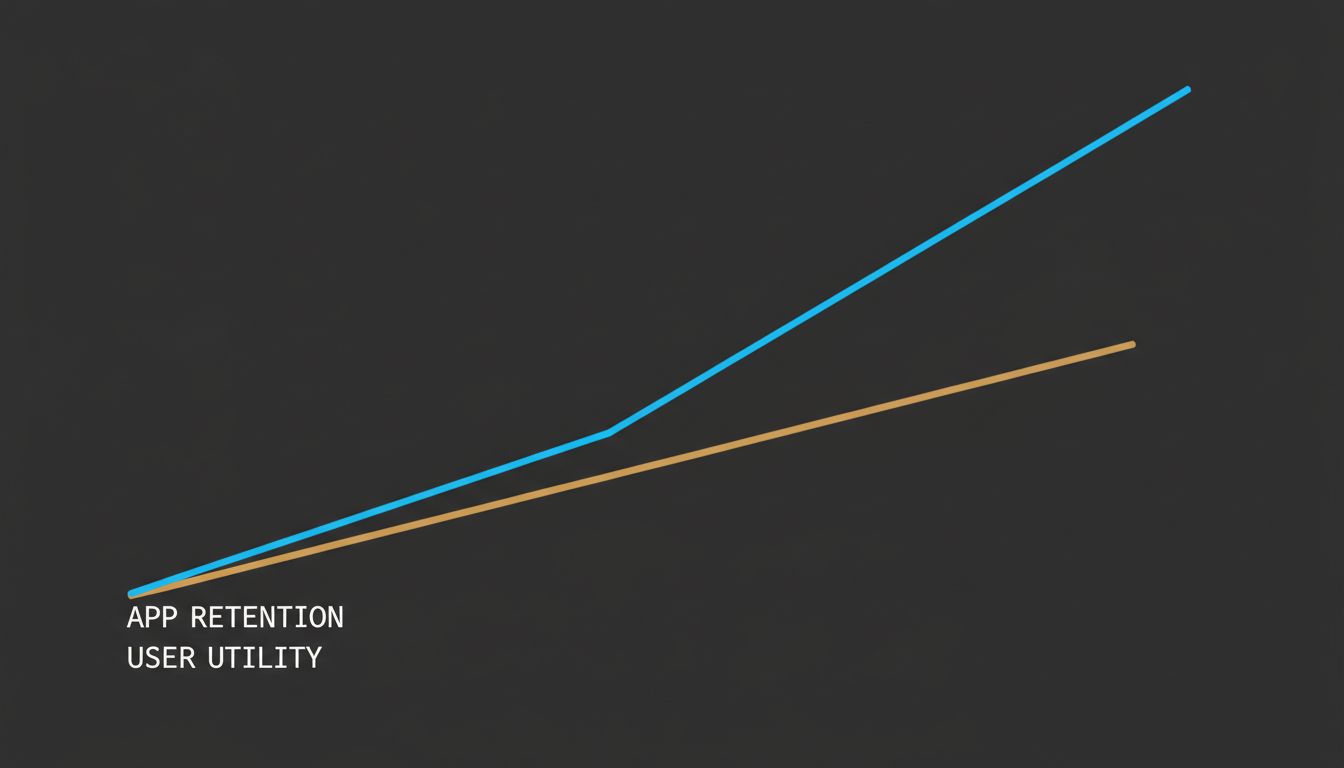
Here is the tell: almost no major consumer app optimizes notifications for what you might call “user-reported utility.” There is no standard metric for whether the notification actually mattered to the recipient. DAU (daily active users) and retention curves are easy to measure. Whether a user felt their time was well spent is much harder, and harder metrics rarely make it into the dashboards that drive engineering decisions.
This creates a quiet misalignment that compounds over time. A notification system trained purely on open rates will converge on sending notifications that get opened, not notifications that make your life better. Those two goals can overlap, but the optimization pressure only runs in one direction.
Apple’s Screen Time data (released periodically in aggregate) consistently shows that users underestimate how often they pick up their phones, and the pickup behavior correlates strongly with notification receipt. A significant portion of those pickups lead to extended sessions that users later report not intending to have. The notification was the entry point to a session the user did not choose.
Californian researchers studying smartphone use have described a phenomenon where even receiving a notification you do not act on measurably reduces performance on cognitive tasks requiring sustained attention, because the anticipation of a potential interrupt activates a monitoring process in working memory. You do not have to read the notification for it to cost you something.
What “Permission” Actually Means in This Context
When an app asks for notification permissions, the mental model most users have is: “I’m allowing them to alert me when something important happens.” The model the app is operating with is closer to: “I’m acquiring a channel to re-engage this user and protect my retention metrics.”
This is not a minor semantic difference. The user grant is open-ended. The app’s use of that grant is governed by its growth objectives. There is no scope limitation in the permission model that maps to “only send me things I would consider useful.” The permission is binary: you have the channel or you do not.
This explains a pattern many people recognize but cannot quite articulate: the notification volume from an app tends to increase over time, especially if you have been less active. The system detects churn risk and increases notification frequency as a retention lever. You pulling away is the signal that triggers more aggressive outreach, which is roughly the opposite of what a useful communication tool would do.
Building a Notification Policy That Serves You
The practical response here is not “turn off all notifications” because some notifications are genuinely useful, and the all-or-nothing framing is part of how apps benefit from user exhaustion with the problem. The useful response is to treat your notification permissions like an API rate limit: explicitly set, regularly audited, and revoked when the contract is being violated.
A workable mental model: notifications fall roughly into three categories. First, transactional alerts tied to actions you initiated (a payment confirmed, a build finished, a direct message from a specific person you care about). These have clear utility. Second, contextual alerts that are genuinely time-sensitive and relevant to your immediate situation (a calendar event in 10 minutes, a flight delay). These are defensible. Third, engagement triggers designed to pull you back into the app when you have not chosen to be there. This third category is what the retention machinery mostly produces.
On iOS, you can separate notification delivery (do they arrive?) from notification prominence (do they make noise, light up the screen, appear on the lock screen?). Pushing most apps to “silent delivery” where notifications land in the notification center without interrupting you is a meaningful middle ground. You retain the information channel without surrendering the interrupt. Android has a similar permission granularity via notification channels, which let you allow or block specific notification types within a single app.
The discipline this requires is the same discipline good software architecture requires: explicit defaults, regular review, and a willingness to deny access that is not clearly justified. The default OS setting of “let apps ask for notification permission and grant it by default” is equivalent to opening all ports and then wondering why you are getting traffic you did not want.
If you find that auditing your notifications consistently runs into the same friction, it might be worth reading about why “just focus” is genuinely harder than it sounds from a neuroscience standpoint, because the system you are fighting is not just behavioral, it is physiological.
What This Means
Notification systems are not neutral communication infrastructure. They are retention machinery with a delivery API. The objectives they are optimized for are documented in product roadmaps and growth dashboards, and those objectives are not aligned with your productivity or your sense of having spent your time well.
The good news, if you can call it that, is that the system is legible once you know what you are looking at. The send-time optimization, the variable reward structure, the permission scope mismatch: these are engineering decisions, and engineering decisions can be worked around. Your phone’s notification settings are a configuration interface for a system that is otherwise configured against you by default. Using them deliberately is not a productivity hack. It is closer to reading the terms of service and actually enforcing them.