
The simple version
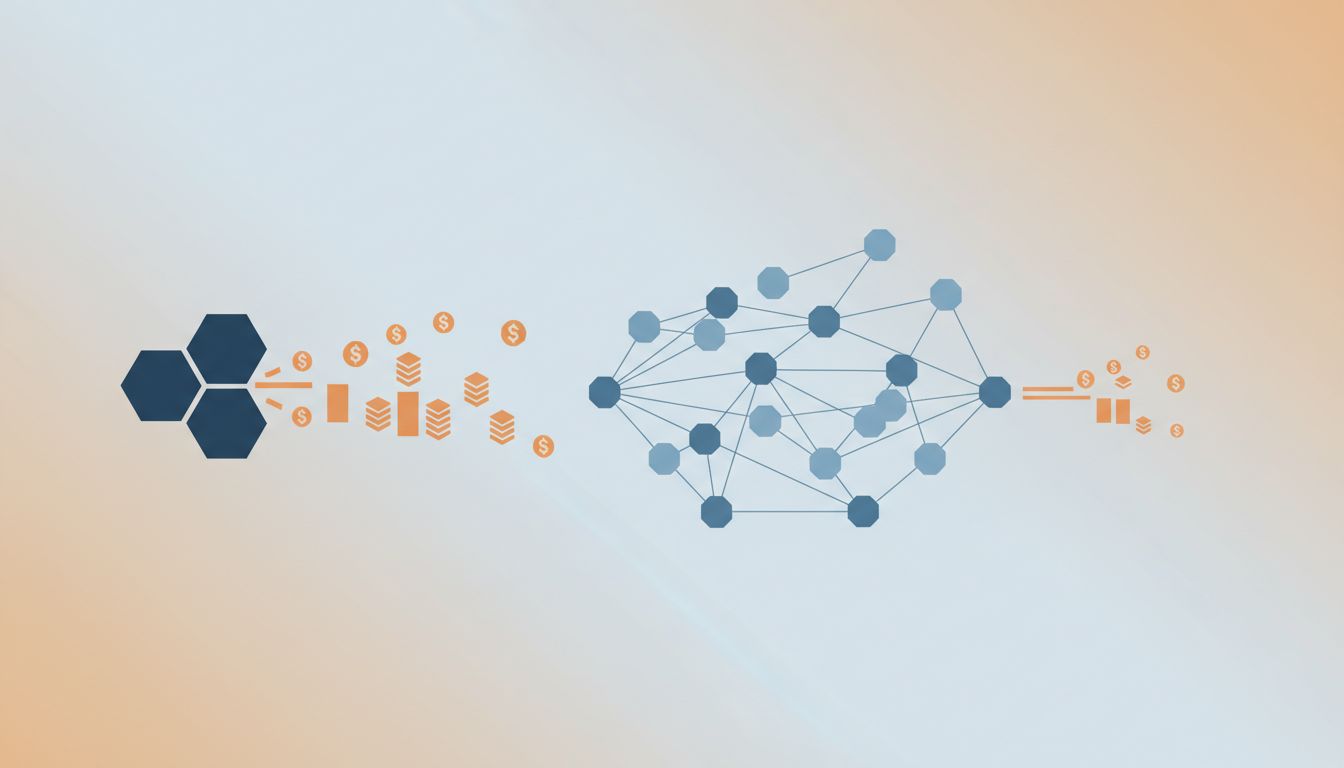
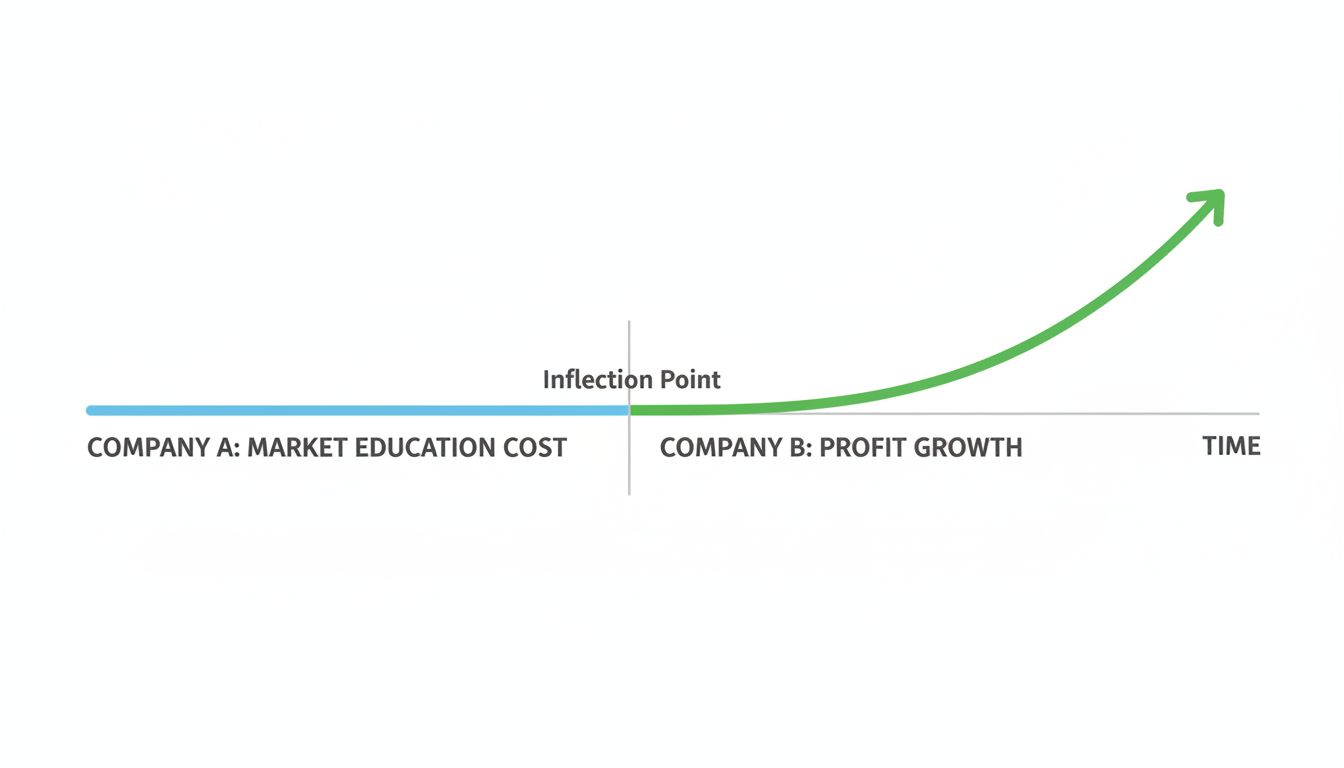
The company that creates a market often pays to educate customers, absorb failed experiments, and guess at what people actually want. The company that enters second gets all of that knowledge for free, then builds something better.
The pioneer tax
Imagine you’re running a small business in 2006 and someone cold-calls you to sell you “cloud accounting software.” Your first question is probably “what’s cloud?” and your second is “why would I trust my books to that?”
That’s the world Xero and FreshBooks entered. But someone had to build it first. The earliest entrants in cloud accounting spent years and serious money just convincing accountants that software delivered over the internet wasn’t a liability. They funded trade show booths, educational content, and sales calls that ended with “I’ll think about it” before anyone bought anything.
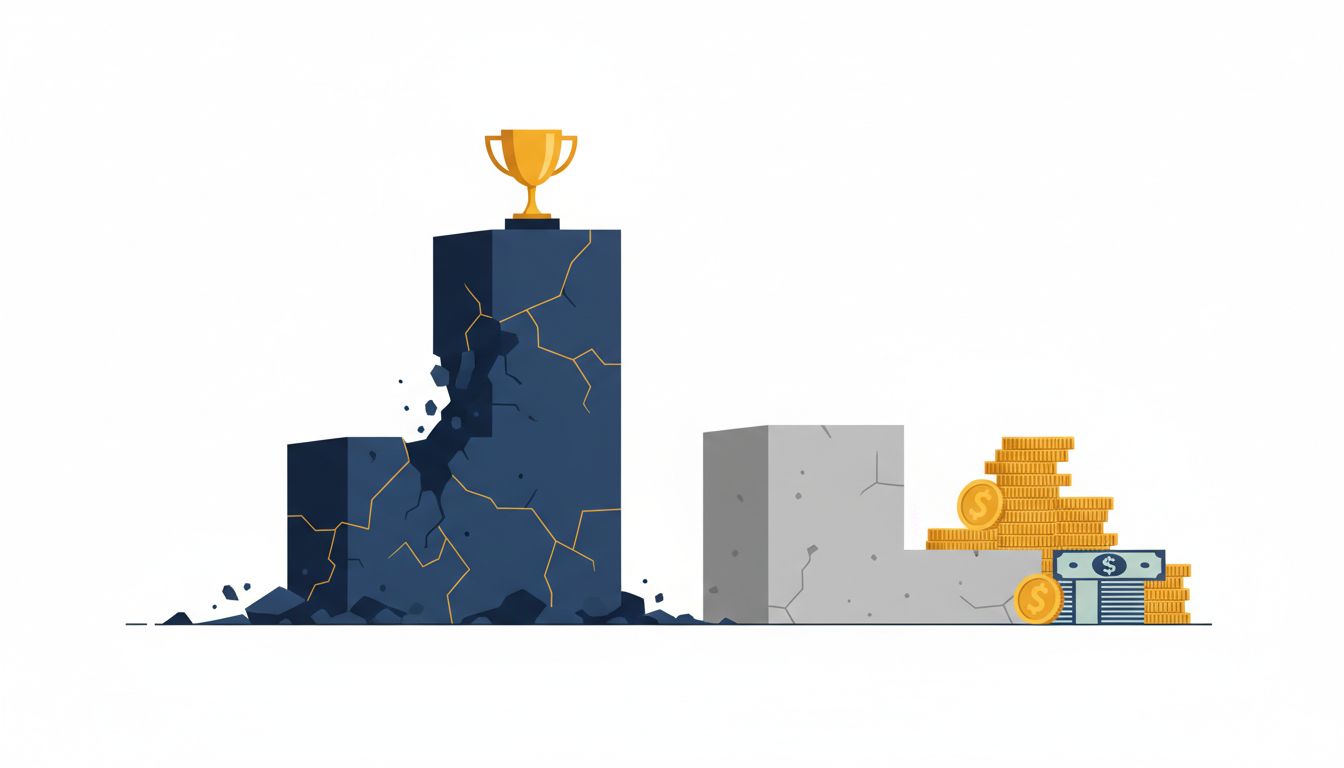
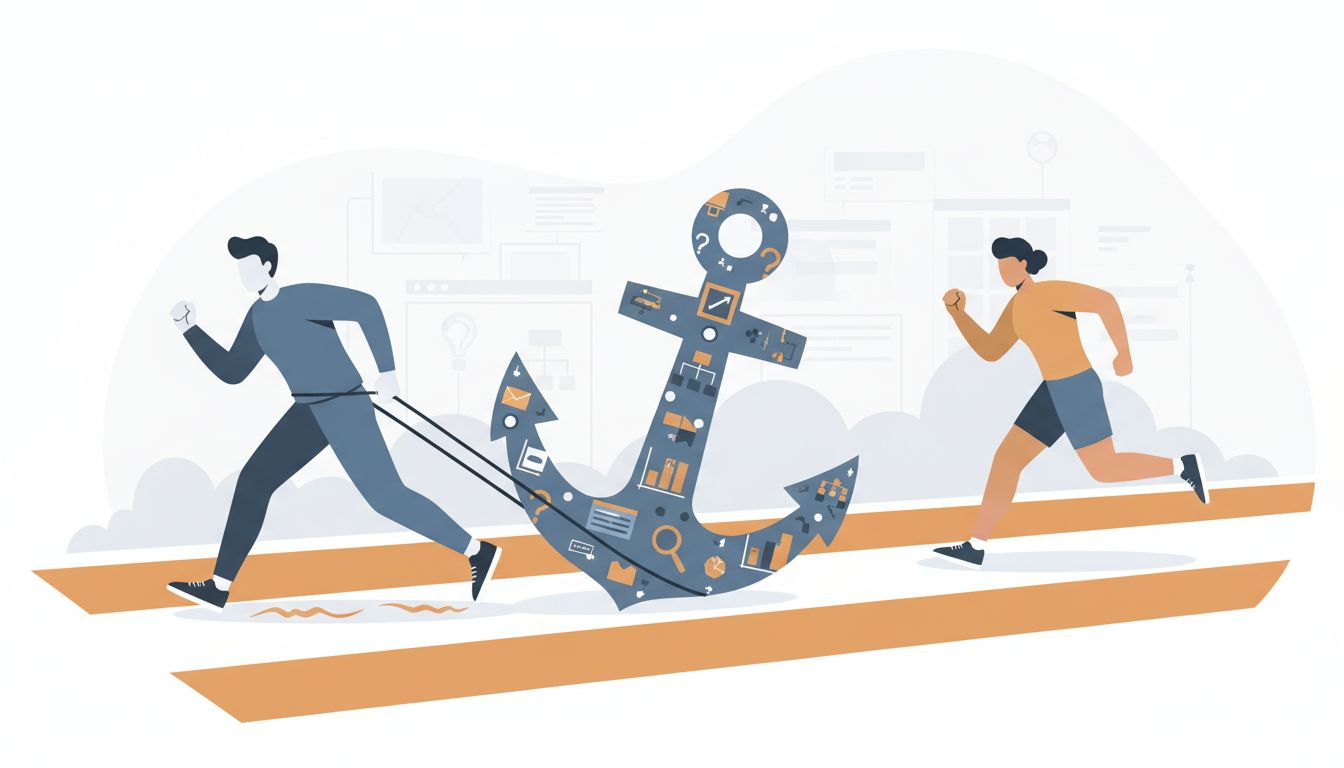
This is the pioneer tax: a real, measurable cost paid in time, money, and failed product iterations. The first company into a market is conducting an experiment on behalf of everyone who follows. They’re asking “does this category exist?” on the market’s behalf, and the market answers slowly and expensively.
The second entrant skips that bill. They arrive when the question has already been answered.
What “second” actually buys you
The advantages compound in ways that aren’t obvious from the outside.
You know the real customer. The pioneer sells to early adopters, who are a weird and unrepresentative slice of the market. Early adopters are tolerant of rough edges, excited about novelty, and often willing to change their workflows to accommodate your product’s limitations. The mainstream customer is none of those things. The pioneer usually has to unlearn what their early adopters taught them. The second entrant can watch that painful lesson from a safe distance and launch with a product shaped for the majority, not the vanguard. (There’s a whole related problem here: your best early customer might be your worst problem if they pull your product in the wrong direction.)
You know where the bodies are buried. The pioneer’s public failures are a roadmap. Every product recall, every critical review thread, every LinkedIn post from a churned customer is signal. Second entrants don’t have to hypothesize about failure modes. They’ve watched them happen in real time.
Your pricing comes pre-calibrated. The pioneer anchors the market’s expectations about what something should cost. Sometimes they underprice (terrified of scaring people off) and the second entrant comes in higher and more profitable. Sometimes they overprice and leave room for a competitor to undercut them and still make money. Either way, the second company doesn’t have to guess.
The historical record is pretty clear
Searching for a restaurant online before Google? You might have used AltaVista or Ask Jeeves. Social networking before Facebook? Friendster and MySpace built the concept and the audience. Smartphones with touchscreens before the iPhone? Microsoft and Palm had been trying for years.
Google didn’t invent search. It entered a market with established players, studied what made them frustrating, and built something technically superior to a known need. Facebook didn’t invent social networking. It launched on a campus that already had a social network (the now-forgotten Friendster competitor, Club Nexus at Stanford), refined the product for that specific context, and scaled.
None of this is to say being second guarantees anything. Google survived because its search quality was dramatically better. Facebook survived because Zuckerberg was relentlessly focused on growth mechanics that Myspace ignored. Being second gives you information and a more forgiving launch environment. You still have to execute.
But look at the companies that defined their categories and you’ll often find they weren’t first. They were better-informed.
When being first actually helps
There are situations where the pioneer’s advantage is real and durable.
Network effects are the main one. If the value of a product increases with each additional user, the pioneer can build a moat that’s genuinely hard to cross. WhatsApp couldn’t easily displace SMS because everyone already had SMS. Once a communication platform reaches critical mass, switching costs are social, not just technical.
Regulatory capture is another. In industries where the first mover can shape regulation in their favor, incumbency becomes structural. This is rare in pure software markets but common in fintech, healthcare, and anything that touches physical infrastructure.
Distribution lock-in is real too. If the pioneer signs long-term exclusivity deals with key distributors or partners, the second entrant can build a better product and still find themselves locked out of the market. The product quality doesn’t matter if you can’t reach the customer.
Outside of those specific conditions, though, being first is more burden than blessing.
What this should change about how you think about competition
Founders are often terrified when they hear that another company is working in their space. “We need to move fast, someone else is already there.” But if someone else is there and hasn’t yet figured it out, that’s a signal the market is real, not a reason to panic.
The more useful question isn’t “are we first?” It’s “what has the pioneer’s experience taught us that we can use?” If you can name three specific things the existing players got wrong and show clearly why your approach avoids those mistakes, you’re probably in a better position than they were at launch.
The worst version of this thinking is the company that sees a funded pioneer struggling and concludes “the market doesn’t exist.” Sometimes that’s true. More often, the pioneer just built the wrong thing for the wrong customer at the wrong price point, and there’s a real business waiting for whoever does the work of figuring that out.
Being second isn’t a consolation prize. For most markets, most of the time, it’s the better starting position.