In 2016, Figma launched to a design community that was deeply, almost religiously, committed to Sketch. The power users, the ones who filed detailed bug reports and wrote long tweets about their workflows, had strong opinions: Figma needed to match Sketch feature-for-feature. Add offline mode. Add plugins. Build the thing they already knew.
Figma’s team listened politely and then, largely, ignored them.
Not out of arrogance. Out of a calculated read on who actually mattered for the company’s long-term trajectory.
The Setup
Sketch had a genuine moat in 2016. It was fast, native, beloved. Design professionals had built entire professional identities around mastering it. These were also exactly the kind of articulate, opinionated early adopters that startups typically treat as gospel. They filed detailed feedback. They showed up at conferences. They wrote the blog posts that influenced other designers.
The problem was that Sketch power users wanted a better Sketch. Figma wanted to build something different.
Dylan Field and Evan Wallace had built Figma on a browser-based architecture from the beginning, a choice that most professional designers at the time found puzzling at best and amateurish at worst. Real design tools were native. Everyone knew that. The performance compromises of running in a browser were obvious to anyone who had spent years in the industry.
What those experienced designers couldn’t see clearly, because their expertise was also a kind of blindness, was who else might need design tools.
What Happened
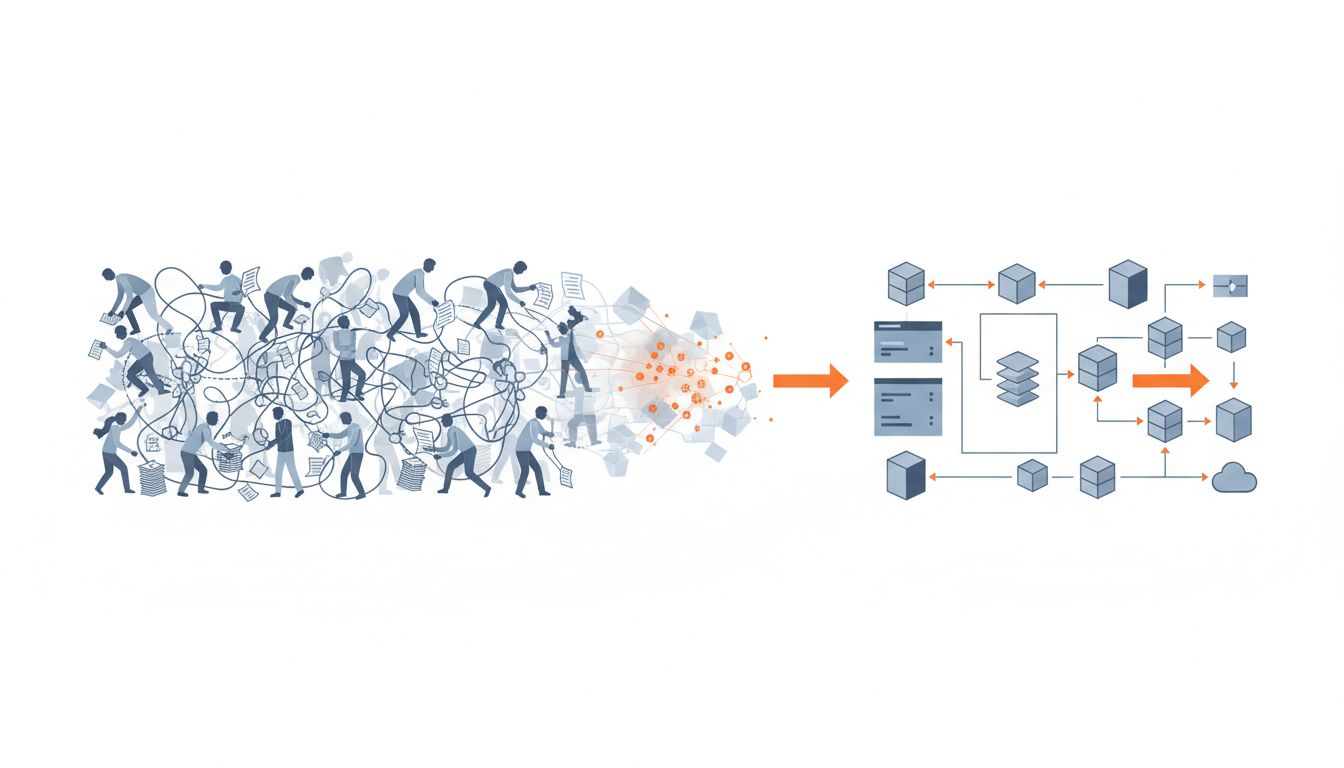
Figma made a strategic bet that the real market wasn’t professional designers at all. Or rather, it wasn’t only them. The bigger opportunity was the sprawling population of people who needed to participate in design work without being designers: product managers sketching wireframes, engineers checking specs, marketers requesting copy changes, founders iterating on decks.
This is the group that couldn’t use Sketch at all. Sketch was Mac-only, required a license, had a learning curve, and produced files that non-designers couldn’t open without additional tooling. It was built for designers and it stayed that way.
Figma’s browser-based architecture, the thing power users complained about, was the exact feature that made it useful to everyone else. No installation. No license per seat for a viewer. A link you could drop into Slack and anyone could open.
The company didn’t ignore designer feedback entirely. They built real, serious design capabilities. But they consistently prioritized collaboration features over the feature-parity requests from Sketch refugees. Real-time multiplayer editing shipped early. Commenting shipped early. Granular sharing controls shipped early.
Those weren’t the features professional designers were asking for. They were the features that made Figma indispensable to entire product teams, not just the designer on the team.

By the time Sketch users were ready to take Figma seriously on its own terms, Figma had already won the organizational buy-in battle. Companies weren’t switching design tools. They were switching to a collaboration layer that happened to include design tools. Figma had inserted itself into workflows far upstream of where Sketch even played.
Adobe acquired Figma in 2022 for $20 billion. The deal was eventually blocked on antitrust grounds, but the valuation alone tells you something about how the market assessed what Figma had built.
Why It Matters
There’s a version of this story that gets told as “listen to your customers.” That’s not what happened here. What happened is more precise and more uncomfortable: Figma identified that its most vocal early customers were optimizing for the wrong thing, and it had the discipline to build for a different customer instead.
This isn’t an argument for ignoring users. It’s an argument for being rigorous about which users are pointing toward the future of your business versus which ones are pointing toward a better version of the past.
The power users Figma largely deprioritized were experts in existing design workflows. That expertise made their feedback both valuable and structurally limited. They knew exactly what a professional design tool should do because they’d spent years with one. What they couldn’t model was how design would change if it became a collaborative activity rather than a specialist skill.
The innovator’s dilemma, in its classic form, is usually framed as incumbents failing to chase low-end disruption because their best customers demand they stay focused on the high end. Figma’s case is a variation: the startup’s most engaged early users were inadvertently pulling the product toward an incumbent’s territory rather than toward genuinely new ground.
What We Can Learn
First, distinguish between users who are pulling you toward the future and users who are pulling you toward a better version of what already exists. Both groups will give you feedback with equal conviction. The difference is almost never visible in the feedback itself. You have to reason about the structure of the market they’re describing.
Second, early adopters in any category tend to be power users of whatever came before. The Sketch devotees who showed up early for Figma were self-selected for caring deeply about design tools. That made them unrepresentative of the much larger population who needed design tooling but had never found it accessible. Weighting their feedback too heavily would have been a mistake.
Third, architecture is strategy. Figma’s browser-based foundation looked like a constraint or a concession to some observers. It was actually a product decision about who the product was for. Every technical decision that shaped what collaboration could look like in Figma was downstream of that early architectural choice. The features that ultimately won weren’t bolt-ons. They were native to the foundation.
This principle applies beyond design tools. If you’re building something with a genuinely different technical foundation, expect your most knowledgeable early users to push you toward mimicking what they already know. That’s not bad faith. It’s just how expertise works. The job is to take their specific feature requests less seriously than their underlying problems, and then ask whether those problems are solved better by replicating the old approach or by building something the old approach couldn’t do.
Figma didn’t win by building a better Sketch. It won by making design work legible to everyone who had previously been locked out of it. The designers who asked them not to bother were, in a narrow sense, right about what designers wanted. They were wrong about what the market needed.
That gap, between what your best current customers want and what your future customers need, is where most of the interesting startup decisions actually live.