The Task That Won’t Stay Written
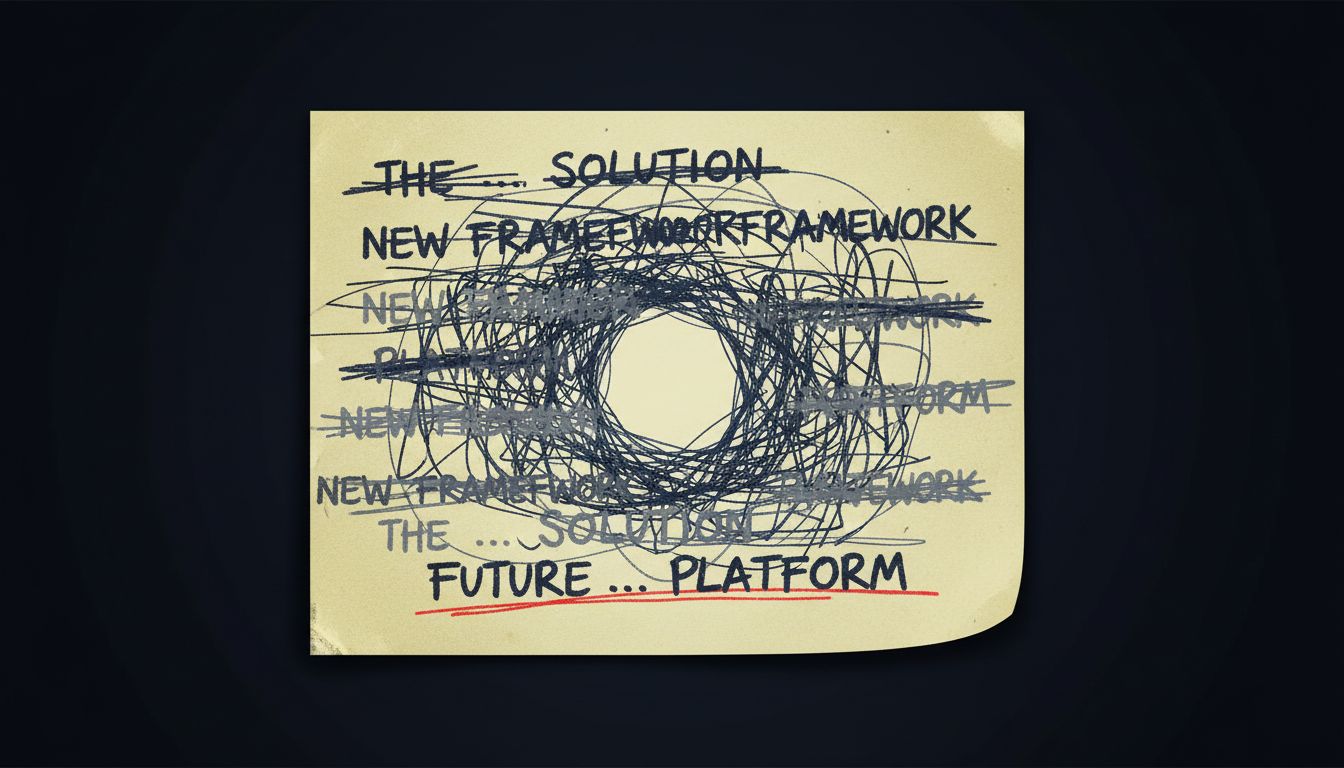
You know the one. It has lived on your to-do list for two weeks, maybe longer. You haven’t done it, but you haven’t deleted it either. Instead, you’ve reworded it. “Finalize proposal” became “draft proposal outline” became “think through proposal approach” became “revisit proposal notes.” Each rewrite felt like progress. None of it was.
This is not a time management problem. It is a decision problem wearing a productivity costume.
The rewrite is a tell. When a task keeps changing its description, it means the real task hasn’t been named yet. You’re circling something uncomfortable and each softer phrasing is a way of staying close without actually landing. The task you keep rewriting is almost always the most important thing on your list, and your rewrites are evidence that some part of you already knows it.
Why We Rename Instead of Do
Task management systems are built around the assumption that the hard part is remembering what to do. Most productivity advice flows from that assumption: capture everything, organize it, review it. But the bottleneck for most people is not memory. It’s resolution. You know what you need to do. You just haven’t resolved the ambiguity that makes it uncomfortable to start.
Ambiguity in a task description is almost always a symptom of ambiguity in the underlying decision. “Finalize proposal” is stuck because you haven’t decided whether you actually want this client. “Reach out to the team about the deadline” is stuck because you haven’t decided whether you’re going to push back or absorb the pain. Renaming the task to something vaguer feels like tending to it without forcing that decision.
There’s a parallel here to how software bugs get triaged. Some bugs sit in a backlog for months not because no one has time to fix them, but because fixing them requires making a product decision that nobody wants to own. The bug is clear; the solution requires commitment. So the ticket sits, occasionally edited, never resolved. The bugs that never get filed are one problem, but the bugs filed and perpetually retitled might be worse, because they create an illusion of active management.
How to Read Your Own Rewrites
If you want to understand what’s actually blocking you, pay attention to the direction of your rewrites. Tasks almost always get rewritten in one of two directions: toward smaller scope or toward greater vagueness.
Smaller scope rewrites are often fine. “Build the reporting dashboard” becoming “write the data model for the reporting dashboard” is decomposition, which is legitimate. You’ve identified the right first step.
Vagueness rewrites are the warning signal. “Send the difficult email” becoming “think about the situation with Jordan” is not decomposition. It’s retreat. The task has gotten less actionable, not more. You haven’t clarified the work, you’ve obscured it.
The useful diagnostic is to ask: if I read this task cold tomorrow, would I know exactly what action to take? For a vagueness rewrite, the answer is no, and that’s not an accident. The vagueness is doing a job. It lets you feel like the thing is on your radar without forcing you to confront what the thing actually requires.
The Fix Is Not a Better App
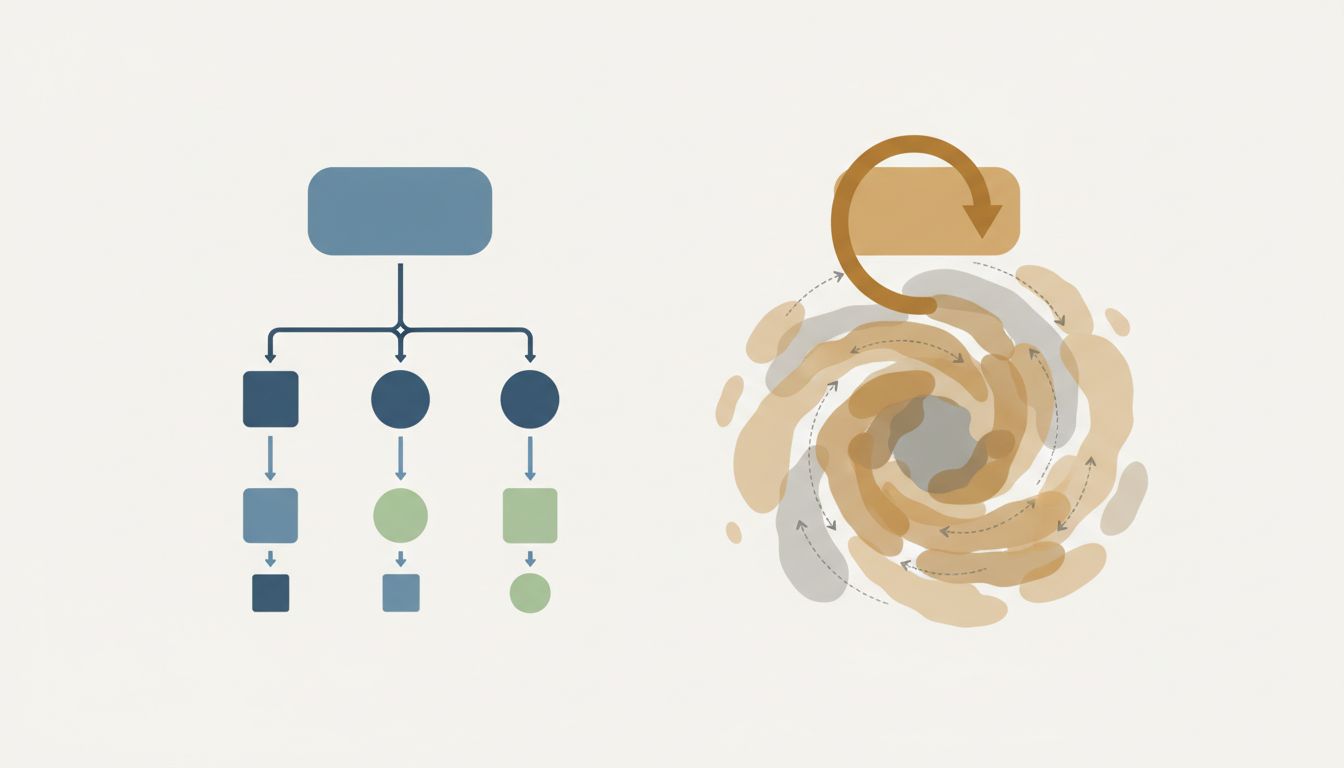
A lot of people respond to this pattern by switching tools. The Todoist user becomes a Notion user becomes an Obsidian user. The format changes, the problem doesn’t. You cannot organize your way out of an unmade decision.
The actual fix is to treat a rewritten task as a flag that demands one specific question: what decision am I avoiding here? Not “what should I do next” but “what have I not decided yet that’s preventing me from knowing what to do next.”
Often that question surfaces something surprisingly specific. The proposal task is stuck because you haven’t decided whether you want revenue more than you want the right client mix right now. The email to Jordan is stuck because you haven’t decided whether you’re willing to have an uncomfortable conversation or whether you’d rather let the situation quietly deteriorate. These are real decisions with real stakes, and no task manager can make them for you.
Once you’ve named the actual decision, you can either make it, or write an honest task that reflects what you actually need to do first: “Decide whether to pursue this client, yes or no, before end of week.” That task is uncomfortable to look at. It’s supposed to be. Discomfort is information.
Your To-Do List as a Mirror
The most useful thing a to-do list can do is show you where you’re stuck, not just what you haven’t done. The tasks that age, the items that accumulate rewrites, the things you skip past during every review session: these form a pattern, and the pattern is worth reading.
Most productivity systems are optimized for throughput. Capture more, process faster, close the loop. That optimization is useful for the volume of routine work that genuinely just needs to be done. But for the work that actually matters, the work that has real stakes and real ambiguity attached to it, the goal is not throughput. The goal is clarity about what you’re deciding and why you keep not deciding it.
The task you’ve rewritten six times is not a productivity failure. It’s the most honest thing on your list. It’s showing you exactly where your thinking is unresolved. The right response is not to rewrite it again, or to find a better app, or to break it into smaller subtasks that individually preserve the same ambiguity. The right response is to sit with the uncomfortable version, name the decision underneath it, and then make that decision, even if it’s a decision you’d rather not have to make.
That’s the work. Everything else is just renaming it.