
The simple version
Every time you switch from one task to another, your brain doesn’t cleanly swap states. It drags a residue of the previous task into the new one, and that residue costs you more time and accuracy than you’d ever guess from the inside.
Why Your Brain Isn’t a Browser With Tabs
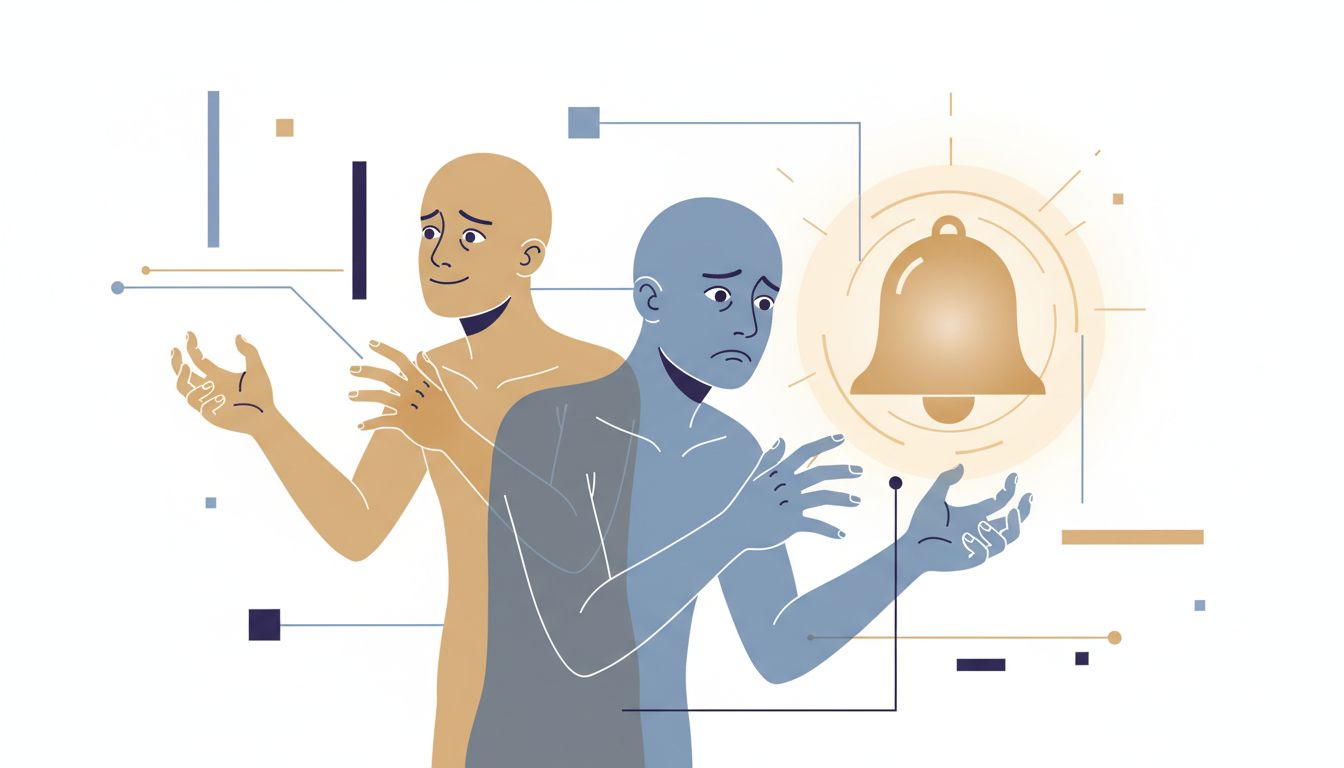
When you switch windows, your computer actually drops one context and loads another. Your brain doesn’t work that way. Cognitive neuroscientists call what happens instead “attention residue,” a term developed by researcher Sophie Leroy at the University of Washington. Her work shows that when you move from Task A to Task B, part of your attention remains actively engaged with Task A, particularly if Task A was unfinished or mentally vivid.
You’ve experienced this. You’re in the middle of debugging something, a Slack message pulls you to a different problem, and even after you’ve read it and started responding, something in the back of your mind is still holding the shape of the original problem. That’s not a metaphor. Your working memory is literally still processing incomplete patterns from the first task.
The practical effect is that you bring reduced cognitive capacity to whatever you just switched to. You’re not fully there. And crucially, you often don’t notice this, because the degradation is subtle and you have no clean baseline to compare against.
The Numbers Are Uncomfortable
Researchers Gloria Mark, Daniela Gudith, and Ulrich Klocke studied interruptions and task-switching in office settings and found it took an average of about 23 minutes to fully return to a task after being interrupted. That number gets cited so often it risks feeling like wallpaper, so let’s make it concrete.
If you have six meaningful interruptions in a workday (a conservative count for anyone with an active inbox and open calendar), you’re not just losing the time of the interruptions themselves. You’re potentially losing several hours of recovery time on top of that. The interruptions don’t have to be long. A two-minute conversation can trigger a 20-minute recovery arc.
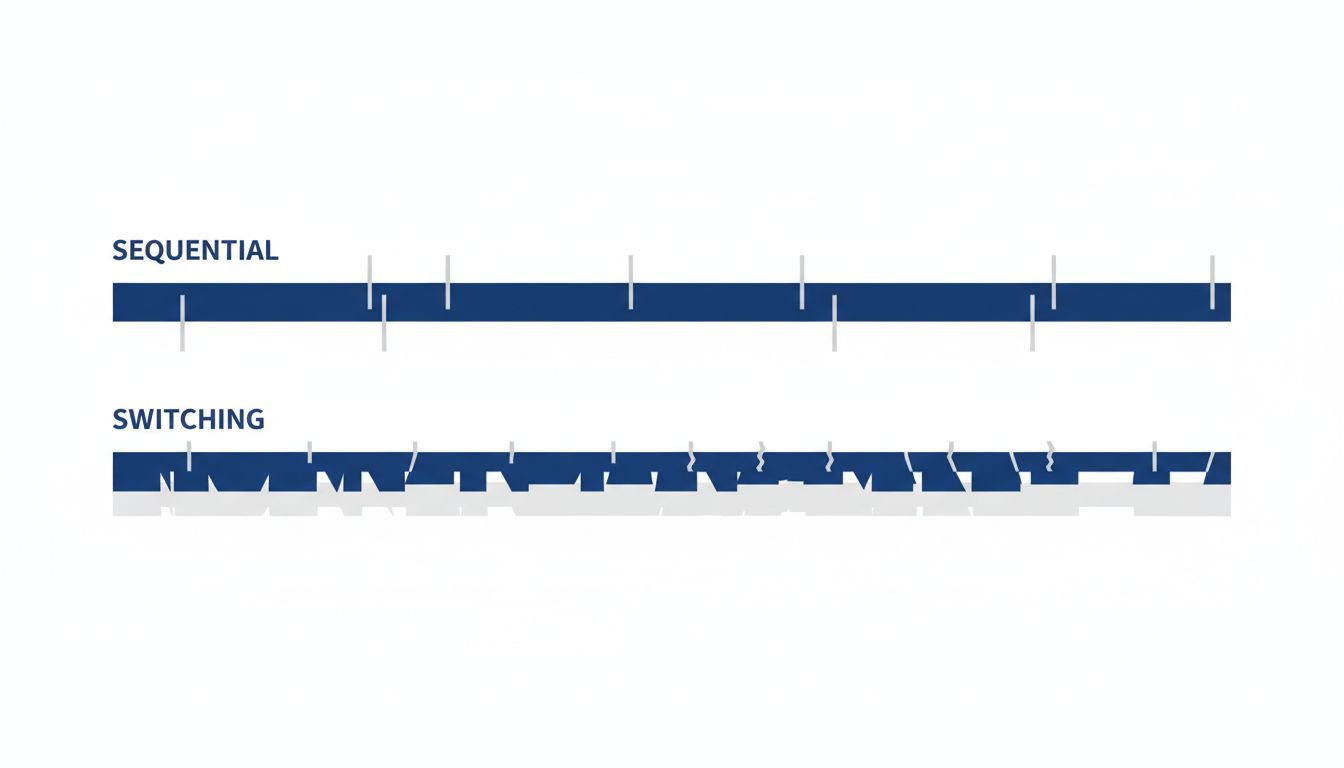
Separately, research on task-switching costs (distinct from interruption research, though related) consistently shows that switching between two tasks reduces performance on both compared to doing them sequentially. The cost is particularly steep when tasks are cognitively demanding and dissimilar, which describes most real knowledge work.
The uncomfortable implication: multitasking, as most people practice it, doesn’t just fail to save time. It actively costs time, because you’re constantly paying switching costs in both directions.
The Myth of “Warming Back Up Quickly”
Most people believe they’re better at recovering from interruptions than they actually are. This isn’t arrogance, it’s a measurement problem. When you return to a task, you often pick up a surface-level thread quickly (you remember where you were in the document, you find your cursor) and mistake that for full re-engagement. But the deeper mental state, the one that was holding all the relevant context, the constraints you were working within, the half-formed hypotheses you hadn’t yet tested, reconstitutes slowly and often incompletely.
This is especially punishing for complex creative or analytical work. A software engineer mid-way through reasoning about an edge case, a writer in the middle of a tricky structural decision, a product manager synthesizing conflicting user signals: these people aren’t just losing time when interrupted. They’re losing the specific cognitive state that made progress possible.
The recovery isn’t just slow. Sometimes it doesn’t fully happen. You come back, pick up the surface thread, and proceed with a slightly shallower version of the reasoning you were doing before. The output reflects this, and you often can’t tell.
What You Can Actually Do About It
The research points toward a few practical interventions that work better than generic advice about “minimizing distractions.”
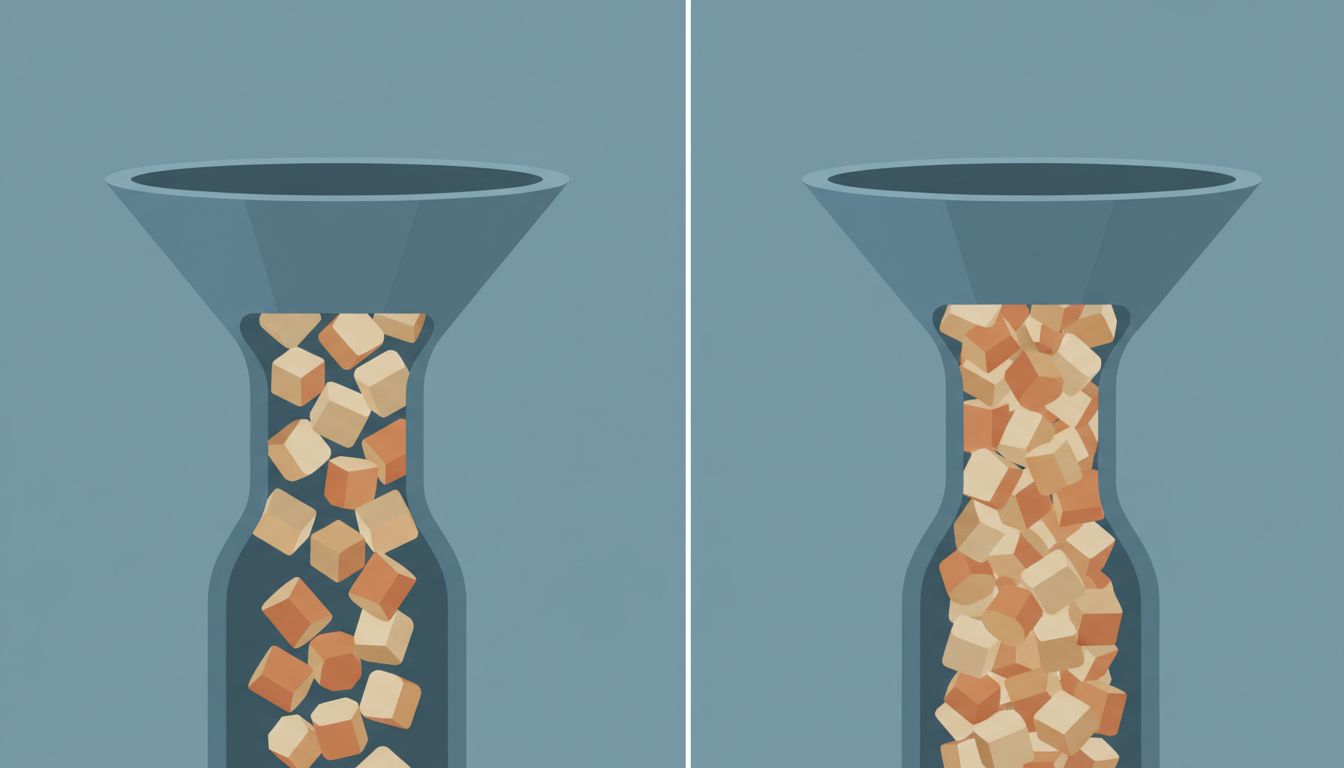
Create explicit stopping points. Before you switch tasks voluntarily or respond to an interruption, spend 30 to 60 seconds writing down exactly where you are and what the next concrete step is. This isn’t just for memory. It partially closes the open loop in your working memory, which reduces attention residue when you return. Leroy’s own research tested this and found it made a measurable difference in how fully people engaged with the subsequent task.
Group similar tasks. Switching costs scale with cognitive distance between tasks. Going from one analytical task to another analytical task costs less than going from deep writing to a quick emotional conversation to a spreadsheet review. Where you have control over your schedule, batch tasks by type rather than by urgency.
Treat your deep-work blocks as protected, not aspirational. Many people schedule uninterrupted blocks and then let them collapse under the first moderately compelling interruption. If the block is on your calendar, the default answer to anything that arrives during it is “I’ll get to that at [time after the block].” Most things that feel urgent at 10am are fine by 2pm.
Be honest about your actual interruption rate. Spend one day logging every time you switch tasks, voluntarily or otherwise. Include checking your phone. Most people are genuinely shocked by the count. If you want a framework for understanding what that’s costing you, where your attention actually goes during a workday is a useful starting point.
The One Thing Worth Internalizing
The core finding from this research isn’t that interruptions are annoying. It’s that the cost of a task switch is largely invisible and significantly larger than it feels. You don’t experience the recovery period as lost time. You experience it as working, just working slightly less effectively than you could be.
That makes it easy to underinvest in protecting focus. The interruptions don’t feel expensive in the moment. The tax is collected gradually, across the whole day, in slightly worse thinking and slightly slower progress. You notice the output but rarely trace it back to the structure of your attention.
So the most useful thing you can take from the research is a recalibrated sense of what a task switch actually costs. Not a few seconds. Not “a quick context switch.” A real, material price paid across the next 20-plus minutes. Once that becomes your default model, the case for protecting deep work stops being a productivity tip and starts being obvious arithmetic.