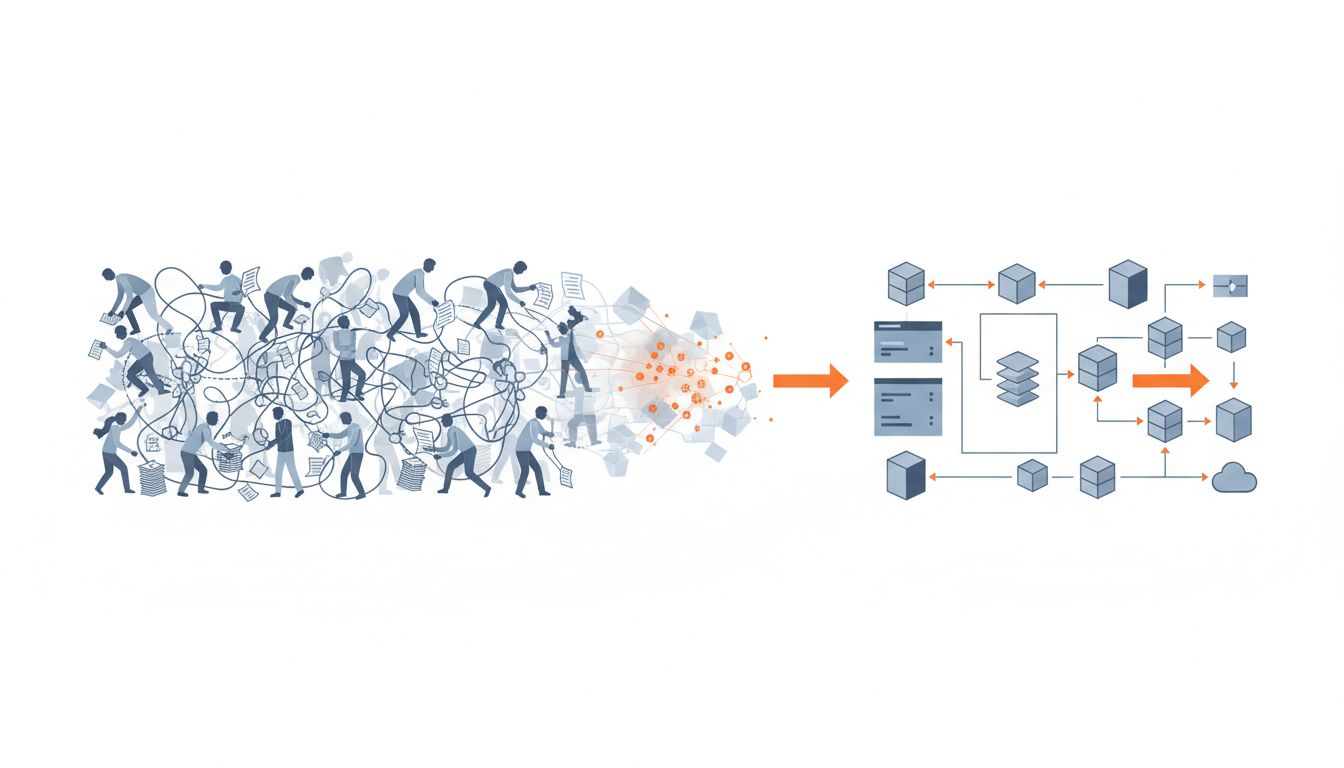

A founder I know closed a $2.5 million seed round in January and told me they had 22 months of runway. By October they were raising an emergency bridge. The money hadn’t been wasted on anything scandalous. No lavish offsites, no ridiculous equipment. It just went faster than the model said it would, in ways the model never anticipated.
This is not an unusual story. It is the story.
The Model Is Always Wrong, and Not Randomly
The mistake founders make is treating a runway model as a forecast when it’s actually a fantasy. Not because founders are bad at math, but because the inputs are wrong in a consistent direction. Revenue projections are optimistic. Expense projections are incomplete. And the timing assumptions connecting the two are almost always magical.
A typical seed-stage model looks something like this: we’ll hire four engineers at $X salary, spend $Y on infrastructure, close five customers in Q2 generating $Z in ARR, and that gets us to 18 months. Each of those variables is a best-case scenario dressed up as a median estimate. And they don’t fail independently. When revenue slips, you spend more on sales. When you spend more on sales, you hire sooner. When you hire sooner, benefits and equipment costs appear that weren’t in the original headcount line. The errors compound.
The deeper problem is that spreadsheet models capture recurring costs reasonably well and handle one-time costs terribly. Nobody forgets salaries. Everybody forgets the legal fees from the customer contract negotiation in month four, the HR consultant brought in when the first employee conflict surfaces, the security audit a prospective enterprise customer requires before they’ll sign, or the three months of double-rent when the office lease timing doesn’t line up with the old one expiring.
The Categories That Actually Eat Runway
There are four places money disappears that almost never appear in early models at the right magnitude.
The first is hiring friction. Not just recruiter fees (which are real and typically 15-20% of first-year salary if you use one), but the productivity tax on the team doing the hiring. When your three-person engineering team is running four to six interviews a week for a month, that’s engineering output you’re paying for and not getting. Then the new hire spends their first six to eight weeks getting up to speed. You’ve been paying full salary for two months and receiving partial contribution. Multiply this across every hire and the effective cost of headcount is substantially higher than the salary line suggests.
The second is compliance and infrastructure maturity. Early startups run lean on security, privacy, and data practices because they can. The moment you start selling to companies above a certain size, you hit a wall. SOC 2 certification, depending on how you approach it, can cost anywhere from $30,000 to well over $100,000 when you factor in the tooling, the auditor, and the engineering time to close gaps. Most models have a zero in this line until suddenly they don’t.
The third is the sales cycle reality gap. B2B founders model their sales cycle based on how fast they want deals to close. Actual enterprise sales cycles are famously, stubbornly longer. A deal you expected to close in Q1 closes in Q3 because legal needed two rounds of redlines and the budget holder went on parental leave. That’s not revenue missing, it’s revenue shifting, and the shift creates a cash timing problem that a simple 18-month model completely obscures. You may have the ARR on paper and still be broke.
The fourth is what I call maintenance spending, the ongoing cost of keeping things working that you built cheaply the first time. Early infrastructure decisions made for speed accumulate costs over time, and not just in engineering hours. Cloud costs in particular have a way of arriving as a surprise, because the team that built the system wasn’t thinking about cost optimization and the team running it now doesn’t fully understand what’s running.
The 30% Rule Nobody Follows
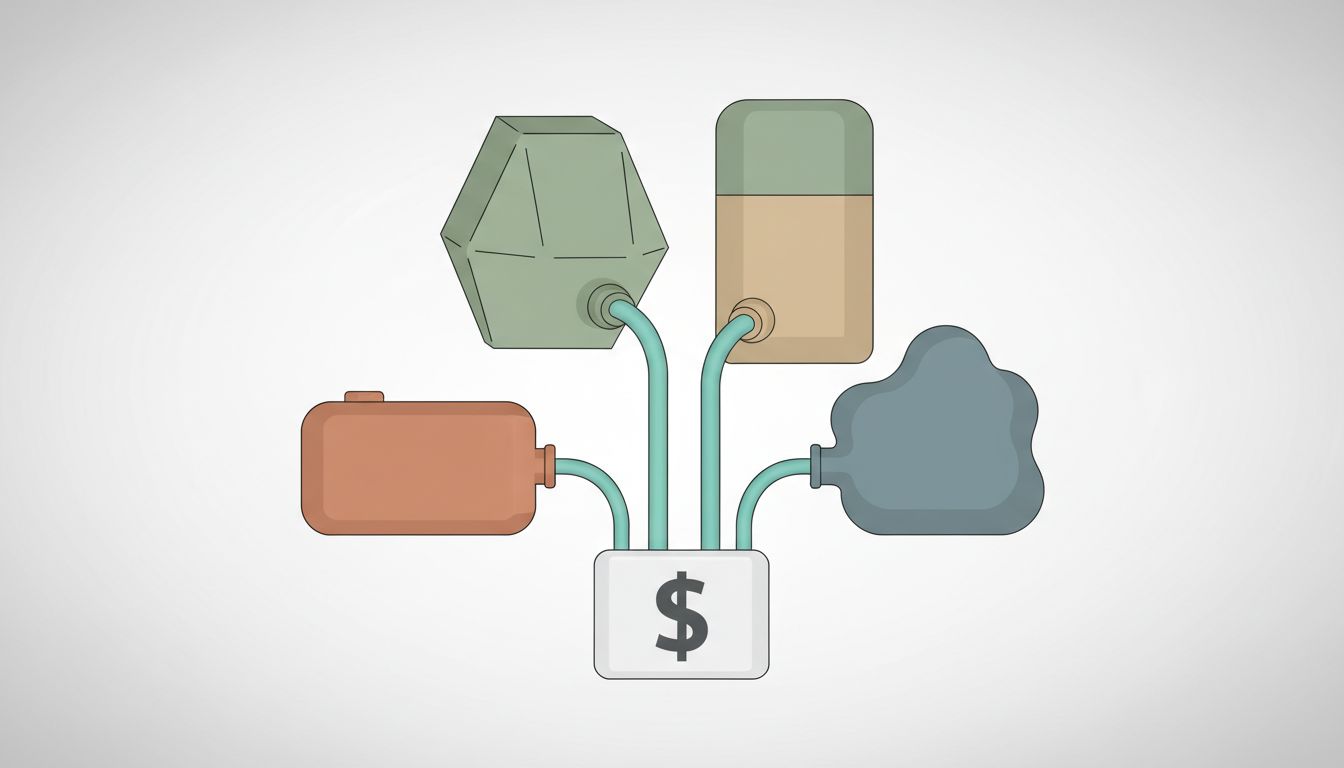
The most useful heuristic I’ve seen from operators who’ve actually managed through tight cash situations: take whatever you think your monthly burn will be and add 30%. Not as a panic buffer, but as a calibration. If your model says $150,000 a month, plan around $195,000. If that number makes your runway math scary, the answer isn’t to trust the lower number. The answer is to raise more, spend less, or accept that the timeline is shorter than you thought.
The second useful practice is separating burn into committed and discretionary spending, and reviewing the discretionary list every month with genuine willingness to cut. Most companies do this in theory and don’t do it in practice because the discretionary items always feel important when you’re looking at them individually. The subscription that costs $800 a month felt worth it when you signed up. Canceling it now feels like admitting defeat. Multiply that psychology across a dozen line items and you get a company that intellectually wants to cut spend but actually doesn’t.
What Good Runway Math Looks Like
A model built for accuracy rather than optimism has three versions: base, conservative, and stress. The base case is the honest median. The conservative case assumes revenue takes 30% longer to materialize than expected. The stress case assumes a major customer churns or a key hire takes six months to make. If the stress case kills the company, the company is already in trouble, it just doesn’t know it yet.
Good models also track cash balance against dates, not just months of runway. Saying you have 14 months of runway is less useful than knowing you’ll have $400,000 in cash on September 1st, because the date framing creates urgency and clarity. Fourteen months feels long. A specific date with a specific number on it is something you can act around.
The founders who manage runway well aren’t better at predicting the future. They’re better at updating their beliefs when reality diverges from the model, which it always does, and faster. The model isn’t the plan. It’s the first draft of the plan, and it should be revised constantly.
The founder who told me they had 22 months in January isn’t uniquely bad at finance. Their model just assumed the world would cooperate. The world didn’t get the memo.