
The most common frustration people have with AI assistants isn’t that they give wrong answers. It’s that they seem to forget everything the moment you start a new conversation. You explained your project, your constraints, your preferences. You come back the next day and it’s gone. You feel like you’re starting from zero.
You are starting from zero. And until you genuinely internalize why, you’ll keep being surprised by it.
Here’s the position I’ll defend: the stateless nature of large language models isn’t a bug waiting to be fixed. It’s a fundamental architectural property with deep implications for how you should use these tools. Fighting it makes you less effective. Working with it makes you significantly more effective.
What’s Actually Happening Under the Hood
A large language model doesn’t have a continuous experience of your conversation. It receives a block of text (the context window) and produces a response. That’s the whole transaction. When you start a new chat, the model gets a fresh block of text with no prior content. There is no background process holding your preferences in a waiting room somewhere.
The context window is everything. Whatever the model “knows” about you in a given conversation is only what’s written in that window. This is why a well-constructed prompt that includes your background and goals will outperform a bare question every single time. As explored in Your AI Isn’t Getting Smarter. You’re Getting Better at Asking., the improvement you feel over time isn’t the model learning about you. It’s you learning to front-load relevant context.
The Illusion of Continuity Is a Design Choice
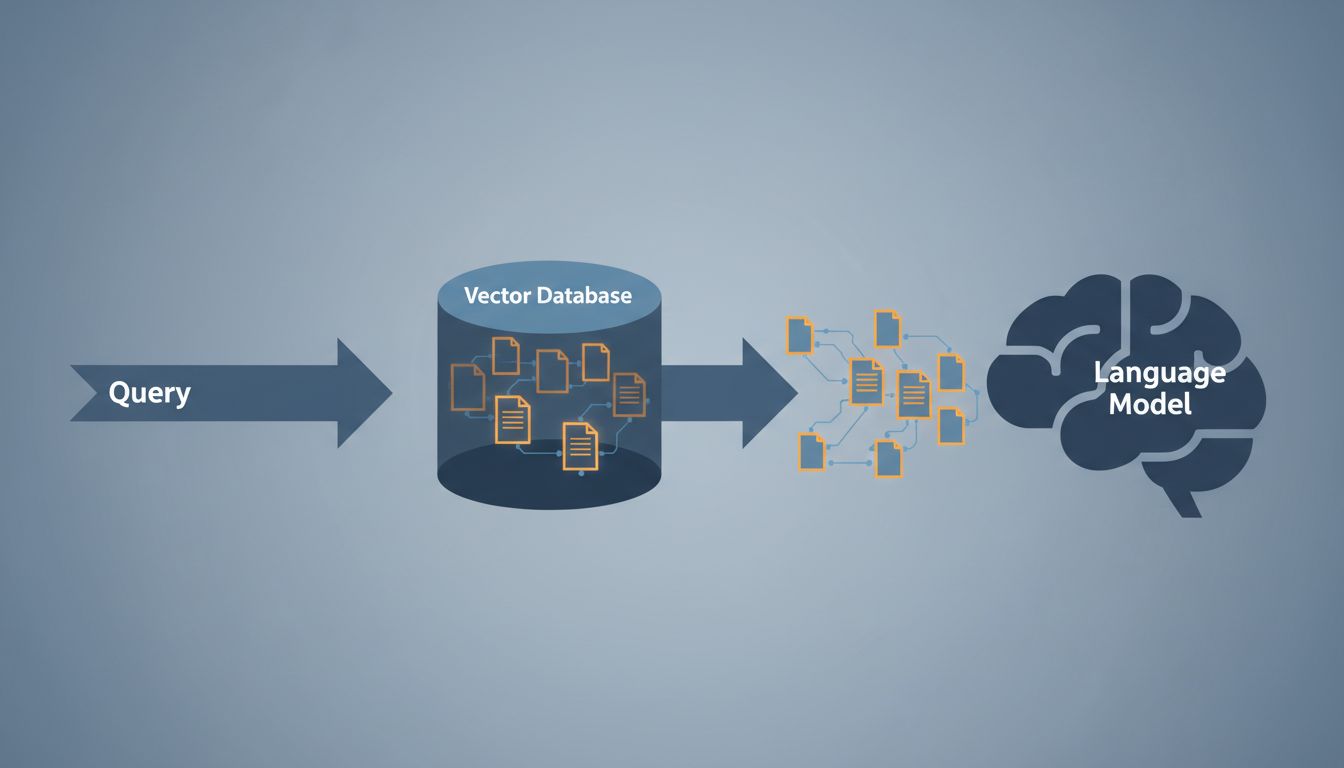
Many tools that wrap AI models (ChatGPT’s long-term memory feature, various copilot products) create the appearance of persistence. They retrieve relevant snippets from past conversations and inject them into the context window before you see anything. It feels like the model remembers you. It doesn’t. Someone wrote code to simulate that experience.
This distinction matters because it tells you exactly what to do when those features fail or aren’t available. You become the retrieval system. You own the context. The model is a very capable processor of whatever you hand it, and your job is to hand it the right things.
Statelessness Forces Clarity You Probably Lack
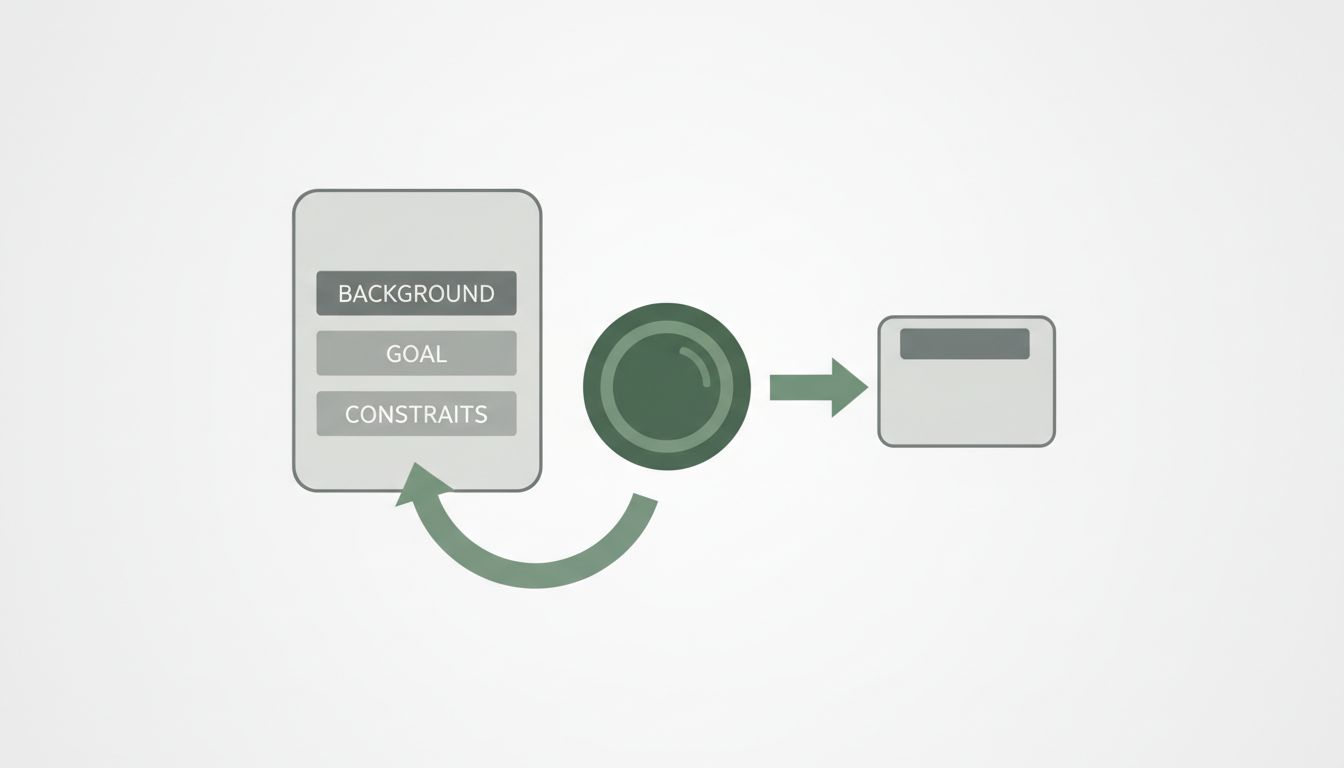
Here’s the uncomfortable truth: being forced to re-explain your context each time reveals how poorly you’ve articulated it to yourself. If you can’t write a crisp two-paragraph brief that gives an AI model enough to help you, you probably don’t have a crisp mental model of what you’re trying to do.
I’ve watched people spend twenty minutes in back-and-forth with a model that could have been resolved in three if they’d written a proper setup prompt. The friction isn’t the model’s statelessness. The friction is their own unresolved ambiguity.
Building a personal “context library” (a set of saved prompts that describe your role, your projects, your preferences, your constraints) is one of the highest-leverage things you can do. Paste the relevant one at the start of each conversation. You’ve now given the model everything it needs and forced yourself to have a document that clarifies your own thinking.
The Memory You Actually Want Would Be Dangerous
Imagine a model that truly remembered every conversation you’d ever had with it. Every half-formed idea, every exploratory question, every time you asked it to help write something you later decided was wrong. Now imagine that accumulated context subtly shaping every future response.
Persistent memory in AI systems is an active and genuinely difficult research problem, not because engineers can’t build a database, but because deciding what to remember, how to weight it, and when to discard it is deeply non-trivial. A model that remembered everything and weighted it naively would be worse than one that starts clean. Stale context is often more harmful than no context.
The Counterargument
The reasonable objection here is that enterprise users and power users do benefit from well-implemented memory features, and that the burden of re-prompting falls hardest on non-technical users who won’t build context libraries. Both points are fair.
For sophisticated teams building internal tools on top of AI APIs, retrieval-augmented approaches that pull in relevant context automatically are genuinely valuable (and raise their own interesting problems, as covered in RAG Fixes Hallucinations But Not the Hard Problem). The criticism of statelessness as a design flaw is most valid when the tooling built on top of the model doesn’t compensate for it.
But for the individual knowledge worker using a general-purpose assistant? The answer isn’t to wait for better memory features. The answer is to stop treating the model like a colleague and start treating it like an extremely capable contractor who needs a proper brief every time.
Build the Habit, Not the Hope
The developers will keep improving memory features. Context windows will keep getting longer. Some of the friction will reduce. But the underlying model will still be processing whatever text you give it, and your ability to give it good text will remain the binding constraint on your results.
Stop waiting for AI to remember you. Write the brief. Paste the context. Get the answer. It takes ninety seconds and it works today.