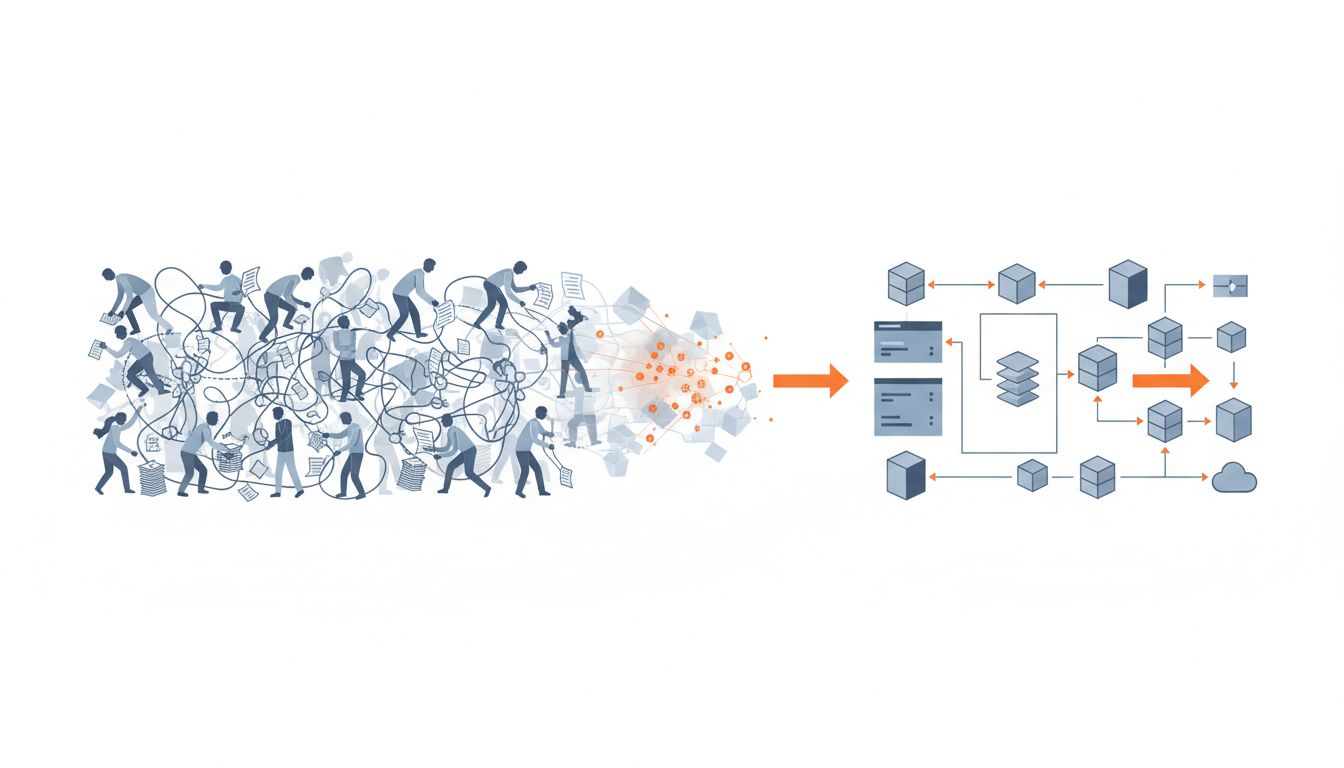

A friend of mine built a project management tool for freelancers. Solid product, genuinely useful. He launched at $9 a month because that felt accessible, and he got customers fast. Then he spent the next eighteen months trapped: his users were price-sensitive solopreneurs who churned the moment their project ended, filed support tickets constantly, and had zero budget for the integrations he wanted to build. He had optimized his pricing for acquisition and accidentally optimized his product for a customer segment that would never support the business he wanted.
He didn’t have a pricing problem. He had a product problem that pricing caused.
Price Selects Your Customer Before You Do
Founders talk about pricing like it’s a dial you turn after the product is built, a final step before launch where you figure out how much to charge for the thing you made. This framing is wrong and it costs people years.
Your price is a filter. It runs before any feature demo, before any sales call, before anyone has experienced a single minute of your product. The companies who see your price and keep reading are your actual customers. Everyone else self-selects out. This means your price determines the composition of your customer base more directly than your positioning, your design, or your marketing copy.
Charge $29 a month and you will attract a specific kind of buyer with specific expectations, a specific tolerance for rough edges, and a specific ceiling on what they’ll pay for add-ons. Charge $500 a month for functionally similar software and you attract someone else entirely, someone who has budget approval processes, who expects a dedicated onboarding call, who will tell you exactly what enterprise feature they need before they’ll sign. Both customers will shape what you build next. Only one of them will fund the business you probably want to run.
This is why pricing too low kills startups faster than charging too much. It isn’t just about revenue math. It’s about which conversations you get to have, and which ones you don’t.
The Features Your Customers Demand Are a Function of What They Paid
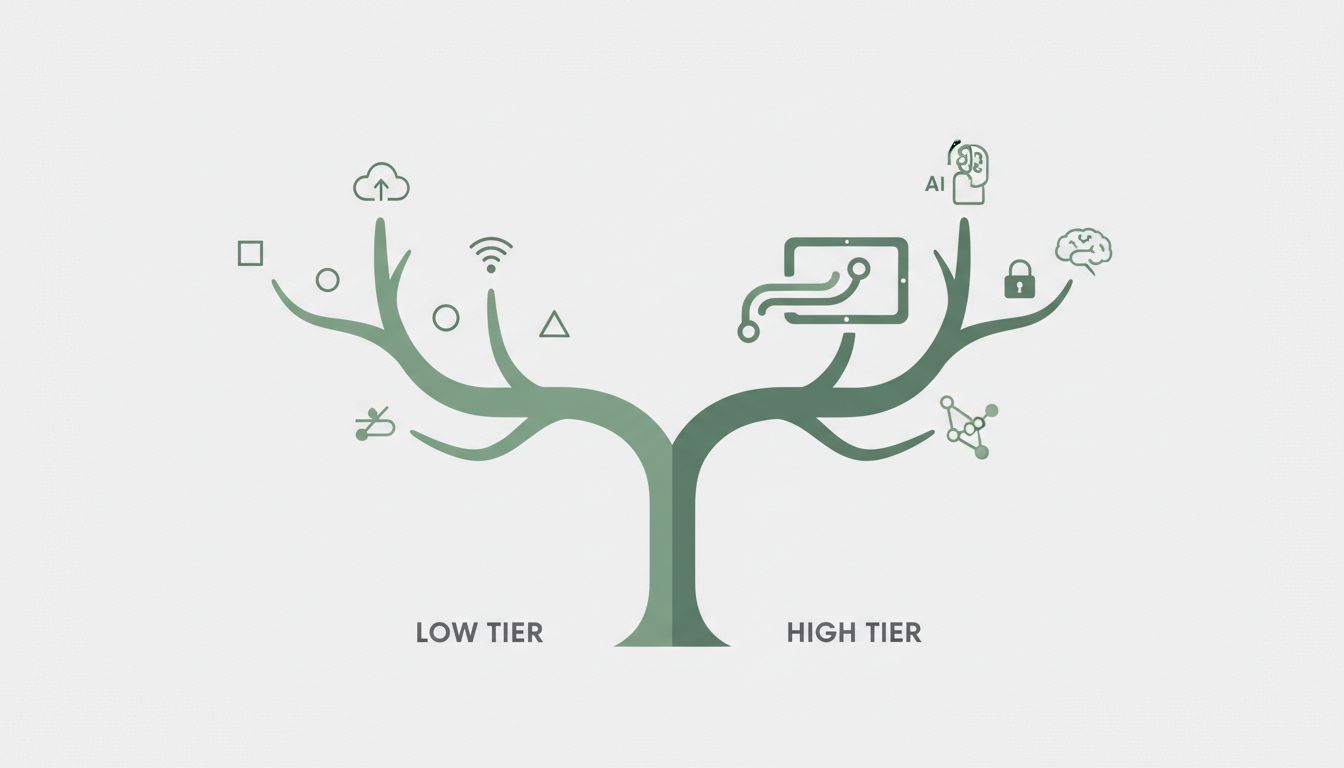
Spend time with a high-volume, low-price customer base and notice what they ask for. They want things that reduce friction for individual users: simpler UI, faster onboarding, more templates, better mobile apps. These are reasonable asks. They also happen to be expensive to build and nearly impossible to monetize at $9 a month.
Spend time with enterprise buyers and you get a different list entirely: SSO, audit logs, role-based permissions, custom SLAs, dedicated support. These features sound boring and often are, but they’re the features that close six-figure contracts and create switching costs that make churn a non-event.
The product that emerges from six months of listening to your customers is a direct output of who your pricing let in. If you set the price low and then wonder why your roadmap is full of features that don’t move revenue, you’ve identified the cause.
Basecamps’s decision to charge a flat fee rather than per-seat (and to do it at a premium) was a deliberate signal to a particular kind of customer. Their product philosophy, their feature set, their public stances on product bloat, all of it tracks back to who they priced for. That coherence is not an accident.
Pricing Tells Your Team What the Product Is
This is the piece that gets talked about least. Your price communicates internally, not just to customers.
If you’re selling at $10 a month, your engineering team implicitly understands that the product needs to run lean, that they should not build the thing that requires a dedicated implementation specialist, that scale comes from volume. If you’re at $10,000 a year, the calculus flips. Suddenly it makes sense to invest in a complex integration, to staff a solutions engineering function, to build the reporting layer that nobody would pay for at consumer prices.
The product decisions that seem like pure engineering or design choices, build versus buy, depth versus breadth, automation versus white-glove service, are all downstream of what a customer has agreed to pay. Price sets the constraint and the constraint shapes the product.
This is also why repositioning is so hard. When a company tries to move upmarket, they aren’t just changing a number on a pricing page. They’re trying to rewrite everything the price had already decided: the customer profile, the feature set, the internal culture, the support model. Most of them find out the hard way that you cannot charge enterprise prices against a product built for a $19 a month customer. Your first customers are frequently the wrong ones to scale with, and the price you charged them is part of why.
Getting It Right Before You Have All the Answers
None of this means you need a perfect pricing strategy on day one. What you need is intentionality. Pick a price with a clear picture of who you’re trying to select for, not who you think will be easiest to acquire.
Ask: what does this customer look like in two years? Do they have expansion budget? Do they refer other buyers? Do their feature requests compound into a product that commands higher prices, or do they fragment your roadmap across low-value edge cases?
Then price to attract that customer, not the one who will sign up fastest. You will get fewer initial customers. You will probably have a cleaner product, a more defensible position, and a team that understands what they’re building and why.
The pricing decision is never really about price. It’s about deciding what your product is for and who gets to decide that going forward. If you don’t make that decision explicitly, your early customers will make it for you, and they’ll make it based on what they paid.