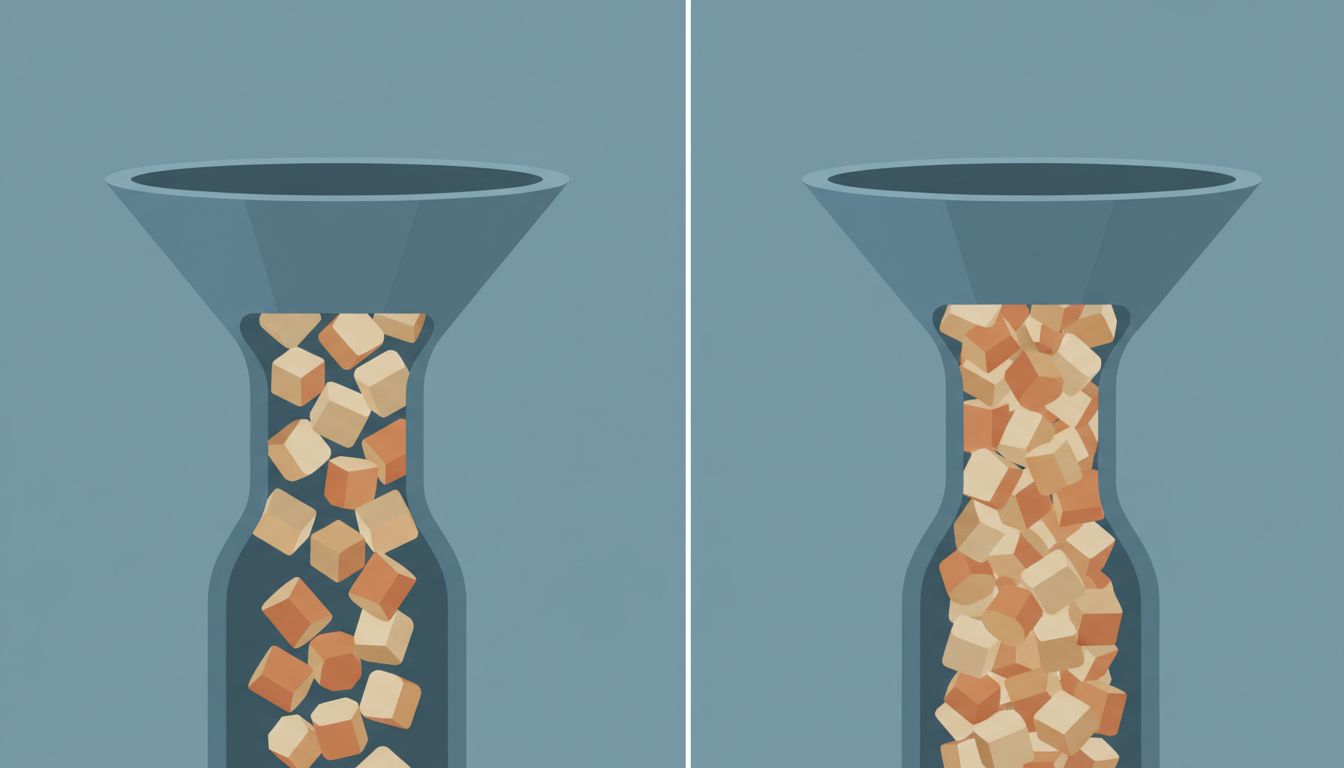
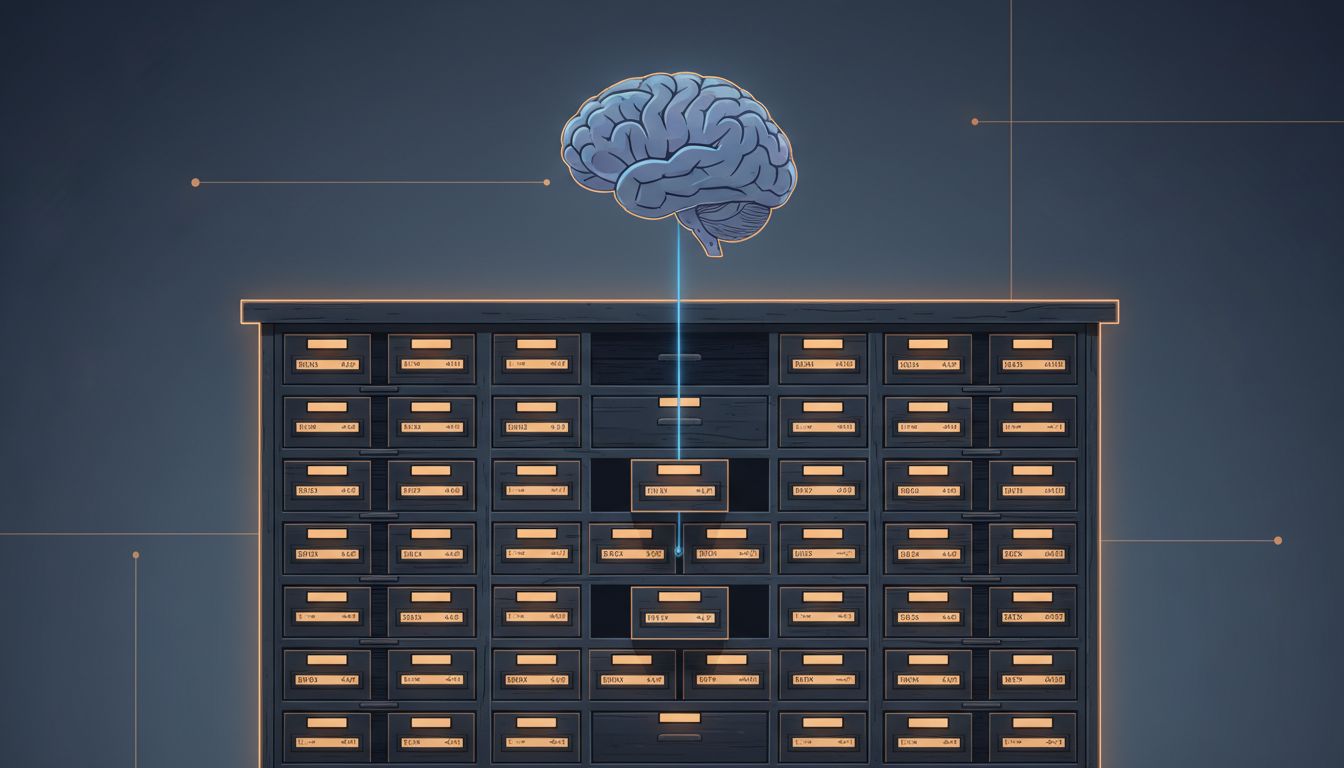
Tiago Forte’s Building a Second Brain sold hundreds of thousands of copies and spawned an entire ecosystem of tools, courses, and YouTube channels dedicated to capturing everything you encounter into an external system. The premise is appealing: your brain is for having ideas, not storing them. Offload the storage to Notion, Obsidian, Roam, or whatever tool you prefer, and free your cognitive overhead for creative work.
The problem is that this is not quite how memory works, and leaning too hard on the metaphor is quietly degrading the very cognitive capability you’re trying to augment.
Here’s a real scenario that illustrates why.
The Setup
A mid-sized software consultancy, the kind that runs several simultaneous client projects across a team of twenty-odd engineers and project managers, decided in early 2022 to get serious about knowledge management. They had real problems: engineers were re-solving the same problems across projects, tribal knowledge walked out the door when people left, and onboarding new team members took too long.
They invested in a shared Notion workspace. One of their senior project managers, a thoughtful person who had read Forte’s book and followed the community closely, led the initiative. They built a structure: a company wiki, project retrospectives, decision logs, a personal knowledge hub for each team member linked to the central system. Tags, templates, linked databases. It was genuinely well-built.
Six months later, the PM noticed something uncomfortable. Team members were struggling to brief clients without referring to their notes. Engineers were searching the Notion workspace for context on their own projects. In retrospective meetings, people couldn’t recall what decisions had been made or why, even on projects they had worked on for months. The information existed. Nobody could remember it.
What Happened
Cognitive scientists have a term for this: the generation effect. Information you actively recall or reconstruct from memory sticks significantly better than information you passively review. When you take notes with the intention of looking them up later, you are optimizing for retrieval from the system rather than retrieval from your own mind. Over time, your brain learns that it doesn’t need to do the work of encoding things deeply because the file is right there.
This is not speculation. Research by Betsy Sparrow at Columbia, published in Science in 2011, found that when people expected to have future access to information, they showed worse memory for the information itself but better memory for where to find it. She called it the Google Effect. The more sophisticated your external storage system, the more pronounced this trade-off becomes.
The consultancy’s Notion system was excellent external storage. It was also training the team to treat their own heads as a cache that could always be refreshed on demand. The cache kept getting smaller.
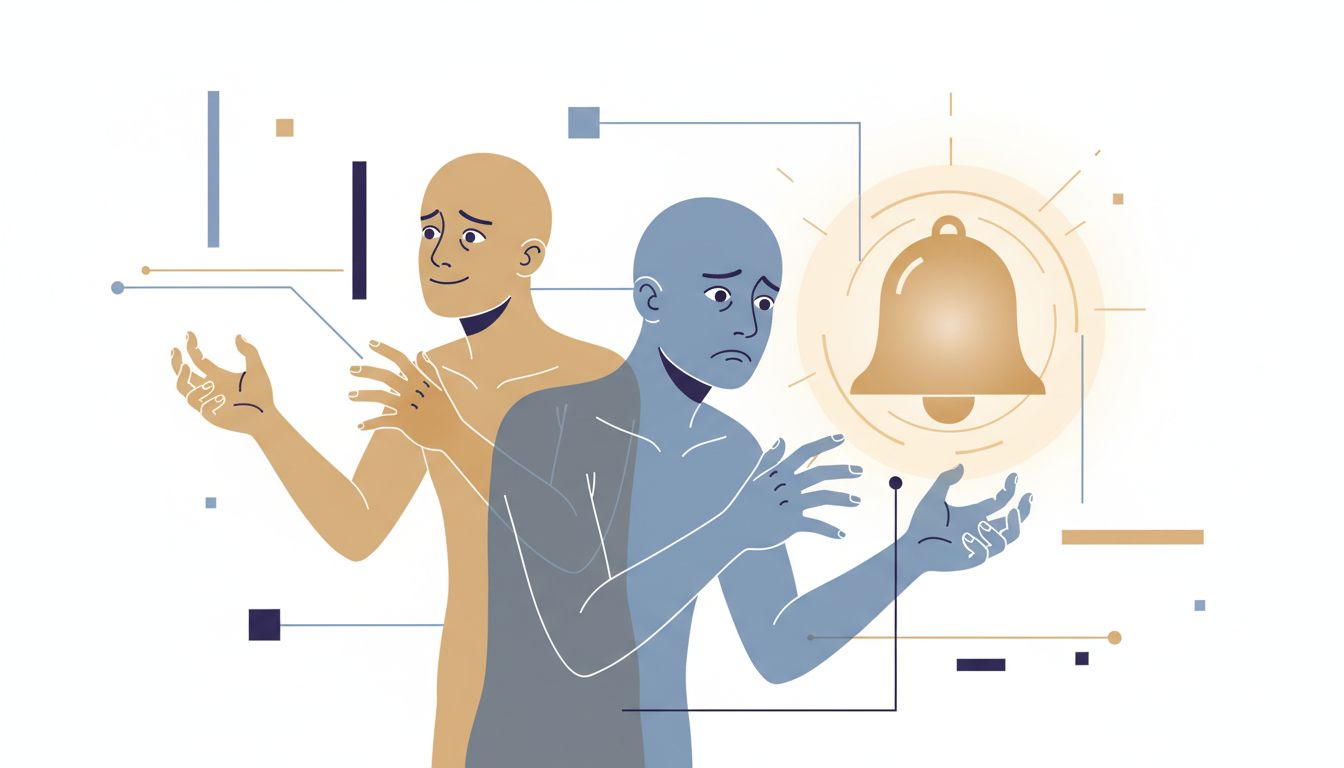
There was a second problem layered on top. The act of capturing something into a second brain system creates a feeling of completion. Psychologists call this a completion illusion: the action of saving feels like the action of learning. You paste an article into your vault, tag it thoughtfully, and move on. The information is “in the system.” But you haven’t processed it, argued with it, connected it to anything you already know, or used it. It’s inert. Most second brain vaults are, if you’re honest about them, graveyards of things you meant to think about.
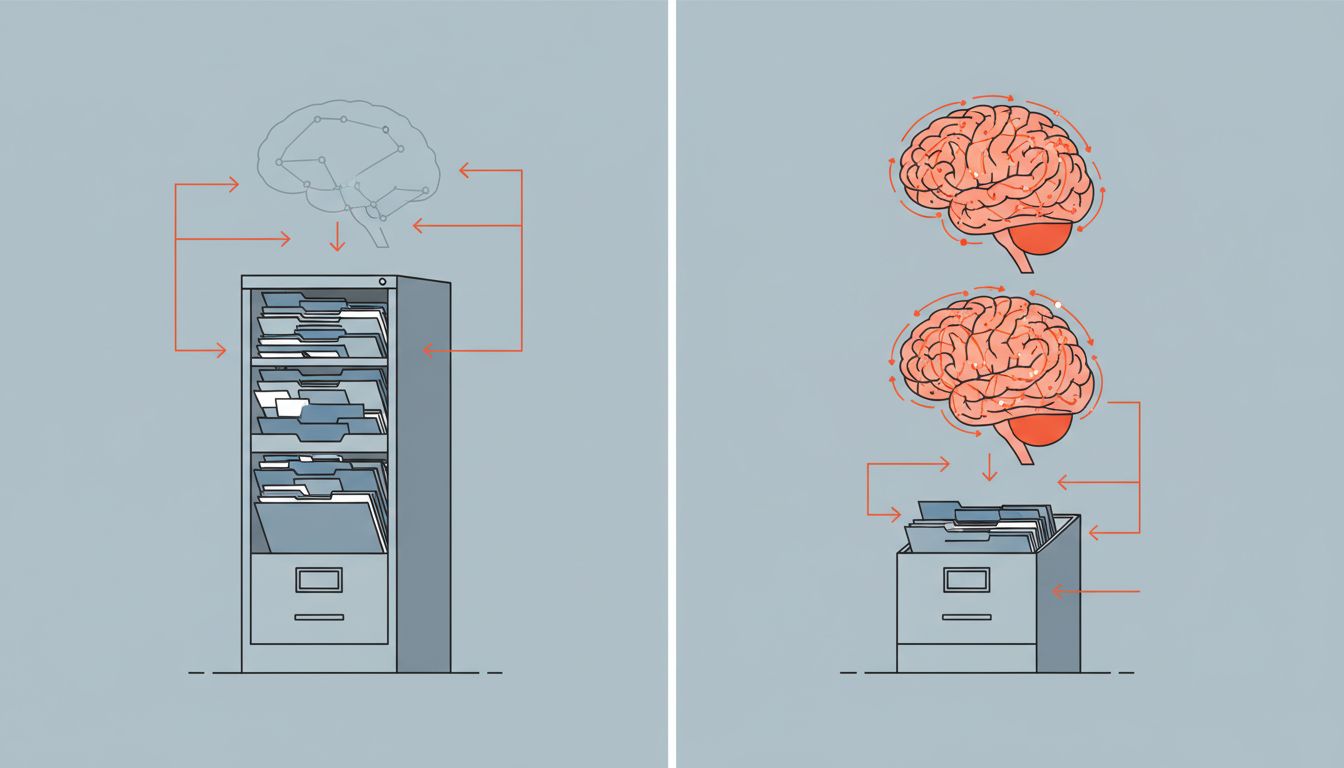
The PM at the consultancy recognized this when she audited their Notion workspace and found that a large fraction of captured material had never been opened after the initial save. The team was busy capturing. Nobody was thinking.
Why It Matters
The productivity tool industry has a structural incentive to solve problems in ways that require more tooling. Notion is not malicious, Obsidian is not malicious, and Forte’s framework is not stupid. But every one of these systems is designed to make capturing and organizing feel productive, because that’s what keeps users engaged. The measure of a second brain system’s success has never been whether you remember things better. It’s whether you feel organized.
Those are very different goals.
Deep knowledge, the kind that lets you make judgment calls quickly, brief a client without notes, spot a pattern across projects, or generate a genuinely novel idea, comes from memory that has been repeatedly retrieved, recombined, and applied. It comes from a brain that has done real work. A well-tagged Notion database doesn’t give you that. It gives you the sensation of having done the work.
This connects to a broader pattern worth noticing. The smarter autocomplete gets, the worse you write because it removes the productive struggle that builds skill. Second brain systems can do the same thing to memory.
What We Can Learn
The consultancy didn’t scrap their Notion system. They changed how they used it. The senior PM restructured the team’s relationship with captured information around three shifts, and they’re worth stealing.
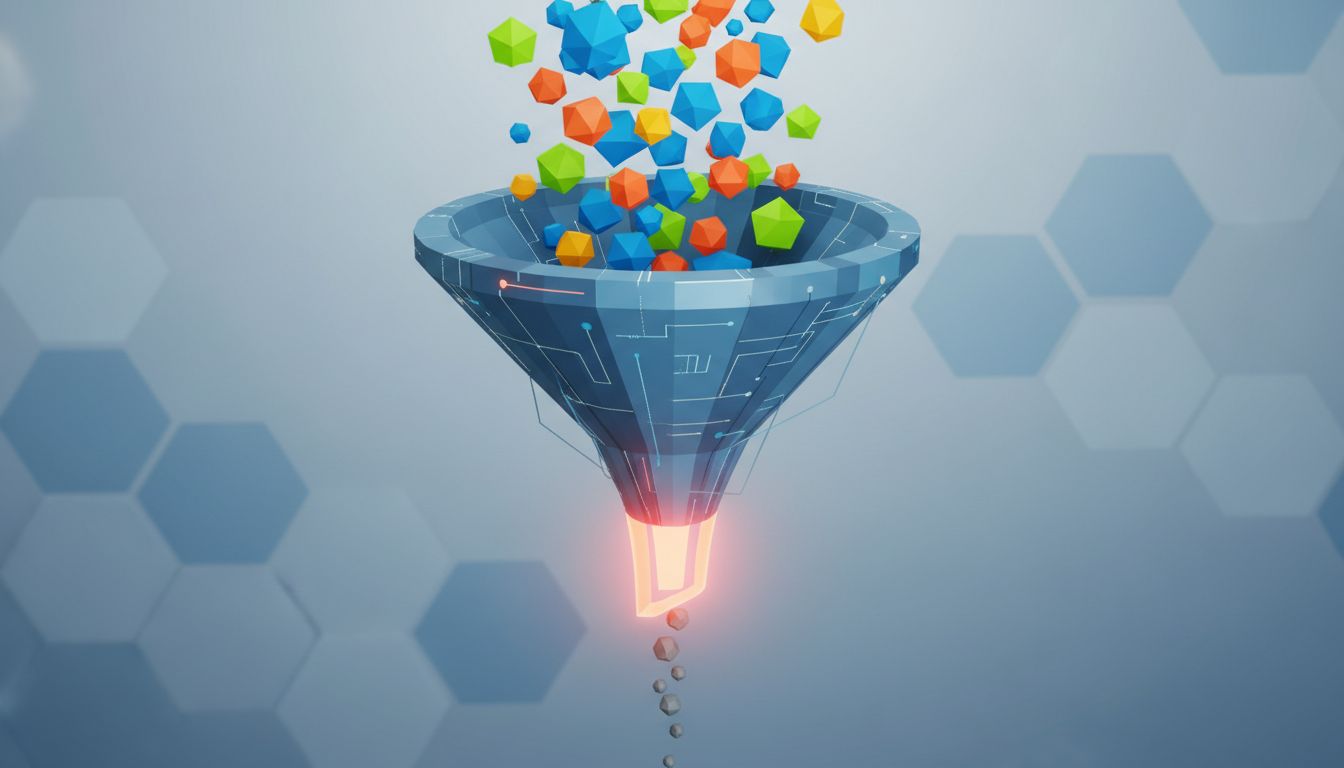
Capture less, process what you capture. They introduced a rule: nothing stays in the inbox longer than a week. If you captured it and didn’t do something with it (wrote a short summary in your own words, connected it to an existing project note, shared it with someone), it got deleted. Capture volume dropped sharply. The things that stayed were things people had actually thought about.
Use retrieval, not review, as the test of learning. Before looking something up in the system, team members were encouraged to write down what they remembered first, then check. This sounds slow. It’s actually faster, because what you retrieve without the crutch is what you genuinely know. The gap between your recall and the record is exactly where learning needs to happen.
Don’t externalise things you need to carry. Some information belongs in your head because you’ll need it in contexts where you can’t look it up: client meetings, whiteboard sessions, quick calls. The PM created a simple personal rule, shared with the team: if you’ll need it when you’re talking to someone, don’t just put it in Notion. Put it in your head first.
The framing shift that mattered most was treating the external system as a backup for things already encoded in memory, not as a primary store that the brain can query when needed. Your second brain should be downstream of your first one, not upstream.
Knowledge management tools are genuinely useful for teams. The consultancy’s structured retrospectives and decision logs are valuable for onboarding and continuity. But you should be skeptical of any system that makes you feel more productive without making you more capable. The goal isn’t an impressive vault. The goal is a sharper mind.
Capture less. Retrieve more. Think before you search.