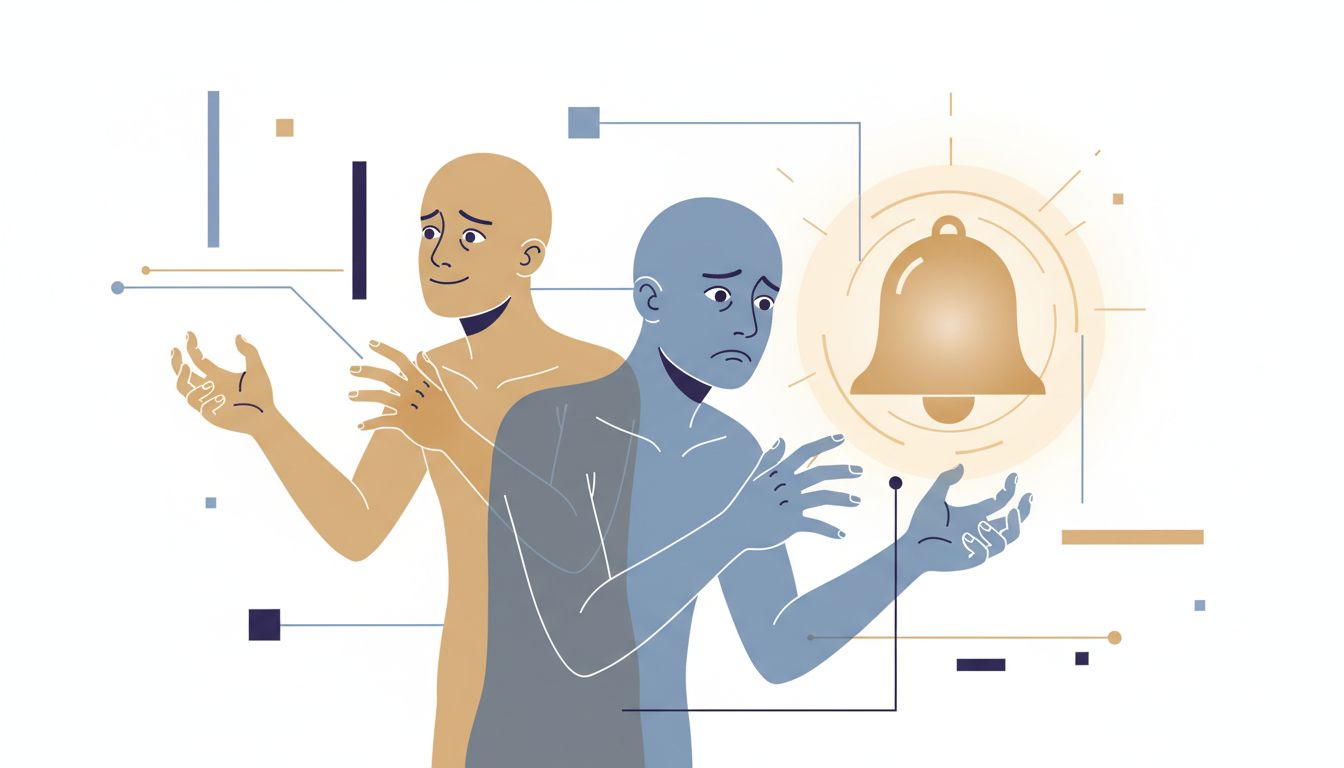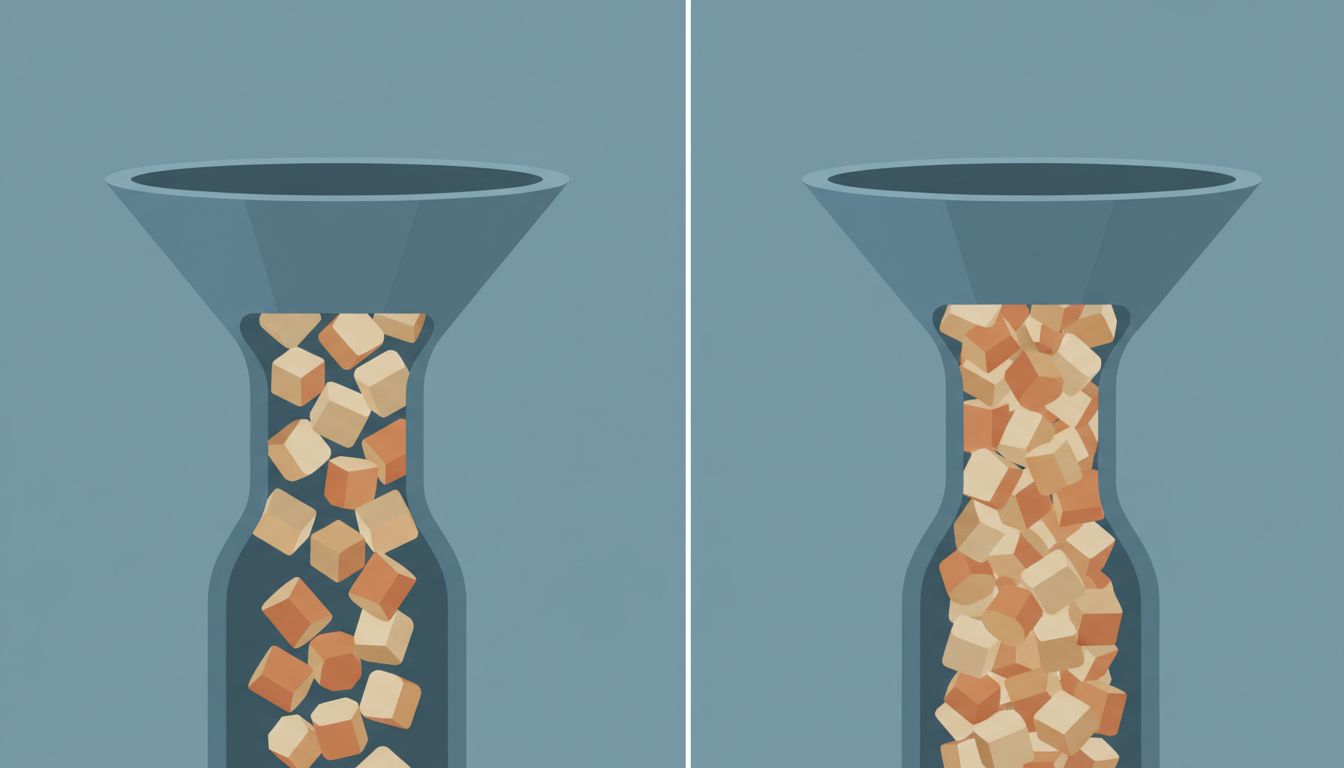

The calendar full of back-to-back meetings looks like a productive person’s calendar. It isn’t. It’s the calendar of someone who has optimized for being present rather than being useful. Your most important work, the thinking that actually moves things forward, almost certainly happened in a gap between meetings. And you’re probably scheduling those gaps away.
This isn’t a complaint about meetings in general. Some meetings are genuinely necessary. The argument here is narrower and more specific: the cognitive work that produces real value requires uninterrupted time, and that time doesn’t happen by accident. You have to protect it. Most people don’t.
Deep work doesn’t fit in 25-minute blocks
When Cal Newport popularized the phrase “deep work,” he was describing something most knowledge workers already knew intuitively: the tasks that require sustained concentration produce disproportionate output. Writing a strong proposal, designing a system architecture, debugging a subtle problem, actually thinking through a strategy rather than just presenting one. These tasks don’t happen in the margins of a meeting-heavy day.
Research on cognitive task-switching consistently shows that returning to a complex task after an interruption takes meaningful time, often longer than people expect. You’re not just pausing and resuming. You’re rebuilding a mental model. A day with six meetings doesn’t give you the remaining hours as productive time. It gives you six recovery periods and a general sense of exhaustion.
The work you did that you’re genuinely proud of, think back to it. There’s a good chance it happened during a stretch of time when no one could reach you. A flight. A quiet Saturday morning. A week when your manager was traveling. That’s not a coincidence.

Presence bias makes busyness look like productivity
Organizations systematically reward visible busyness. If you’re in meetings, you’re clearly working. If you’re sitting quietly at your desk or working from home with your status set to available, it’s less obvious. This creates a perverse incentive: fill the calendar to demonstrate effort, then wonder why nothing important gets done.
Managers aren’t immune to this. Many schedule check-ins not because they’re necessary but because empty calendar space feels like lost oversight. The result is a team that’s always reachable and rarely in flow. You can see this play out in how the meetings you cancel often do more work than the ones you attend — the problem isn’t just that meetings consume time, it’s that the cancellation itself forces independent thinking.
Presence bias is hard to fight because it’s partly social. Saying “I do my best work alone and uninterrupted” sounds antisocial in a collaborative culture. But it’s almost always true.
Gaps are where integration happens
There’s a specific kind of intellectual work that only happens in quiet: synthesis. Taking three separate conversations, two documents, and a half-formed intuition and turning them into a coherent position. This doesn’t happen in meetings because meetings are too fast and too social. Everyone is performing slightly, managing impressions, responding to others. There’s no space to sit with an idea long enough to turn it over.
The gaps between meetings, even short ones, are where your brain catches up. You process what was said, notice the tension between two things you heard, and start forming a view. Eliminate the gaps entirely and you arrive at the end of the day having reacted to everything and thought about nothing.
This is why protecting your best work hour matters so much. It’s not just about energy levels. It’s about having any space at all for the kind of thinking that doesn’t fit into structured conversation.
The counterargument
Some people will push back here and say that for certain roles, meetings are the work. A chief of staff, a program manager coordinating across teams, a founder doing early sales. These roles are genuinely meeting-intensive, and the argument isn’t that they should all become monks with empty calendars.
But even in these roles, the most valuable outputs require solo thinking time. The chief of staff who synthesizes everything into a clear briefing document. The program manager who spots a dependency risk before it becomes a crisis. The founder who figures out what the customer actually needs versus what they said they wanted. None of that happens in a meeting. The meetings are inputs. The thinking is what you do with them.
The counterargument proves the point: even meeting-heavy roles produce their value in the gaps.
Start treating gap time like a commitment
The practical implication is straightforward. Block time on your calendar the same way you block meetings. Label it something that signals real work, not “focus time” (which feels skippable) but the actual name of the project or problem. Treat an incursion on that block the same way you’d treat a double-booking.
Audit last week’s calendar and ask honestly: when did you do work you’d want to show someone? Map it against your schedule. You’ll almost certainly find it happened outside meetings, probably in a gap that survived by accident.
Your calendar tells a story about where you think value comes from. Make sure it’s the right story.