The most dangerous number in software engineering is 87%. Or 92%. Or whatever coverage percentage your CI pipeline celebrates in green. High test coverage feels like safety. It is, in many cases, an elaborate way of confirming that your code does exactly what you already believed it did.
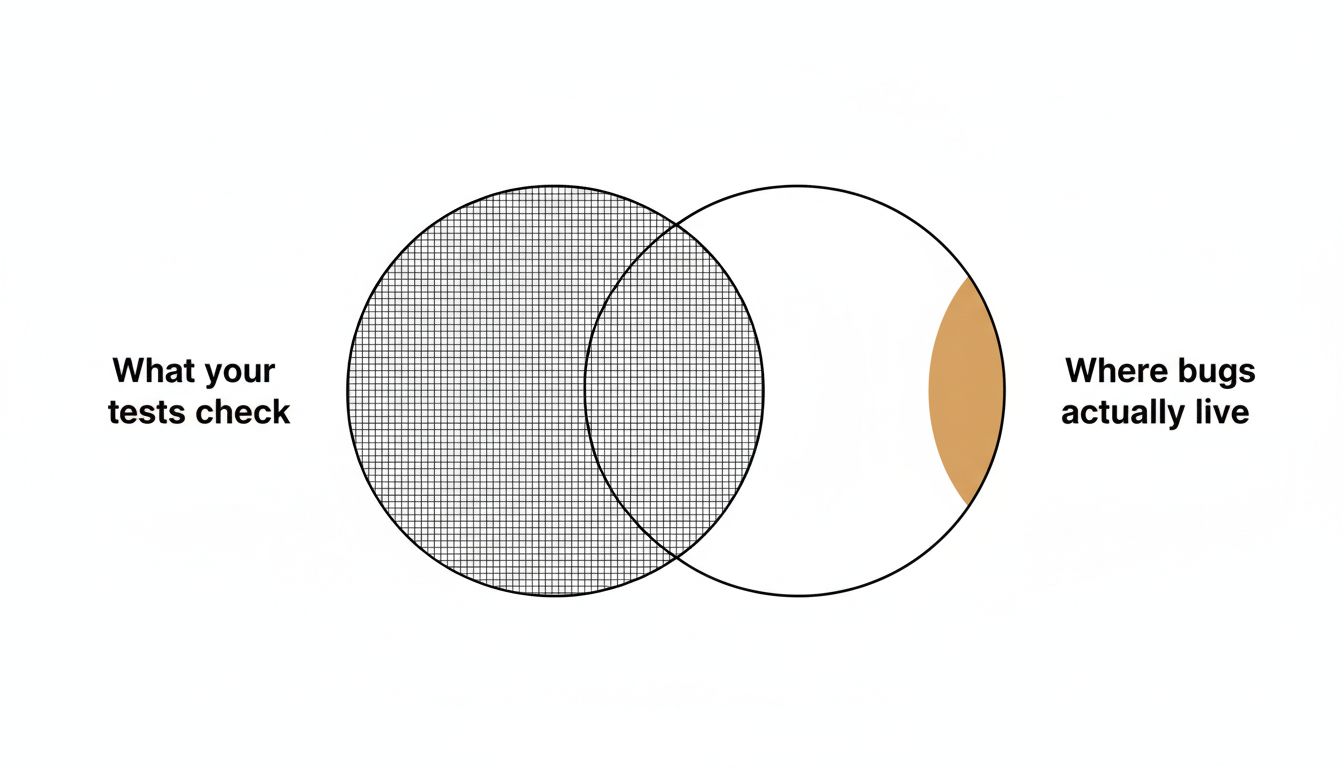
The bugs that cause outages, corrupt data, and quietly destroy user trust are not hiding in uncovered lines. They are hiding in the assumptions your tests were written to validate.
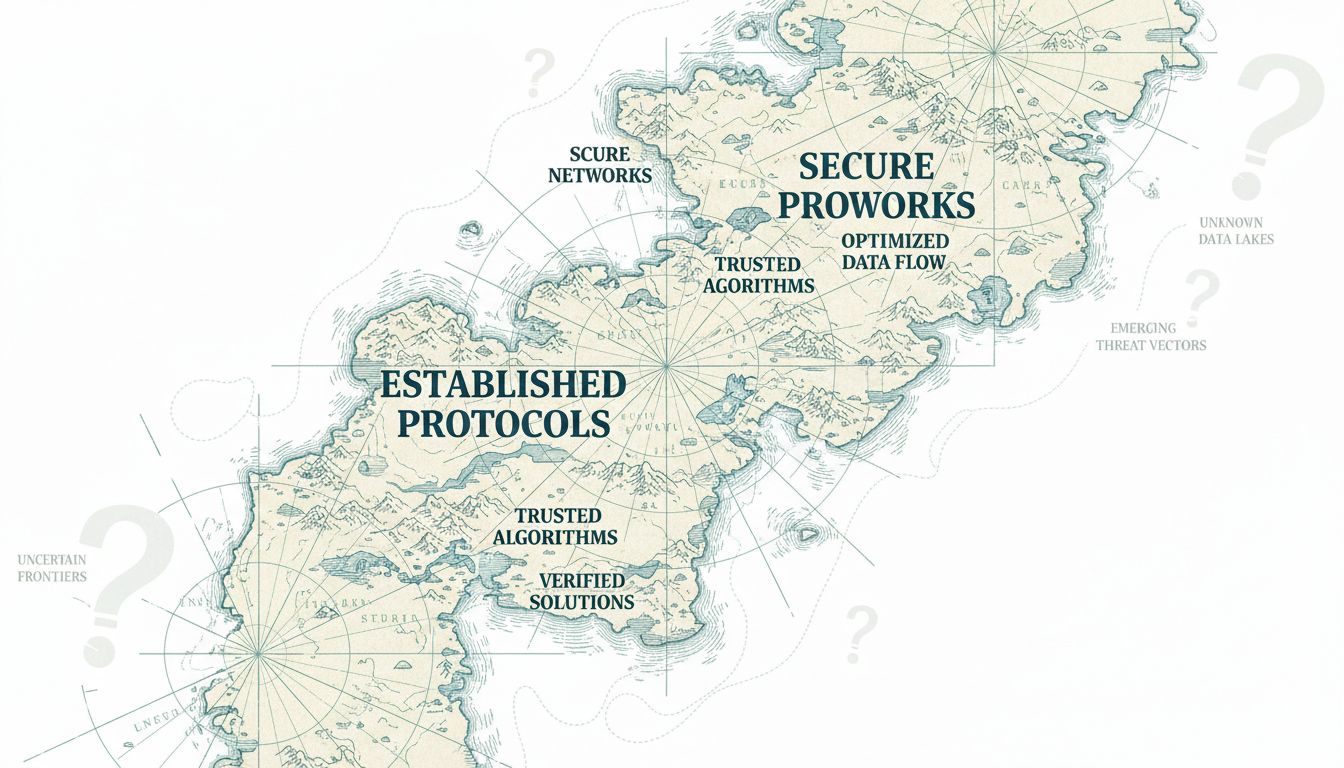
Tests Are a Map You Drew Yourself
When a developer writes a unit test, they are codifying their mental model of how the code should behave. The test passes when the code matches that model. The problem is that bugs, by definition, live where your mental model is wrong. You cannot write a test for a failure mode you haven’t imagined.
This is not a hypothetical. The Knight Capital incident in 2012 is the canonical example: a software deployment error caused the firm to lose $440 million in 45 minutes. The system behaved exactly as its components were designed to behave. No individual unit was broken. The failure was architectural and emergent, the kind that unit tests and even integration tests are structurally blind to, because nobody sat down and wrote a test that said “what happens if a legacy code path activates simultaneously with the new one in production?”
Testing proves presence, not absence. A passing test suite proves your code matches your expectations. It says nothing about whether your expectations were correct.
Coverage Metrics Reward the Wrong Behavior
Code coverage, as a metric, incentivizes teams to write tests that exercise lines rather than tests that probe behavior under stress. The fastest way to raise coverage is to write shallow tests that call functions without asserting meaningful outcomes. Many teams do exactly this, consciously or not, because coverage is the number someone put on a dashboard.
The result is a suite that runs in four minutes, shows 91% coverage, and completely misses what happens when your payment processor returns a timeout after debiting the account but before confirming the transaction. That scenario involves no exotic code paths. It involves timing, external state, and a sequence of events that nobody wrote a test for because it’s uncomfortable to think about.
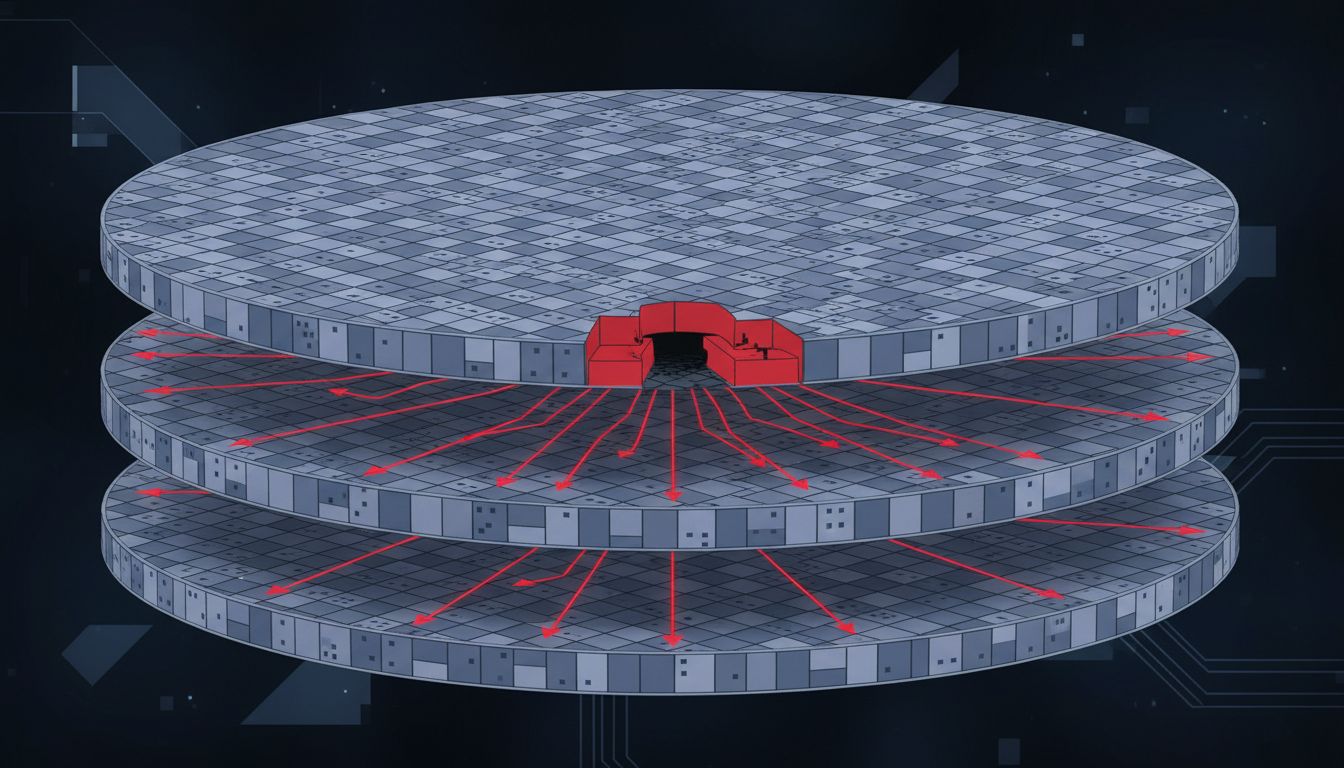
Concurrency bugs follow this same pattern: they don’t produce obvious failures. They produce corrupted state that manifests hours or days later, in a context so far removed from the original cause that post-mortems take weeks.
The Gap Between Test Environment and Production
Test environments are, by design, simplified. They run on a single machine or a small cluster. They use mocked external services. They process one request at a time, or a few dozen. They do not replicate the load patterns, the partial failures, the malformed data from third-party APIs, or the cascading timeouts that characterize production traffic.
This gap is where the quiet bugs live. A function that works correctly when called once, in sequence, with valid input can behave entirely differently when called concurrently, with a stale cache entry, on a Tuesday afternoon when traffic spikes 40% above baseline.
Facebook’s 2021 outage was caused by a configuration change that its testing infrastructure had no reason to anticipate, because the failure mode required the production network topology to behave in a specific way under load. The tests all passed. The monitors all passed. Then the BGP routes withdrew and six hours of global outage followed.
The bug you can’t reproduce is usually the worst one for exactly this reason: if your environment doesn’t replicate production conditions, you won’t reproduce it there.
The Counterargument
The reasonable pushback here is that more testing is still better than less, and that the answer is to write better tests rather than to distrust testing as a practice. Both points are correct as far as they go.
But they sidestep the structural issue. Better tests help, but the mental model problem is not solved by writing more tests from the same mental model. Chaos engineering, fault injection, property-based testing with randomized inputs, and adversarial review by engineers who didn’t write the code, these approaches directly attack the assumption problem rather than deepening the existing coverage.
The argument is not that testing is useless. The argument is that treating a green test suite as meaningful safety assurance is a form of institutional self-deception. The suite proves the happy path works. It often proves little else.
What Actually Creates Safety
Production observability catches what tests miss. If you can see anomalies in error rates, latency distributions, and data consistency in real time, you catch failure modes that no test anticipated. Feature flags and canary deployments let you limit blast radius when those unanticipated failures appear. Chaos engineering, popularized by Netflix’s Simian Army work, deliberately introduces failure into production systems to find gaps before they find you.
None of this means stop writing tests. It means stop treating the test suite as a safety net and start treating it as one narrow instrument in a larger measurement system. The quietest bugs are not in your uncovered lines. They are in the questions you didn’t think to ask.