The Second Brain Metaphor Is Failing Your Notes
Somewhere between the Roam Research hype cycle and the Obsidian plugin rabbit hole, note-taking stopped being about thinking and became about architecture. People spend weekends designing folder hierarchies, tagging ontologies, and bidirectional link graphs. The notes themselves, when they exist at all, are thin.
The metaphor driving this is the “second brain,” popularized most visibly by Tiago Forte’s Building a Second Brain. It’s a genuinely useful reframe in one sense: it pushes back against the idea that your head is the only place knowledge should live. Externalizing information reduces cognitive load. That part is real and worth taking seriously.
But a metaphor shapes behavior in ways its author doesn’t always intend. And the second brain metaphor, in practice, is pushing people in exactly the wrong direction.
What the Metaphor Actually Tells You to Do
Brains store things. They retrieve things. They’re repositories. When you call your note system a second brain, you’re implicitly framing the goal as storage and retrieval: capture everything, organize it well, find it when you need it.
This sounds reasonable. It isn’t, for most knowledge workers.
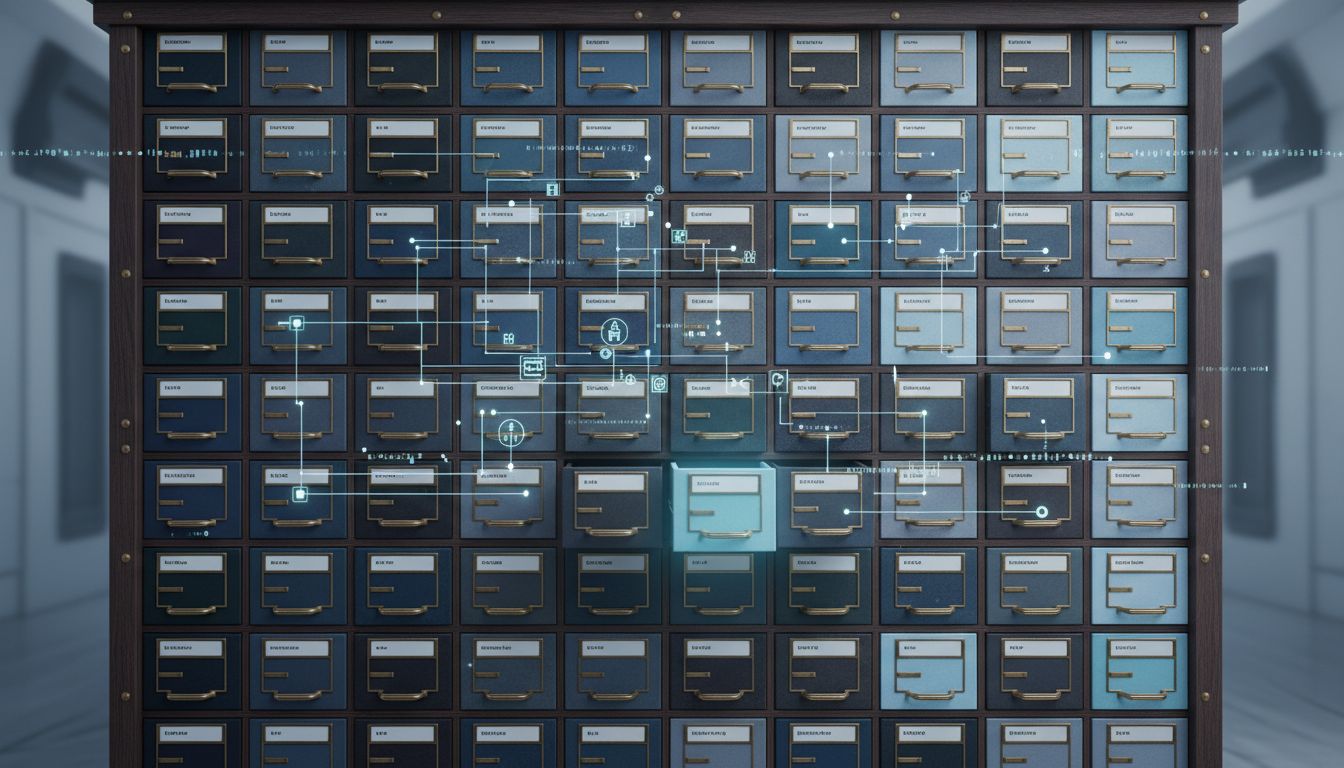
The problem is that brains also process. They don’t just hold information; they transform it, connect it to other things, push back on it, and generate something new. The second brain metaphor quietly drops this half. Your notes become a filing cabinet dressed up in neural language.
What you actually need from a note system isn’t perfect storage. You need a place to think out loud, work through problems, and develop positions you couldn’t have held before you started writing. Those are different activities, and they require a different orientation toward your tools.
The Collection Trap
The second brain framing makes collection feel like progress. You clip an article, highlight a passage, add it to your Readwise queue, watch it sync to Obsidian, tag it with three relevant concepts. You’ve done something. Except you haven’t thought about the article at all.
This isn’t unique to digital notes. Researchers have documented what’s sometimes called the “collection bias”: the act of saving information gives you a small feeling of accomplishment that substitutes for actually engaging with the information. Saving a recipe feels a little like cooking it.
Digital tools have made this dramatically worse because the friction of collection dropped to nearly zero. You can clip, tag, and file in seconds. The second brain metaphor then tells you this activity is building something, which makes it even easier to confuse motion with progress.
If you look honestly at your note system right now, ask yourself: what percentage of what’s in there have you returned to, developed further, or used to produce something? For most people the answer is uncomfortable. The notes sit there, beautifully organized, quietly doing nothing.
Why Organization Feels So Good (and Helps So Little)
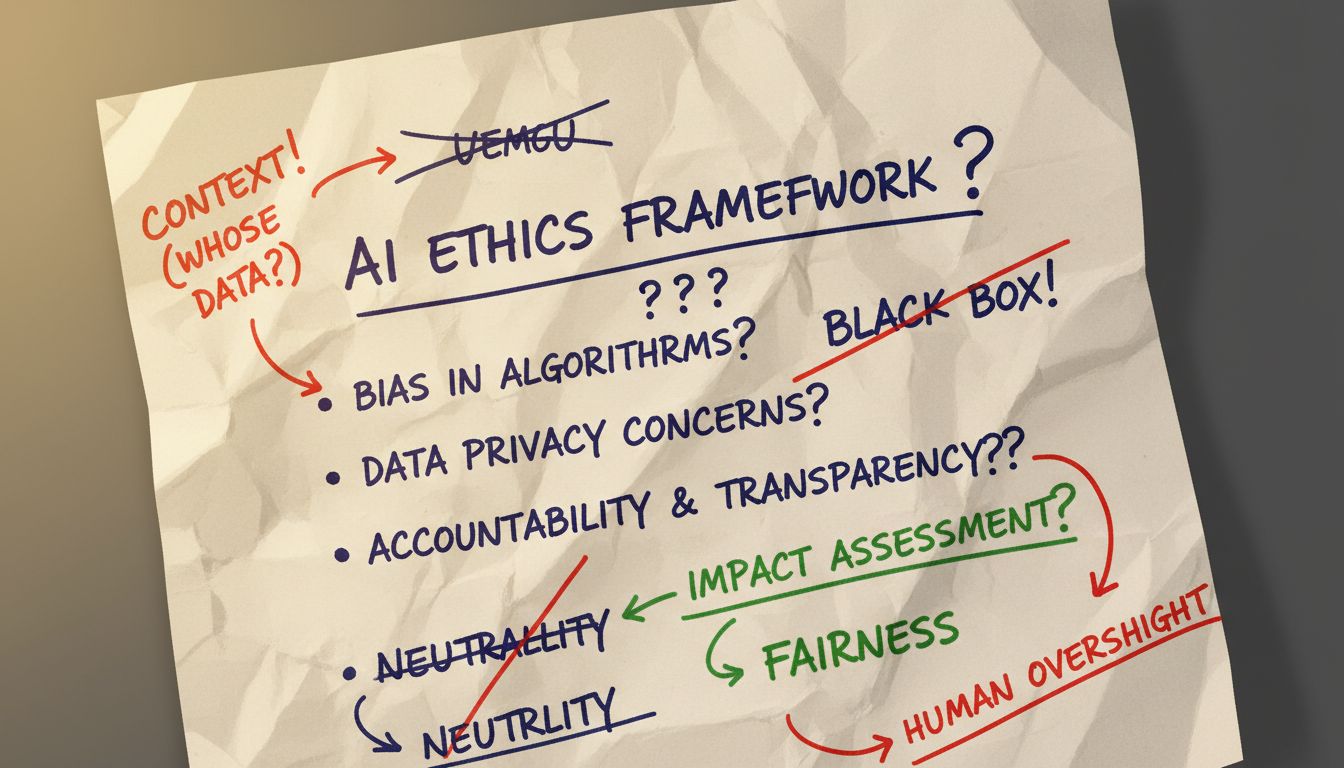
Organizing a note system triggers a feeling of control. The folders are tidy. The tags are consistent. You can find things. It resembles the satisfaction of cleaning your desk, and it’s almost as unrelated to doing actual work.
For people who spend a lot of time in complex information environments, this is a particular failure mode. You’re capable of building sophisticated organizational systems. So you do. And then the sophistication of the system becomes its own justification. You’re not just taking notes anymore; you’re maintaining the system.
There’s a version of this in software development, where deleting dead code is harder than writing new code because people have emotional investment in what they built. The same thing happens with elaborate note taxonomies. Nobody wants to flatten the hierarchy they spent three hours designing.
The honest truth is that most people’s retrieval needs are much simpler than their organization implies. Search works. A flat list with dates works. The elaborate structure often solves a retrieval problem that doesn’t actually exist, while doing nothing about the real problem: the notes aren’t worth retrieving.
What Good Notes Actually Look Like
Good notes are messy. They contain half-formed ideas, questions you haven’t answered, positions you’re not sure you hold. They push back on things you’ve read. They have contradictions that you haven’t resolved yet.
This is what thinking looks like on paper. It’s not clean, and it doesn’t file well.
The most useful notes I’ve seen (and the research on this is consistent, from Niklas Luhmann’s zettelkasten through more recent work on learning science) are notes that add something. Not just “here’s what this article said” but “here’s what this article said and here’s why I think it’s missing X” or “this connects to that thing I was thinking about last week in a way that suggests Y.”
This is harder than clipping. It requires you to have a thought, not just encounter information. That’s exactly why the second brain metaphor steers people away from it. Brains store; they don’t visibly generate. The metaphor doesn’t give you language for the generative part.
If your notes don’t occasionally surprise you when you reread them, they’re not doing much. If you reread an old note and it just says what you knew it would say, it was filing, not thinking.
A More Useful Frame: Notes as Conversation
Try thinking of your note system as a conversation with your past and future self, rather than a storage system. This changes what you write and how you write it.
In a conversation, you don’t just report. You respond. You push back. You ask questions. You admit when you’re uncertain. You bring up things the other person said that seem relevant now.
Concretely, this means a few things:
Write in full sentences more than you think you should. Bullet points are fast to write and nearly useless to return to. A fragmented thought captured in three words is not a thought you can develop six months later. The friction of writing a sentence is where the thinking happens.
Date everything and never reorganize. Seriously. Let the notes accumulate chronologically. Search for things when you need them. The time you’d spend maintaining an organizational system is better spent writing one more useful note.
Argue with your sources. When you read something and take a note, the note should contain at least one point of friction: a question, a doubt, an extension, a counterexample. If you agree completely and just summarize, you’ve done transcription.
Write notes for a reader who doesn’t have context. Even if that reader is just future you. This forces you to make the thought explicit rather than assuming you’ll remember what you meant.
What to Do with the System You Already Have
You probably have a note system right now that has more in it than you’ve processed. You don’t need to delete it or start over. But you should stop feeding it passively.
For the next two weeks, try this: close the clipper. Don’t add anything to your system that you haven’t written a response to. If you read something worth noting, write two sentences in your own words that include at least one point of friction with the source. Then file it however you want. The point isn’t the organization; it’s making the two sentences happen.
You’ll probably add fewer notes. That’s the goal. Knowledge workers lose hours every day to activity that feels like work but doesn’t produce anything. Indiscriminate note collection is a clean example of that pattern.
If after two weeks your system feels emptier but more useful, you’ve found the right orientation. If it feels worse, you can always go back to collecting everything. But I’d bet on the former.
What This Means
The second brain metaphor made note-taking feel like infrastructure. Build it right and knowledge flows through it effortlessly. That’s seductive, and it’s mostly wrong.
Note-taking is thinking practice. The value isn’t in what you store; it’s in what you produce by writing. The system that supports this doesn’t need to be sophisticated. It needs to lower the friction of writing a real thought, not the friction of clipping someone else’s.
Stop building the library. Start writing in the margins.