Digital Productivity
You Trained Yourself to Need Interruption Every 8 Minutes
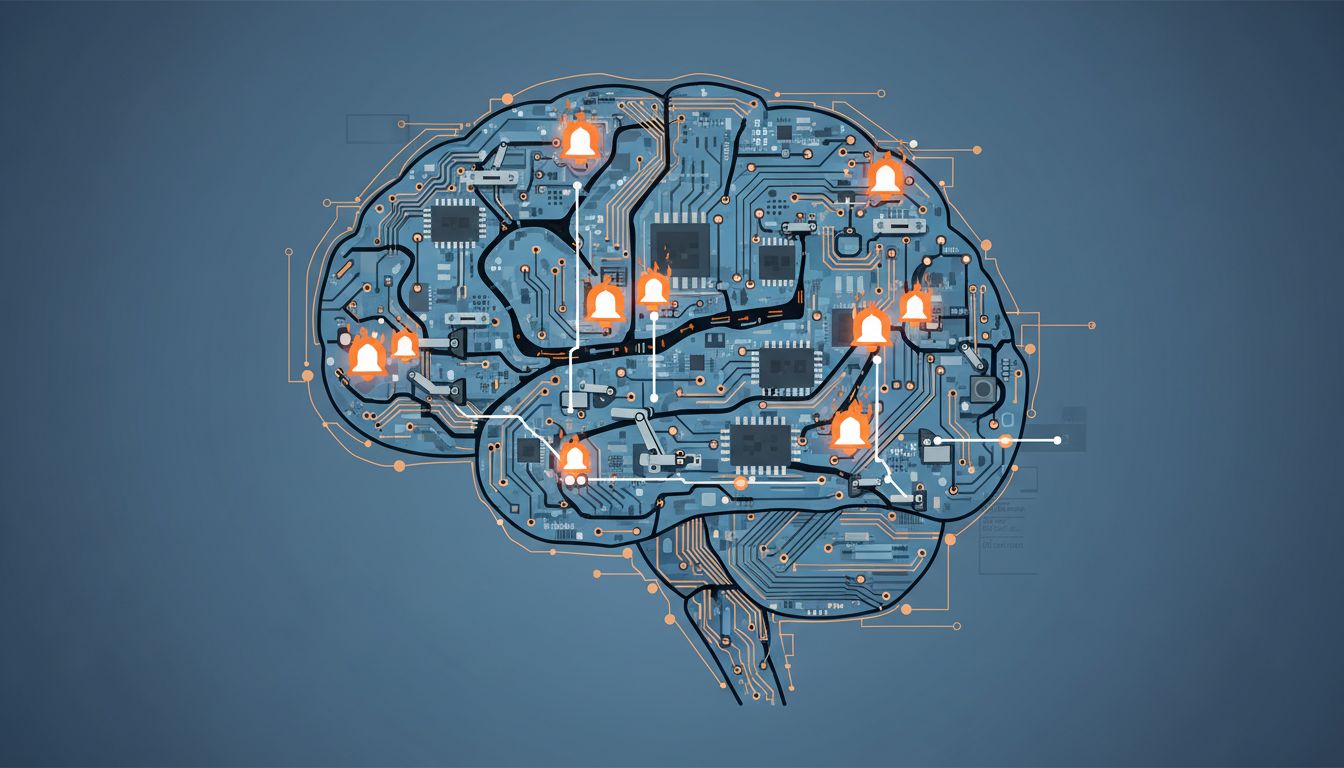
The always-on notification culture isn't something that happened to knowledge workers. It's something they built, one Slack ping at a time.
Tools, workflows, and strategies for getting more done with technology.
The always-on notification culture isn't something that happened to knowledge workers. It's something they built, one Slack ping at a time.
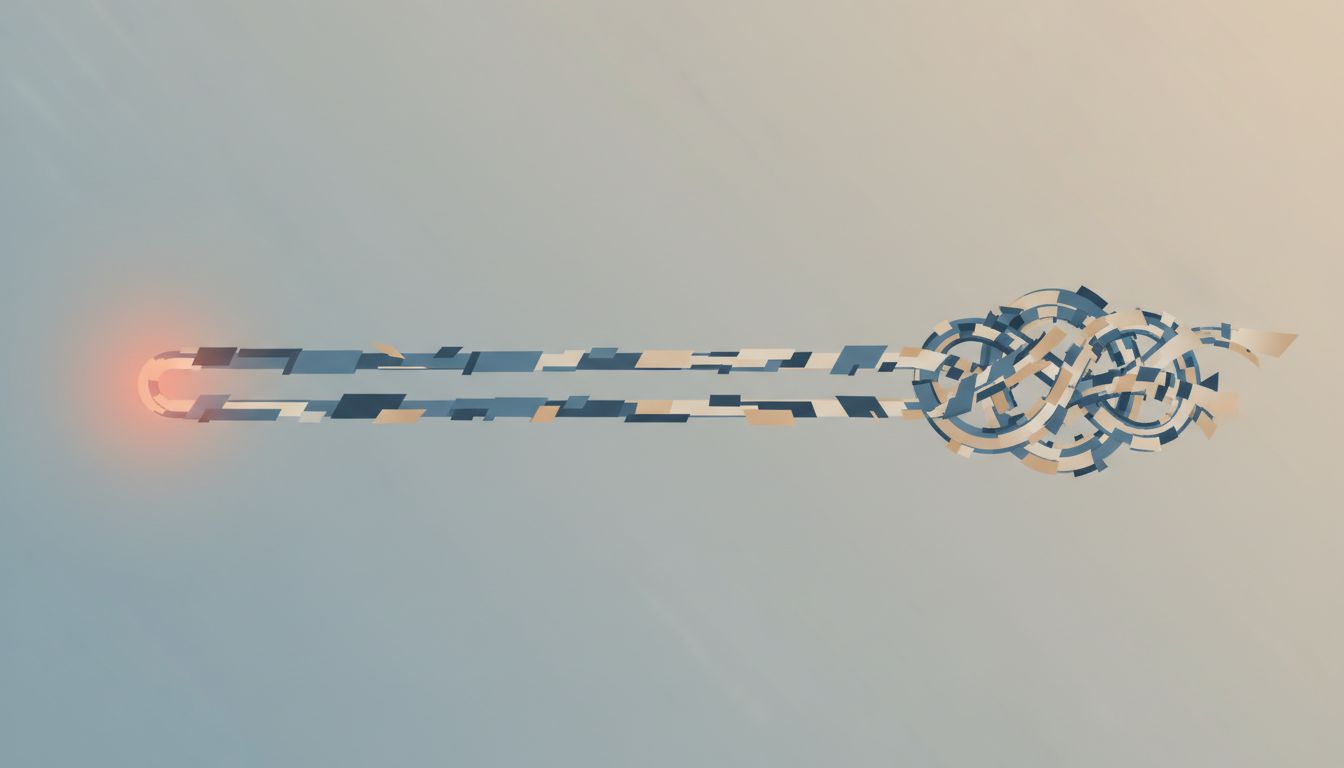
A close look at how one engineering team's shift to async-first communication didn't reduce coordination overhead. It just made it invisible until it wasn't.
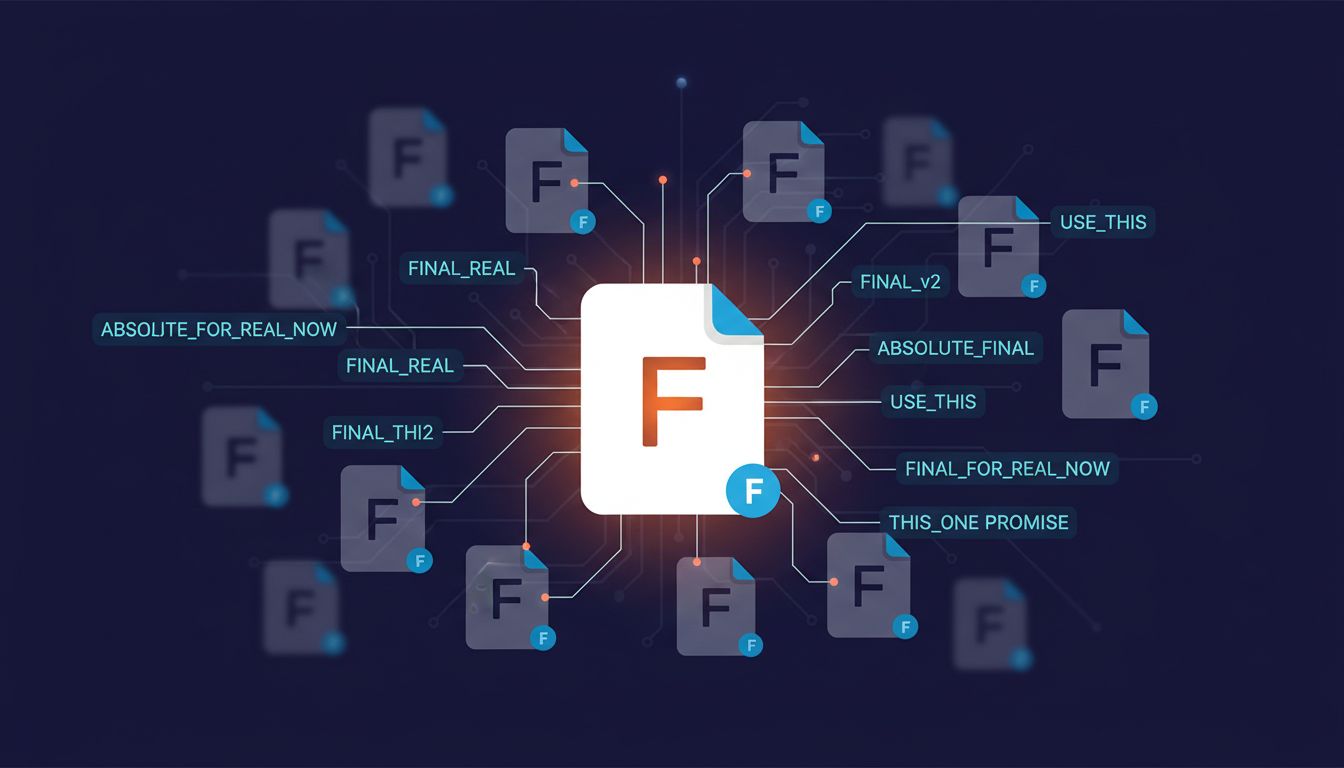
The way you name and organize files isn't a productivity habit. It's a window into how you model information, time, and other people's needs.
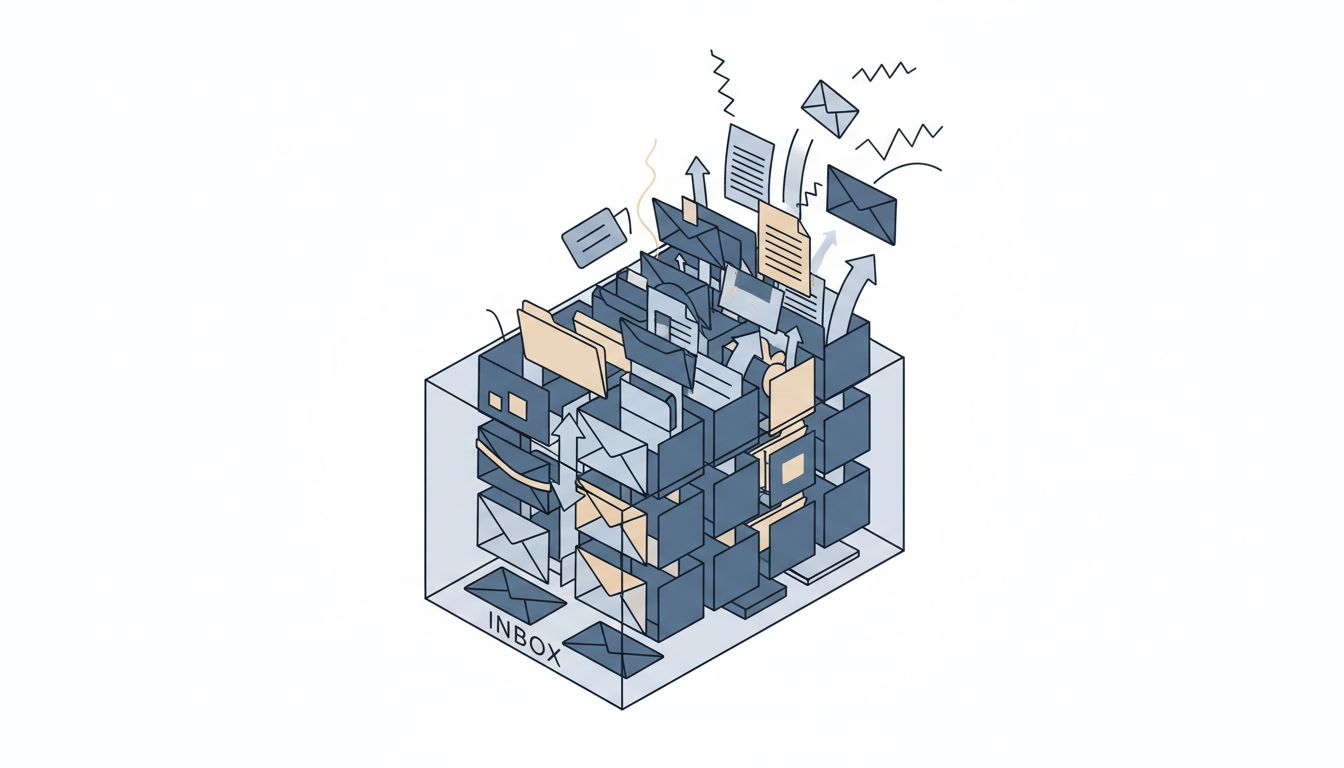
A to-do list that empties is a list that was never ambitious enough. Here's what your task system is actually measuring.
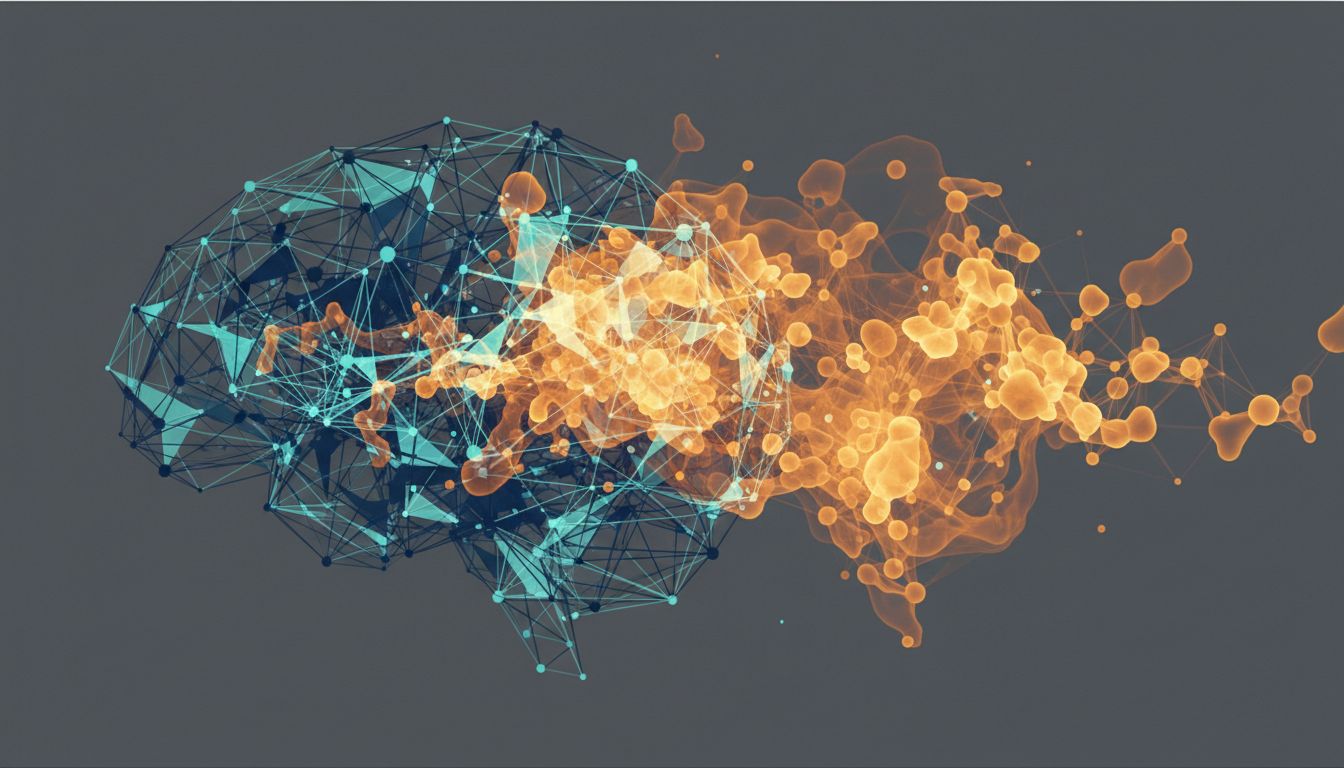
Cal Newport's Deep Work is a useful productivity framework. It's also built on a flawed model of how focused thinking actually works in the brain.

Your calendar isn't broken. You are. Here's why deep work keeps losing to shallow tasks, and how to stop letting it happen.
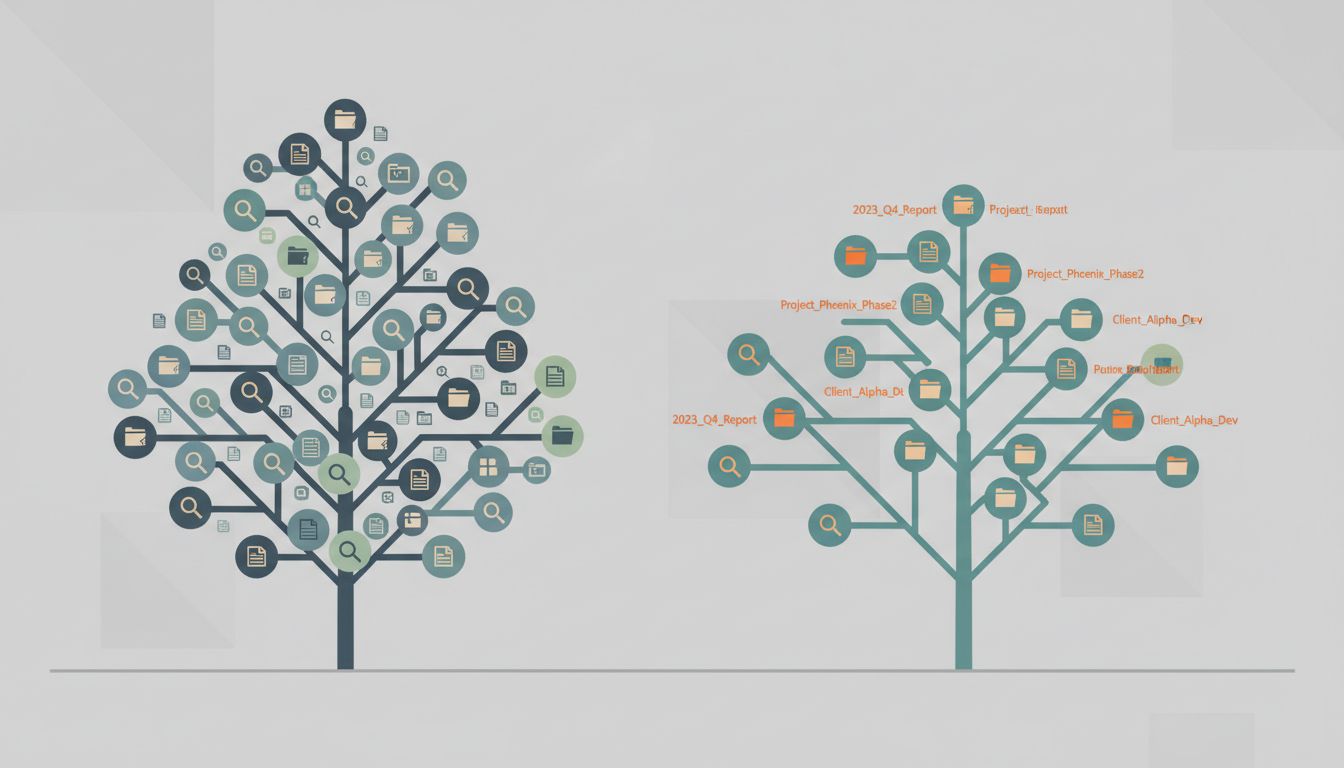
A software team's folder structure tells you what they expect to happen next. The best ones are designed around retrieval, not storage.
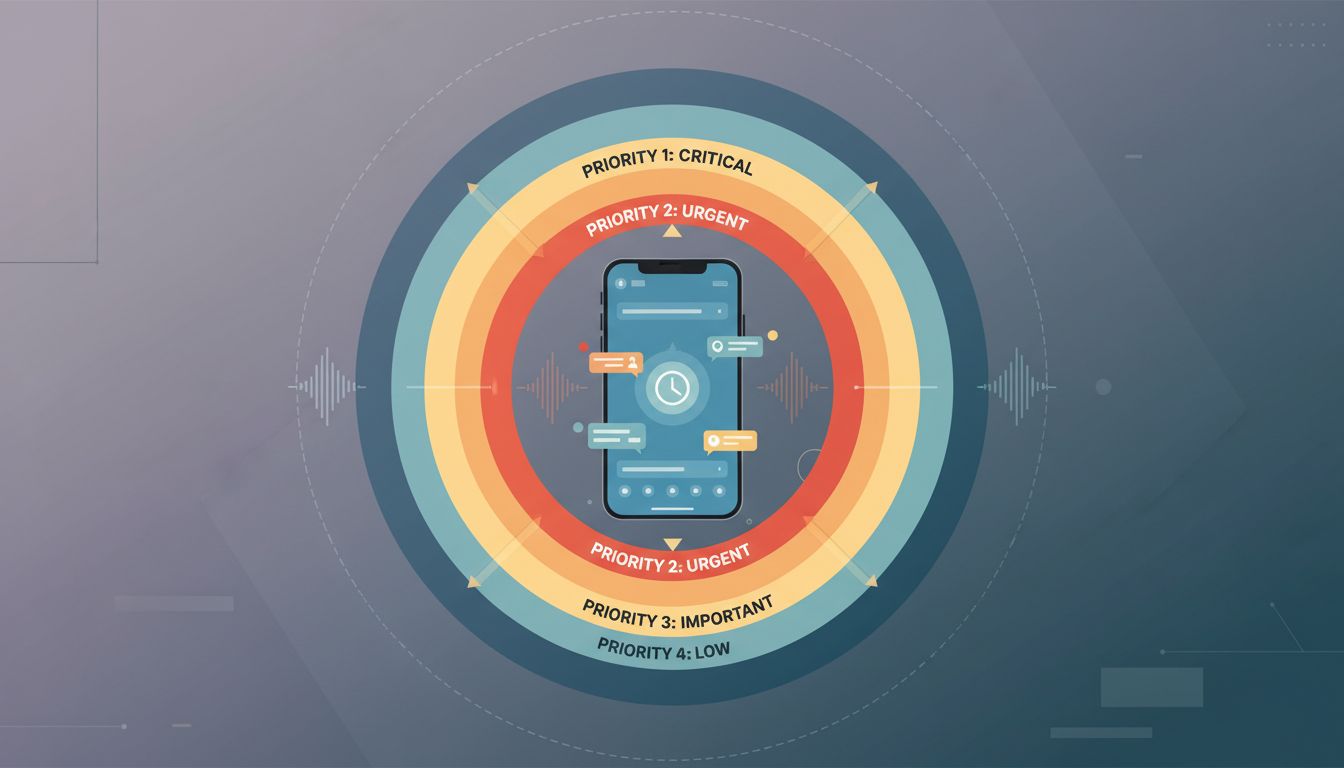
Notification systems were built by engagement teams with different goals than yours. Here's how to reclaim them.
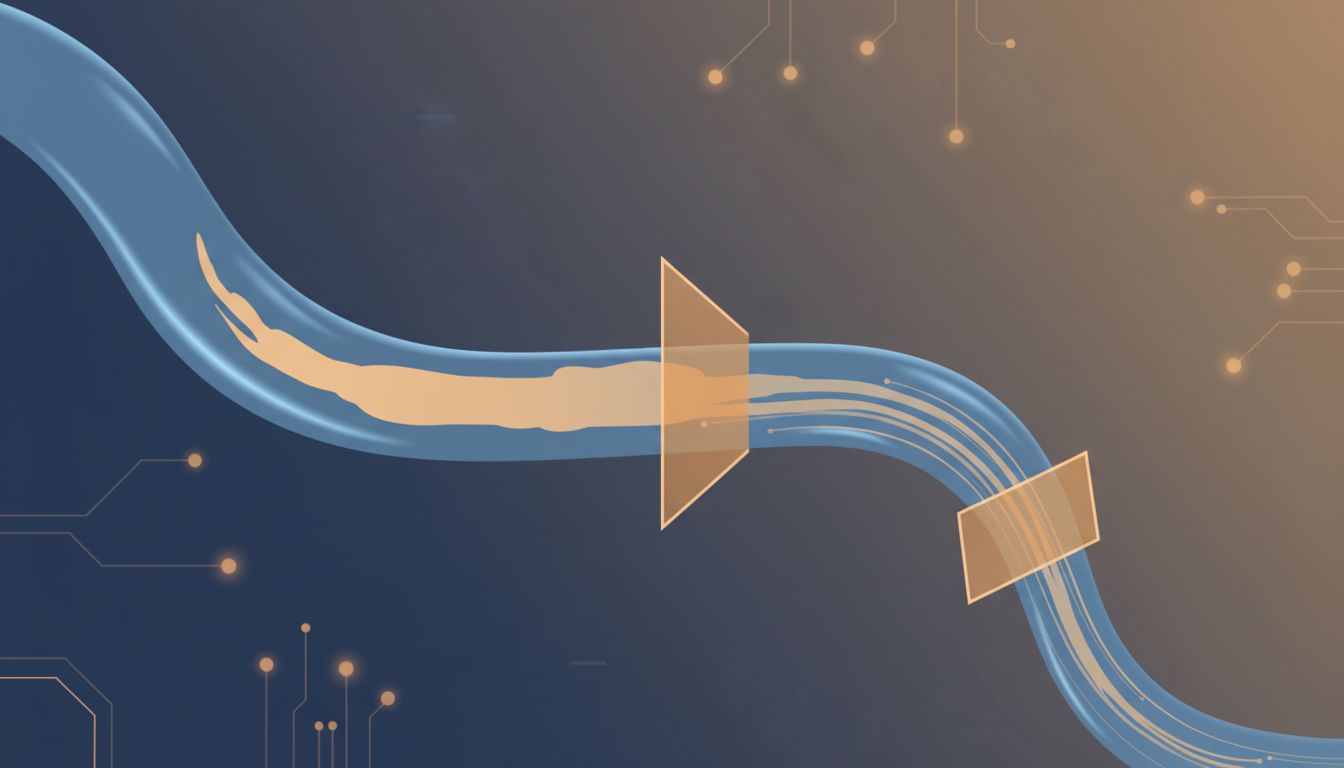
Task-switching feels efficient. Your brain experiences it as something closer to a small crash. Here's what's actually going on.
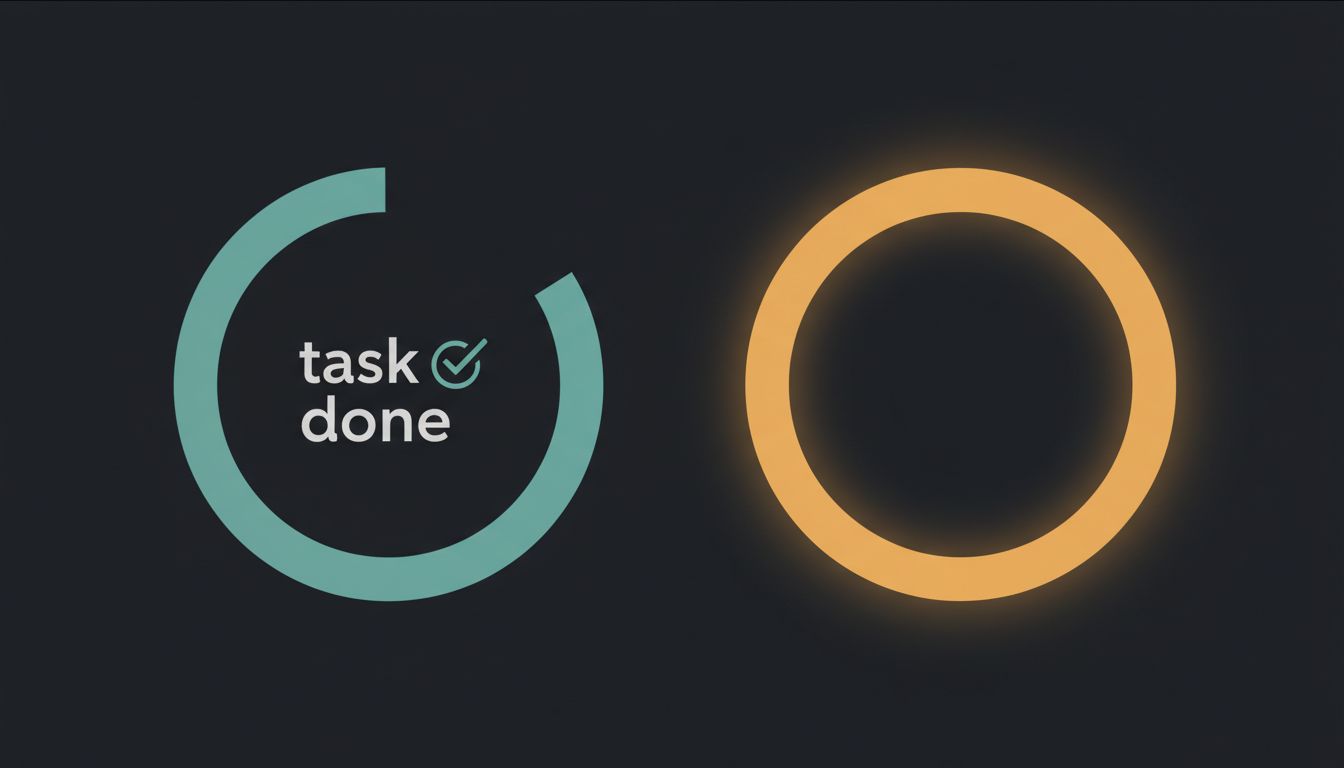
A product team at Basecamp learned the hard way that completing work and completing communication are two entirely different things.
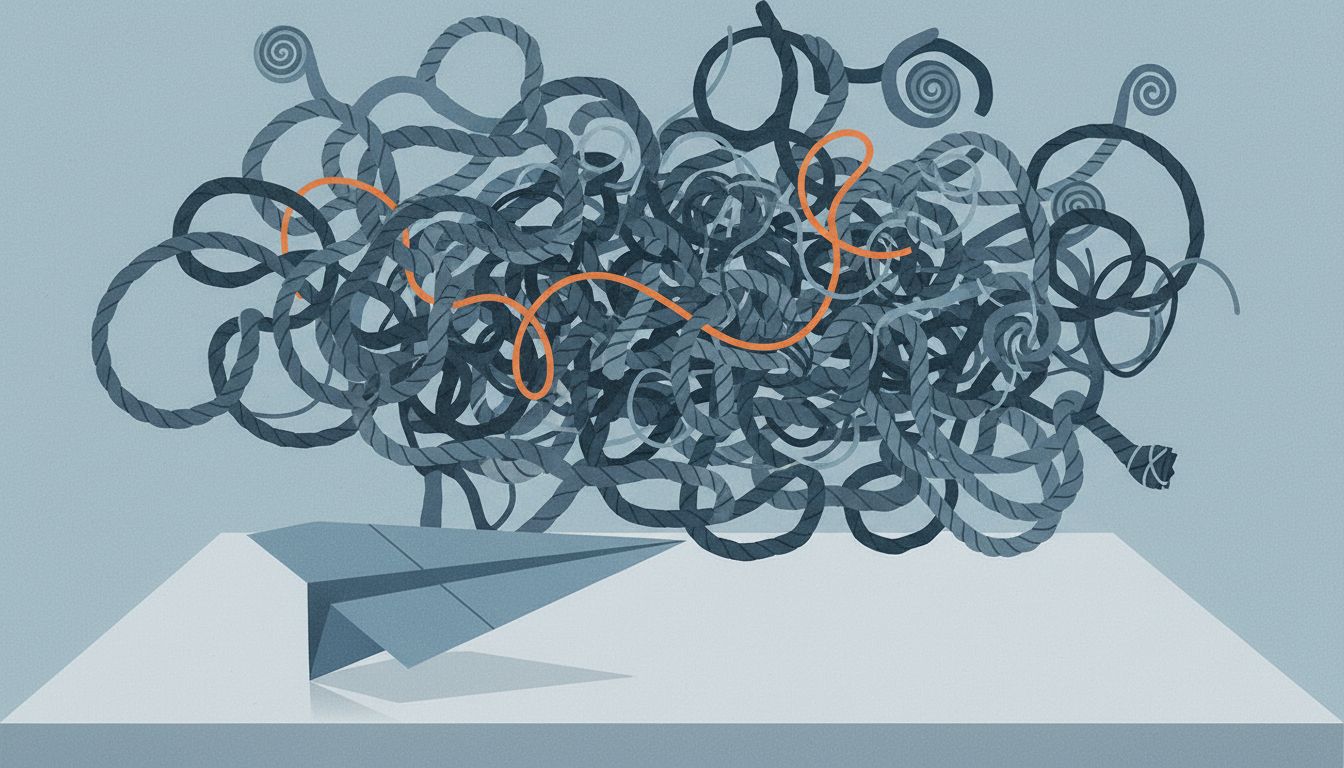
You built the perfect deck. You rehearsed the talking points. Then someone asked one question and the whole thing went sideways. That's not bad luck. That's meetings.
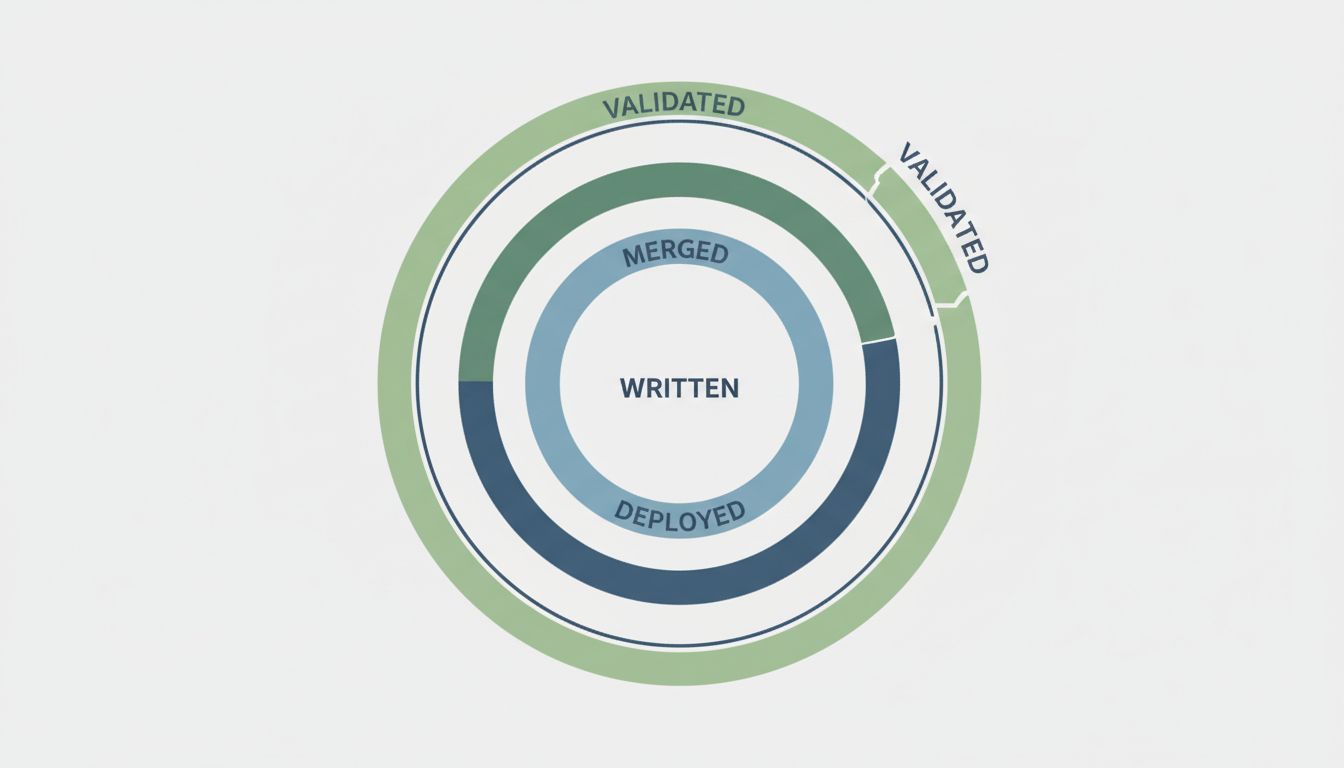
Most teams think they have a shared definition of done. They don't. Here's what that actually costs, and what high-output teams do instead.

Canceled meetings get a bad reputation. But the work that happens in their absence is often more valuable than what the meeting would have produced.
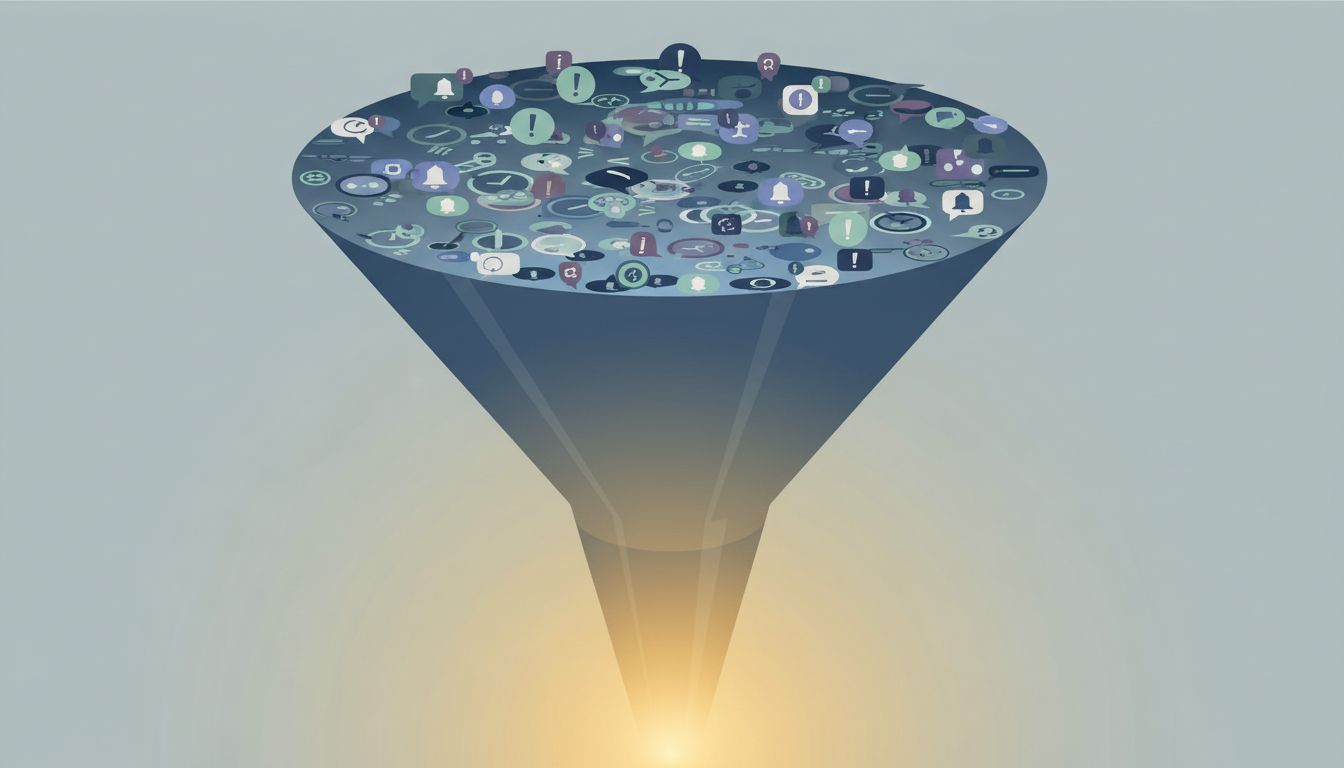
The advice to wrap up early and protect your evenings sounds sensible. For most knowledge workers, it quietly destroys the conditions that produce good work.
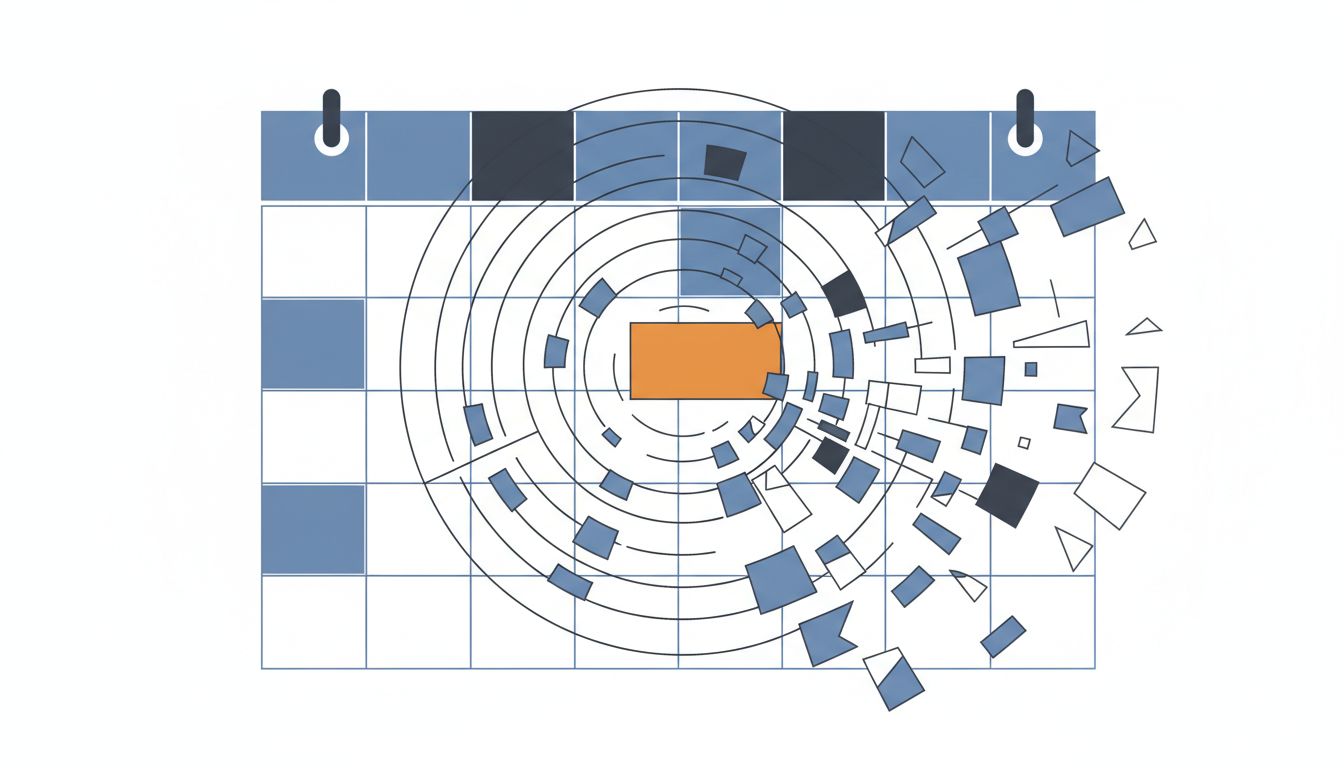
Unnecessary meetings don't just waste the time they take. They break concentration before they start and kill momentum after they end.
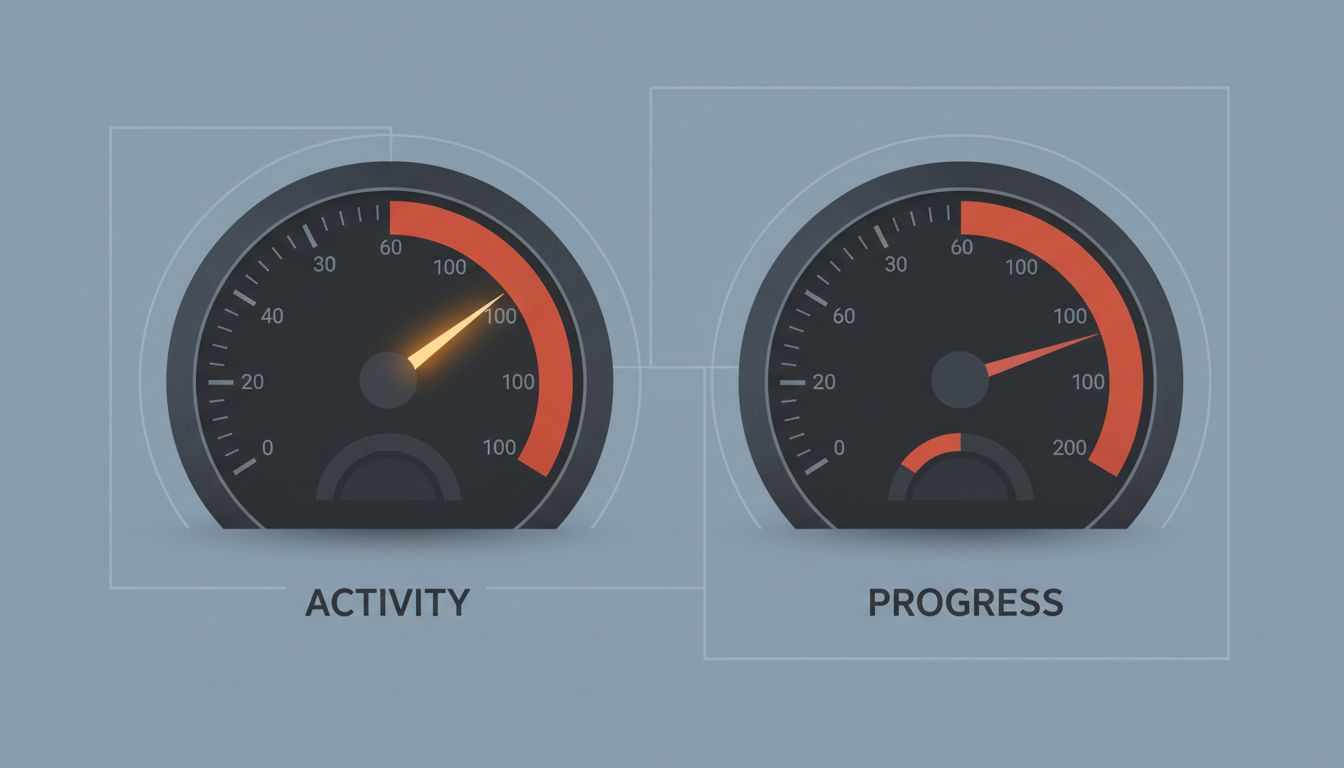
Busyness feels like progress. Your tools confirm that feeling. Neither is helping you do meaningful work.
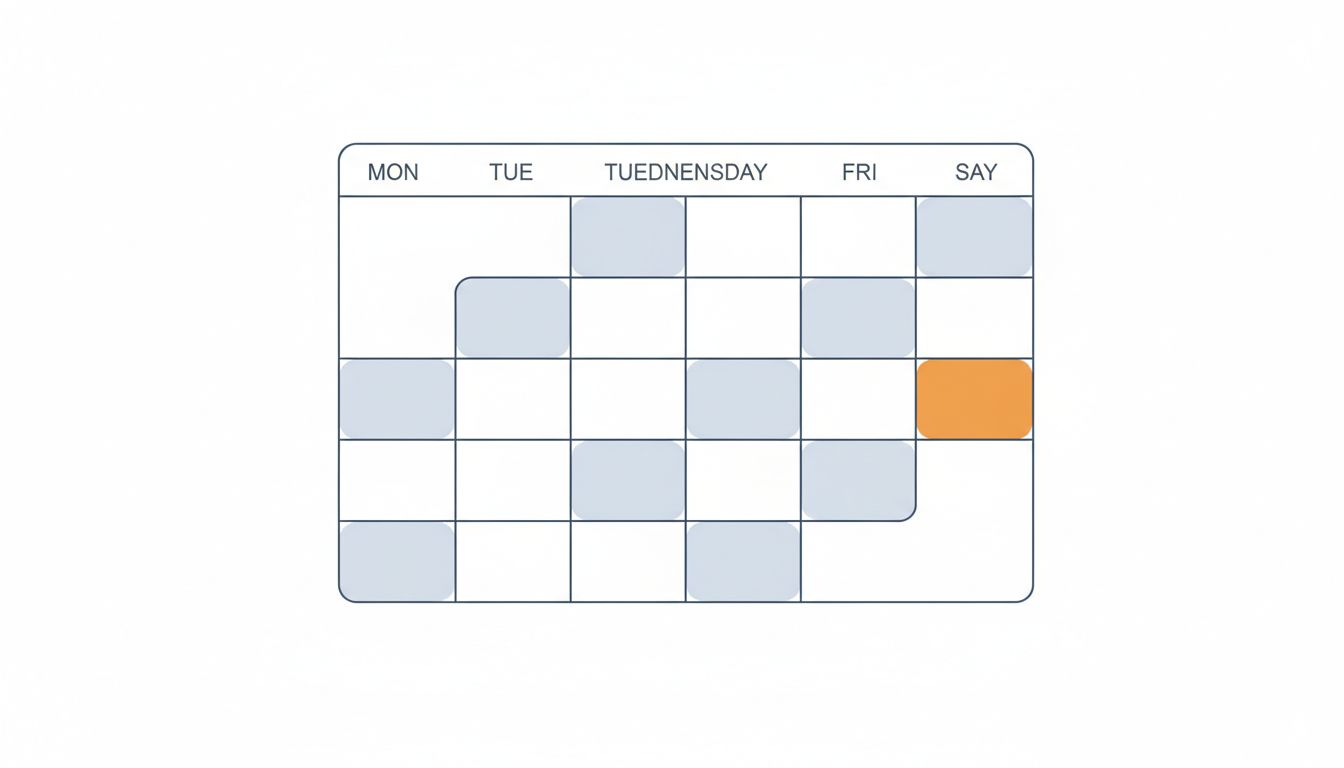
The real problem isn't that you cancel meetings. It's that the conditions that made them necessary were avoidable from the start.
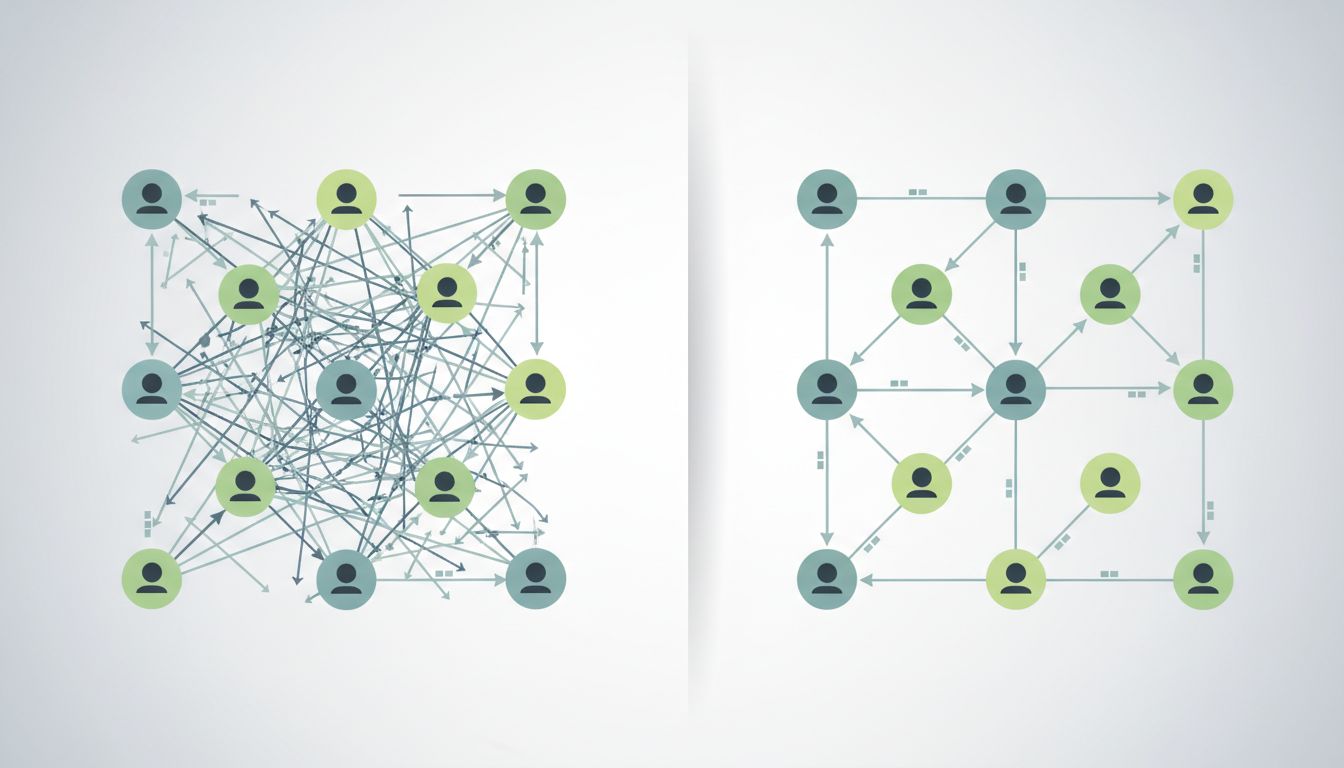
Async-first isn't a workaround for remote work. It's a better default that co-located teams have been too distracted to adopt.
Join thousands of readers who get our weekly breakdown of the most important stories in technology.
Free forever. Unsubscribe anytime.