The Brain Is Not a Filing Cabinet
Most productivity advice is about capture: write everything down, review it, keep it in a trusted system. That advice is correct as far as it goes. But it ignores the other half of the problem. The question isn’t only how to hold onto things you need to act on. It’s how to actively shed things you’ve already handled.
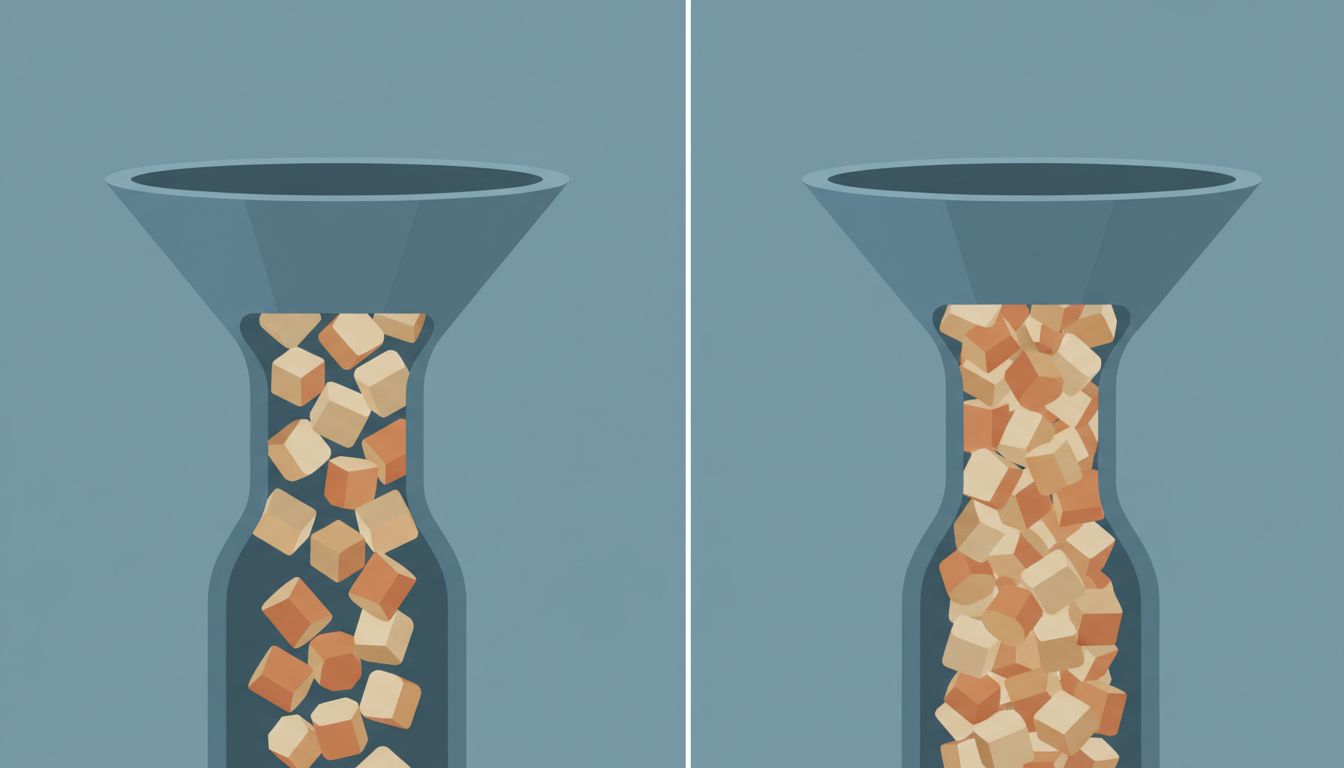
The working memory model from cognitive psychology (first formalized by Baddeley and Hitch in 1974) describes a limited-capacity workspace in the mind where you hold and manipulate information during active thought. The precise limits are debated, but the constraint is real: you can only juggle a small number of things at once. What you choose to keep loaded in that workspace directly determines how well you think.
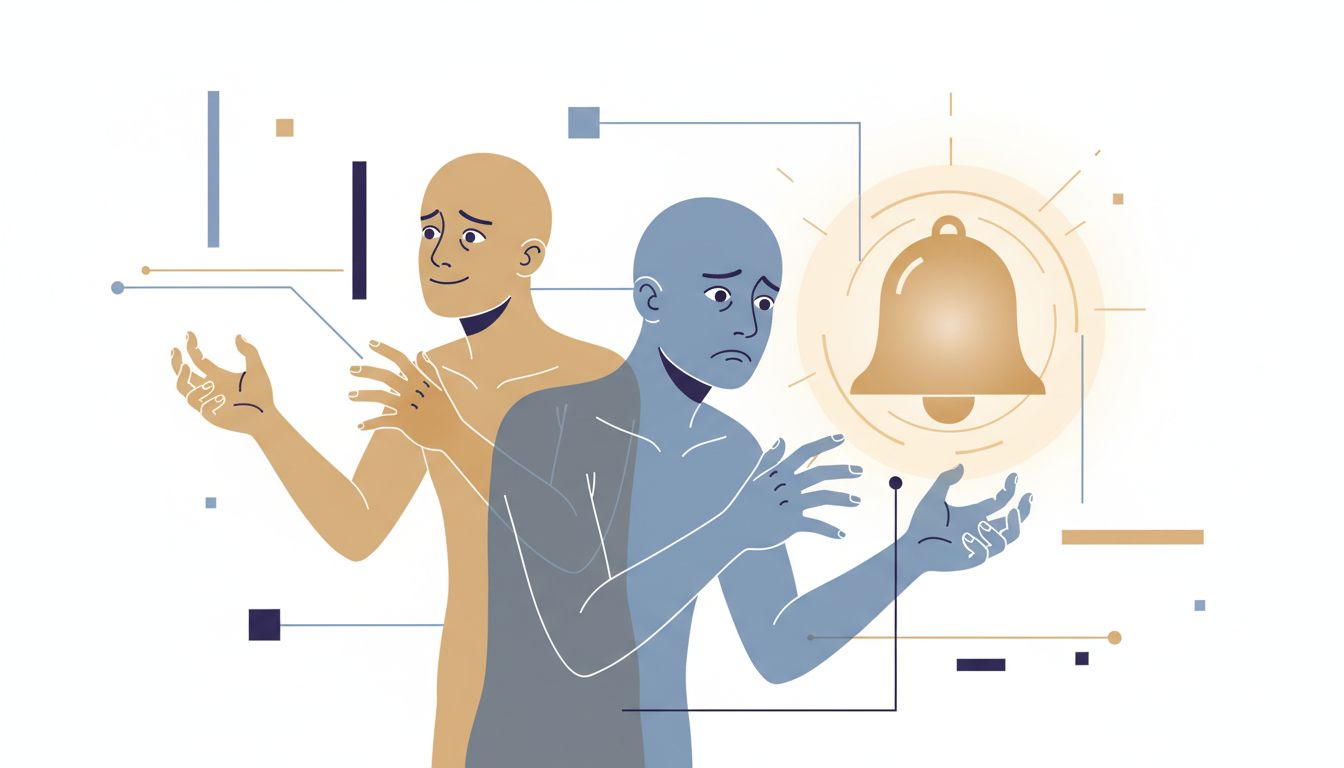
Completed tasks have a habit of staying resident there. You finished the pull request, but some part of your attention is still parked on whether the reviewer liked your approach. You sent the proposal, but you’re half-watching your inbox for a response. Technically done. Cognitively still running.
This is the hidden cost. Not the time it took to do the thing. The residual attention that lingers after.
What ‘Done’ Actually Means (and Usually Doesn’t)
When a developer closes a ticket, there’s a clear state transition in the issue tracker: open to closed. The machine forgets the ticket the moment it leaves the active sprint. Your brain, unfortunately, is not Jira.
The problem is that most people treat ‘done’ as a filing action rather than a release action. You move the card to the done column and start the next task, but you don’t actually discharge the first one. The open loop, as David Allen describes it in Getting Things Done, isn’t just about uncaptured tasks. It’s about anything your brain isn’t certain is fully resolved. A finished task where you’re still vaguely uncertain about the outcome is, from your nervous system’s perspective, still open.
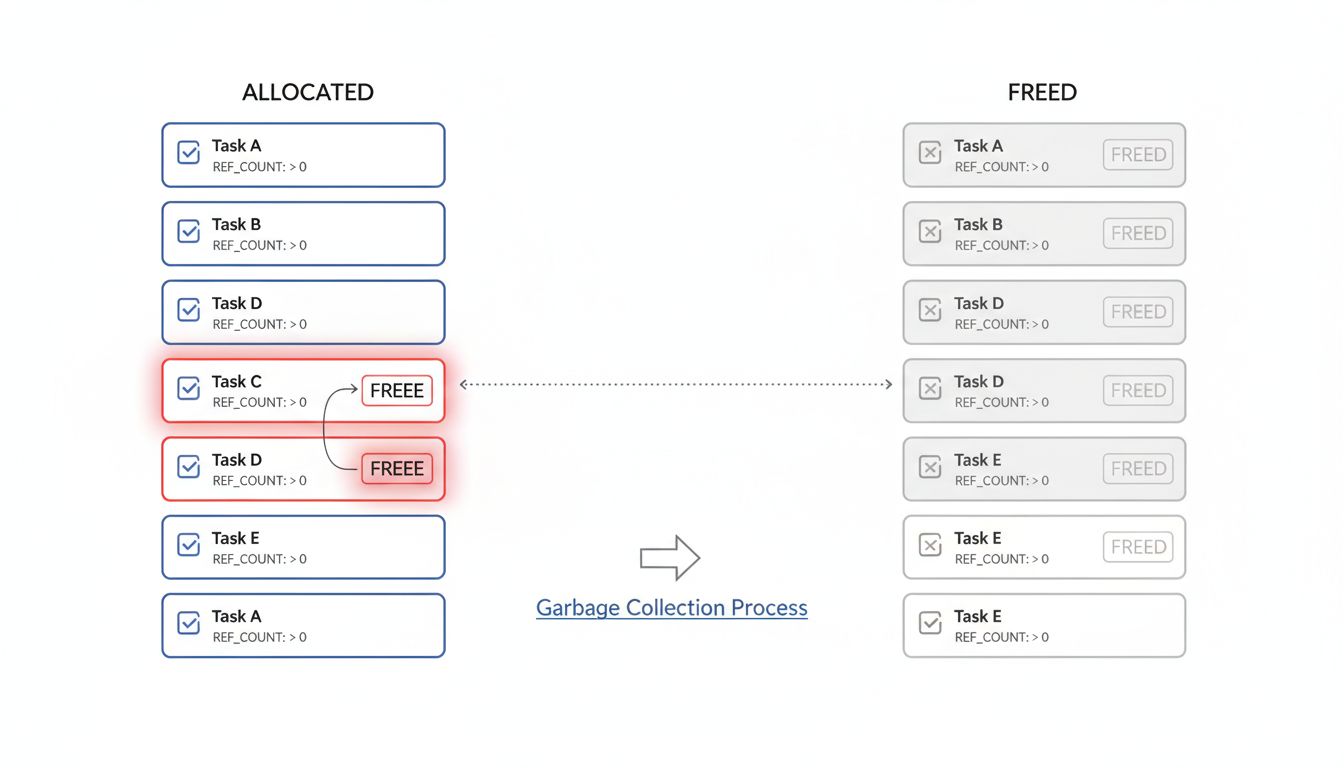
This creates something like reference counting gone wrong. In memory management, a reference count tracks how many things are pointing to an allocated object. When the count hits zero, the memory gets freed. The bug pattern called a memory leak happens when references aren’t properly released, so memory that should be free keeps getting held. Completed tasks, when you don’t deliberately close them out, create exactly this kind of leak. Your attention pool fills up with things that have technically been dispatched but haven’t had their references zeroed out.
The practical result is fragmented focus. When you sit down to work on something new, you’re not working with a clean slate. You’re working with a slate that’s still smeared with residue from the last several things you did.
Why High-Output People Forget Faster
There’s a pattern you notice in genuinely productive people that’s easy to misread as indifference. They finish something, ship it, and seem to immediately stop caring about it. Ask them about a decision they made two weeks ago and they’ll often have to reconstruct it from notes. Their memory for completed work is genuinely poor.
This isn’t a character flaw. It’s a feature. The cognitive resources they’re not spending on ruminating over finished work are available for the next thing. Forgetting aggressively is, in a meaningful sense, the mechanism that enables high throughput.
Great editors work this way. A skilled editor can give a manuscript a thorough, unsentimental critique and then genuinely not think about it again until the revised draft arrives. They’re not cold. They’ve just learned that holding onto the emotional residue of the first draft is pure waste. It doesn’t improve the second draft. It just occupies space.
The same pattern appears in experienced surgeons, air traffic controllers, and anyone who handles high-stakes sequential decisions at volume. The research on expert performance consistently finds that one of the markers separating experts from novices is the ability to compartmentalize completed episodes cleanly. Novices carry each case into the next. Experts close the loop and clear the stack.
The Trust Problem: Why You Don’t Actually Let Go
The real reason completed tasks stick around in working memory is distrust. Not of the task, but of the system. You’re holding onto the completed PR in the back of your mind because some part of you doesn’t trust that anything downstream will catch a problem if one emerges. You’re holding onto the sent proposal because you don’t have a reliable trigger that will surface it for follow-up at the right time.
This is why ‘just try to forget it’ is bad advice in isolation. You can’t will yourself to release something your brain has correctly identified as unresolved from a systems perspective. The anxious background monitoring isn’t irrational. It’s your threat-detection architecture doing exactly what it was built to do.
The actual solution is making the system trustworthy enough that your brain consents to the release. This is what a good external capture system actually does, and it’s worth being precise about why. The value of writing things down isn’t that writing improves memory (it often impairs it, a phenomenon called the generation effect working in reverse). The value is that it makes a credible commitment: this thing exists somewhere reliable, and it will surface at the right moment without me having to hold it.
For completed tasks specifically, that means having a clear protocol. Not a general archive. A specific, deliberate close-out action that your brain learns to recognize as a genuine signal that the task is truly done. Something like a written ‘done note’: one sentence in your log that states the outcome, any follow-up that’s been delegated elsewhere, and why you don’t need to think about this again. The act of writing it is the release ceremony.
Building a Deliberate Forgetting Practice
The forgetting practice is more concrete than it sounds. Here’s the shape it takes for someone doing knowledge work.
First, you need a physical (or at minimum, distinct) done state. Moving a Trello card to the ‘Done’ column doesn’t cut it if the Done column lives visually adjacent to ‘In Progress.’ Your eyes will keep scanning across it. The done thing needs to go somewhere you don’t look. Archive it. Collapse the column. Close the tab entirely.
Second, create a closing ritual for significant tasks. Before you move on, spend sixty seconds writing what happened. Not a postmortem. Just: what was the outcome, what (if anything) is someone else now handling, and when does this surface next (if ever). This isn’t for future reference. It’s for right now. The writing is the cognitive handoff.
Third, build a hard break between task completion and starting the next thing. Even five minutes. Get up, walk around, drink water. The context switch at the neural level takes longer than people expect. You don’t get full working memory capacity for the new task if you roll immediately from the last one. The brief idle period isn’t wasted time. It’s the flush.
This connects to something worth reading about if you’re trying to protect your best cognitive hours for real work, rather than letting them get consumed by low-friction task completion: stop spending your best hours on low-effort work.
The Counterintuitive Tax of Keeping Score
There’s one more thing that keeps completed tasks alive in working memory, and it’s more insidious than anxiety. It’s identity.
Many people track what they’ve finished as a way of measuring their own worth. The completed task isn’t just done, it’s evidence that they’re productive, competent, and valuable. Letting go of it feels like losing the evidence.
This creates an incentive to keep the ledger open. You want your brain to stay aware of everything you’ve accomplished because that running total feels protective. But what you’re actually doing is converting your working memory into a trophy case, and then wondering why you can’t think clearly.
The cost compounds because the tasks that produce the most emotional residue are often the big, effortful ones. Exactly the ones where you most need your full attention freed up for whatever comes next.
The productive move is to trust that the record exists somewhere (your git history, your completed tasks list, your manager’s memory) and to actively choose not to hold it in working memory yourself. Let the record live in cold storage. Keep the workspace clear.
What This Means
Forgetfulness about completed work isn’t sloppiness. It’s a resource management decision. Working memory is finite and precious, and every finished task that keeps running in the background is borrowing from capacity you need for the thing you’re actually doing right now.
The key insights:
- Completed tasks don’t automatically close out. They require a deliberate release action.
- The reason you hold onto them is distrust of the system, not irrationality. Fix the system, not your willpower.
- A short written close-out note serves as a cognitive handoff. The act of writing it is more important than the content.
- Expert performers in high-throughput domains forget completed episodes faster than novices. This is a learned skill, not a personality trait.
- Identity-tracking (keeping score of your own accomplishments in working memory) is the most expensive form of this problem and the hardest to spot.
The goal isn’t to stop caring about quality or outcomes. It’s to care about them at the right time, which is while you’re doing the work, not after you’ve shipped it. Once it’s out, your continued attention doesn’t improve it. It just costs you.