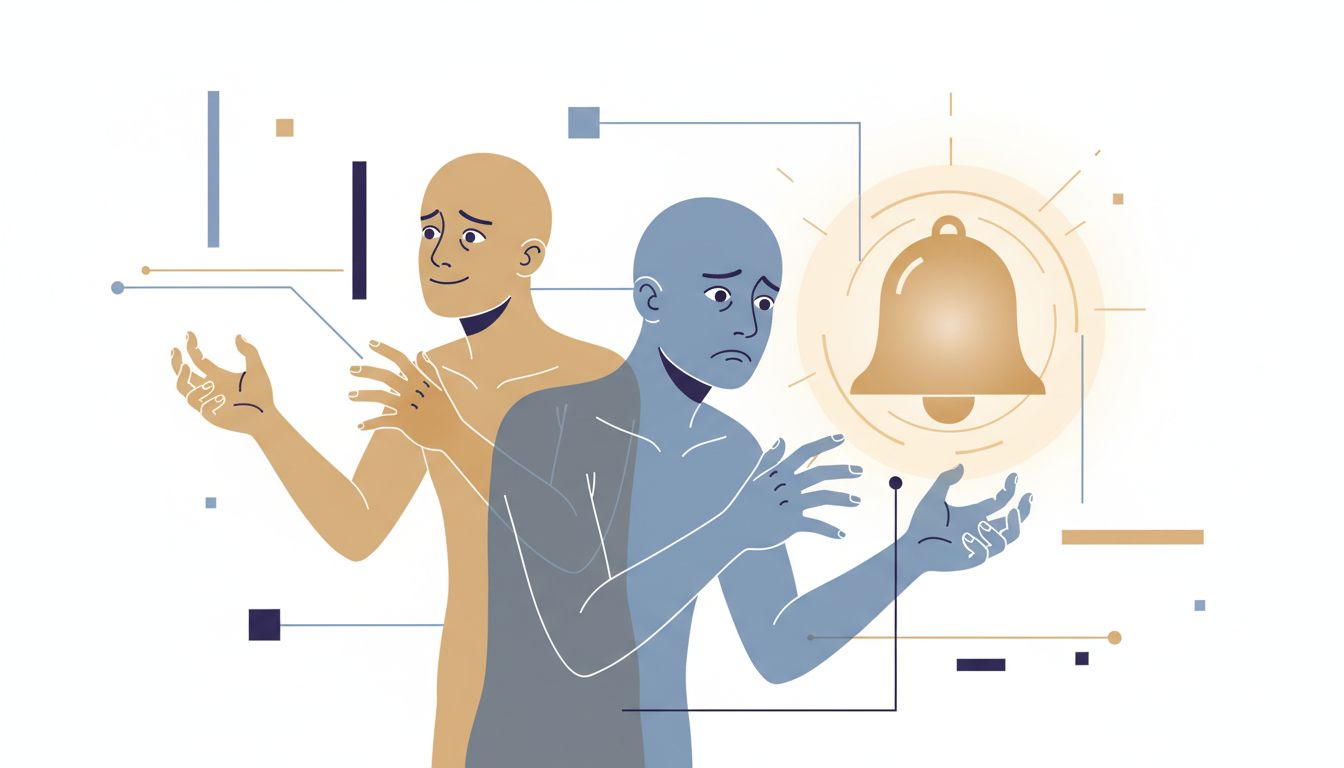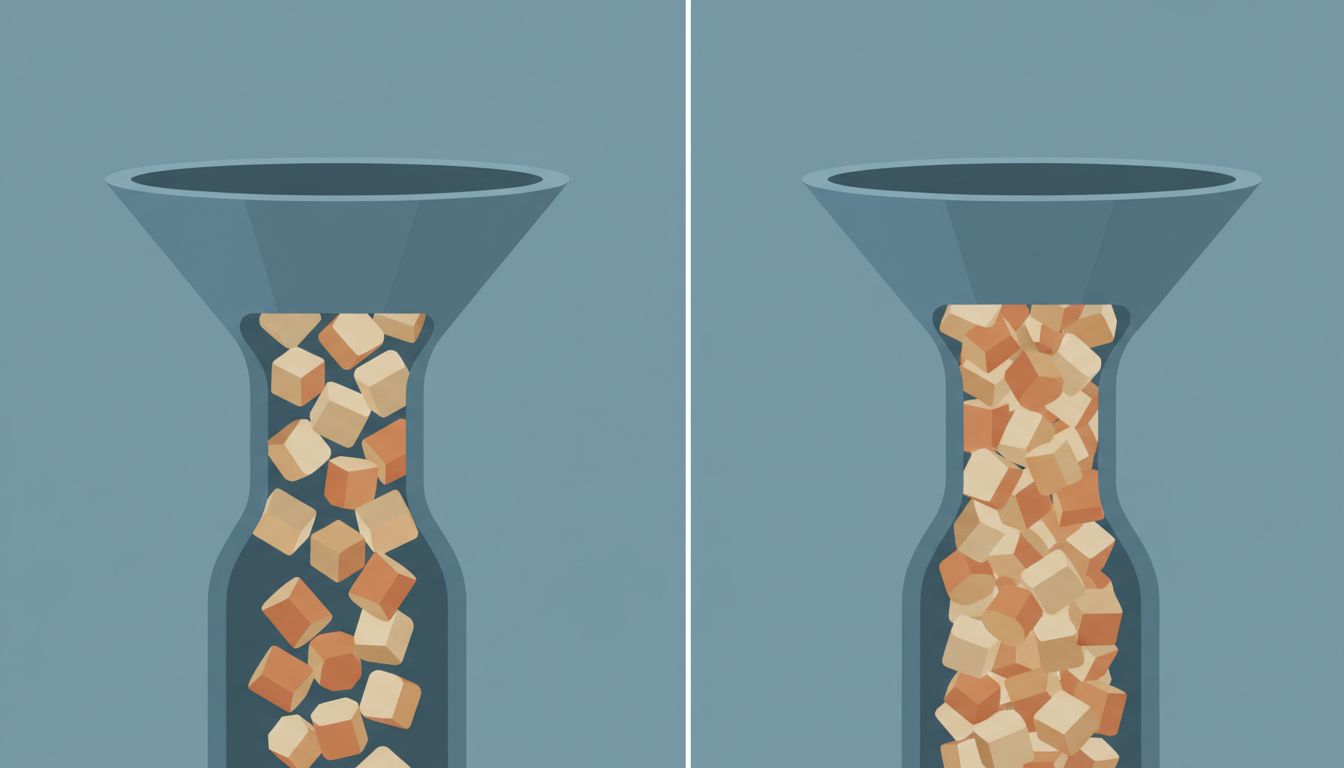

You have roughly two to four hours a day when your brain is running at full capacity. Neuroscientists and sleep researchers broadly agree that cognitive peak performance is time-limited, tied to circadian rhythms and the depletion of mental resources over the course of a day. Most knowledge workers spend those hours in their inbox.
This is not a scheduling quirk. It is a structural mistake, and it costs you more than you probably realize.
Peak hours are a finite resource, not a flexible one
The idea that you can simply “buckle down” and do deep work whenever you choose is flattering but wrong. Research by Carolyn Anderson and others on decision fatigue shows that the quality of our thinking degrades with use throughout the day. Your brain isn’t a battery that recharges with coffee. Once your sharpest hours are spent, they’re gone until tomorrow.
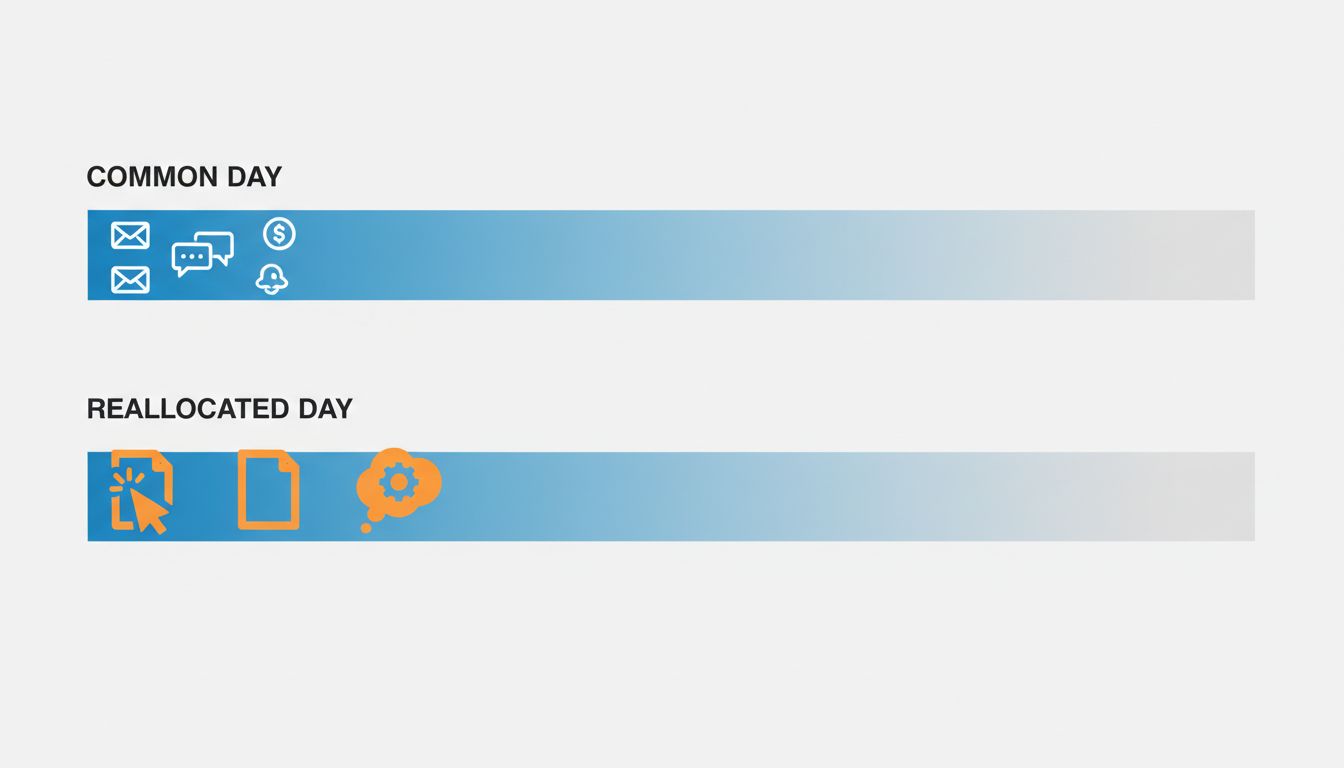
This means the question isn’t how many hours you work. It’s what you do with the hours that actually count. If you spend 9 to 11 AM, the window when most people report their highest alertness and focus, clearing notifications and sitting in status meetings, you haven’t saved those hours for later. You’ve wasted them.
Email and meetings aren’t low-effort. They’re deceptively high-cost.
Here’s the trap: email feels manageable. It has a clear action (reply, archive, forward) and an obvious endpoint (inbox zero). Meetings feel productive because you’re physically present and socially engaged. Neither requires the kind of sustained, generative thinking that produces your best work, but both consume the attentional resources that make that thinking possible.
Context-switching is the mechanism. Every time you shift from one task to another, your brain incurs a cost in reorientation time. Gloria Mark’s research at UC Irvine found that it takes an average of over 23 minutes to fully return to a task after an interruption. If your morning is fragmented across email, Slack, and a standup, you may never reach the focused state necessary for real cognitive work at all.
The fix is about scheduling, not willpower
This isn’t an argument for heroic discipline. It’s an argument for intentional design. The practical implication is straightforward: identify your peak hours (most people find them in the late morning, though yours may differ), and protect them for the work that actually requires your full capacity. Writing, architectural decisions, difficult analysis, strategic thinking. The work that, if done poorly, creates problems downstream.
Then push everything else to the edges. Check email at 8 AM before your peak begins, and again after 3 PM when it’s winding down. Schedule meetings in the early afternoon. Batch administrative work. You aren’t eliminating those tasks. You’re just stopping them from colonizing the hours when you could be doing something irreplaceable.
If you’ve thought about your to-do list structure, the relationship between task urgency and task importance is worth examining alongside this. Urgency is often what fills peak hours. Importance is what should.
The counterargument
The obvious objection is that most jobs don’t allow this kind of control. You have a boss who emails you at 9 AM and expects a response. Your team’s standup is at 10. Your calendar isn’t yours.
That’s real, and it applies to a lot of people. But two things are worth saying. First, most workers have more scheduling flexibility than they use. Defaulting to “available always” is a habit, not a contractual obligation. Many people have never actually tested whether they could shift a standup or set a morning response window. Second, even partial protection is worth it. Guarding 90 minutes of peak time is dramatically better than guarding none. You don’t need a perfect schedule. You need a better one.
If your organization genuinely controls every hour of your day without exception, that’s a different problem entirely, and no productivity framework will solve it.
The point is simple, and most people ignore it
You are spending your scarcest cognitive resource on tasks that don’t require it, while deferring your most important work to hours when your capacity for it is already depleted. Then you wonder why the important work always feels hard.
It feels hard because you’re doing it tired, at 4 PM, after six hours of fragmented attention work. The solution isn’t to work longer or harder. It’s to stop treating your peak hours like they’re interchangeable with the rest.