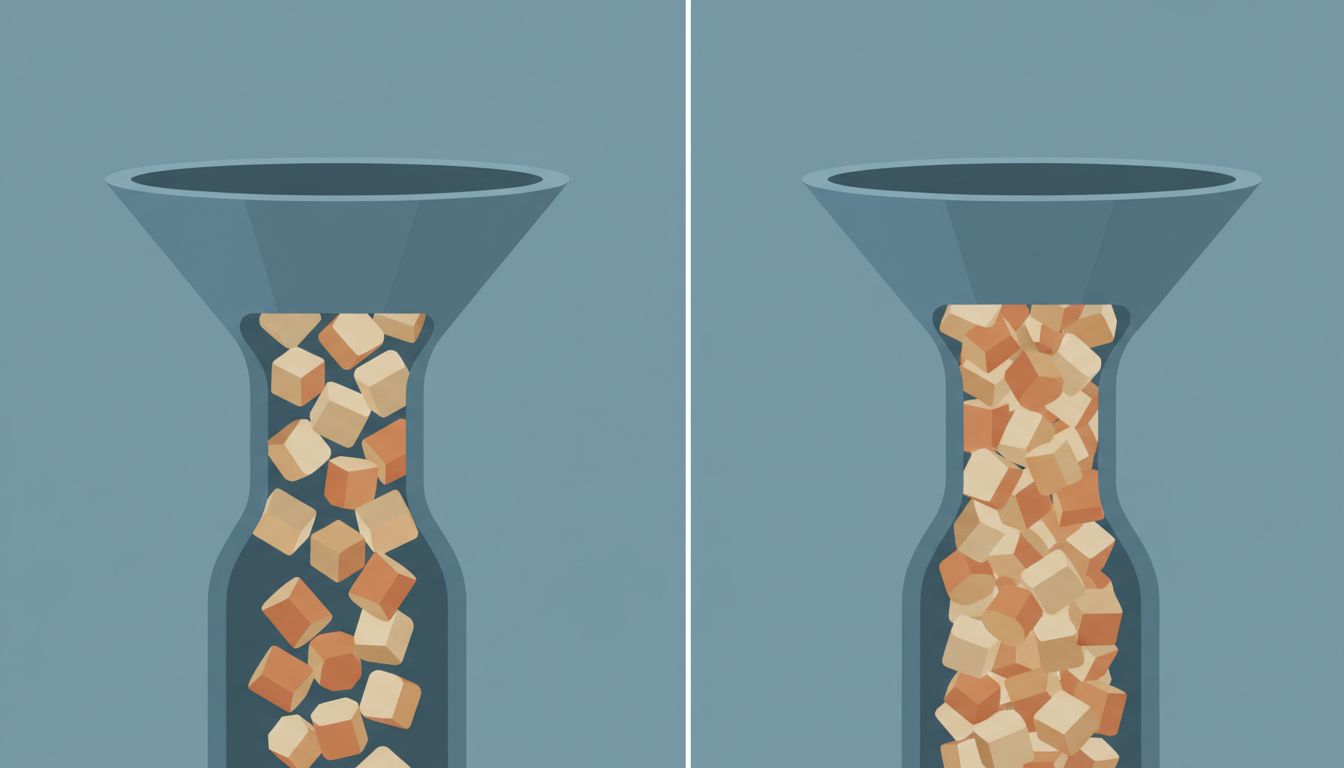

Most productivity advice focuses on getting things done. Very little of it addresses what you do after you’ve gotten them done. That omission is a problem, because finishing a task and closing it are genuinely different acts, and confusing the two is one of the most reliable ways to stay perpetually busy while feeling perpetually behind.
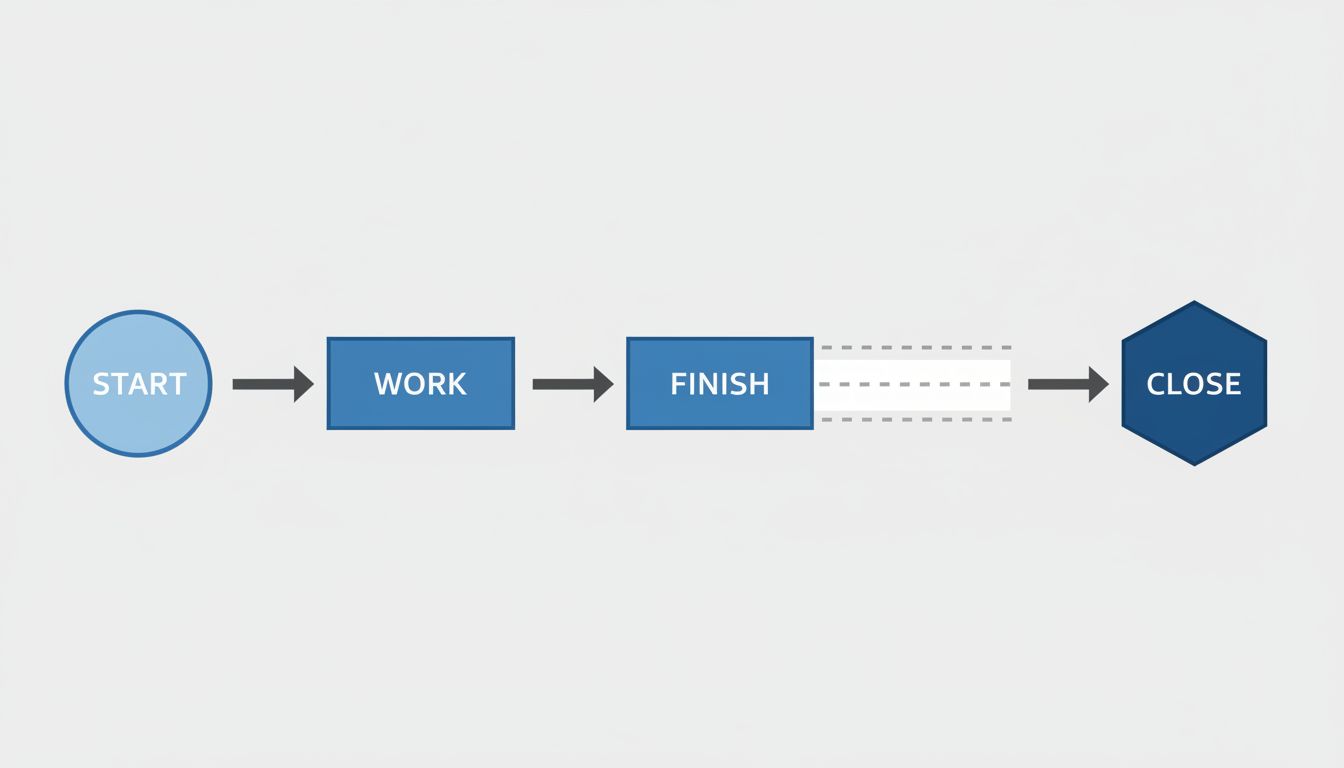
My position is simple: a task isn’t done when the work stops. It’s done when you’ve deliberately removed it from your cognitive stack. Skipping that second step doesn’t save time. It bleeds attention.
Your brain keeps running background processes
David Allen’s Getting Things Done framework is built on a specific insight: your mind is terrible at storage but excellent at processing. When you leave a task technically finished but administratively open (no status update, no archive, no explicit sign-off), your brain treats it like an open loop. It keeps checking in on the item, burning working memory on something that no longer requires thought.
This isn’t metaphor. Researchers Bluma Zeigarnik and later Kenneth McGraw have demonstrated that incomplete tasks occupy more mental bandwidth than completed ones. The Zeigarnik effect is real: unresolved items intrude on your thinking at inconvenient moments. The fix isn’t to work faster. It’s to close the loop deliberately.
When you finish writing the report but leave the task card sitting in “In Progress,” you’ve created a split between reality and your system. Your brain notices the inconsistency and allocates background processing to manage it. Multiply that across ten tasks and you’re carrying cognitive overhead that has nothing to do with actual work.
Your system becomes a place you avoid
Task management tools only work if you trust them. Trust erodes the moment your system stops reflecting reality. And nothing degrades that trust faster than tasks that are done in practice but open in the system.
You start avoiding your task list because opening it feels like confronting a mess. You stop doing weekly reviews because the data is too noisy to interpret. You rely on memory instead of the system, which defeats the entire purpose of having one. This is how smart people end up managing their work through a combination of sticky notes, calendar reminders, and anxiety.
Closing a task properly (updating its status, writing a one-line outcome note, archiving it or moving it to done) takes thirty seconds. But that thirty seconds is what keeps your system trustworthy. A trustworthy system is one you actually use, which means it actually helps you. How high-output teams define “done” matters exactly here: the definition isn’t about quality of output, it’s about the completeness of the record.
Closing is how you extract learning
There’s a practical reason to close tasks that goes beyond cognitive hygiene. The moment you finish a task is when your observations about it are freshest. How long did it actually take versus your estimate? What blocked you mid-way? What would you do differently?
If you close the task with even a brief note capturing these things, you build a feedback loop into your work. Over weeks, you get better at estimating. You notice patterns in what slows you down. You stop making the same category of mistake repeatedly.
If you just move on to the next thing, that knowledge evaporates. The task is done, but you’ve extracted nothing from it. You did the work and left the learning on the table.
This is the underrated value of the closing ritual. It’s not bureaucracy. It’s a forcing function for a two-minute retrospective that compounds over time.
The counterargument
The obvious pushback here is that adding process to every task is itself a productivity drain. Not everything warrants a closing note. Treating “reply to that email” with the same ceremony as “ship the feature” is absurd.
Fair. The argument isn’t that every task needs an elaborate close. It’s that every task needs some close. For small tasks, that might be a single checkbox and nothing more. For larger work, it might include a brief outcome note and a status update to relevant people. The scale of the close should match the scale of the task.
What doesn’t work is defaulting to no close at all, which is what most people actually do. “Done” lives in your head, not in your system, and your system quietly becomes fiction.
Finishing is effort. Closing is discipline.
You can finish a task through raw effort, caffeine, and deadline pressure. Closing one requires a different kind of discipline: the willingness to spend thirty seconds on something that has no immediate output, because you’re investing in the infrastructure of your own attention.
The people who are genuinely productive, not just busy, are the ones who treat closing as part of the task. Not an appendix. Not optional cleanup. Part of the task.
Stop ending your work sessions by stopping work. End them by closing what you finished. Your future self will spend less time wondering what’s actually done, and more time doing things that aren’t yet.