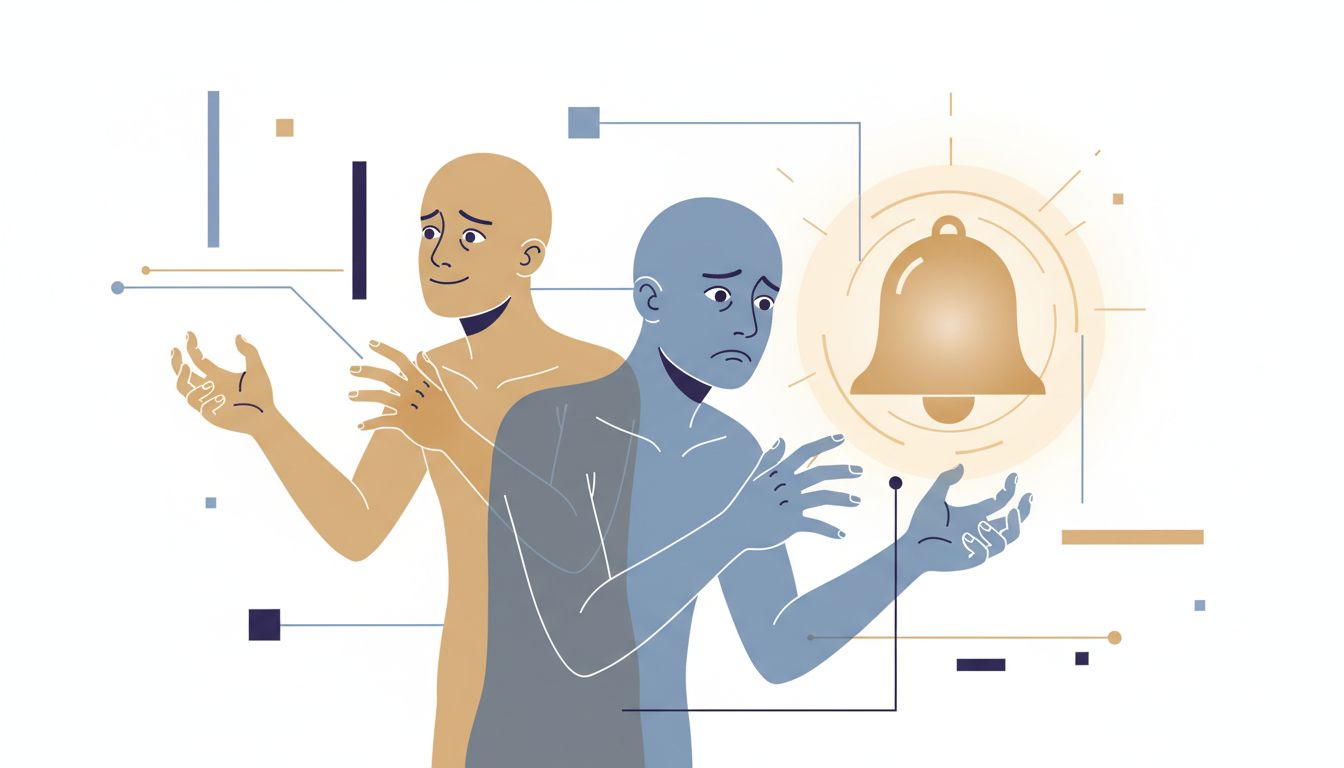
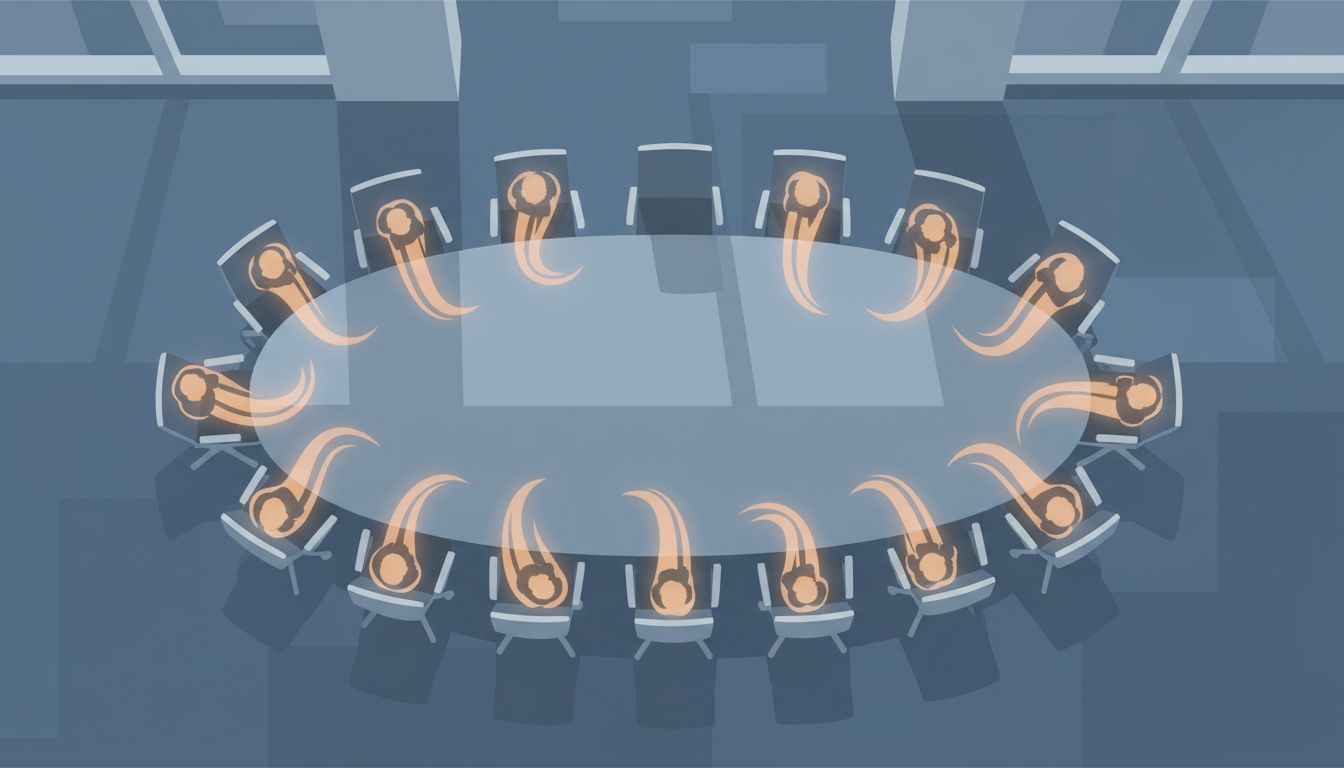
Your presence in a meeting is not a neutral event. You don’t just observe a meeting, you change it. Your seniority, your opinions, your body language, your history with the people in the room, all of it exerts force on the conversation. Sometimes that force is valuable. Often it isn’t.
The uncomfortable truth is that many meetings would produce better outcomes if the most senior person in the room declined the invite. Not because senior people are bad at meetings, but because their attendance systematically distorts what happens in them.
Presence creates hierarchy, and hierarchy compresses ideas
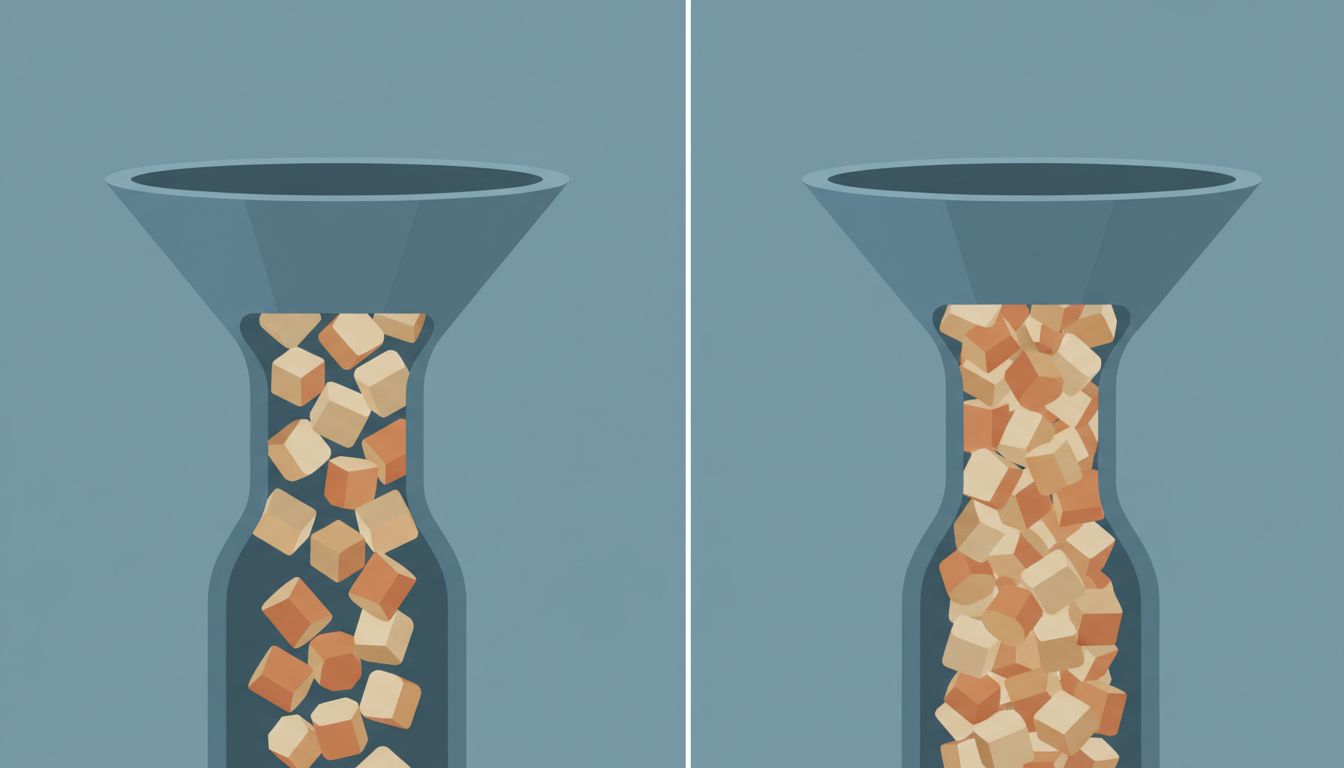
Research in organizational behavior has documented this for decades under various names: authority bias, the HiPPO effect (Highest Paid Person’s Opinion), opinion conformity. The mechanism is simple. When a senior person speaks early in a meeting, the range of ideas that surface afterward narrows. People anchor to what they’ve heard and unconsciously edit themselves to avoid conflict.
This isn’t a character flaw in your team. It’s a predictable consequence of how social cognition works. People read status signals constantly and adjust their behavior accordingly. A junior engineer with a genuinely better idea will frequently stay quiet if it contradicts what the VP just said, not out of cowardice but out of rational self-preservation.
When you leave a meeting, you don’t just remove one opinion. You remove the ceiling that your opinion places on other opinions.
Asynchronous decisions are often better decisions
Meetings force synchronous thinking, which sounds efficient but frequently isn’t. The person who processes slowly, who needs to sit with a problem before they have something worth saying, gets systematically disadvantaged compared to the person who’s good at talking fast under pressure. Fast talkers and senior people (often the same people) win real-time discussions by default rather than by merit.
Written decision-making processes, where proposals are circulated in advance and responses are collected before a meeting or instead of one, tend to surface better reasoning from more people. Amazon’s famous six-pager memo format exists precisely because of this. The document forces clarity before discussion, and silence during the reading period is a feature, not a bug.
The Document You Share Is Not the Document People Read addresses some of why written communication is harder than it looks. But even imperfect written proposals tend to produce more honest feedback than the same conversation held live with a director in the room.
Delegation only works if you actually delegate
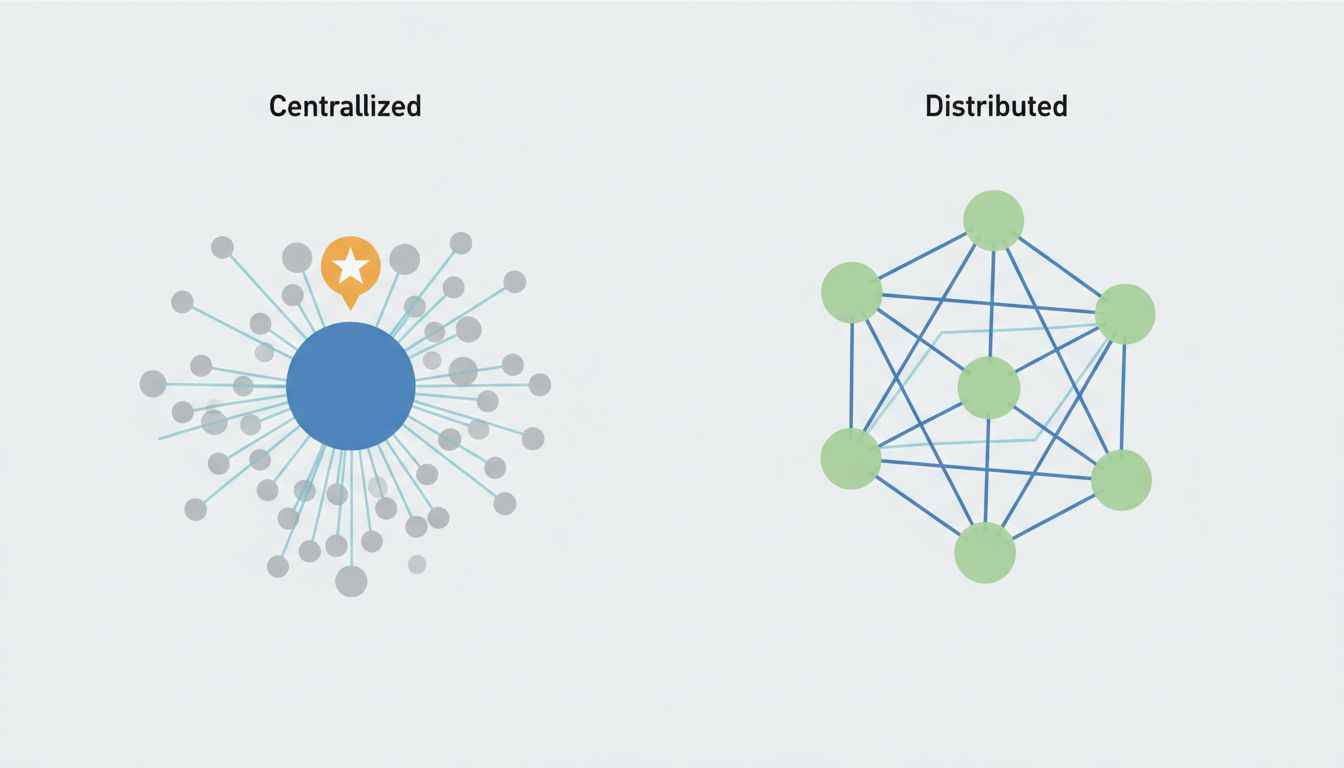
When you attend every meeting where a decision might be made, you implicitly signal that the decision requires your presence. Your team learns this. They stop making calls without you, not because they can’t but because they’ve learned not to. You’ve accidentally become a bottleneck while believing you’re being collaborative.
Real delegation means accepting that decisions will sometimes be made without your input and that this is not a failure state. It’s the goal. If someone on your team can run a meeting better without you in it, the correct response is to celebrate that, not to show up anyway so you feel informed.
The short-term comfort of staying in the loop is how you accidentally build a team that can’t function without you. That’s a problem for you, for them, and for whatever they’re supposed to be building.
Skipping meetings is a skill, not an avoidance strategy
None of this means stop going to meetings entirely. The position here is more specific: your default should shift from attending to not attending, and you should require a good reason to override that default rather than the reverse.
A good reason to attend: you have information the group genuinely cannot get elsewhere. You need to build trust with someone in the room. The decision affects you directly and your voice needs to be in it.
A bad reason to attend: you might have something useful to add. You want to stay informed. You were invited. You feel vaguely anxious about what they might decide without you.
The first category is about actual value. The second category is about comfort. Most calendar invites trigger the second category.
The counterargument
The obvious pushback is that some meetings need senior judgment, and skipping them leads to bad decisions that someone has to clean up later. This is true. There are meetings where the most experienced person in the room is also the most useful person in the room, and their absence would be genuinely costly.
But notice how that framing assumes the senior person’s judgment is what’s scarce. Often it isn’t. What’s scarce is space for the team to think clearly, make a call, and own it. When a senior person shows up to provide judgment as a service, they’re often substituting their confidence for their team’s development.
The right response to “we might make a bad decision without you” is usually to invest in making your team better at decisions, not to become a permanent fixture in their meeting rooms. That might mean clearer frameworks for how decisions get made, better documentation of how you think about tradeoffs, or structured reviews after the fact instead of supervision beforehand. All of those compound in value over time in ways that meeting attendance doesn’t.
The position, restated plainly
You should attend fewer meetings than you currently do. Not because meetings are bad in principle, but because your presence specifically is less valuable than you assume, and more distorting than you realize. The meeting your team ran without you last Thursday probably produced better output than the one you attended. The fact that you’ll never know that for certain is, in a way, exactly the point.
Build the kind of team that doesn’t need you in the room. Then trust them to be in the room.