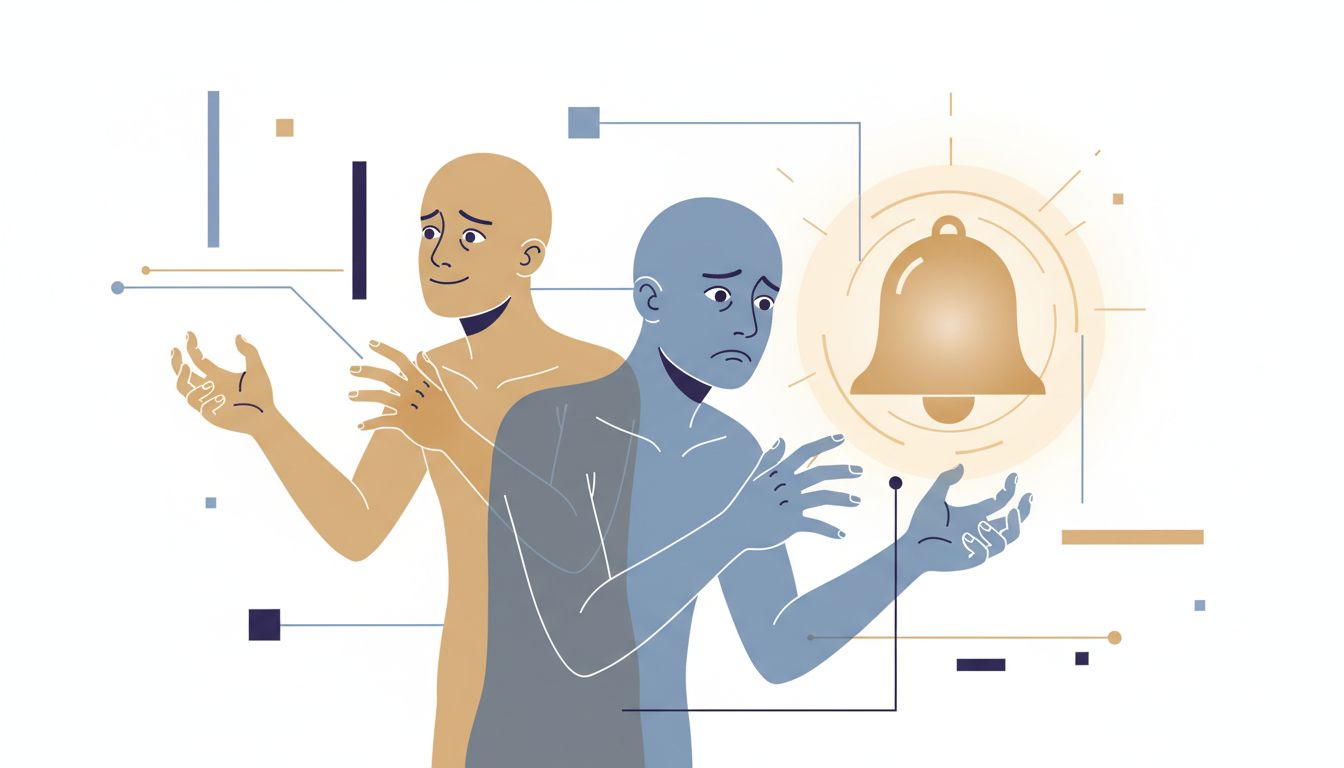
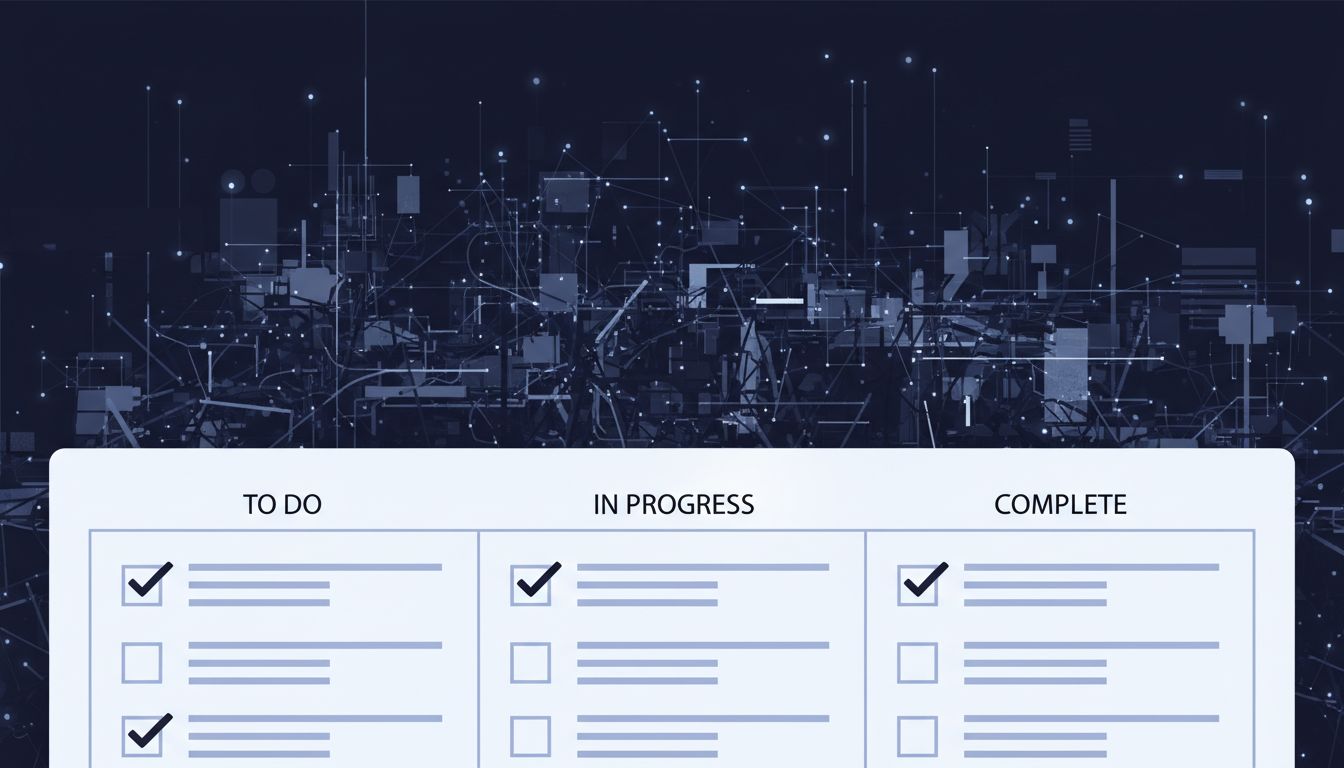
There’s a type of productivity system that feels great to use and quietly destroys your ability to do meaningful work. It looks like a clean inbox, a cleared task board, and a satisfying end-of-day ritual where everything gets checked off. The system is working perfectly. That’s the problem.
This is the story of a mid-sized product team that figured this out the hard way.
The Setup
The team was a six-person software group at a B2B SaaS company. They shipped features on a two-week sprint cycle, used Jira for task management, and by most external measures were high-functioning. Retrospectives were calm. Velocity was steady. The team lead regularly reported to leadership that the team was “on track.”
Every sprint, they completed every ticket. Not most tickets. All of them. The board cleared cleanly at the end of every two-week cycle, like a program that always returns zero.
Somewhere around the eight-month mark, a new engineering director joined the company. Within her first two weeks, she asked a question nobody had thought to ask: what work didn’t make it onto the board?
What Happened
The answer was uncomfortable. Quite a lot of work hadn’t made it onto the board. A significant backlog of architectural improvements had been mentally shelved because they were “too big to sprint on.” A recurring data pipeline bug was handled informally, never ticketed, because it was faster to just fix it than to log it. Two engineers had ideas for tooling that would have saved the team hours per week, but those ideas lived in a notes app, not the task system.
The sprint board wasn’t capturing reality. It was capturing a curated version of reality, sized specifically to fit within two weeks and feel completable. The team wasn’t finishing their work. They were finishing the work they’d pre-selected for finishability.
This is the distinction that matters. A to-do list that you reliably clear is almost certainly not a record of everything that needs doing. It’s a record of everything you believed you could finish. Those are very different datasets.
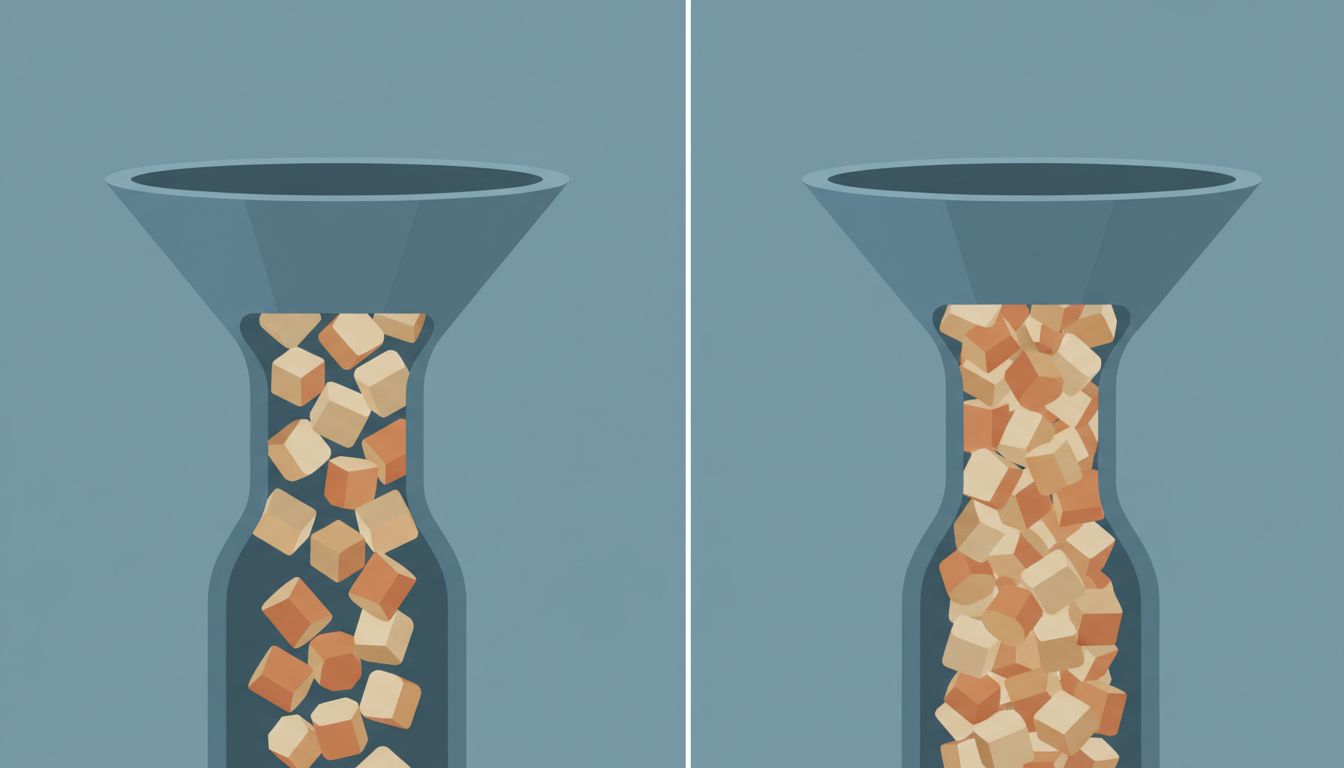
Think of it like a buffer overflow handled the wrong way. Instead of surfacing an error when the list exceeds capacity, the system silently drops items before they’re even added. The program runs fine. The data is gone.
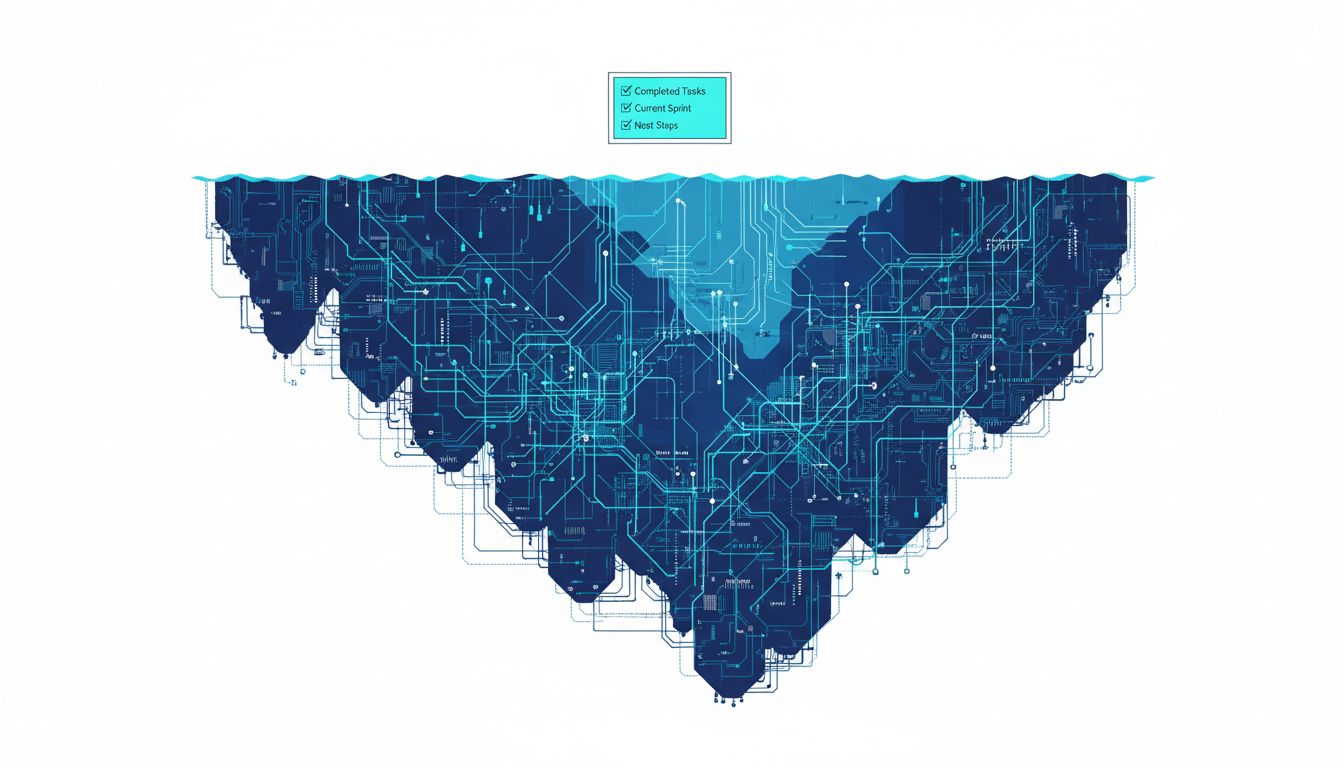
The engineering director introduced a different approach. She asked the team to maintain two lists: the sprint board (committed, scheduled work) and what she called the “thermal layer,” a rolling document of all the work the team knew existed but hadn’t committed to. The thermal layer wasn’t a backlog in the traditional Jira sense. There were no story points, no priority rankings, no due dates. It was closer to a work log than a work queue, a place to put things that were real without pretending they were planned.
The immediate effect was disorienting. The thermal layer filled up fast. Within a month it had more items than the sprint board had seen in the previous quarter. Engineers reported feeling behind, even though their sprint completion rate hadn’t changed.
This feeling, it turned out, was accurate. They had been behind. They just hadn’t had a mechanism that showed it.
Why It Matters
The psychological function of a completable to-do list is more potent than most people acknowledge. Completion triggers a real sense of closure. There’s genuine neurological reward in checking something off, enough that humans will unconsciously shape their lists to guarantee that reward rather than to accurately represent their obligations.
GTD (Getting Things Done), the productivity framework David Allen popularized, actually addresses this directly. The system’s core premise is a “trusted capture” mechanism, somewhere outside your head where you put everything, not just the things you plan to do soon. The assumption is that your mind will not give you peace about an obligation until you’ve captured it somewhere you trust. But most implementations of GTD, and most task management tools, optimize for execution over capture. They reward you for clearing items, not for capturing them honestly.
Jira, Asana, Linear, Notion task boards, all of them are built around completion states. The implicit message of every interface is: add things you plan to do, do them, check them off. There is no native concept of “known but unscheduled.” If you build your system in these tools without deliberately adding that layer, the tool will shape your behavior toward finishability whether you intend it or not.
This matters especially in software teams because software work has a property that most other work doesn’t: the backlog of potential improvements is effectively infinite. There is always another abstraction to clean up, another edge case to handle, another piece of tooling that would help. A system that only shows you committed work will always feel manageable, because you’re only ever looking at the slice you selected. The rest of the iceberg stays underwater.
As your most productive days might actually feel empty, there’s something structurally similar happening here: the absence of visible struggle can be a symptom of absent ambition, not evidence of competence.
What We Can Learn
The team at the center of this story made several concrete changes worth examining.
First, they decoupled capture from commitment. The act of writing something down stopped implying any promise about when it would get done. This sounds obvious but requires deliberate tooling choices. They kept the thermal layer in a simple shared document, specifically because Jira’s interface would push them to assign, estimate, and schedule everything they added.
Second, they changed what the sprint board represented. It no longer meant “everything we’re working on.” It meant “everything we’ve committed to finishing this sprint.” The thermal layer made the gap between those two things visible.
Third, and most importantly, they started measuring the health of their system by how full the thermal layer was, not by how often the sprint board cleared. A healthy system, by this logic, is one where there’s always more worth doing than you have capacity for. That’s uncomfortable. It’s also true.
The team’s sprint completion rate dropped slightly in the months after the change, because they were now occasionally pulling thermal layer items into sprints even when the full scope wasn’t clear. They were doing harder things. Leadership initially flagged the completion drop as a regression. The engineering director pushed back, hard, with three months of data showing that shipped feature impact had increased even as the “on-track” metric declined.
Her argument was simple: you optimized the metric, not the outcome. The metric looked healthy because it was designed to look healthy.
If your to-do list ends every day looking finished, ask what it’s not showing you. The system that clears cleanly might be the system that’s been quietly deciding, on your behalf, that certain things aren’t worth seeing.