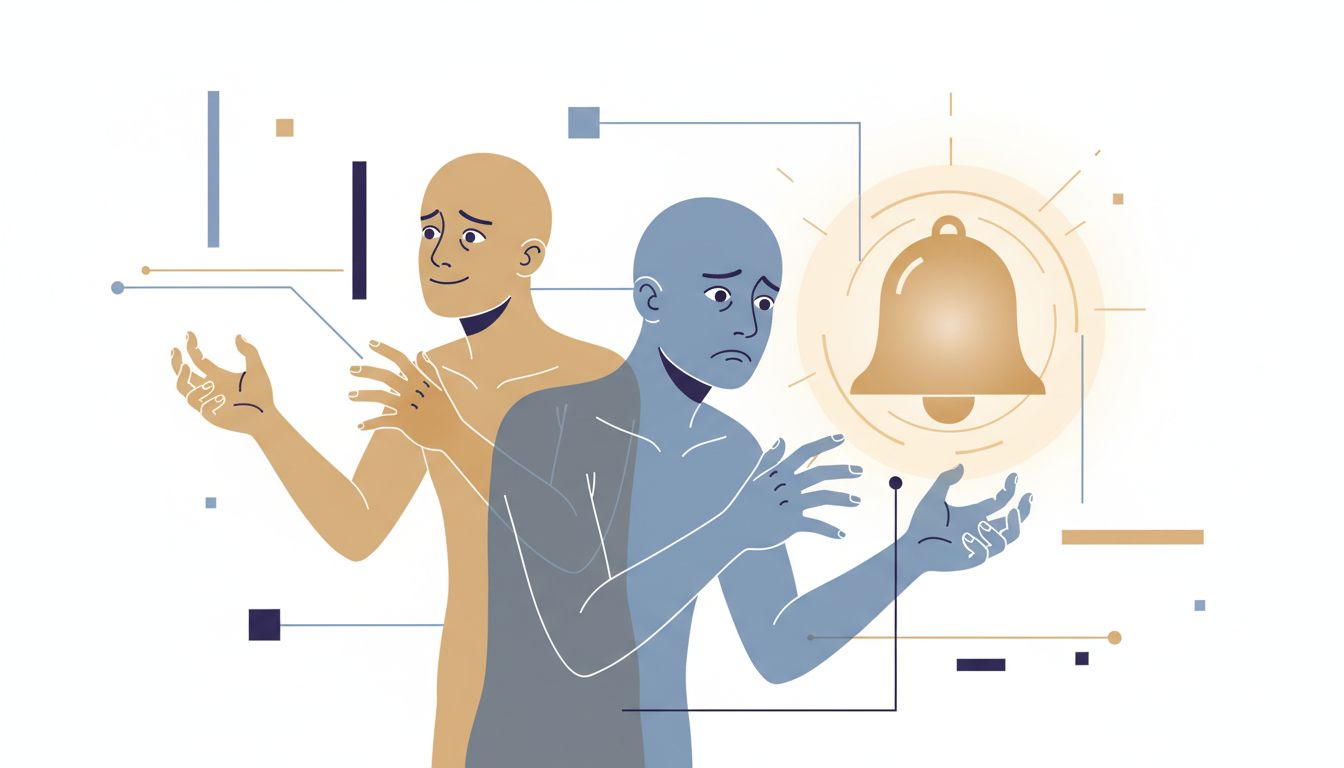
Merlin Mann was, by any reasonable measure, a productivity expert. He had a popular blog. He’d given a famous talk at Google. He’d coined “Inbox Zero,” a phrase that still appears in job listings. And somewhere around 2007, he had a to-do list so complete, so organized, so perfectly maintained, that it had become its own full-time job.
He wrote about this himself, with characteristic self-deprecation. The system had grown into something that rewarded adding tasks, tagging them, organizing them into projects, and reviewing the whole architecture every week. What it didn’t reward was finishing things. Finishing things, it turned out, felt almost beside the point.
This is a story about what happened when he noticed that, and what it tells us about the tools most of us are using right now.
The Setup
Mann’s workflow in those years followed David Allen’s Getting Things Done methodology closely. GTD is a genuinely useful framework: capture everything, clarify what each item requires, organize by context and project, review regularly. The idea is to get tasks out of your head and into a trusted system, freeing your mind for actual work.
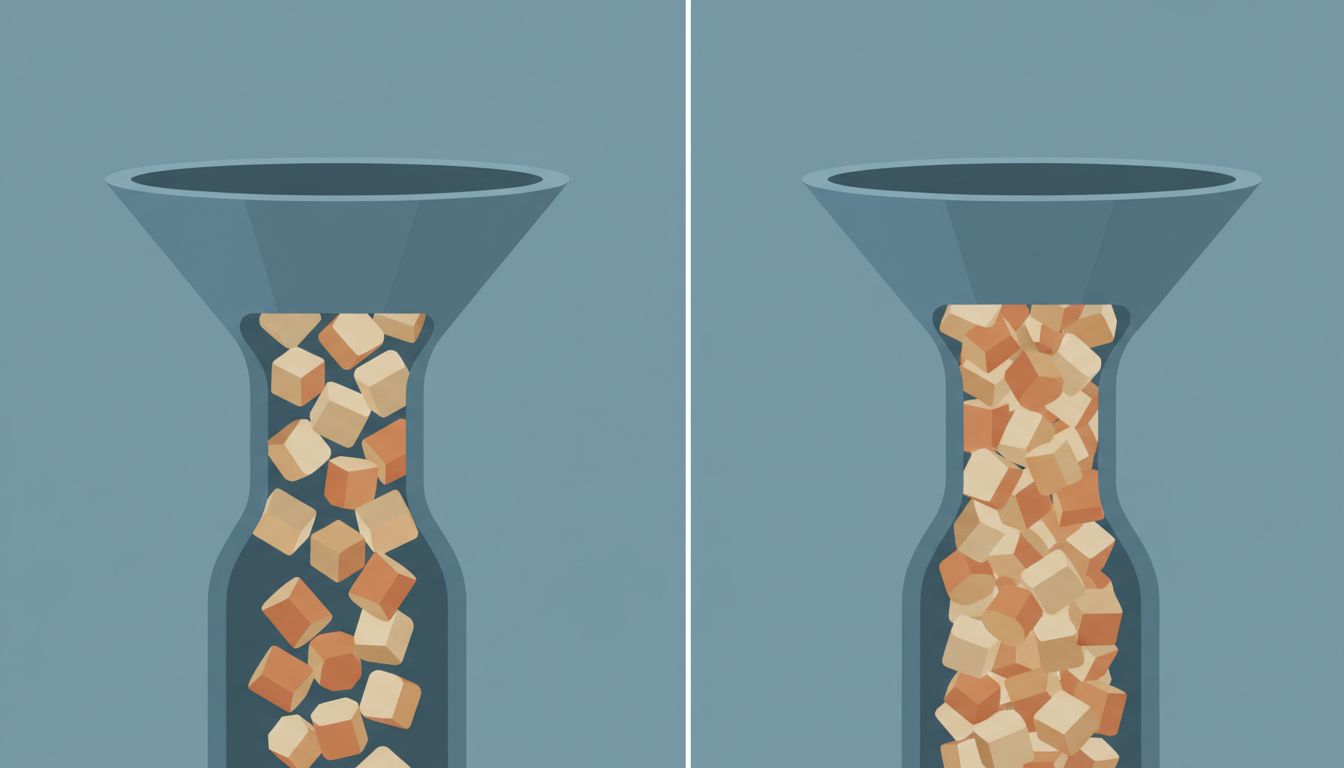
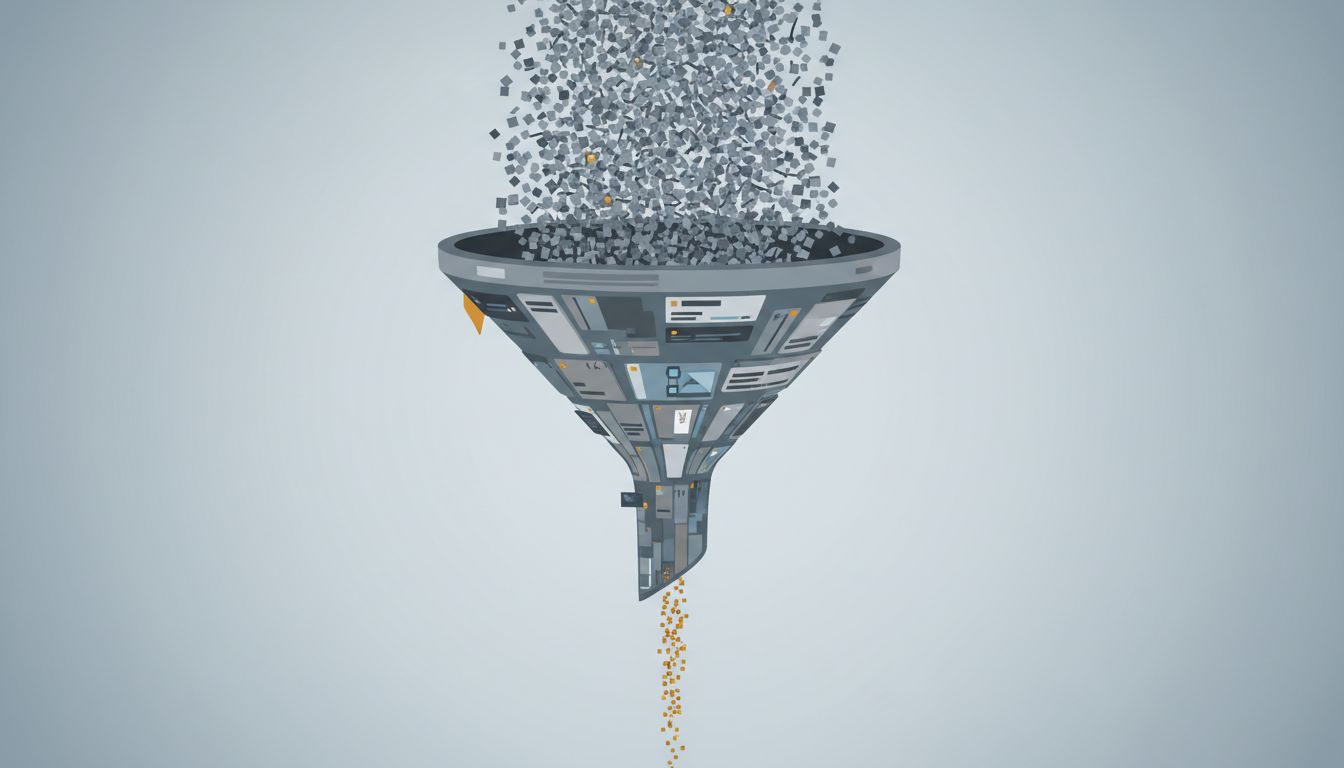
The problem is that GTD, implemented faithfully in software, produces something that functions less like a productivity system and more like a very well-organized holding tank. Every new task gets a home. Projects expand to accommodate complexity. The weekly review becomes a ritual of acknowledging how much you haven’t done and reshuffling it forward.
Mann’s version of this had hundreds of items across dozens of projects. He was capturing everything. He was reviewing diligently. He was, in his own description, “processing” tasks rather than doing them. The system had become something to tend, not something to work from.
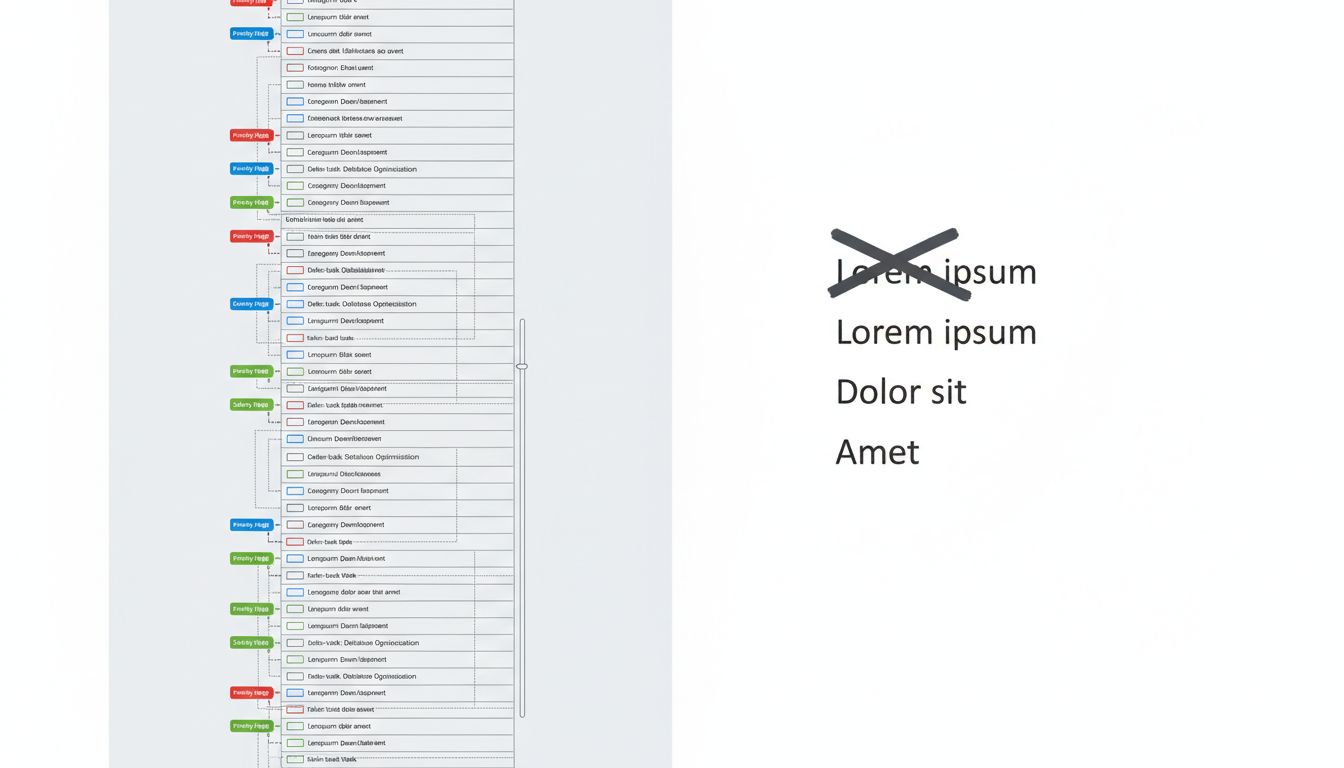
He described the feeling in a 2009 post: the list had become a way of feeling productive without being productive. Adding a well-tagged task to the right project list scratched the same psychological itch as completing work, but without the output.
What Happened
Mann’s response was radical by productivity-nerd standards. He stopped trying to maintain a comprehensive system. He reduced his list to a small number of items he actually intended to do that day. He got rid of the elaborate project hierarchies. He made finishing things the metric, not capturing them.
The practical version of this he landed on was something close to what he later called “the three most important things” approach: each day, identify the small number of tasks that would make the day genuinely successful if they got done. Not everything on the master list. Not the urgent small stuff. The things that actually matter.
This sounds simple. It is simple. It’s also genuinely difficult to do, because it forces a choice that task-capture systems let you avoid indefinitely: deciding what matters enough to actually do.
Mann also pulled back from writing extensively about productivity systems, which he addressed directly. He’d noticed that writing about productivity had itself become a way of avoiding the work he was supposed to be getting done. The meta-productivity trap is real, and he was one of the first people with a platform to name it publicly.
Why This Matters
The tools we use today have evolved significantly since 2007, but the underlying problem Mann identified has gotten worse, not better. Modern task apps (Notion, Todoist, Linear, Asana) are extraordinarily good at capturing and organizing work. They have templates, automations, integrations, custom views, and AI-assisted sorting. Every friction point in the capture process has been smoothed away.
Adding a task is now near-instant. Finishing one still takes as long as it ever did.
This asymmetry isn’t accidental. These tools are largely measured on engagement, on how much you use them, on how many tasks flow through them. A system that helped you finish your list and stop using the app would be a strange product to build. So the features that ship are the ones that make the system richer, more capable, more worth maintaining. Not necessarily more effective at producing finished work.
There’s a related issue with how these systems handle priority. Most to-do apps treat priority as a tag you apply to a task. But tagging something as high-priority and scheduling protected time to do it are very different acts. The first is administrative. The second is a commitment. Tools optimize heavily for the first because it requires no friction, and almost not at all for the second because time commitment is genuinely hard to build features around.
The result is what Mann found himself in: a list full of high-priority items, none of which had actual time attached to them, all of which kept accumulating.
What You Can Learn
The lesson isn’t that to-do apps are bad or that GTD doesn’t work. The lesson is that any system you use will get better at whatever you practice with it. If you practice capturing tasks, you’ll get very good at capturing tasks. If the system makes finishing feel less rewarding than adding (and most do, because finishing removes the item while adding creates visible progress), you’ll unconsciously optimize for the part that feels better.
A few adjustments that come directly from Mann’s experience:
Shrink your daily list until it hurts. If you have more than five items on today’s list, you probably haven’t decided what actually matters. The discomfort of cutting items is the point. That discomfort is what deciding feels like. As the productivity system worth using is probably ugly argument goes, the friction of a simpler system is often a feature.
Separate your capture list from your work list. Your inbox and your to-do list for today are different things. Let your capture system be as comprehensive as it wants to be, but your working list for any given day should be curated separately, by hand, with deliberate choices about what gets included.
Notice when you’re tending the system instead of using it. Reorganizing your tags, updating project statuses, refining your review workflow: these feel like productivity and produce none of it. Set a time limit on system maintenance. If you’re spending more than fifteen minutes a week on the structure of your list, the structure is probably the problem.
Attach time, not just priority. A task without a scheduled block of time isn’t really planned. It’s aspirational. “Important” and “Tuesday at 10am” are completely different things, and only one of them will actually get done.
Mann’s evolution is worth taking seriously precisely because he was genuinely expert at the thing he realized wasn’t working. The insight didn’t come from someone who’d never tried. It came from someone who’d optimized the system all the way to its logical conclusion and found something disappointing waiting there.
Your to-do list is probably excellent at its job. The question is whether its job is the same as yours.