
The Setup
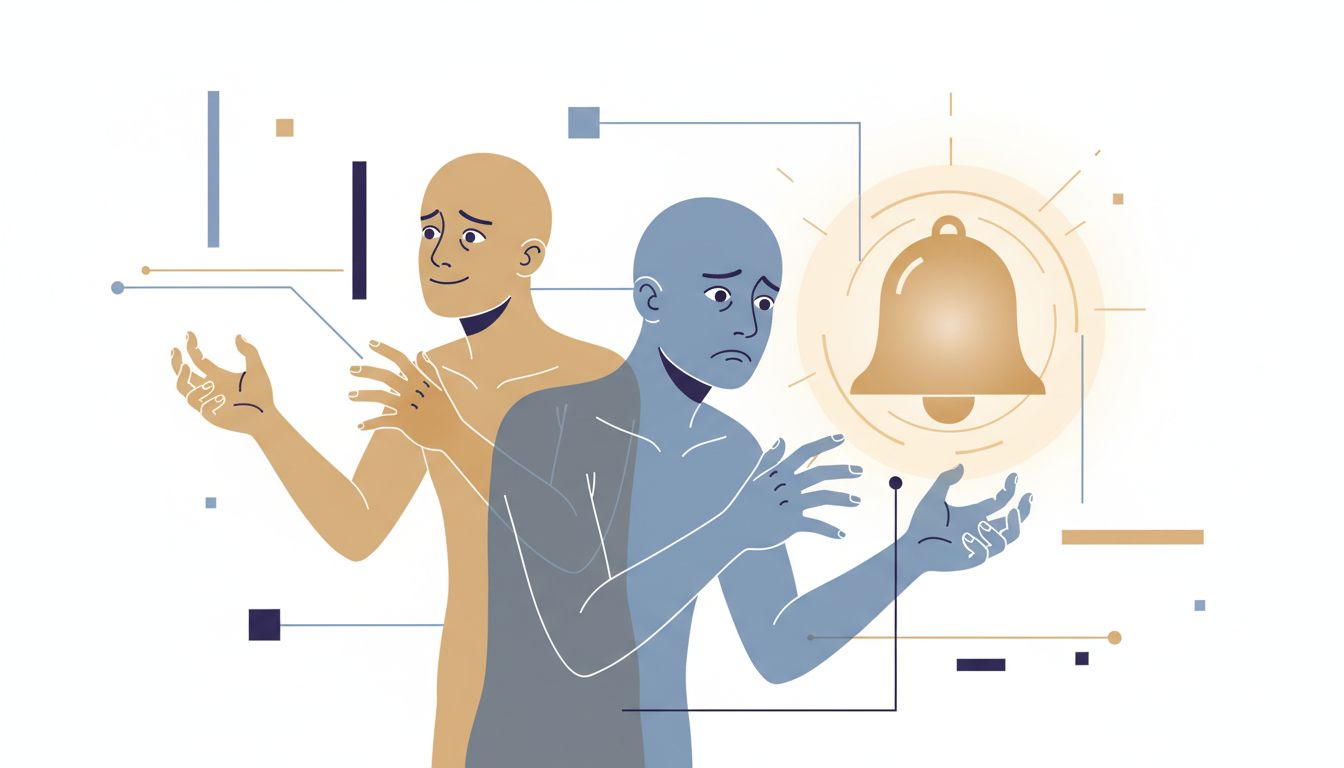
A mid-sized SaaS company, about 60 people, was struggling with something that didn’t show up in their sprint velocity numbers or their bug count. The engineers were technically shipping. Standups happened. Retrospectives happened. Quarterly reviews happened. But the senior developers kept flagging the same problem in one-on-ones: they couldn’t think.
Not couldn’t think in the existential sense. Couldn’t think in the concrete, practical sense of: I sat down to architect this service and within 25 minutes I had to leave for a check-in. Three hours later I came back and I’d lost the thread entirely.
The engineering manager, someone who had come up through backend development before moving into management, decided to treat this as a diagnostic problem rather than a morale problem. She pulled calendar data for her eight-person core team across four weeks. What she found was uncomfortable.
What the Calendar Data Actually Showed
The team’s meetings weren’t randomly distributed. They were clustered, by accident and by org-wide convention, in the 9 AM to noon window. The rationale made a certain kind of sense: get the meetings done in the morning so the afternoon is free for work. It’s a philosophy a lot of teams land on.
The problem is that for most developers on this team, 9 to noon was precisely when their cognitive performance peaked. Not because of anything mystical about mornings, but because that window sat before lunch fatigue, before the accumulation of small decisions and context switches that wear down working memory as the day progresses. The research on decision fatigue and cognitive depletion is real and reasonably well-established, even if the pop-science versions overstate the precision.
So what the calendar audit revealed was this: the team had unintentionally scheduled their sharpest hours for synchronous coordination (standups, sprint planning, one-on-ones, cross-team syncs) and left their duller afternoon hours as the nominal “focus time.” Then they wondered why complex architectural work kept getting deferred.
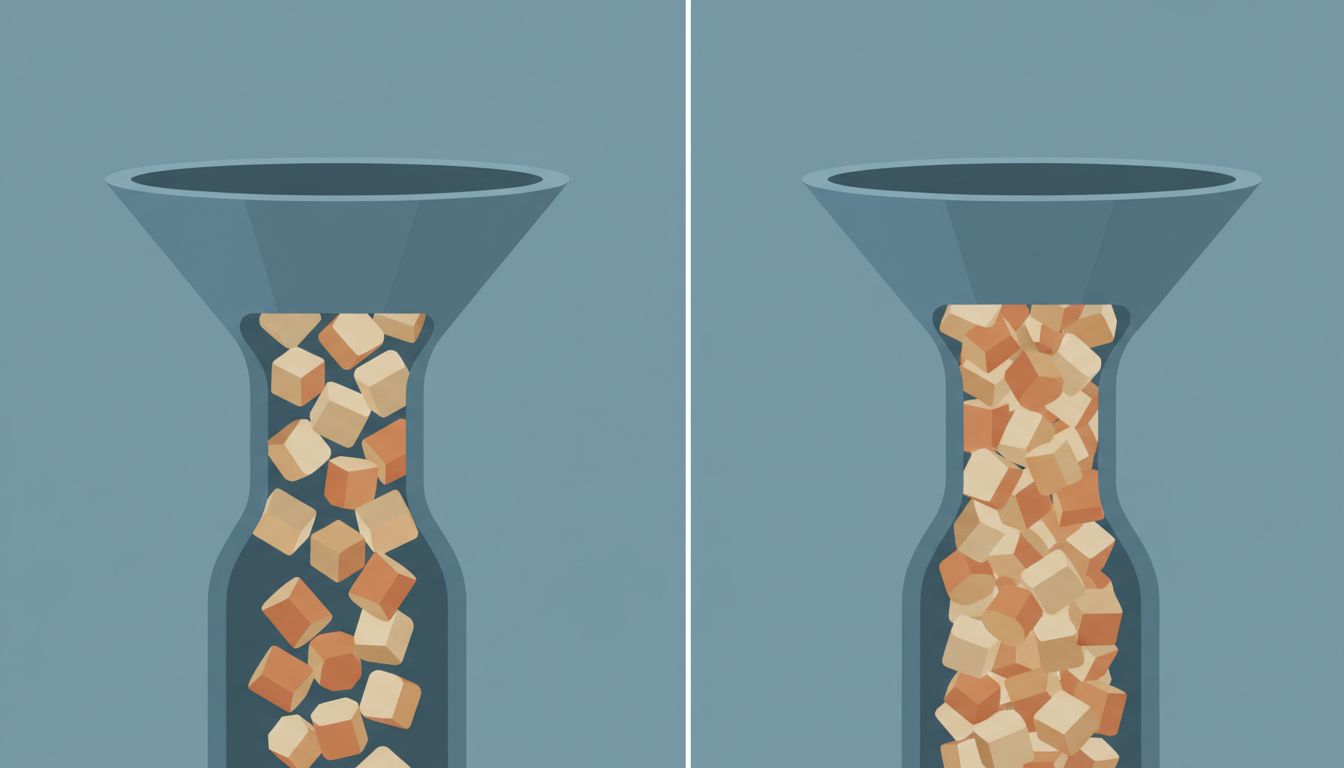
The numbers from the audit were stark. On average, each engineer had fewer than 90 continuous uninterrupted minutes in the 9-to-noon window across a given week. The rest was fragmented into blocks of 20 to 40 minutes between meetings. For context, research on flow states (the condition where skilled workers do their most productive, high-quality work) generally suggests it takes 15 to 25 minutes just to enter that state. A 25-minute block before the next meeting isn’t focus time. It’s setup time that gets interrupted before it pays off.

The Intervention
The manager made a change that sounds obvious in retrospect: she flipped the model. Meetings moved to afternoons, with a hard rule that nothing requiring deep individual thinking could be scheduled before noon without a specific, stated reason.
This wasn’t a “no meeting Wednesdays” policy, which in her view treated the symptom rather than the cause. Those policies tend to concentrate meetings on the remaining days, often making Tuesdays and Thursdays worse while giving Wednesday a kind of false productivity theater. Instead, the rule was temporal: mornings belong to individuals, afternoons belong to coordination.
Standups moved to 1 PM. One-on-ones moved to late afternoon. Sprint planning, which had been Monday morning, moved to Monday at 2 PM. The team’s cross-functional sync with product and design, previously a 10 AM anchor that split every Tuesday morning in half, moved to 3 PM.
There was resistance, mostly from stakeholders outside the team who had their own morning meeting preferences. The manager held the line, which required some organizational cover from her director. This is worth naming: calendar reform is a team-level intervention that often requires top-down permission. An individual engineer cannot unilaterally protect their mornings if their manager schedules over them. The protection has to be structural.
What Changed
Over the following six weeks, the team tracked a few things informally: self-reported focus quality (simple 1-5 daily log), the rate at which complex tasks got broken into multiple sessions versus completed in a single sitting, and the frequency of late-stage redesigns caused by decisions made in fragmented conditions.
The self-reported focus scores went up meaningfully, which is subjective but not meaningless. Engineers who had been logging 2s and 3s shifted toward 4s. More concretely, the rate at which architectural design work required restarts dropped. Before the change, the team’s tech lead estimated he was rebuilding mental context on the same problem an average of three or four times before a design was finalized. After the change, that number dropped significantly because he could hold a problem in his head long enough to actually resolve it.
The late-stage redesign rate is harder to quantify, but the team’s retrospectives after the calendar change started surfacing fewer “we didn’t think this through” complaints about recent work. That’s a lagging indicator, and six weeks is a short window, but the direction was clear.
Why This Keeps Happening
Calendars accumulate meetings the way codebases accumulate technical debt: gradually, through individually reasonable decisions that compound into an unreasonable whole. Each meeting gets scheduled because it has legitimate value. No one sits down and deliberately destroys their team’s thinking time. They just accept a 9:30 AM recurring because that’s when everyone was free that week, and then it runs forever.
There’s also a visibility problem. Meeting time is legible. It appears on calendars, gets tracked by scheduling tools, produces artifacts (notes, action items, decisions). Deep focus work is largely invisible. It doesn’t appear on calendars as a block, it doesn’t generate a notification when it’s interrupted, and it’s genuinely hard to measure. So in any optimization process, the visible thing wins. Meetings proliferate because they look like activity. Focus time shrinks because its absence is silent.
This is related to a broader pattern in engineering organizations where the outputs that are easy to measure get managed, and the ones that are hard to measure get neglected. Meeting attendance is easy to measure. Quality of thinking is not.
And sometimes, frankly, meetings serve a different function than their stated purpose. If you’ve ever sat in a meeting that could have been a Slack message, or watched a team schedule a check-in specifically to delay a decision, you already understand this. The meeting scheduled to avoid a decision is a real phenomenon, and it tends to land right in the middle of prime working hours.
What to Actually Do
The lesson from this team isn’t “have fewer meetings.” Meetings do real work. Coordination is not optional. The lesson is that meeting placement matters as much as meeting count, and most teams have never audited placement at all.
Start with a calendar audit. Pull four weeks of data for your team. Map out where the meetings fall relative to what you know about when your people do their best work. Ask your team directly: when do you feel sharpest? When do you feel ground down? The answers will vary by person, but within a team you’ll usually find enough overlap to identify a pattern worth protecting.
Then make the protection structural. A norm is not enough. A norm that says “try to keep mornings free” will erode within a quarter because norms yield to scheduling pressure and norms don’t show up in anyone’s calendar rules. A structural rule, enforced by the manager with explicit top-down support, is what actually holds.
The goal is not to produce a more pleasant schedule. The goal is to stop fragmenting the kind of thinking that produces your team’s best work, because that work is harder to replace than most calendar owners realize when they click “add guests.”