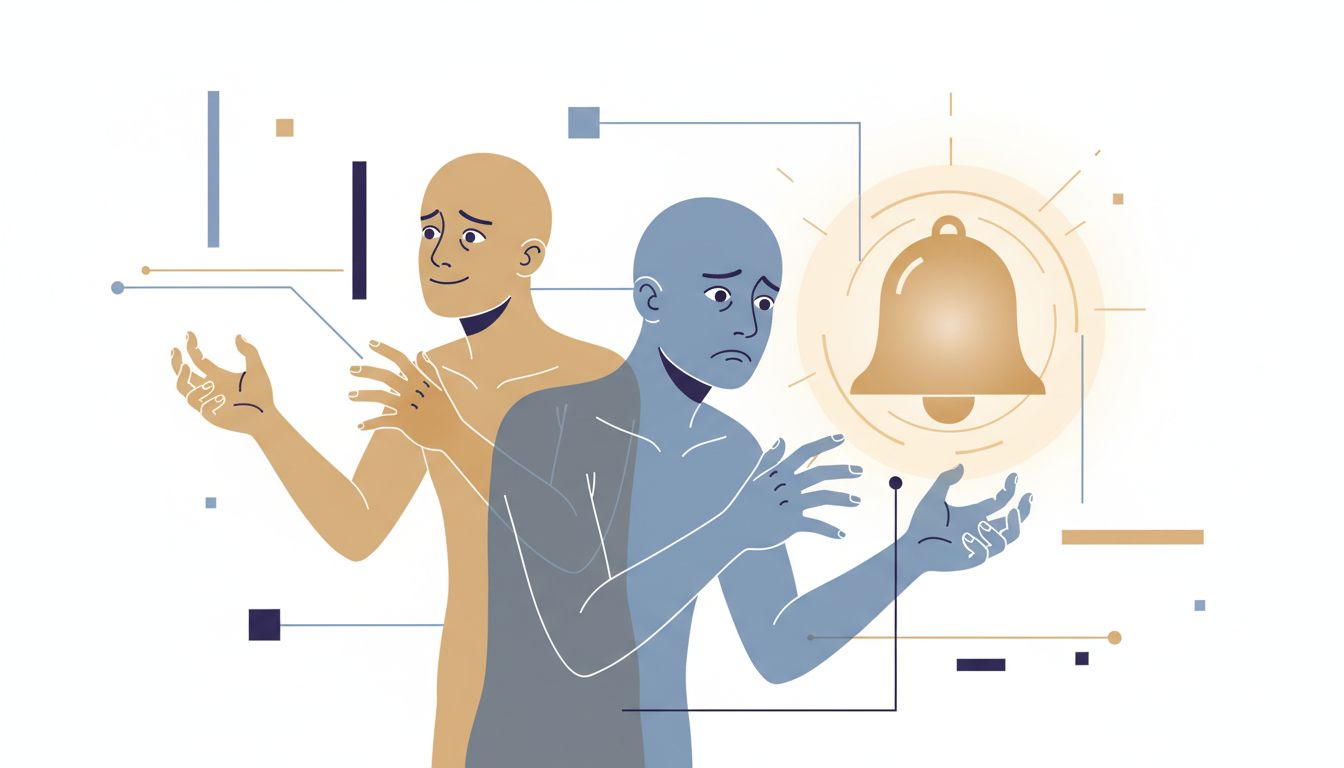
Cancelling a meeting feels like a small victory. You get the hour back, everyone exhales, and the thing somehow resolves itself over Slack. But the relief is diagnostic, not triumphant. If cancelling the meeting was easy, the meeting probably never needed to exist.
This isn’t about being anti-meeting. Synchronous conversation is genuinely irreplaceable for certain kinds of work: building trust with a new team member, working through a genuinely ambiguous decision where tone matters, doing real-time debugging together. The problem is that most scheduled meetings aren’t those things. They’re defaults, habits, and anxiety management disguised as collaboration.
Here’s what the pattern actually reveals.
1. The Meeting Was a Placeholder for a Decision
Someone needed a decision made, but didn’t feel empowered to make it or propose one in writing. So they scheduled a meeting. The meeting exists not because the problem requires synchronous conversation, but because the organization hasn’t built a working alternative.
The tell is that the agenda is a topic, not a question. “Q3 priorities” is a topic. “Should we cut the mobile feature to hit the September deadline, and if so, which one?” is a question. Meetings built around topics meander. Meetings built around specific questions either resolve quickly or reveal that the real blocker is missing information, which means the meeting was premature anyway.
If you find yourself cancelling this kind of meeting regularly because “we figured it out before it happened,” the real fix is to write the proposed decision down before scheduling. Often the act of writing it surfaces the answer, or reveals who actually needs to be consulted.
2. The Recurring Meeting Is Running on Inertia
Recurring meetings are infrastructure. They seemed necessary when someone set them up, and now they persist because removing them requires more activation energy than just showing up. The weekly sync, the monthly all-hands, the biweekly check-in: these have a half-life, and most organizations never measure it.
The useful question is: what would break if we cancelled this permanently? Not “what would we miss,” which is a feelings question. What would actually fail to happen, what decision would go unmade, what information would stop flowing? If you can’t answer that concretely, the meeting is probably running on social habit rather than functional necessity.
Cal Newport has written extensively about how distributed teams that are forced to be intentional about communication often end up with dramatically less synchronous overhead than collocated teams, not because they communicate less but because they design their communication rather than defaulting to presence. What distributed teams figured out about deep work gets at some of this: the teams that do it well have usually replaced recurring syncs with structured async artifacts.
3. Too Many People Were Invited
Meetings scale badly. A one-on-one conversation is fast and candid. Add three more people and you’ve introduced social dynamics that slow everything down. Add six and half the room is waiting for their turn to speak or disengaging entirely.
The Amazon two-pizza rule is well-known enough to be a cliché, but the underlying logic is sound: beyond a certain size, a meeting stops being a working session and becomes a broadcast with a Q&A. Those serve different purposes. If your meeting has more than five or six people and isn’t a structured presentation, it’s almost certainly the wrong format for what you’re trying to accomplish.
When you cancel a meeting and realize most invitees didn’t even notice, that’s the over-invitation problem in plain view. The people who needed to be there were probably two or three of them.
4. The Pre-Read Didn’t Exist
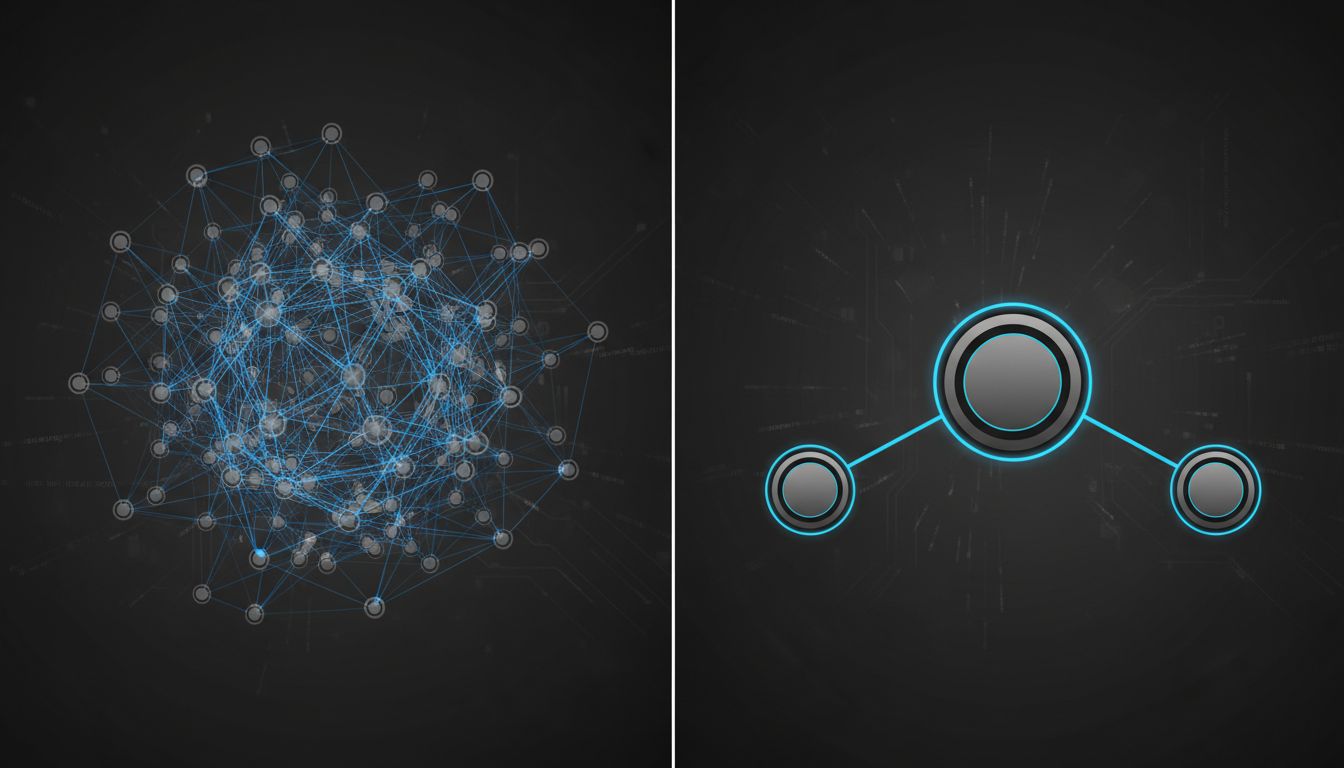
A meeting without pre-read material is asking everyone to do the thinking in real time, together, out loud. That’s fine for brainstorming. It’s terrible for evaluation, review, or decision-making, because people arrive at different levels of context and the first twenty minutes is information transfer that could have been an email.
The discipline of writing a pre-read forces the meeting organizer to clarify what they actually need from the group. It’s not uncommon to get halfway through drafting the document and realize the decision can just be made, or that you need one specific person’s input rather than a group discussion. The document becomes a forcing function.
This is related to the broader principle that writing is thinking. The organizations with the highest-quality meetings (Amazon’s six-page memo culture is the canonical example) aren’t meeting less because they’re more productive, they’re more productive because writing before meeting surfaces bad assumptions before they consume everyone’s time.
5. The Meeting Was Anxiety in Disguise
This one is uncomfortable to say directly, so let’s say it directly: a significant portion of meetings exist because the organizer is anxious about alignment, progress, or visibility, and meeting feels like doing something about it.
Standing up a project kickoff with twelve stakeholders is often less about coordination and more about feeling like everyone has been informed, so that later problems can’t be attributed to lack of communication. Status update meetings where the manager does most of the talking are often about reassurance. Check-ins scheduled the day before a deadline serve the organizer’s nerves more than the team’s work.
None of this is a character flaw. Organizations that punish context-switching and interrupt deep work are the environment in which this behavior makes rational sense. But recognizing it means recognizing that the fix isn’t better meeting hygiene, it’s addressing the underlying trust and visibility problems that make the anxiety meeting feel necessary.
6. The Outcome Was Never Defined
Ask yourself before scheduling any meeting: what would have to be true at the end of this conversation for it to have been worth everyone’s time? If you can’t answer that in one specific sentence, you’re not ready to schedule the meeting.
This sounds obvious and almost no one does it. The outcome can be a decision, a prioritized list, a shared understanding of a constraint, a go/no-go. It cannot be “discuss” or “align on” or “touch base about.” Those are activities, not outcomes. Activities can go on indefinitely. Outcomes can be evaluated.
When you have a clear outcome defined, something useful happens: you can often find a lighter-weight path to it. Maybe the outcome is a yes or no from one person, and that person can just be messaged. Maybe the outcome is that two engineers agree on an interface, and they can do that in a shared doc with comments. The meeting becomes the option of last resort rather than the first instinct.
Cancelling a bad meeting is good. Designing work so the bad meeting never gets scheduled is the actual goal.