

The simple version
Most meetings exist because someone didn’t want to make a decision alone, send a long email, or be held accountable for a judgment call. Once you see that pattern, you can’t unsee it.
Why meetings multiply without anyone planning it
No one schedules a meeting thinking, “I’m going to waste six people’s afternoon.” Meetings accumulate through a series of individually reasonable decisions: someone needs buy-in, someone else wants to keep stakeholders informed, a third person learned early in their career that things go wrong when people aren’t aligned. All of that makes sense in isolation.
The problem is that organizations never build the opposite habit. You learn to schedule meetings. Nobody teaches you to challenge whether one is necessary. So every ambiguous situation defaults to “let’s get everyone together,” and the calendar fills up with recurring check-ins that outlive whatever problem they were created to solve.
Research from Microsoft’s Work Trend Index has consistently found that meeting time has grown substantially in recent years, with workers reporting that a significant portion of their meetings feel unproductive. That’s not surprising when you understand what most meetings are actually doing: they’re a social technology for managing uncertainty and avoiding individual accountability. The meeting doesn’t solve the problem. It distributes the discomfort of uncertainty across a group.
The four meetings that probably shouldn’t exist
Not all bad meetings look the same. Here are the types worth scrutinizing:
The status update. If a meeting’s main output is information flowing from people to a manager, that information could almost certainly travel as a written update. Status meetings persist because managers feel more confident hearing information spoken aloud, and because they provide a gentle social pressure that written reporting doesn’t. Neither of those is a good enough reason to pull four people out of focused work. If you’re spending your best hours on low-effort work, status meetings are often where those hours go.
The alignment meeting. This one is scheduled when someone is nervous that people on a project might be working at cross-purposes. Sometimes that’s a real problem. More often it’s a vague anxiety that’s easier to schedule around than to investigate. Before calling this meeting, ask: what specific misalignment are you trying to prevent? If you can’t name it precisely, you’re not ready to hold the meeting.
The decision meeting. This sounds legitimate because decisions need to be made. But a meeting is a poor decision-making tool. Discussion gets dominated by the loudest voice, important concerns get raised in the last five minutes, and people agree to things in rooms that they quietly relitigate afterward. Strong decisions usually come from one person doing real analysis, sharing a written recommendation, and collecting structured feedback. The meeting, if there is one, should be short and focused only on genuine disagreement.
The recurring meeting that nobody has ever canceled. Weekly syncs, monthly reviews, quarterly check-ins. These were scheduled for a reason that may or may not still apply. Nobody cancels them because canceling feels like you’re abandoning something important. Set a rule: every recurring meeting needs to earn its slot each quarter. If no one can articulate why it still needs to happen, it doesn’t.
What the meeting is actually replacing
When you cancel a meeting, you have to replace it with something. This is where people get stuck. They cancel the meeting, the work doesn’t happen, someone complains, and the meeting gets rescheduled.
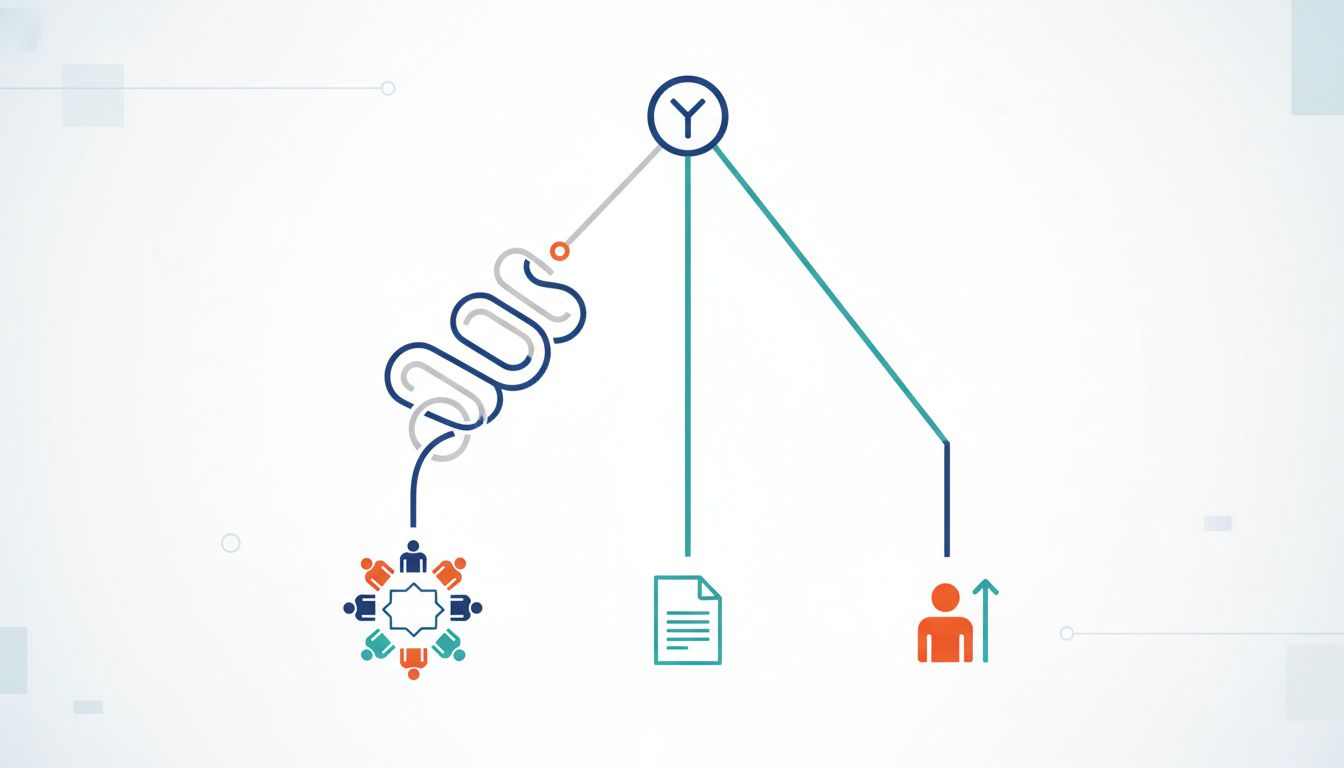
The replacement is usually one of three things:
A written document. A well-written one-pager or memo does more work than most meetings. It forces the author to clarify their thinking before anyone else engages with it. It lets readers absorb information at their own pace. It creates a record. Amazon’s practice of writing six-page narrative memos before executive meetings is famous partly because it sounds unusual, but the underlying logic is just good epistemics: writing forces rigor in ways that talking doesn’t.
An asynchronous thread. For decisions that need input from several people but don’t require real-time interaction, a shared document or structured message thread works fine. The key word is structured. “Thoughts?” dropped into a Slack channel is not a substitute for a meeting. A clearly framed question with a deadline for responses is.
An individual decision. This is the one people avoid most. Many meetings exist because whoever called them didn’t want to be the person who decided. Distributed accountability is comfortable. But if you look at most decisions that get brought to a meeting, one person in the room has more context, more stake, and more relevant expertise than everyone else. That person should probably just decide. Let the others know. Move on.
How to actually change your meeting habits
Knowing that meetings are often wasteful doesn’t automatically make you better at running them. Here’s what actually helps:
Require a written agenda with a stated purpose before every meeting. Not a list of topics. A sentence that says: “By the end of this meeting, we need to have decided X” or “we need Y person to understand Z well enough to take action.” If no one can write that sentence, the meeting isn’t ready to happen.
Default to 25 or 50 minutes instead of 30 or 60. This sounds trivial but it isn’t. Parkinson’s Law applies directly to meetings: discussion expands to fill the time allocated. Shorter defaults force people to get to the point and create natural buffer time between back-to-back meetings.
Build in a meeting-free block every day. This doesn’t need to be a company-wide policy to be useful for you personally. Block two or three hours that you protect. Over time, people who need you learn to route around that block with async requests, and many of those requests resolve themselves before you’d have met anyway.
When someone asks for a meeting, ask what outcome they need first. Most people haven’t thought about it. The question itself often surfaces that a five-minute conversation or a short email would serve better. You’re not being obstructionist. You’re helping them think clearly about what they actually need.
The meeting you canceled yesterday probably saved a few hours of collective time. But the real leverage is upstream, in building habits and norms that mean fewer of those meetings get scheduled in the first place. That’s not about being anti-social or hard to reach. It’s about respecting what focused time is actually worth, for you and for everyone else in the room.