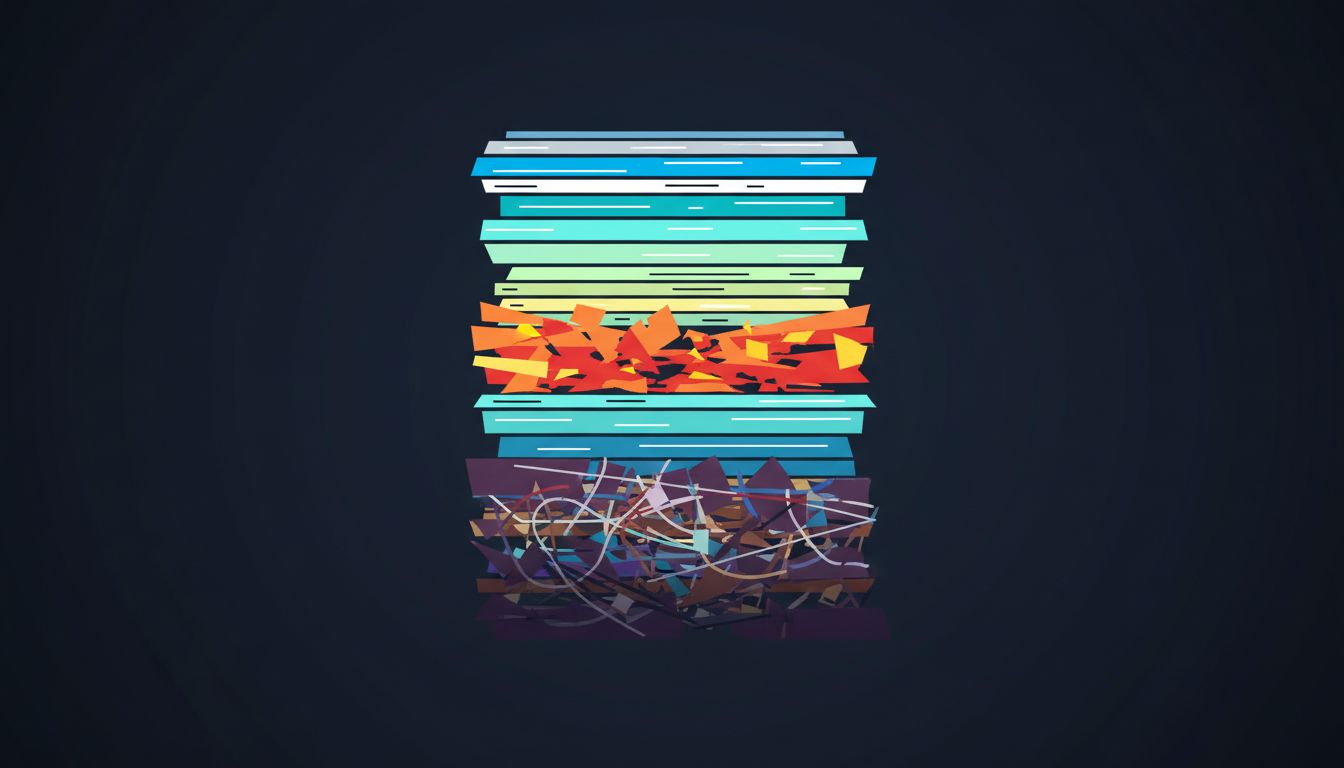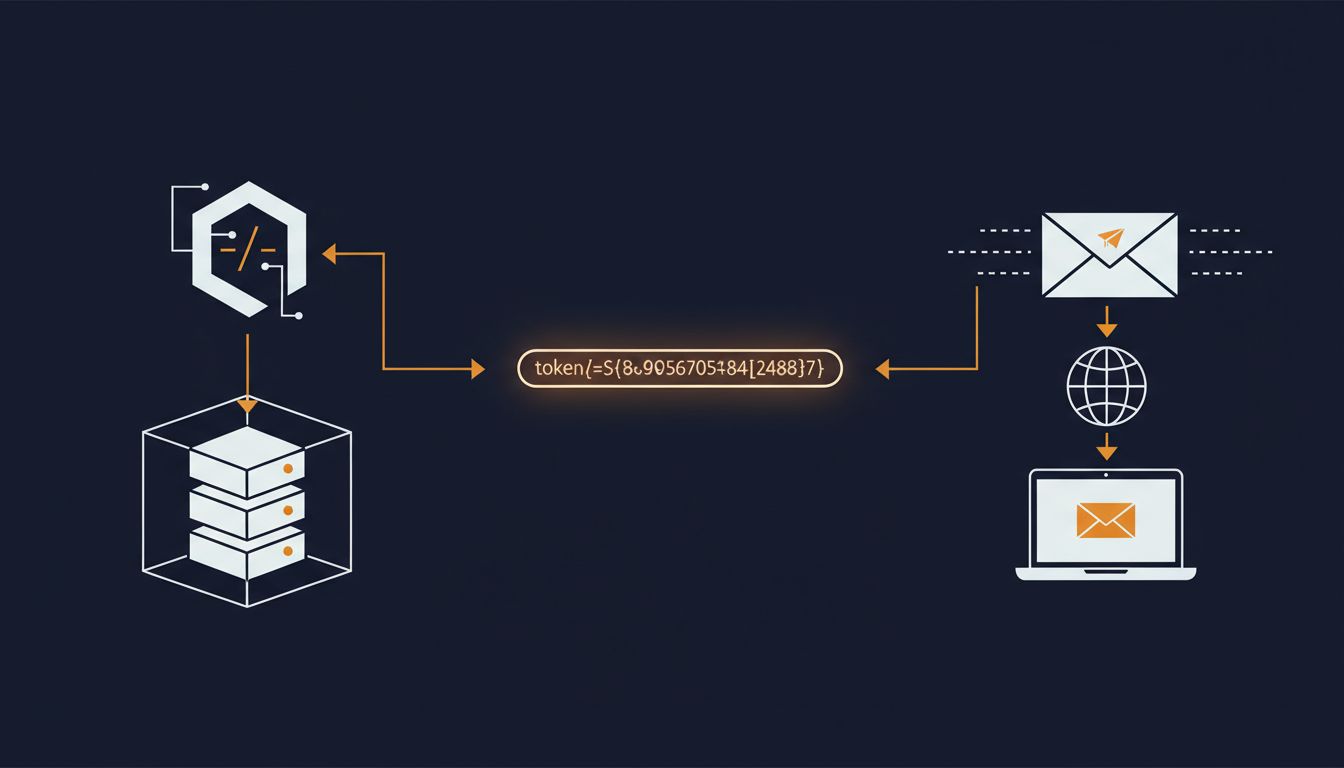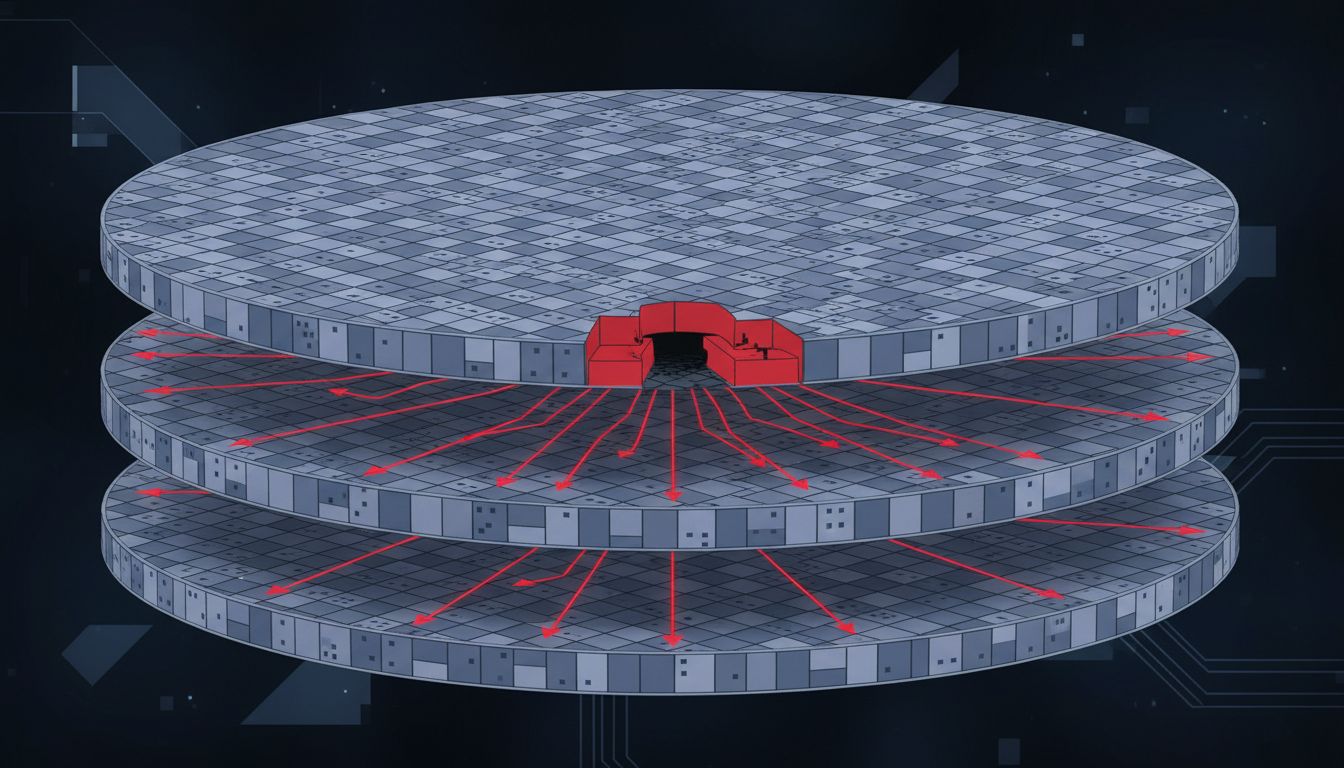
A crash is honest. The program stops, the stack trace appears, and you know exactly where to look. The bug that never crashes your program is a different animal entirely. It corrupts data quietly, produces wrong answers with confidence, and lets you keep running for weeks or months before anyone realizes the results have been garbage the whole time.
This is the class of bug that actually destroys trust in software. Not the segfaults and null pointer exceptions that developers treat like urgent emergencies, but the ones that sit in production looking perfectly healthy while doing exactly the wrong thing.
The Two Categories of Wrong
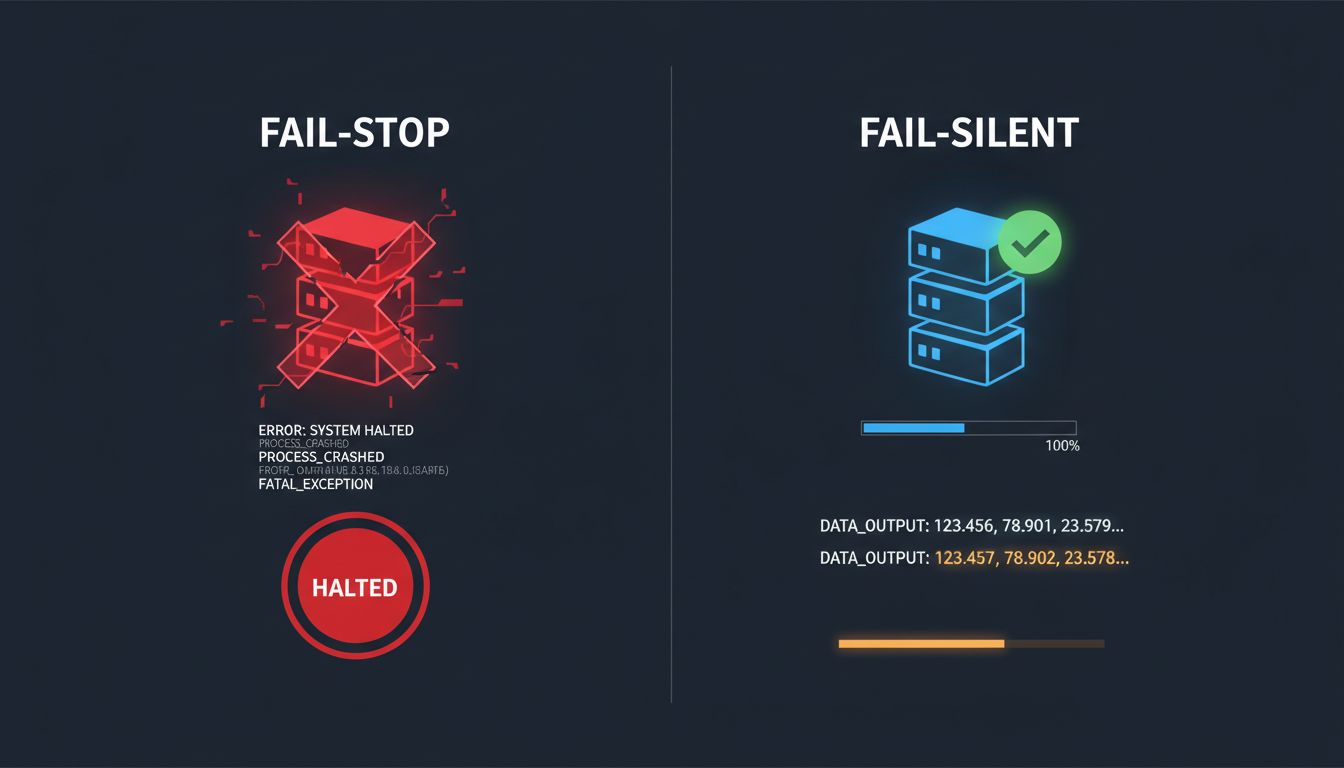
Software failures split cleanly into two categories: fail-stop and fail-silent. Fail-stop systems do exactly what the name suggests. They detect an inconsistency and halt. A database that refuses to write when it can’t confirm durability, a type system that rejects code that doesn’t make sense, a process that panics rather than continuing in an undefined state. These feel bad when they happen. They are actually the better outcome.
Fail-silent systems keep running. They return a value. They increment a counter, write to a log, and report success. The value might be wrong. The counter might be off by one, consistently, in a way that only becomes apparent when someone runs an audit months later. The log might be missing entries due to a race condition that triggers only under specific load. Success is reported regardless.
The trouble is that most production systems skew toward fail-silent by accident. Developers suppress errors to avoid downtime. Exception handlers log and continue. Fallback logic kicks in silently when a primary path fails. Every one of these choices is defensible in isolation. Together they build a system that will never tell you when it’s lying.
The Specific Damage Model
Think about what fail-silent bugs actually cost. A payment system that double-counts transactions under concurrency doesn’t crash. It processes the order and moves on. The discrepancy surfaces in a reconciliation report, or in a customer complaint, or in an audit. By then, the corrupt state has propagated. Fixing the root cause is the easy part. Figuring out which records are wrong, and by how much, and what downstream systems were affected, is the actual work.
The same pattern shows up in data pipelines. An ETL job that silently drops rows when it encounters a malformed record doesn’t alert anyone. The dashboard keeps refreshing. The metrics look plausible. Decisions get made from data that is missing some unknown fraction of its inputs. The bug might stay hidden until someone notices a number that seems low and decides to investigate, which requires either a lot of luck or a very disciplined data engineering culture.
This is why financial systems and safety-critical software invest so heavily in assertion checks, checksums, and invariant validation. They’re not just being paranoid. They have calculated that the cost of a false halt is much lower than the cost of a silent corruption that compounds over time. NASA doesn’t want the Mars rover to keep executing commands when its sensor readings are contradictory. It wants the rover to stop and wait.
Why We Build Systems That Lie to Us
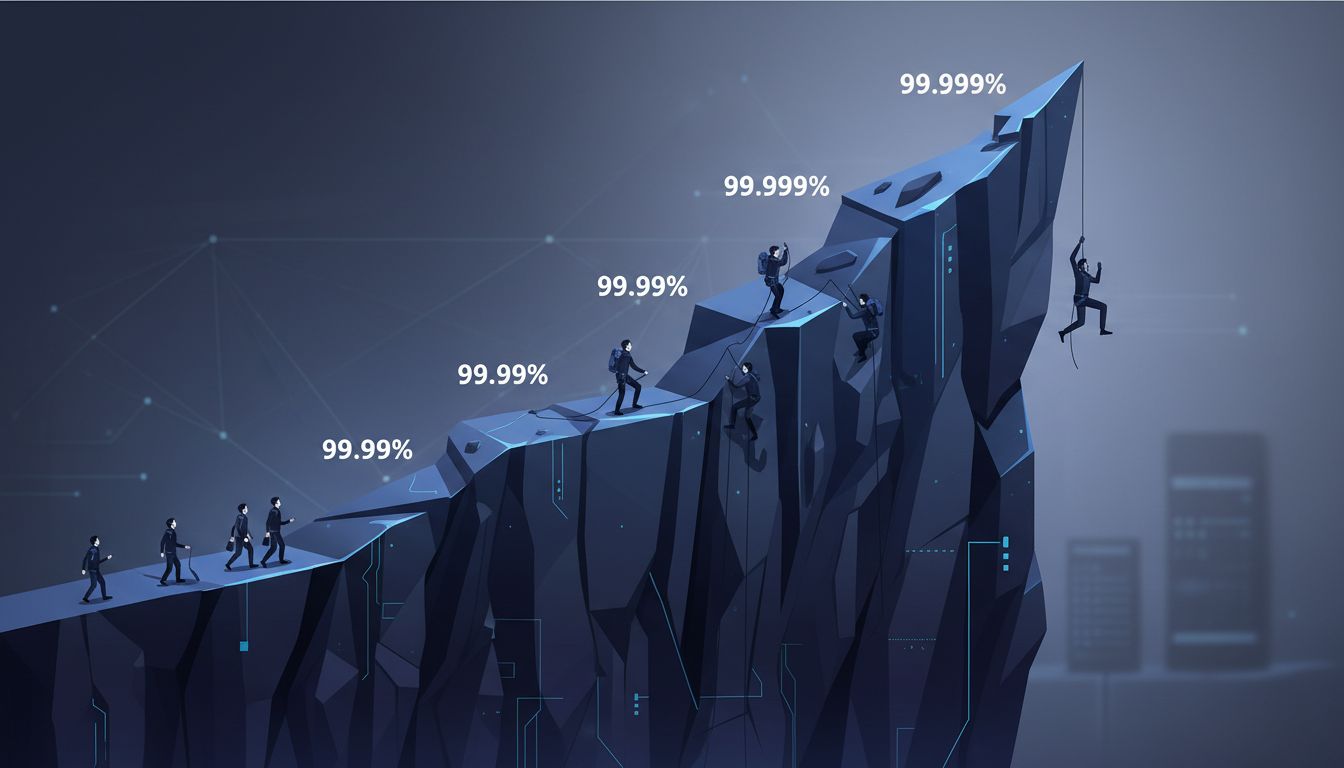
The engineering incentives point in the wrong direction. Availability is measured and graphed. Silent data corruption rarely is. A team gets paged when a service goes down. Nobody gets paged when a calculation returns 99.3% of the correct answer every time. Uptime numbers look good in postmortems. “We silently miscounted user sessions for six weeks” doesn’t appear in SLO dashboards.
There’s also a cultural factor. Crashes feel like failures. A developer who adds aggressive assertion checks that cause the program to halt on unexpected inputs will get questions about why the system is crashing, not praise for surfacing hidden assumptions. The developer who catches and suppresses the exception so the service keeps running gets credit for keeping the lights on.
This incentive structure is backwards, but it’s deeply embedded. Oncall rotations optimize for reducing pages, which means reducing stops, which means more silent failures. It takes deliberate effort to push against it.
What Defensive Engineering Actually Looks Like
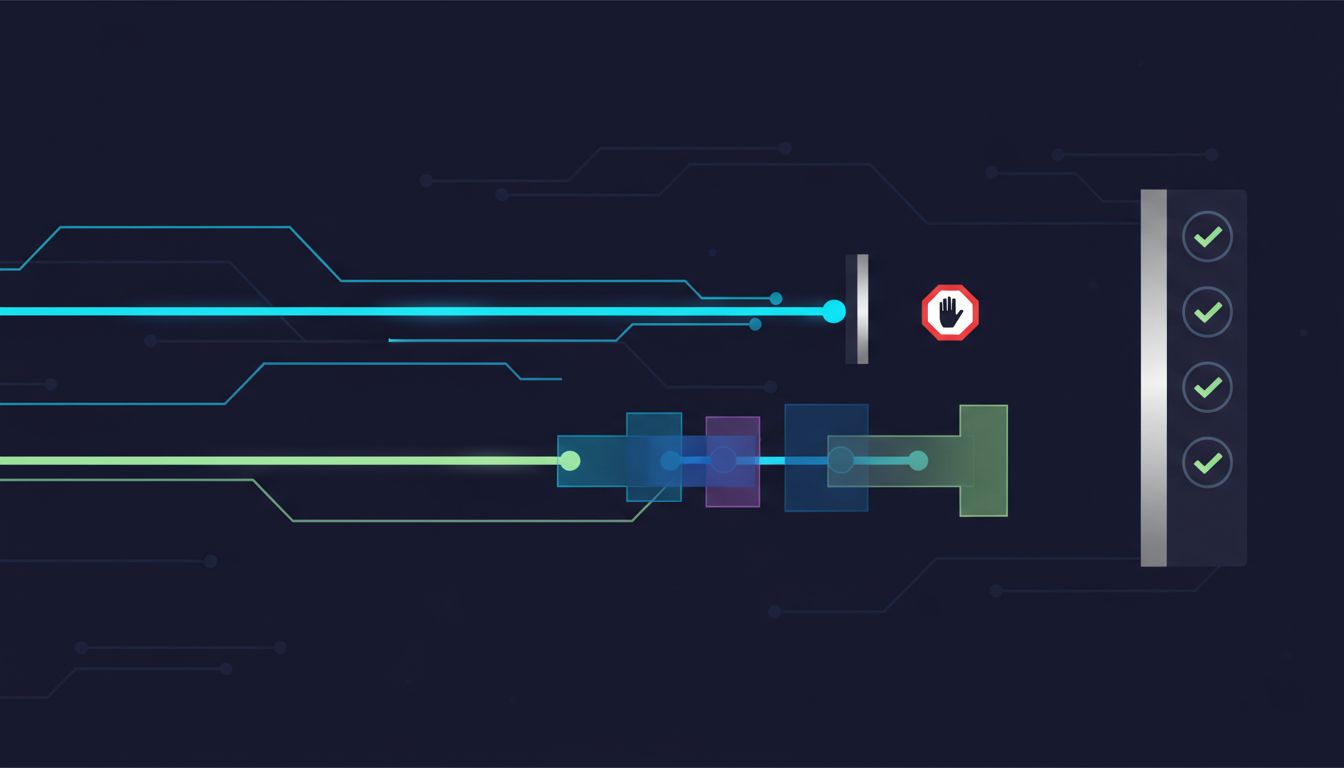
The practical antidote is to build systems that are allergic to running in bad states. A few concrete practices that actually move the needle:
Assertions in production, not just in tests. The instinct to remove assertion checks from release builds (a practice C and C++ developers will recognize) is wrong for most applications. The performance cost is rarely significant, and the value of catching a violated invariant before it corrupts more state is high.
Explicit error types instead of sentinel values. A function that returns -1 to signal failure, or an empty string, or null, is setting up every caller to silently ignore that failure by accident. A type system that forces callers to handle the error case, or a convention that treats missing error handling as a compile-time failure, closes the gap. Languages like Rust and Haskell make this a first-class concern. Most others support it if you’re disciplined.
End-to-end output validation. For any computation whose output can be sanity-checked, check it. If your pipeline aggregates revenue figures, verify they fall within a plausible range. If your model produces probabilities, verify they sum to one. These aren’t foolproof checks, but they catch entire categories of silent failure that would otherwise go unnoticed. As the compiler reads your code, not your mind, your tests read your intended behavior, not what the code actually does.
Immutable audit logs that are separate from the primary data store. When something does go wrong silently, the ability to reconstruct what happened depends entirely on having a record that wasn’t also corrupted. This is basic, but many systems skip it.
The Crash You Should Be Grateful For
The next time a service throws an unhandled exception in staging and halts, the correct reaction is relief. Something that was wrong got loud. You found it before it spent six months producing subtly incorrect outputs in production.
The bugs worth serious fear are the ones that have been running for months, looking healthy, and quietly making your data worse. You might not have any right now. You might have several. The only way to tell is to build systems that are actively trying to catch themselves doing something wrong, rather than systems that are optimized to never appear to fail.