The Simple Version
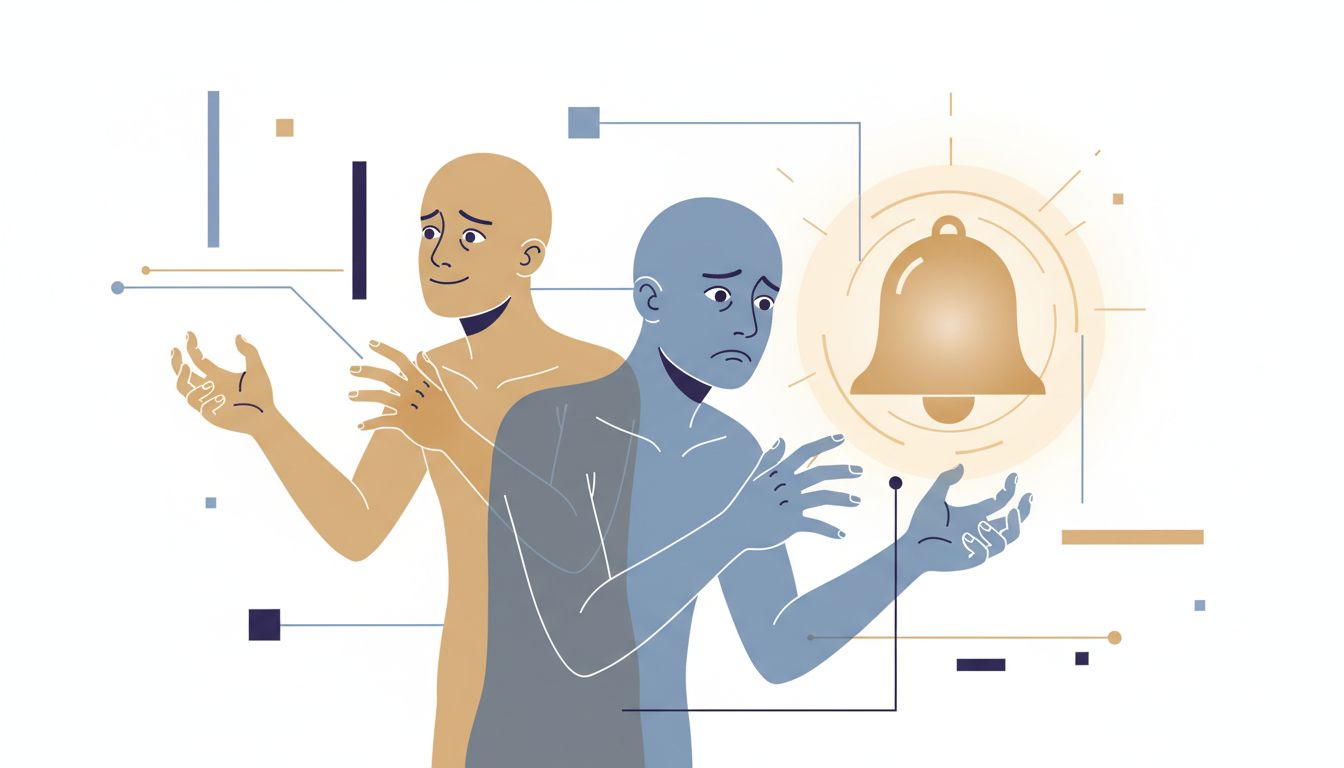
An agenda tells people what to talk about before they know what actually needs to be said. The most productive meetings start with a question, not a list.
Why Agendas Feel Safe But Aren’t
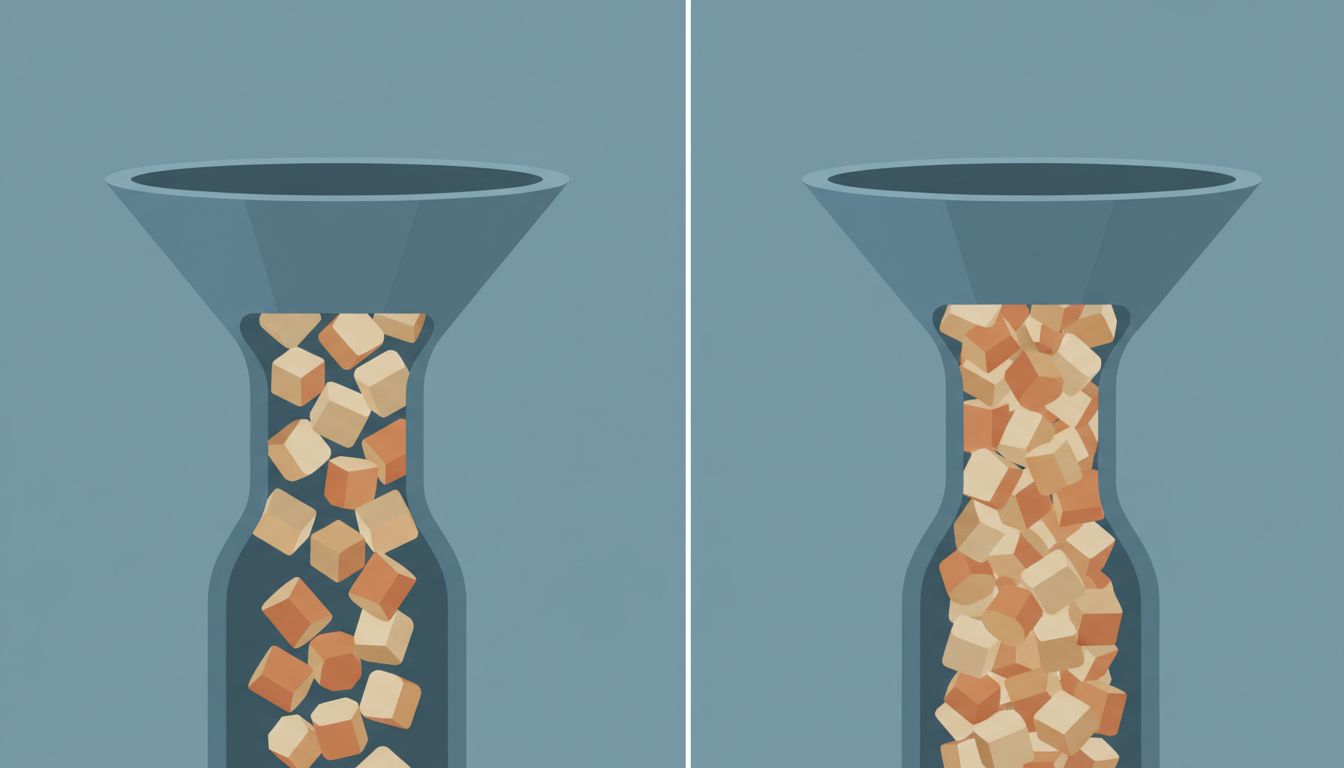
An agenda is, essentially, a compiled list of assumptions. You’re saying: I know what problems exist, I know what information is needed to solve them, and I know who should speak to each point. You write all of that down before the meeting happens.
The problem is that assumptions encoded before a meeting are almost always incomplete. You’re working from whatever information you had when you wrote the agenda, which is rarely the same information you’ll have when the meeting actually starts. Someone discovered something yesterday. Another person solved the problem you put on the list. The project shifted.
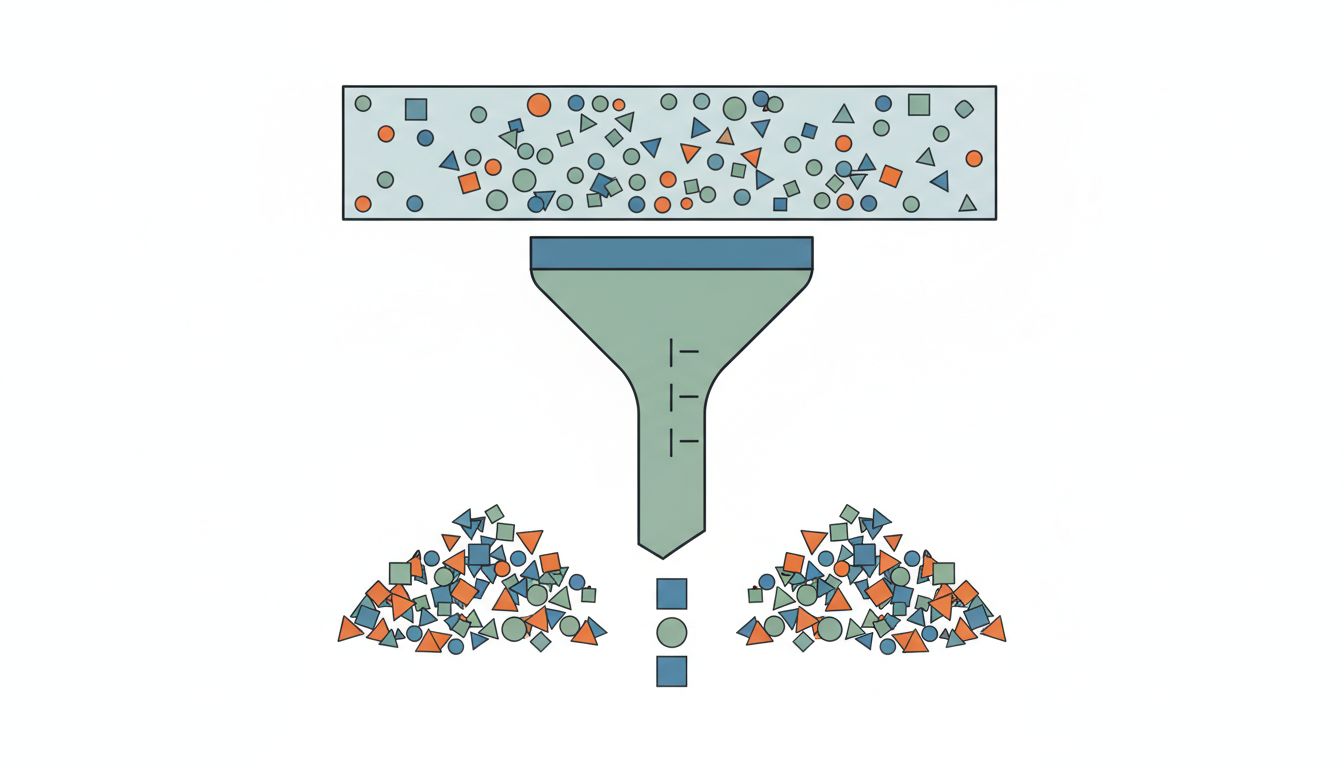
Agendas also create a subtle but real social dynamic: they signal who matters. If your issue made the list, you have a slot. If it didn’t, you’re audience. This is how important context gets filtered out before the conversation even begins.
That said, this argument is not “never plan anything.” It’s more precise than that.
The Difference Between Structure and Pre-Determination
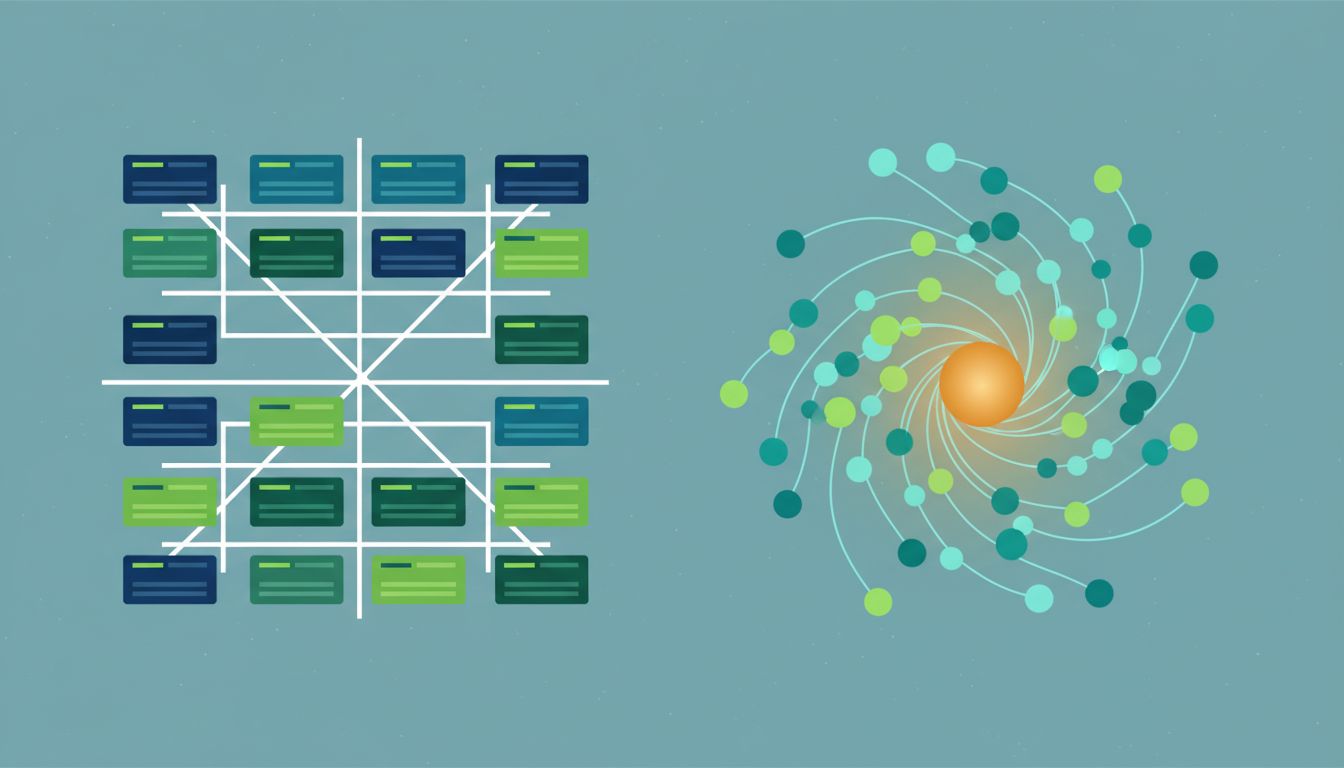
Think about the difference between a compiler and an interpreter. A compiler (like the kind that processes C or Go) takes your entire program, analyzes it statically, and makes decisions ahead of time. An interpreter (like a Python REPL) processes things as they arrive, adjusting based on what it actually sees.
Agenda-driven meetings are compilers. No-agenda meetings, done well, are interpreters. The agenda model front-loads all the decision-making about what matters. The open model lets that decision emerge from the actual state of the room.
But “no agenda” doesn’t mean showing up with nothing. It means replacing a list of topics with a single, well-formed question. “What’s blocking us right now?” is better than five bullet points about the roadmap. “What do we know this week that we didn’t know last week?” is better than status updates from each team lead.
A good opening question is a runtime prompt rather than a compiled script. It creates space for actual signal instead of pre-approved topics.
What Research and Practice Actually Show
The research on meeting effectiveness consistently points in one direction: psychological safety (the ability of participants to speak without fear of judgment) predicts the quality of what gets discussed far more than structural factors like having an agenda or staying on time. Google’s Project Aristotle, which studied team performance across hundreds of internal teams, found psychological safety to be the most important factor in team effectiveness. Agenda adherence didn’t appear on the list.
What kills psychological safety in meetings? Rigid structure is high on that list. When there’s an agenda, deviation from it reads as failure. The person who raises something unexpected is “derailing things.” The person who challenges a bullet point is “not staying on track.” Over time, people learn to hold their actual observations until the meeting is over, which is exactly when it’s too late to use them.
Jason Fried and David Heinemeier Hansson at Basecamp have written about this from a practitioner’s perspective. Their approach to internal communication skews heavily toward asynchronous writing, but when they do meet, the goal is to surface genuine unknowns, not to march through predetermined topics. (Basecamp has made removing structure from their product a deliberate strategy too.)
The Real Purpose of an Agenda
Here’s where I’ll concede something: agendas are genuinely useful for one specific meeting type, which is the decision meeting.
If you need to make a concrete decision (approve a budget, choose between two architecture options, sign off on a hire), you actually do need everyone to have reviewed the same information beforehand. An agenda here is more like documentation than a script. It says: here’s what we’re deciding, here’s what you need to read before you show up.
But that’s a narrow use case. Most meetings aren’t decision meetings. Most are some combination of status sharing, problem surfacing, and alignment work. These are exactly the meetings where agendas do the most damage, because they prevent the real state of the project from becoming visible.
Status meetings with agendas become performance. Each person reports on their assigned bullet point, says things are going fine, and sits down. What doesn’t get said is everything that’s actually true but wasn’t on the list.
How to Run a Meeting Without One
The practical version looks like this. Instead of distributing an agenda beforehand, send one question. Make it open but not vague. “What surprised you this week?” is better than “updates.” “Where are you stuck?” is better than “blockers (if any).”
Start the meeting by giving everyone thirty seconds to write down their answer before anyone speaks. This is not a small thing. It prevents the first loud voice from defining the frame for everyone else, which is the most common way good information gets suppressed in group settings.
Then go around the room (or the call) once before anyone responds to anything. Just collect. You’ll almost always find that the things that surface in those first few minutes were never going to appear on any agenda you could have written ahead of time.
This approach works especially well for small teams (under ten people) where everyone has genuine stake in the outcome. It works less well for large cross-functional reviews where attendees have asymmetric information and different goals. That’s a different kind of meeting and deserves its own thinking. (Most of those meetings shouldn’t be scheduled at all.)
The agenda isn’t the enemy. Pre-determining what’s worth knowing is. Those are different things, and treating them as the same is how teams spend an hour confirming what they already believed while the actual problems stay invisible for another week.