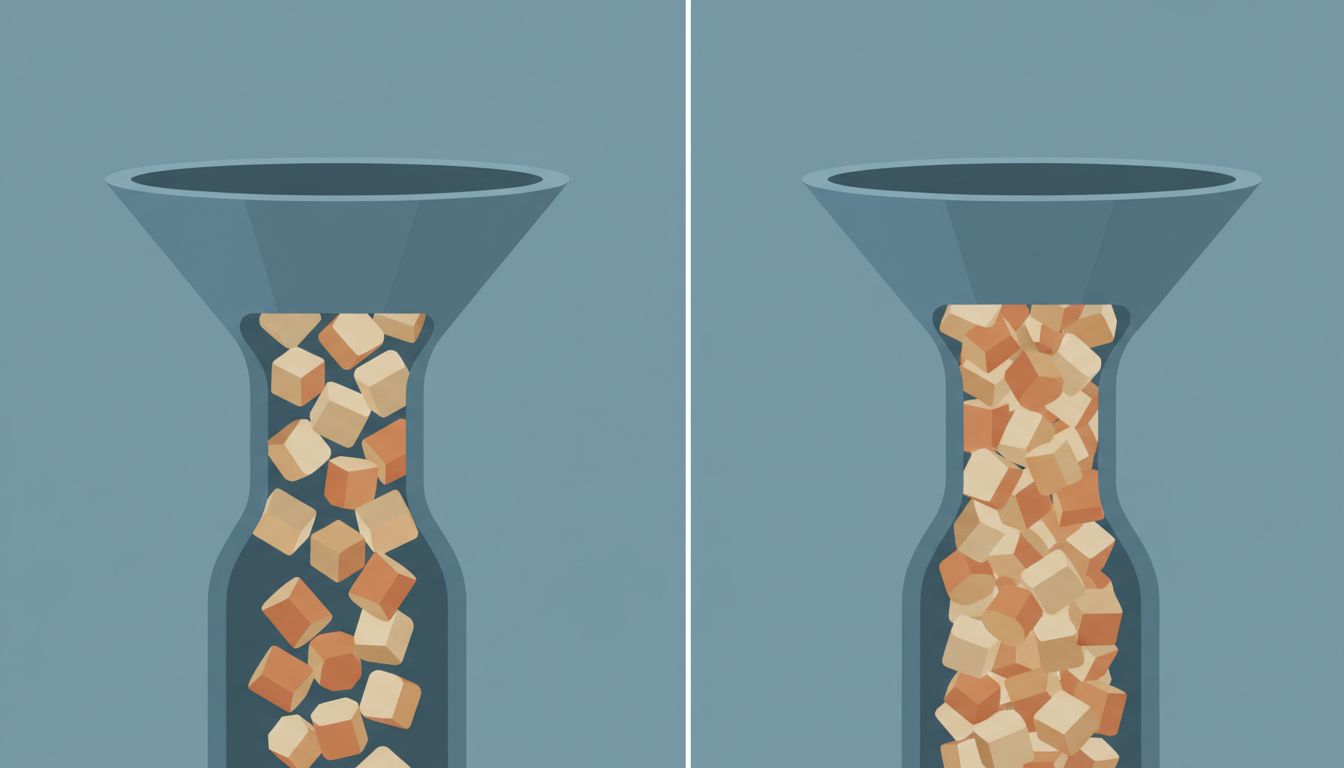
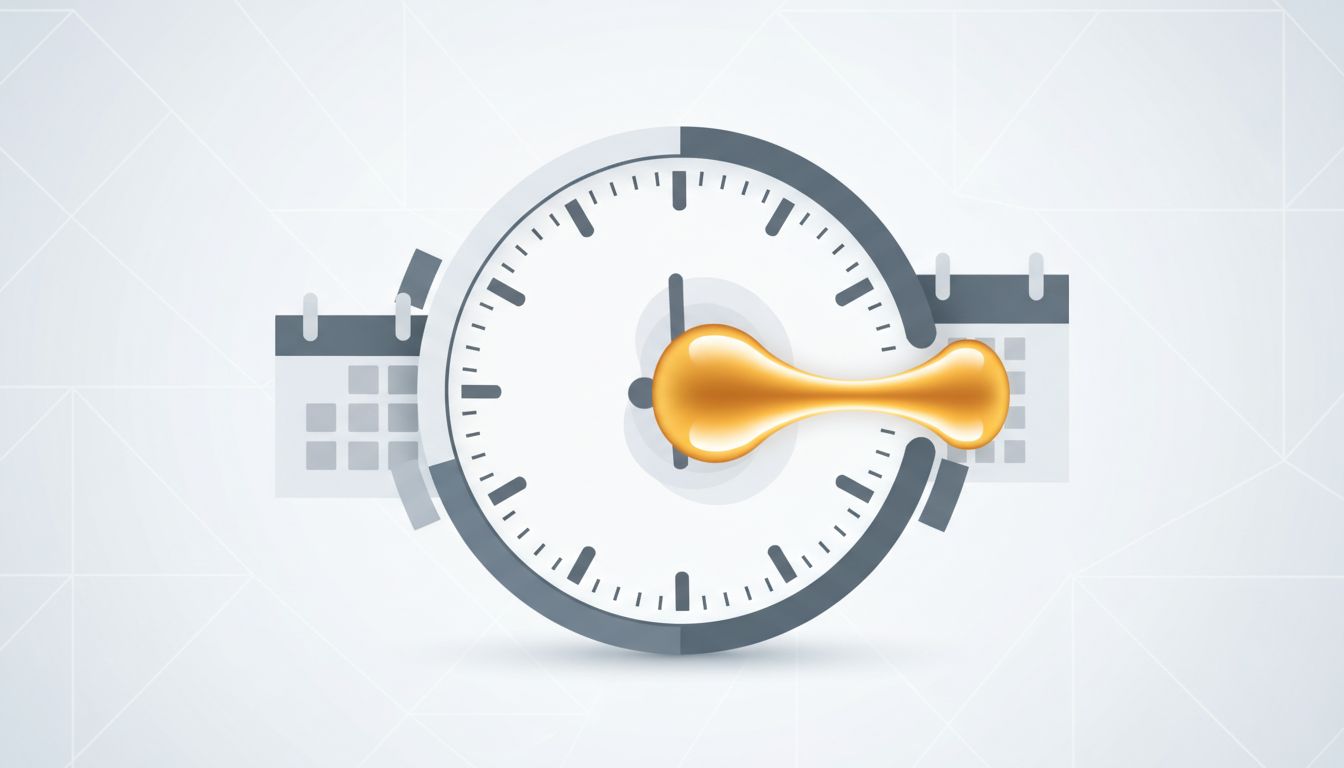
There’s a good chance you already know when you do your best thinking. You probably even know the hour. Maybe it’s 9am, before Slack fills up. Maybe it’s right after lunch when everyone else is sluggish and you’re inexplicably sharp. Maybe it’s early evening. You know it exists.
And you’re scheduling meetings during it.
This isn’t a time management article about waking up at 5am or blocking your calendar with aggressive color coding. It’s about a simpler, more fixable problem: most people default to protecting their available hours for deep work, not their best hours. The result is that your most cognitively demanding tasks get whatever’s left over, and whatever’s left over is usually not great.
Your Brain Has a Peak and You’re Probably Ignoring It
Circadian rhythm research has consistently shown that cognitive performance, including working memory, attention, and analytical reasoning, peaks at different times for different people, and those peaks are largely predictable. Chronobiologist Till Roenneberg has spent decades documenting this, and his work shows that most adults fall somewhere in the middle of the early-to-late spectrum, with a cognitive peak that arrives a few hours after they wake up.
For someone who wakes at 7am, that often means peak alertness somewhere around 10 or 11am. Which is, of course, exactly when many organizations schedule their recurring team syncs, their all-hands, their 1:1s.
The problem isn’t that meetings are inherently bad. Most meetings shouldn’t have been scheduled at all, yes, but the ones that do need to happen can often be moved. The real problem is that you’re probably not making the decision of when to schedule them with any awareness of your cognitive peaks at all. You’re looking at your calendar and finding a gap, not finding the right gap.

The Default Calendar Is Working Against You
Calendar tools are built around availability, not suitability. When someone sends you a meeting invite, the system shows them when you’re free. It doesn’t show them when you’re sharp. So meetings accumulate in whatever open slots exist, which often means your peak hours fill up first because that’s when everyone else is also trying to schedule things.
You end up doing your deep work, the writing, the designing, the real problem-solving, in the hour before dinner when your prefrontal cortex has mostly checked out for the day.
This is worth taking seriously. The research on ego depletion and decision fatigue, even accounting for the replication issues some of those studies have faced, points to a real phenomenon: effortful cognitive work draws from a resource that depletes. You’re not just tired later in the day, you’re genuinely worse at the kind of thinking that requires holding multiple ideas in mind simultaneously and making non-obvious connections between them.
When you schedule a difficult creative or analytical task during those depleted hours, you’re not just making it harder on yourself. You’re likely producing worse output and taking longer to do it.
How to Find Your Hour (If You Haven’t Already)
If you’re not already sure when your peak is, here’s a simple way to figure it out. For one week, set a reminder every two hours from when you wake up to when you go to bed. When it fires, write down a quick number from one to ten representing your current mental sharpness and energy. Don’t overthink it, just gut-check it. After seven days you’ll have a rough curve.
Most people find their peak falls into a window of about two hours, with a noticeable secondary bump for some people in the late afternoon. That’s your protected time. Everything else is available for meetings, email, admin, and the coordination work that doesn’t require your full capacity.
The key move after you identify that window is to block it before anyone else can claim it. Not with a vague “focus time” block that you’ll talk yourself out of respecting, but with a specific recurring task. “Writing draft of Q3 strategy doc” is harder to override than “Deep Work.” Give your future self something concrete to show up to.
Protecting the Hour Without Alienating Everyone
The practical objection most people have here is that protecting their peak hours feels antisocial or difficult to maintain in a team environment. That’s understandable, but it overstates how much friction this actually creates.
Most meeting organizers don’t care which two-hour window they get with you, only that they can get one. If your calendar shows clear availability outside your protected blocks, people will book those slots without complaint. The problem usually isn’t that your colleagues demand your peak hours specifically; it’s that you haven’t made the protected hours clearly unavailable.
For the meetings you can’t move, try to cluster them. Back-to-back meetings are cognitively expensive but they leave contiguous blocks free. Scattered meetings, one at 10am, one at 2pm, one at 4pm, fragment your day into segments that are each too short for meaningful deep work. If you have a meeting at 10am, accept that the morning is probably not your deep work block today and plan accordingly.
You might also find that some of your existing commitments deserve reconsideration. Recurring meetings are particularly worth auditing, because they were scheduled under conditions that may no longer exist and tend to stay on calendars indefinitely. If your peak is 9 to 11am and you have a standing team sync at 9:30 every Tuesday, that’s worth a conversation.
Start With One Week
You don’t need to overhaul your entire calendar to test this. Pick one week. Identify your best two hours. Block them on Monday morning before anyone can schedule over them. Put your hardest current task in those slots.
At the end of the week, compare what you produced during those hours versus what you typically produce in the same amount of time during your default work slots. Most people find the difference is significant enough to make the protection feel obviously worth the mild social friction of saying “I’m not available then, can we do 2pm?”
Your calendar is a reflection of your priorities, whether you intended it to be or not. Right now it’s probably reflecting everyone else’s scheduling convenience more than your own cognitive reality. One small change, protecting the hour you already know is your best, can shift that without requiring a single productivity app, framework, or life overhaul.