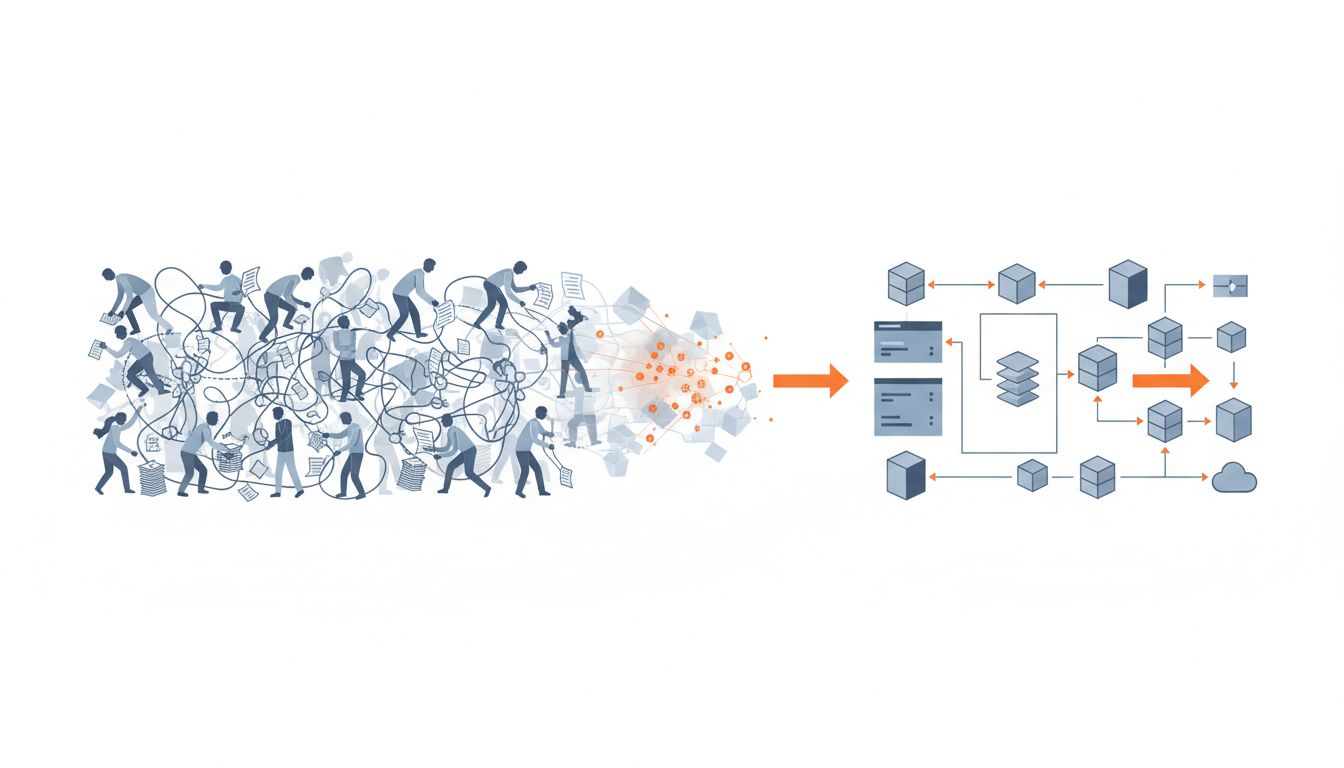
There’s a company I watched closely for about three years that had a customer paying them $180,000 a year. Everyone on the leadership team knew this customer’s name. They came up in every board meeting. The CEO personally took calls from their VP of Operations. The engineering team had a running joke about the “[Company Name] branch” of the codebase, because so much of the product had been bent to serve their specific workflow.
When the customer finally left, the company’s revenue dropped by 22%. But here’s what actually happened over the next eighteen months: they shipped more product than they had in the prior three years combined, their net revenue retention climbed twenty points, and they raised a round at a valuation that would have seemed impossible while they were chasing that whale. Firing that customer didn’t hurt them. It freed them.
This isn’t a fringe story. It repeats itself constantly in early-stage companies, and founders almost never see it coming because the warning signs look, on the surface, like success.
The Shape of a Toxic Customer Relationship
The customer you need to fire usually isn’t a bad actor. They’re not fraudulent, they’re not abusive (usually), and they’re often paying you real money. What makes them dangerous is the asymmetry they create between what they cost you and what they actually return.
The most common version: a large, enterprise-adjacent customer who signed early, before you had pricing discipline or a real sense of your ideal customer profile. They got a deal that made sense when you needed the logo and the revenue to survive. Now they represent a disproportionate share of your ARR, they have contractual commitments you can’t walk back, and their use case is just different enough from your core market that serving them well means diverging from what everyone else needs.
Every feature request you build for them is a feature you’re not building for the twenty customers who better represent your actual market. Every support hour their edge cases consume is an hour not spent on retention for accounts that could grow. The cost is real. It just doesn’t appear as a line item.

There’s a related article on this site about how your first ten customers can poison your roadmap, and the dynamic it describes is exactly the fertile ground where these relationships take root. You were small, you needed validation, you said yes to things you shouldn’t have. Now the debt has compounded.
Why Founders Don’t Fire Them
Revenue concentration is the obvious reason. If one customer is 30% of your ARR, the math of losing them looks terrifying. The thing founders tend to underweight is the opportunity cost math, which is harder to see but often larger.
Beyond the financials, there’s a psychological dynamic that’s harder to admit. Large, demanding customers feel like proof that you’re building something real. The relationship has status. The logos look good in a deck. There’s a subtle but powerful reluctance to fire someone who seems, in some superficial sense, to validate you.
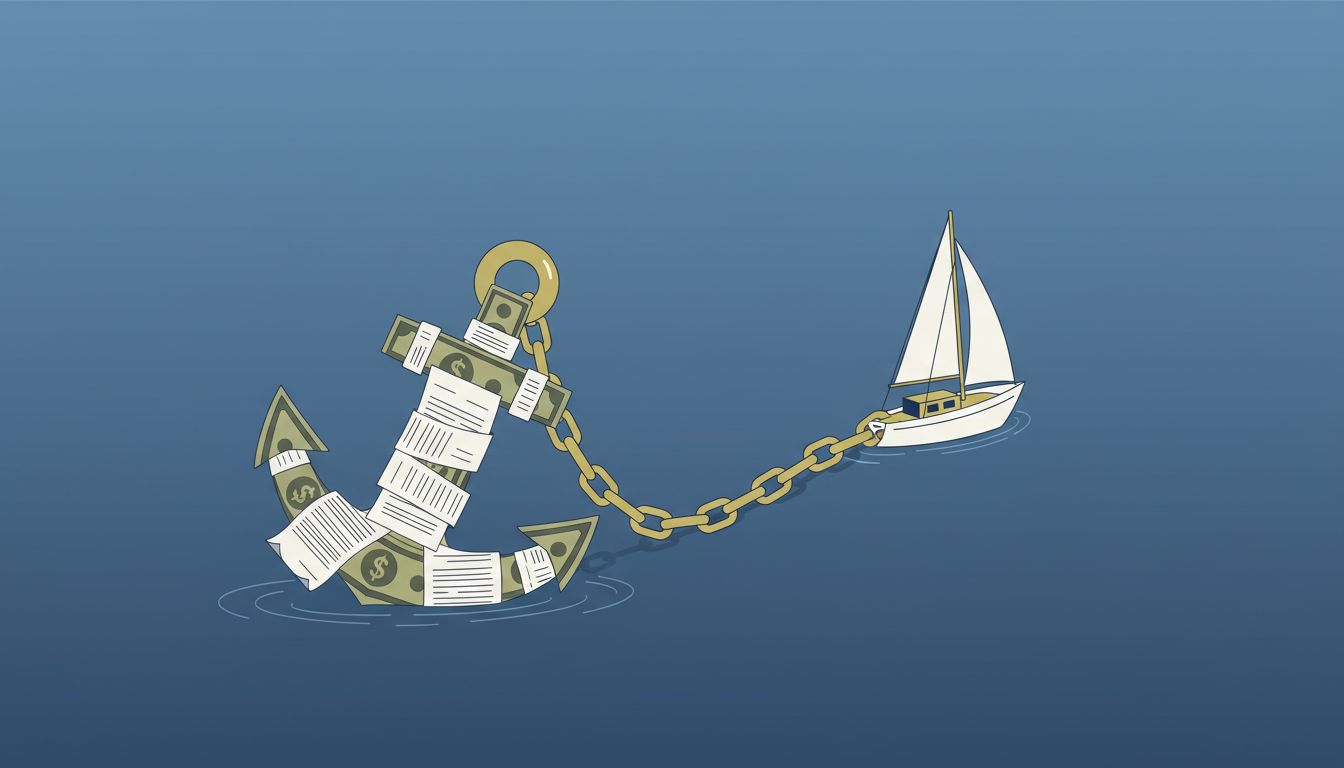
And then there’s the sunk cost problem. You’ve already built the “[Company Name] branch.” You’ve already spent forty engineering hours on their custom integration. Letting them go feels like writing off all of that work. The work is already written off. You’re just deciding whether to keep paying for the mistake.
How to Know When Firing Is the Right Call
There’s no single threshold, but there are a few patterns that, when they appear together, make a compelling case.
First, their use case isn’t converging with your roadmap. You’ve been serving them for a year or more, and the feature requests are still divergent from what your other customers need. This isn’t a timing problem. It’s a fit problem.
Second, your team has internalized their preferences as product truth. When engineers or PMs reference what this customer wants without being prompted, when their preferences have become shorthand for what “enterprise” customers need, the customer is shaping your product strategy from inside your own organization.
Third, you’ve modeled out what it would take to replace their revenue, and the answer is achievable. If losing them means finding four customers at $45,000 each, and you have a pipeline that could realistically support that over six to twelve months, the decision is less about revenue and more about will.
Fourth, you’re avoiding conversations with them. If your team dreads the quarterly review, if support tickets from this account create low-grade dread, that’s signal. Difficult customers are normal. Customers who have made your team afraid to be honest with you are not.
How to Actually Do It
Don’t ghost them. Don’t manufacture a policy violation. Don’t raise their price to an absurd level hoping they’ll self-select out, though repricing to market rate is legitimate if the original deal was genuinely unsustainable.
The cleanest path is honesty about fit. Something like: “We’ve been evaluating where we’re investing product development, and we’re moving toward [specific segment/use case]. Based on what we know about your needs, we don’t think we’re going to be the right long-term partner, and we want to give you enough runway to find something that serves you better.” You offer a generous off-ramp, help them find alternatives if you can, and hold the line.
The conversation will be uncomfortable. Do it anyway. Companies that have stayed smaller and more focused on purpose consistently outperform the ones that tried to be all things to everyone early on.
What Comes After
The months after a major customer exits are psychologically difficult even when the decision was correct. Revenue is lower. The board will ask questions. There will be a period where the opportunity cost math is harder to see than the revenue math.
What founders who have done this well describe, consistently, is a clarity that appears once the relationship ends. The roadmap simplifies. The team has more conviction about what they’re building. Customer conversations get easier because you’re talking to people who actually need what you make.
You should take churn seriously and you should fight hard to retain customers who belong in your product. But the fight to keep a customer who was never quite right for you is a fight against your own business. The sooner you stop having it, the sooner you can build something that doesn’t need to be fought for.