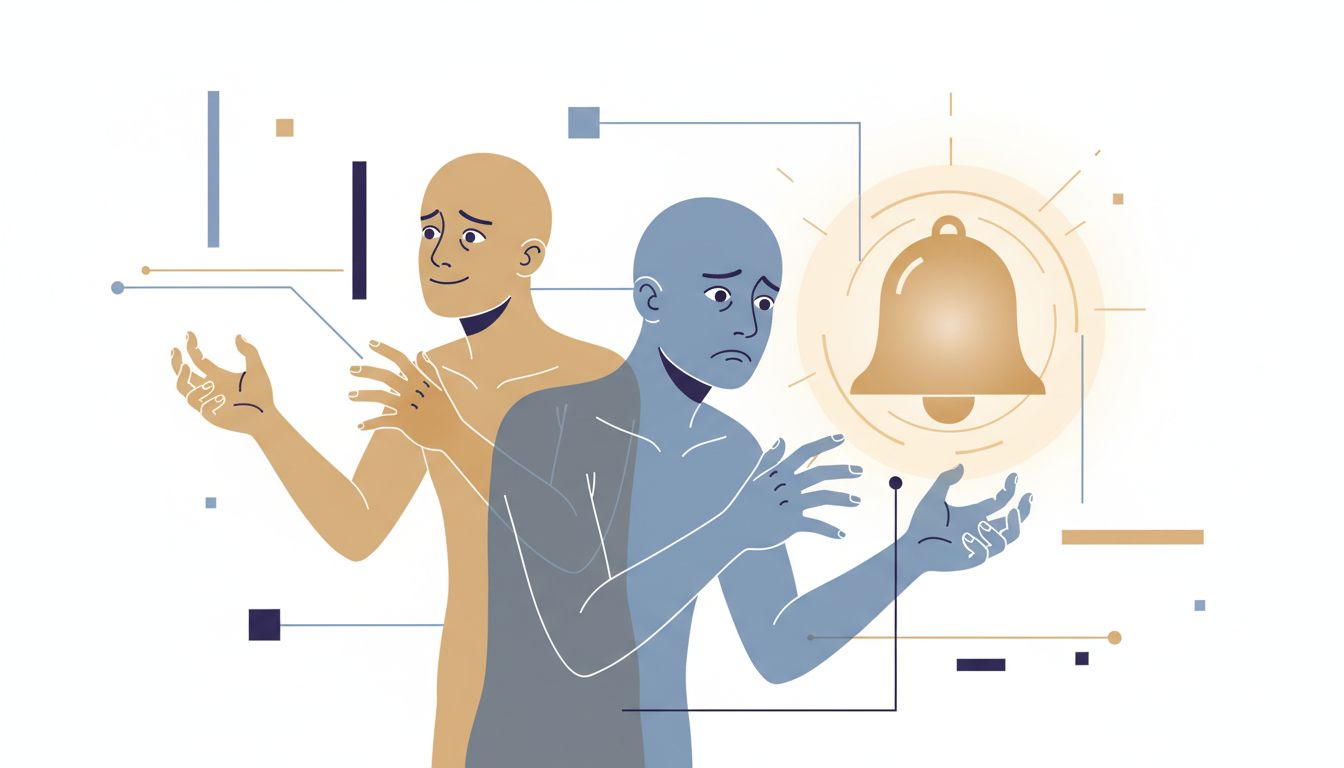
The meeting is not the problem. The meeting-as-default is.
Somewhere in the last decade, we collectively decided that the cure for too much email was more meetings. Slack arrived and promised to kill email, then bred its own anxiety. Zoom normalized the all-hands for things that were previously a memo. And now, reliably, the 45-minute sync about the project ends with someone saying “I’ll send a recap” and you are right back where you started, staring at an inbox.
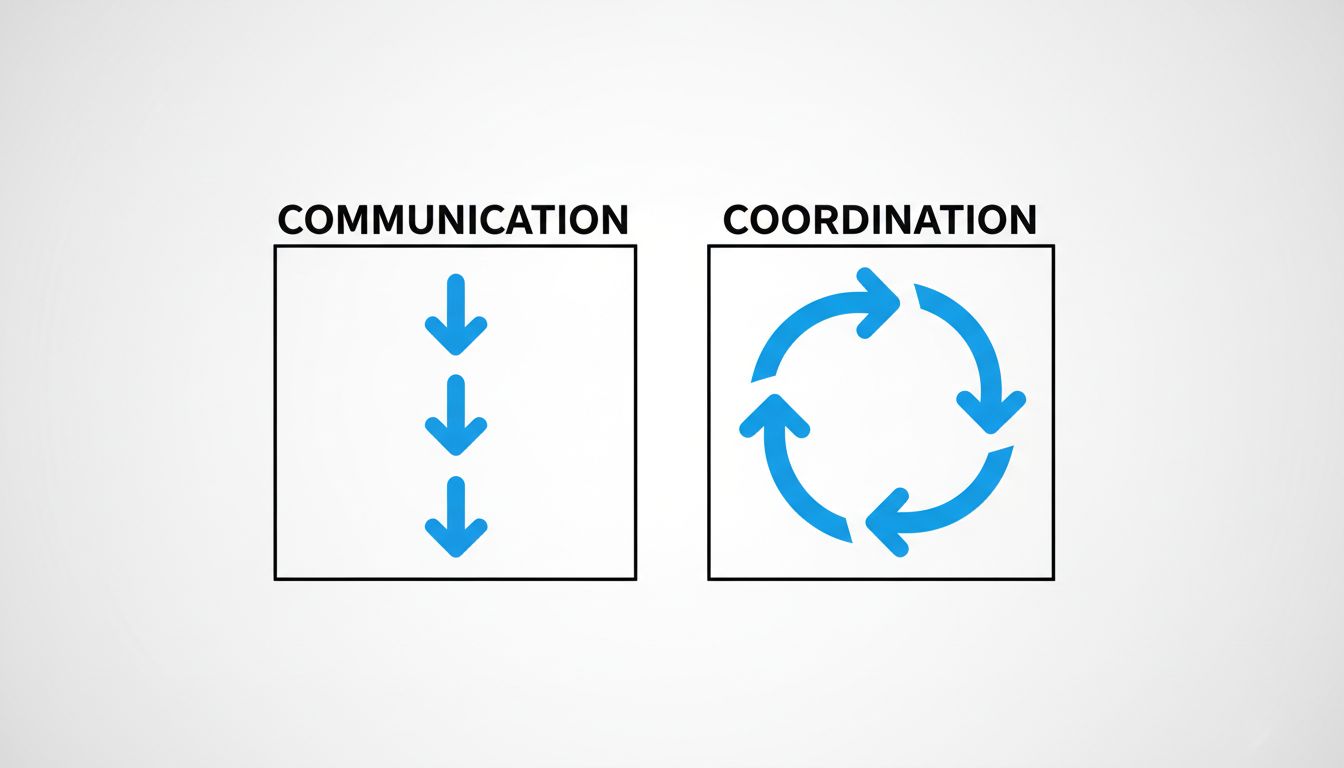
This is not a coincidence or an irony. It is a structural feature of how most teams think about communication, and until that thinking changes, no tool will fix it. The problem is not the medium. The problem is that we have confused communication with coordination, and the two require completely different approaches.
Communication and coordination are not the same thing
Communication is the transfer of information. Coordination is the alignment of action. You can have one without the other, and most workplace dysfunction comes from mixing them up.
A meeting where six people share status updates is communication. Nobody needs to be in the same (virtual) room for that. A meeting where three people decide how to handle a scope change and who owns each piece of it is coordination. That one might actually need real-time interaction, because the output is a decision, not a document.
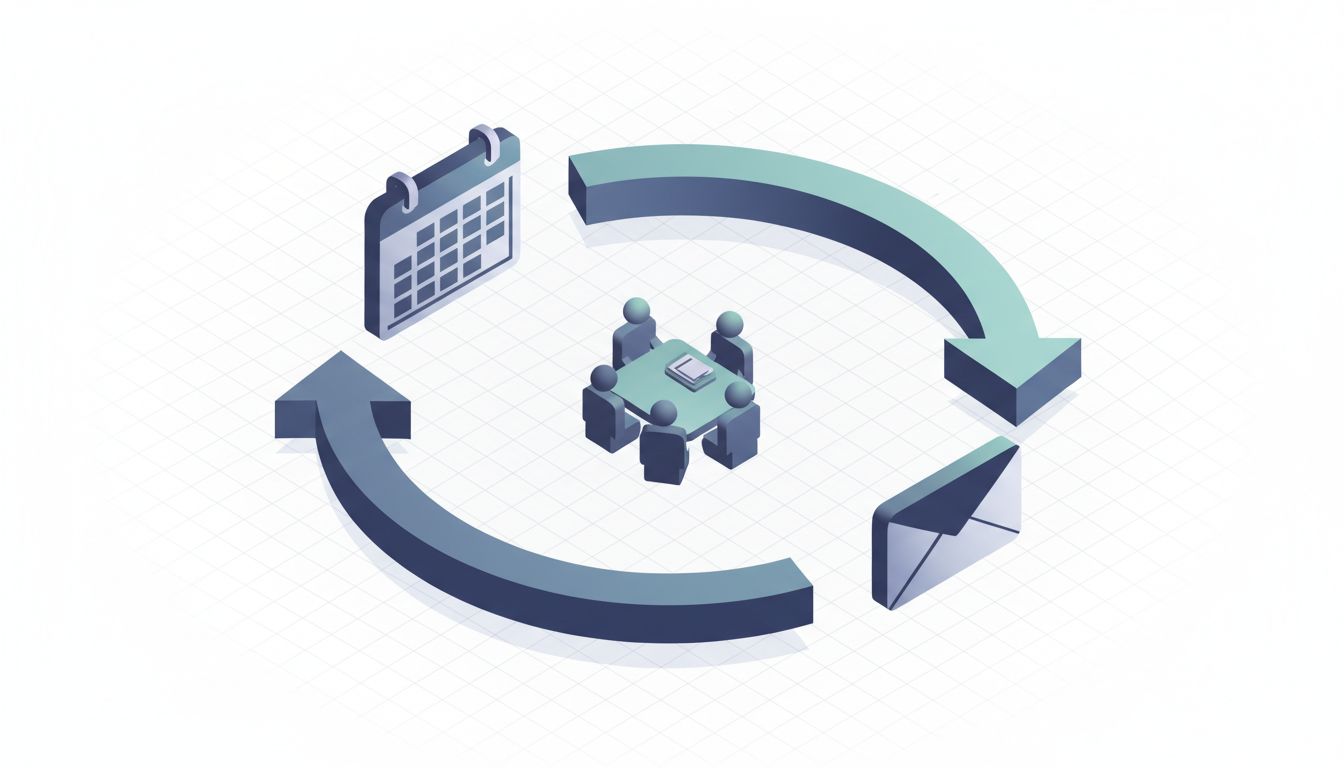
The follow-up email problem is a symptom of running coordination-shaped meetings with communication-shaped goals. You scheduled an hour, everyone showed up, people talked, but nothing was actually decided. So someone sends an email to do the deciding asynchronously. Which prompts replies. Which prompts a follow-up meeting.
The recursion is not funny. It is expensive. Consider that a one-hour meeting with five engineers is not one hour of cost. It is five hours, plus the ramp-down and ramp-back-up time for context switching. That context-switching tax is larger than most people estimate.
Meetings without outputs are just scheduled interruptions
A useful mental test: before scheduling a meeting, write down the specific decision or artifact that will exist after it that did not exist before. Not “align on the roadmap.” Not “discuss the API design.” Something like: “decide which of the two authentication approaches we’re building, and assign someone to write the spec.”
If you cannot fill in that blank, you do not have a meeting. You have a conversation, which is fine, but which does not require 45 minutes on six calendars.
The most effective teams I’ve seen treat meetings as the last resort for coordination, not the first. They write things down first. A short document that frames the problem, lists the options, and states a proposed decision forces the author to clarify their own thinking, and it lets async participants engage on their own schedule. The document you write before the meeting often turns out to be the meeting itself, because once it exists, everyone already knows what they think and the synchronous time becomes five minutes of confirmation rather than forty-five minutes of exploration.
The tools are not going to save you
Every few years a new product promises to fix this. Linear will replace Jira and the emails about Jira. Notion will replace the docs and the emails about the docs. The AI meeting summarizer will replace the need to send the recap email.
None of them do, because the follow-up email is not a technological failure. It is a social one. It exists because the meeting did not produce a clear decision, and the person who called the meeting does not feel comfortable closing the loop unilaterally, so they send a “per our discussion” email to create a paper trail and implicitly ask for ratification.
The meeting summarizer makes this worse, not better. Now the recap email writes itself, it looks professional, and nobody has to feel bad about sending it. The ritual is preserved and slightly more efficient. The underlying dysfunction is untouched.
Same pattern with async-first tools. Teams that adopt them without changing their decision-making habits just move the circular conversation from email to Slack threads to Notion comments and back again. The loop is platform-agnostic.
The counterargument
The reasonable objection here is that some things genuinely require real-time conversation. Ambiguous interpersonal situations, creative brainstorming where ideas need to build on each other, complex technical debugging where you are sharing a screen and reacting to live output. All true. Real-time synchronous communication has genuine advantages for specific work.
But that is not the argument against meetings. That is the argument for meetings being load-bearing, which most of them are not. The issue is not the 20% of meetings that are irreplaceable. It is the 80% that are happening because scheduling a meeting is easier than writing a clear document and trusting people to read it and respond.
The people who push back hardest on async-first working tend to be the same people who find it difficult to write down what they actually want. That is worth examining.
Own the decision or cancel the meeting
The fix is not a new app. It is a norm. Every meeting needs an owner, not a facilitator. An owner who is empowered to make a call if consensus does not emerge, and who is responsible for one written sentence at the end: “We decided X. [Name] owns Y by [date].”
If you cannot identify who that person is before the meeting starts, the meeting is not ready to happen. Reschedule it, or replace it with a document and a deadline for written responses.
The follow-up email will keep coming as long as the meeting keeps ending without anyone deciding anything. That is not the email’s fault.