
Tiago Forte published “Building a Second Brain” in 2022, and within months, knowledge workers everywhere were reorganizing their notes into PARA folders (Projects, Areas, Resources, Archives), tagging everything, and color-coding their digital lives. The system promised to offload cognitive overhead from your biological brain to a structured digital one. For many people, it delivered exactly that.
For a lot of others, it quietly became a second job.
The Setup
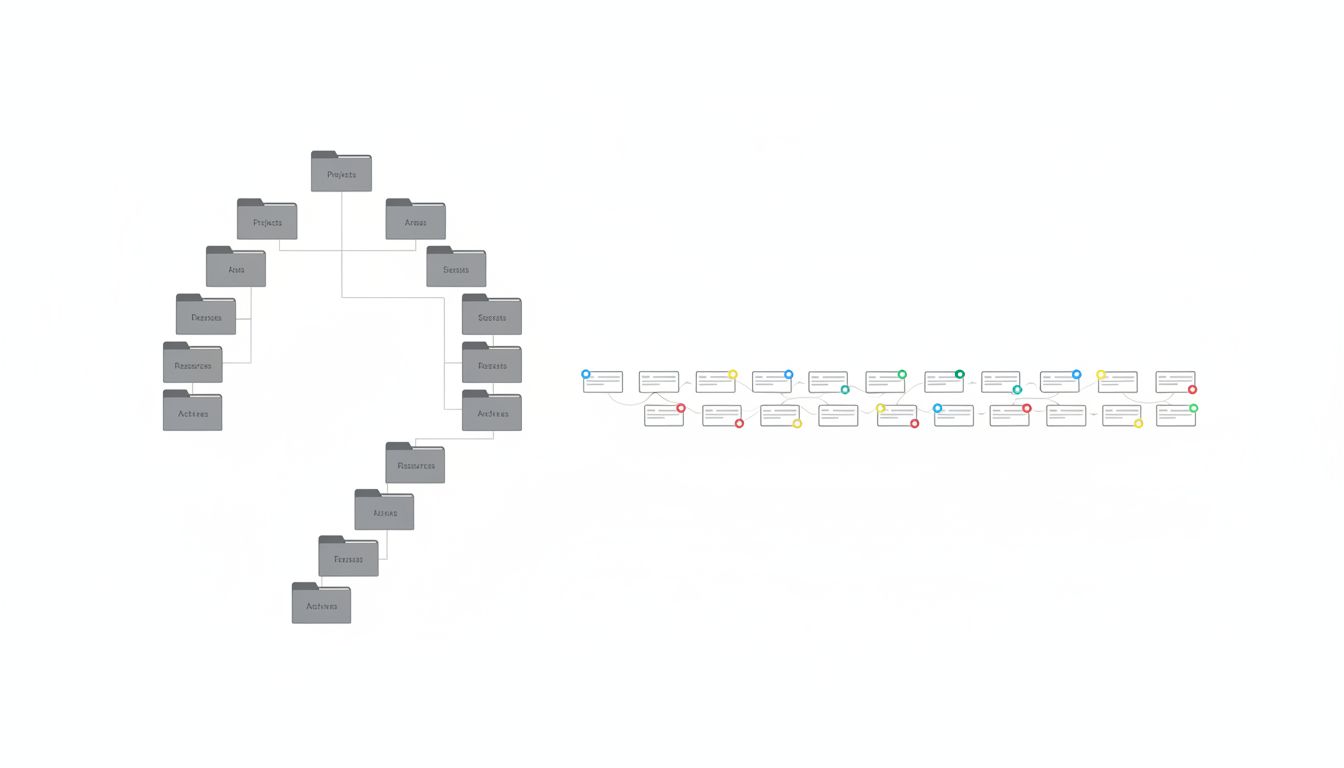
The product team at a mid-sized SaaS company I spoke with had done everything right, at least on paper. Their head of product, a self-described “productivity nerd,” had rolled out Second Brain principles across the seven-person team in late 2022. They adopted Notion as their shared system. Every meeting note went into a Project folder. Research articles landed in Resources. Completed work moved to Archives. They had templates for templates.
For about six weeks, it felt great. The system was clean. Finding things was fast. New team members could onboard by reading the folder structure.
Then the projects got messier, the way real projects do. A feature they were researching started bleeding into a customer success problem, which connected to a pricing conversation, which referenced a design decision from eight months ago. The PARA structure, which was designed around clean categorical thinking, started fighting the actual shape of their work.
The team lead described the problem this way: “We were spending real time deciding where something belonged. Not how to use it. Just where to put it.”
They were filing, not thinking.
What Happened
In early 2023, they made a decision that felt reckless at the time. They flattened the whole structure. No more PARA folders. Notes, research, meeting logs, random observations, all of it went into a single chronological stream with heavy use of tags and Notion’s search. The only surviving organizational element was a weekly “digest” page each person wrote for themselves, a brief summary of what they’d captured and what connected to what.
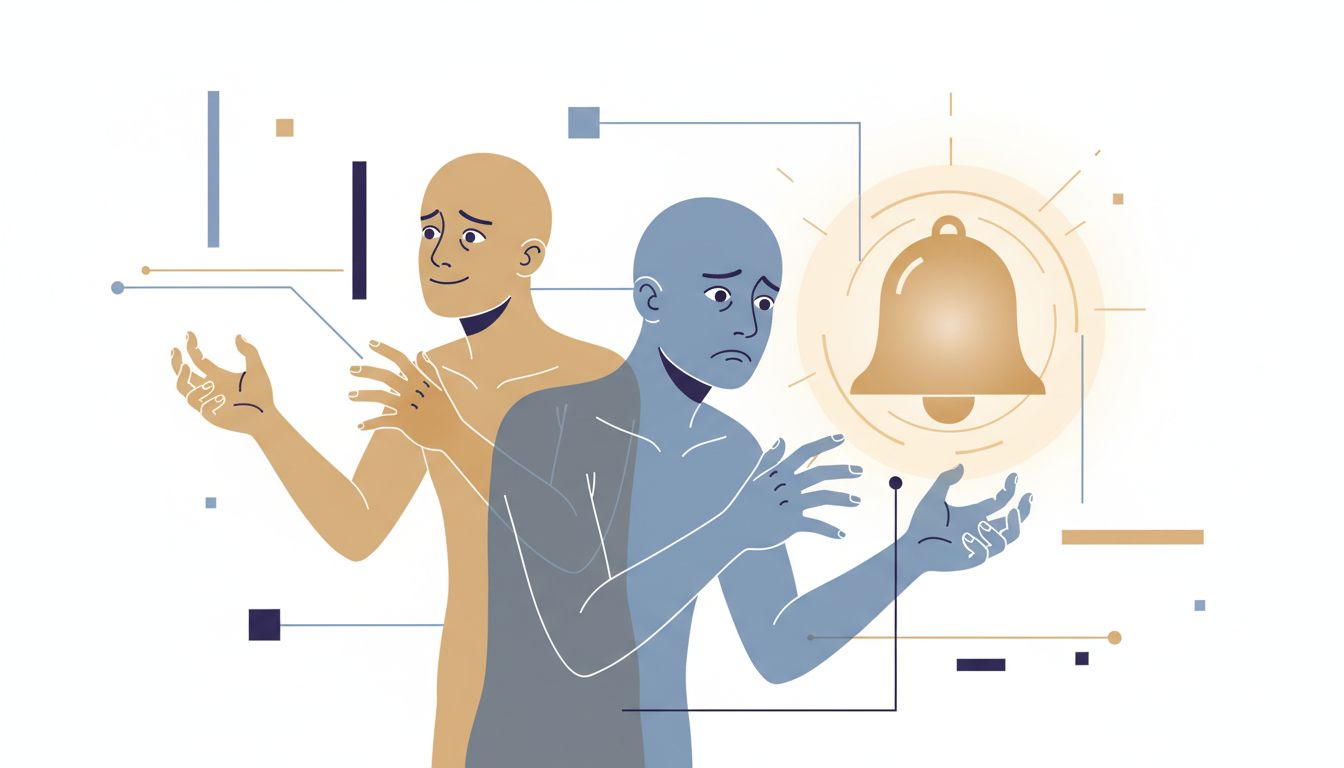
The first two weeks were uncomfortable. People felt like they were losing control. The head of product described opening Notion and feeling a low-grade anxiety because nothing was “in its place.”
By week four, something had shifted. People were spending less time maintaining the system and more time using it. Search was faster than navigation had been. The tags, applied loosely and intuitively rather than according to a taxonomy, were surfacing unexpected connections. A note about a competitor’s pricing that had been buried in Resources for five months suddenly became relevant to a feature discussion, and someone found it not by knowing where it was filed but by searching for a customer’s name mentioned in both contexts.
The weekly digest habit turned out to be the most valuable part of the new setup. Spending ten minutes on Friday summarizing what you’d captured forced the synthesis that the filing system had been trying to automate. The difference was that synthesis requires a human. Filing doesn’t, and that’s exactly why the team had been doing so much of it.
Why It Matters
This story isn’t an argument against Tiago Forte or the Second Brain method. Forte himself is clear that the system should serve your work, not the other way around. The problem isn’t PARA. The problem is that most people implement organizational systems at maximum fidelity and then maintain them past the point where they’re useful.
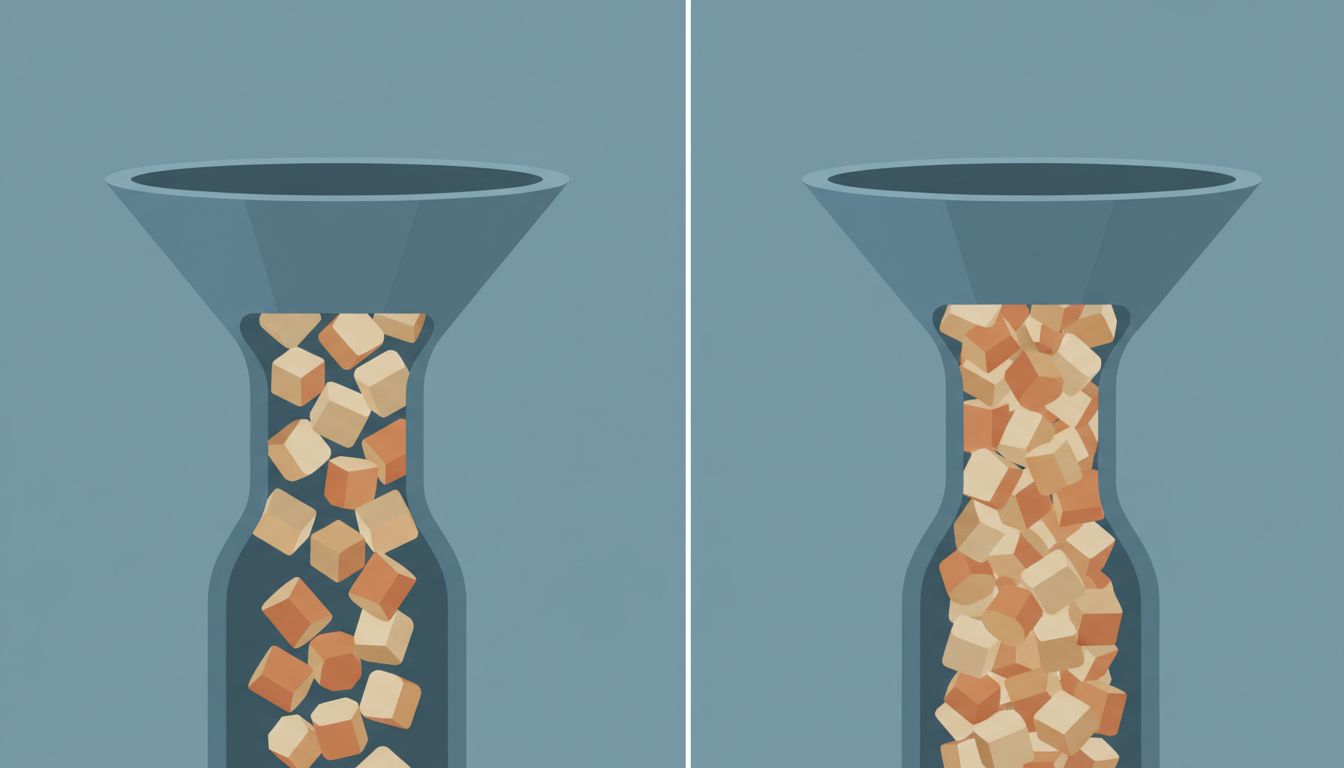
There’s a real cognitive phenomenon underneath this. When you create a detailed organizational structure, you get an immediate feeling of control and clarity. That feeling is real, but it’s not the same as productivity. You’ve reduced the anxiety of disorder without necessarily doing anything useful with the content you’ve organized. Psychologists sometimes call this “pseudo-work,” effortful activity that mimics productive behavior without generating output.
The parallel to other domains is easy to see. Engineering teams that spend weeks perfecting their ticket taxonomy instead of closing tickets. Founders who rewrite their pitch deck instead of talking to customers. The satisfying work is always the work about the work.
For knowledge systems specifically, the filing instinct is especially seductive because the work of knowledge is genuinely invisible. You can’t see insight accumulating. You can see a folder structure getting more organized. So the folder structure gets all the attention.
The other issue is that good organizational systems are designed for a specific type of knowledge, stable knowledge that belongs to one category at a time. Most useful knowledge isn’t like that. An insight about how a specific customer talks about their problem might be relevant to sales, to product, to marketing copy, and to a hiring decision six months later. Filing it in “Areas > Customer Research” doesn’t capture that. Leaving it in a searchable stream with a few context tags does.
What You Can Learn From This
If you’re running a knowledge management system that feels like it’s running you, here’s a practical way to think about the reset.
Audit your maintenance overhead first. Before changing anything, track for one week how much time you spend organizing versus retrieving versus actually using what you’ve captured. Most people who do this are surprised. If you’re spending more than 20 percent of your system-related time on organization, you’re probably over-organized.
Separate the capture habit from the filing habit. These are two different behaviors, and conflating them is where most systems break down. Capture everything, immediately, with zero friction. File thoughtfully, later, only if filing adds retrieval value that search wouldn’t give you anyway. In most modern tools, it won’t.
Use weekly synthesis instead of real-time categorization. The product team’s digest habit is the most transferable lesson here. Set aside 15 minutes at the end of each week to write three to five sentences about what you captured and how things connect. This is active sense-making, and it’s something no folder structure can do for you. Most people block deep work wrong, and this kind of reflective synthesis is exactly the sort of thing that gets squeezed out when the calendar fills up.
Let the system get a little messy. A knowledge system that feels slightly out of control is often one that’s actually being used. Perfect organization is a symptom of a system you maintain but don’t rely on.
The team I spoke with hasn’t gone back. Their Notion workspace looks chaotic to outsiders. Inside the team, people describe it as the first system they’ve ever had that they actually use rather than manage. That’s the only metric that matters.
Your second brain doesn’t need to be organized. It needs to be useful. Those two things are related, but they’re not the same, and most productivity systems quietly optimize for the wrong one.