The Seduction of the Low Price
The instinct to underprice at launch is almost universal. A new startup has no brand, no track record, and no proof that anyone wants what it’s selling. Charging less feels like the rational hedge. It lowers the barrier to a first customer, makes the sales conversation easier, and lets the founders tell themselves they’re being humble, customer-focused, pragmatic.
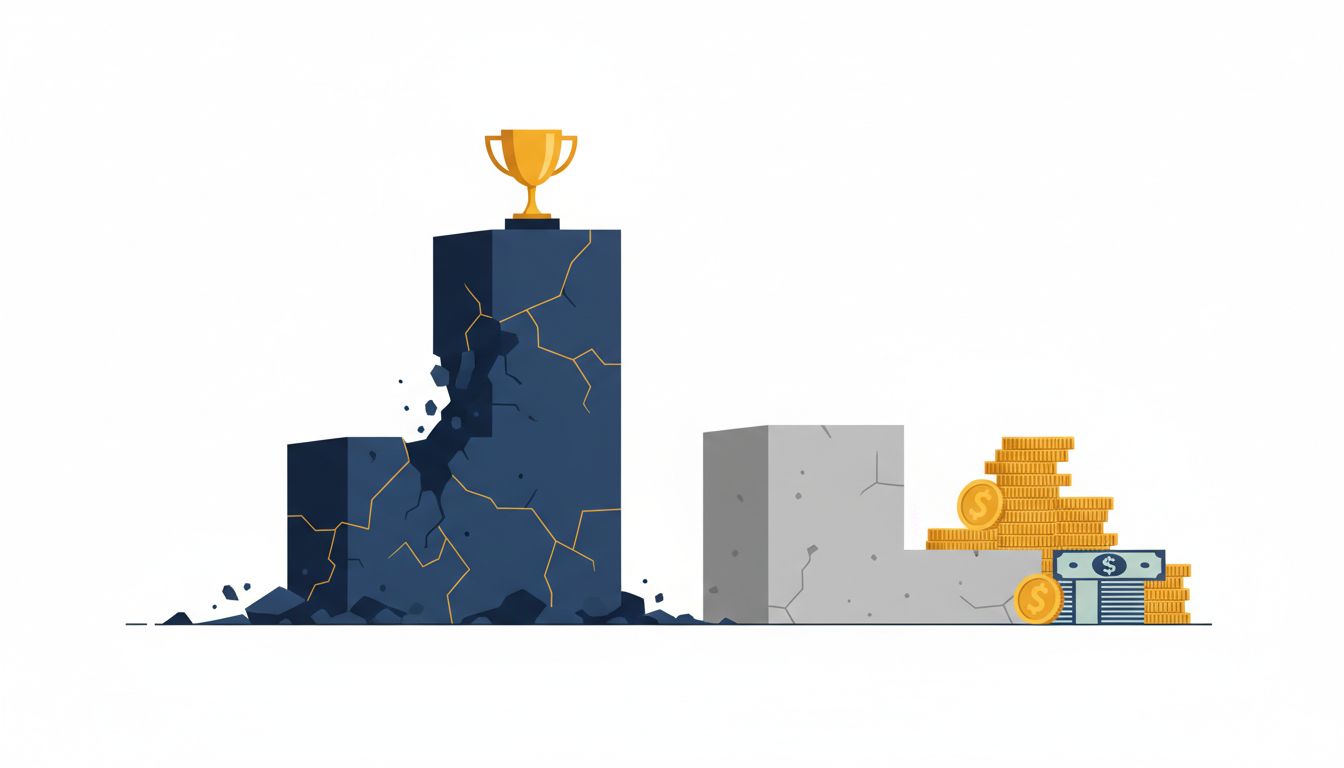
What it actually does is set a ceiling the company will spend years trying to break through, if it survives long enough to try.
The counterintuitive truth is that price is not just a revenue number. It’s a signal to your market, a filter for your customers, and a constraint on your product decisions. Set it too low and you don’t just make less money. You attract the wrong buyers, train your team to compete on cost, and starve the product of the resources it needs to improve. The startup that charges more on day one is playing a structurally different game, and it usually wins.
Price Tells Customers What Kind of Company You Are
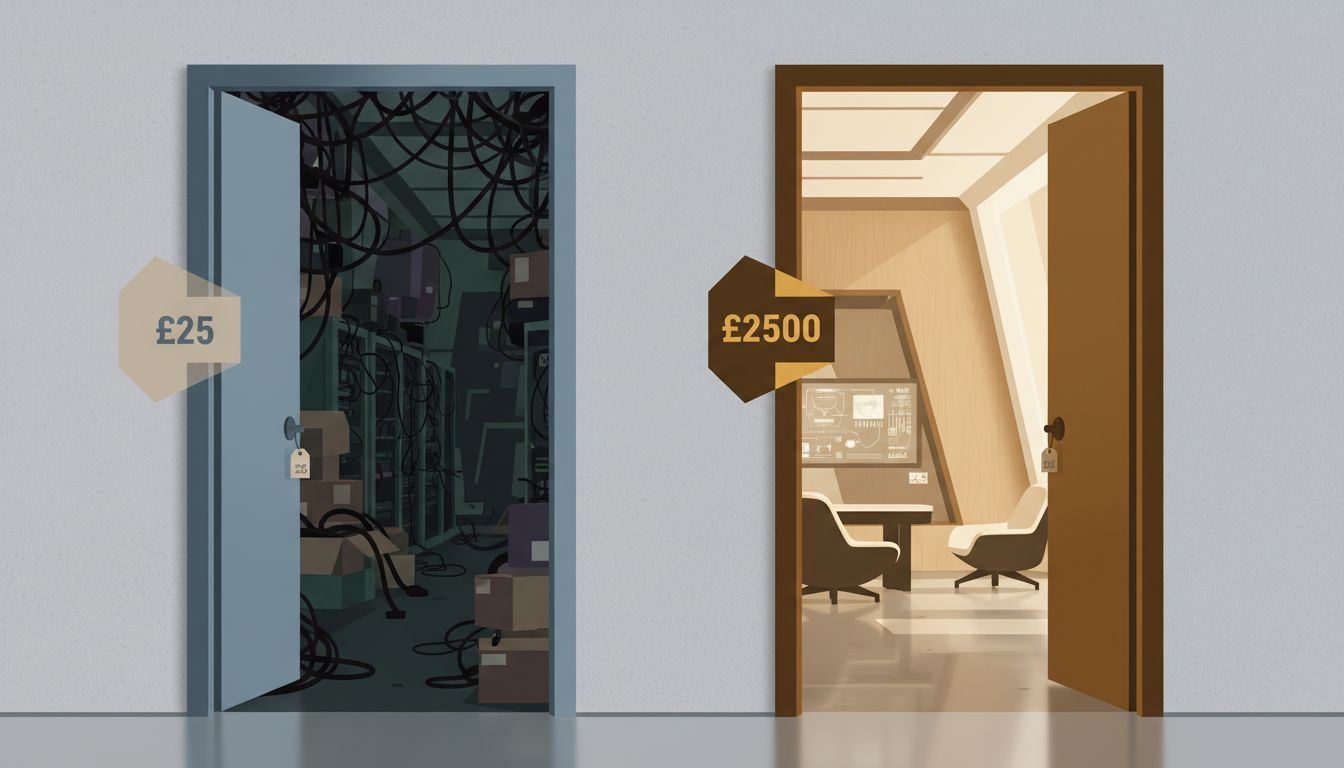
B2B software buyers, in particular, read price as a proxy for quality and staying power. A tool priced at $10 per user per month signals something different than one priced at $50, even before the buyer has tried either. The lower price implies the vendor is still figuring things out, might not be around in two years, and probably can’t support an enterprise integration. These inferences aren’t always accurate, but they’re predictable.
This is why enterprise software vendors historically held firm on pricing even when startups tried to undercut them. Oracle and SAP weren’t just protecting margin. They were communicating that their software was serious, mission-critical infrastructure. The price was part of the product.
For early-stage companies, the same logic applies in reverse. Pricing low doesn’t just leave money on the table. It actively recruits the customers most likely to churn when a cheaper alternative appears, because that’s what they were optimizing for when they signed up. The wrong early customers can quietly kill a company by consuming support resources, demanding features that don’t fit the core product, and paying so little that serving them is structurally unprofitable.
What High Prices Actually Buy
The clearest benefit of higher early pricing is unit economics. A company generating $500 per month from a customer has more room to invest in that relationship than one generating $50. More room to hire a dedicated support person, to build the integration the customer asked for, to staff a customer success function before the churn problem becomes visible in the cohort data.
This is not a small operational detail. It determines whether a company can afford to learn from its customers or is simply trying to acquire more of them as fast as possible before the money runs out. Many of the startups that grew fast on low prices discovered too late that they had built a business where no unit of revenue was profitable enough to justify the cost of generating it.
Higher prices also tend to attract larger, more stable buyers. A company willing to pay a premium is usually a company with a real budget, a real need, and a real procurement process. That last item sounds like a burden, but it’s actually a signal: buyers who run procurement are buyers who have decided this is a real category worth spending on. They renew contracts. They provide structured feedback. They refer other serious buyers.

The math compounds over time. A startup that charges twice as much as its competitor needs half as many customers to reach the same revenue. Half as many customers means fewer support tickets, more focused product development, and a cleaner signal from the market about what actually matters. The company that has 500 deeply satisfied customers at $500 a month often has a clearer strategic picture than the one with 5,000 semi-satisfied customers at $50.
The Myth of the Penetration Strategy
The standard counterargument is that low prices drive volume, volume drives learning, and scale eventually creates leverage. There’s a version of this that’s real. It’s how consumer internet companies built network-effect businesses, and how AWS priced cloud storage to build market share before margins became the priority.
But most startups are not building consumer internet businesses, and most founders applying penetration logic to B2B SaaS are not Amazon. The penetration strategy only works when scale genuinely creates a defensible advantage, when the market is large enough that the volume math eventually closes, and when the company has enough capital to survive the years before the unit economics improve. Most early-stage startups meet none of these conditions.
What they get instead is a business that looks healthy by top-line metrics and is quietly bleeding from every unit. Charging too little kills startups slower and more painfully than most founders expect, because the damage is gradual enough to explain away in every individual quarter.
Raising Prices Is Harder Than Setting Them Right
There’s an asymmetry that doesn’t get enough attention: it is far easier to lower a price than to raise one. Customers anchor hard on what they first paid. A company that launches at $20 and tries to move to $50 after 18 months will face pushback from every existing customer, awkward grandfather clauses, and a public pricing page that signals the company wasn’t confident in its value from the start.
A company that launches at $50 and occasionally discounts strategically retains control of its positioning. The list price stays intact. The brand signal stays intact. The occasional discount is a negotiation tool, not a structural concession.
This is why the pricing decision made at launch is one of the few early choices that genuinely compounds, in both directions. A startup that prices high early builds a cost structure, a customer base, and a market position that are all oriented around delivering real value. A startup that prices low early builds the opposite, and usually can’t escape it without essentially relaunching.
The Price Is the Strategy
Founding teams spend months on product roadmaps and go-to-market plans while treating the pricing page as an afterthought. It shouldn’t be. The number you put on your product on day one is a strategic claim about who your customer is, what problem you’re solving, and whether you believe your own pitch.
Startups that charge more from the beginning aren’t just being aggressive about revenue. They’re making a bet that the product is worth it, and then building a company that has to prove that bet right. That pressure, it turns out, tends to produce better products. The founders who insist on earning a premium have to figure out what the premium is for. That question, asked early and answered honestly, is one of the most useful strategic exercises a startup can do.