
The longer you stick with a productivity system, the more items tend to accumulate in it. This isn’t a failure of discipline. It’s a direct consequence of it. Understanding why this happens is more useful than blaming yourself or switching apps.
1. Capture Systems Are Inflow Without Outflow
Every serious productivity methodology, from GTD to any of its descendants, starts with the same advice: capture everything. Write it down before it escapes. The logic is sound. Untracked commitments live in your head and create anxiety. Getting them out of your head and into a trusted system is a real cognitive win.
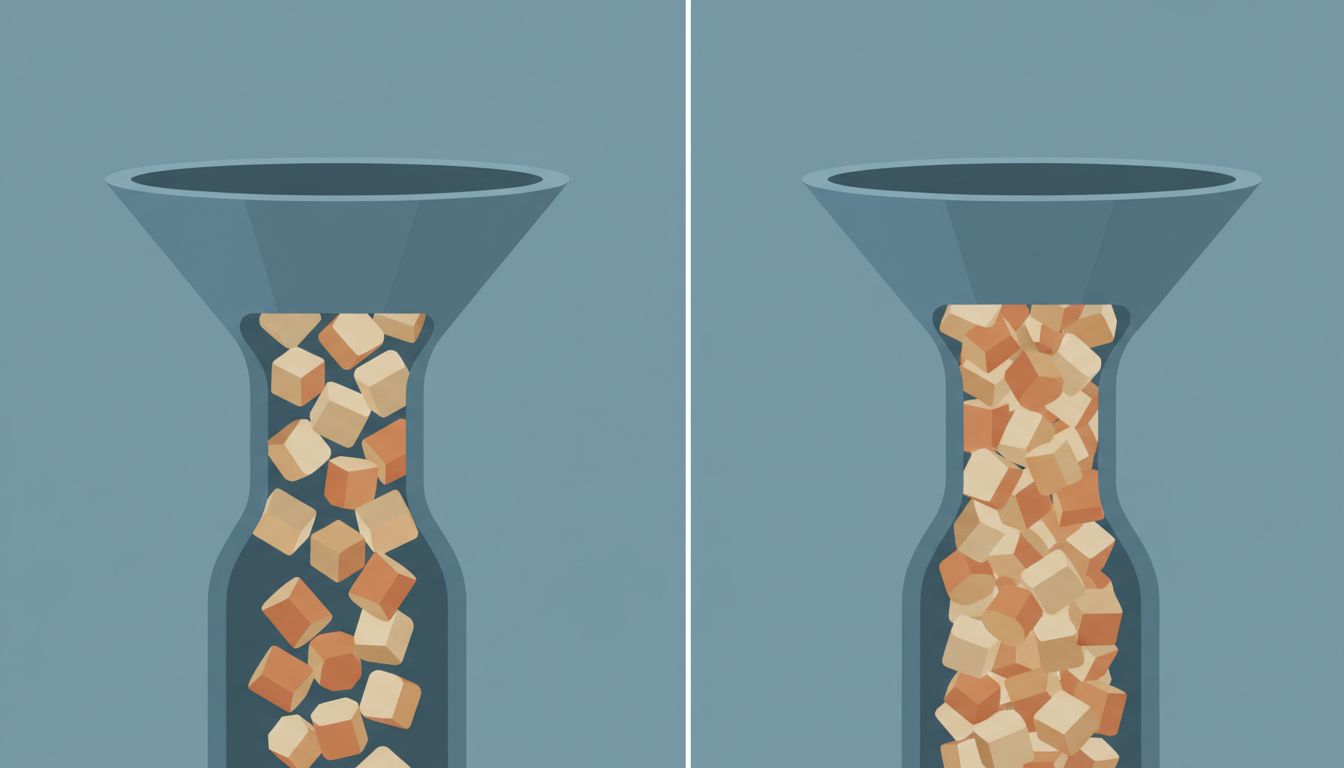
The problem is that capture is a one-way valve. Items go in constantly. They come out only when you sit down to do them or explicitly decide not to. The better you get at capturing, the faster the inflow. Most systems have no equivalent discipline around outflow. So the list grows, not because you’re failing, but because you’ve gotten very good at one half of the process while mostly ignoring the other.
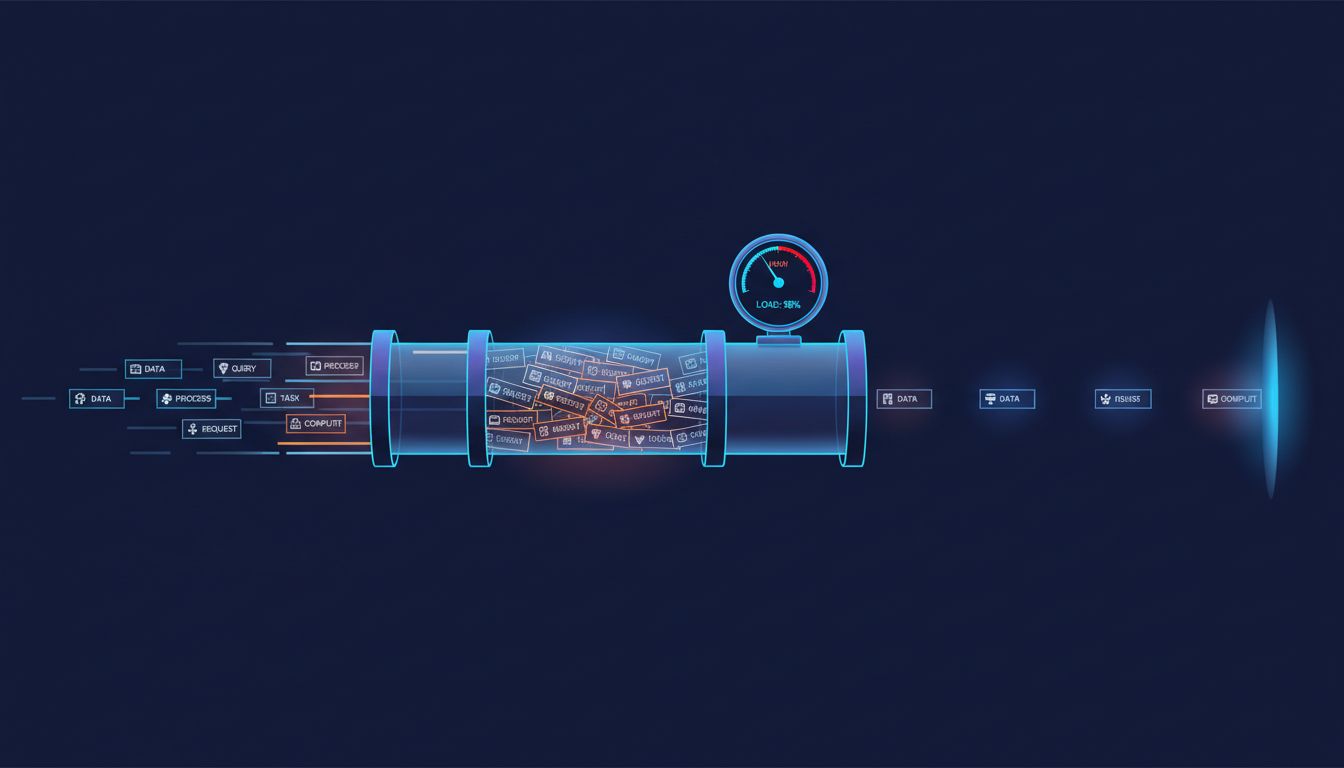
Think of it like a queue in software. If your enqueue rate exceeds your dequeue rate, the queue grows regardless of how efficiently items are being processed. A to-do list is a queue, and ‘capture everything’ is an instruction to maximize enqueue rate with no corresponding constraint on the other end.
2. Clarity Reveals Work That Was Already There
When you write down ‘fix the onboarding flow,’ you’ve done something psychologically satisfying. It feels like progress. But you’ve actually created several new tasks that didn’t exist in your system a moment ago: figure out what’s wrong with the flow, talk to users, write the copy, test it, ship it. The single item unpacks into five.
This is actually a feature. Vague tasks are unactionable. Breaking them down makes them executable. But it means every item you clarify will spawn children. The more thorough you are, the more visible work becomes. Undisciplined people carry these sub-tasks as vague mental pressure. Disciplined people write them all down, which makes the list look enormous by comparison.
The list isn’t growing because you have more to do. It’s growing because you can now see what was already there.
3. Completion Unlocks Blocked Tasks
Many tasks are dependencies. You couldn’t do task B until task A was finished. When you were disorganized, both tasks lived as undifferentiated anxiety. Now that you’ve finished A, B is suddenly visible and actionable. You add it to the list. It joins three other tasks that B’s completion will unlock.
This is the productivity equivalent of paying down technical debt. When you clean up a messy codebase, you often discover bugs that were always there, just hidden by the chaos. Fixing them is the right thing to do, but the issue count goes up before it goes down. Discipline makes latent work visible, and visible work gets added to the list.
4. You Start Tracking More Categories of Work
Early in anyone’s productivity journey, the list is mostly reactive: respond to this email, finish this report, call this person back. As the system matures, people start adding proactive items: research that framework you keep hearing about, schedule a quarterly review, write that internal doc nobody has gotten around to. The list expands its scope, not just its volume.
This is a real improvement. Reactive-only task lists mean you’re spending all your time responding to other people’s priorities. Adding proactive items means you’re investing in things that matter to you. But the net effect is a longer list. A developer who only tracks bug fixes has a shorter list than one who also tracks refactoring opportunities, documentation gaps, and learning goals. The second developer is better at their job.
5. Better Systems Attract More Input
Once people around you notice that you’re reliable and organized, they start sending more your way. Your manager gives you more responsibility. Colleagues loop you in on things they wouldn’t have trusted you with before. Your own past self starts leaving tasks for future you (quarterly reviews, recurring reminders, follow-ups). The system’s reputation creates its own demand.
This is a version of Jevons paradox: more efficient systems often consume more resources, not fewer, because efficiency lowers the cost of use. When your to-do list is a reliable place for commitments, the threshold for adding something to it drops. The tool gets used more. The list grows.
6. The Fix Is Not a Better App
The instinct when a list gets unmanageable is to switch tools. A new app promises features that will finally bring order. This is almost never the solution. The problem isn’t the container, it’s the absence of a principled deletion habit.
What actually helps is treating the outflow side of the queue with the same discipline you’ve applied to inflow. Weekly reviews that include explicit decisions to drop items, not just reprioritize them. A rule that anything untouched for more than a few weeks gets a hard look. The question shouldn’t be ‘when will I do this?’ It should be ‘do I actually want to do this, or did I just want to feel like I might?’ Those are different questions, and the second one is harder to answer honestly.
As the linked piece on task avoidance argues, the task you keep postponing is probably wrong. A growing list isn’t evidence that you need more discipline. It’s evidence that your deletion criteria are too soft.
7. A Long List Is Not the Goal
Productivity systems are means, not ends. The goal is to do the right work, not to have a comprehensive inventory of all possible work. A list that captures everything has value. A list that captures everything and never aggressively prunes it becomes a source of low-grade guilt, not a useful tool.
The developers I’ve seen get most done over long careers don’t have the most exhaustive task systems. They have systems with strong opinions about what doesn’t belong. They’re willing to close tickets as ‘won’t fix’ without apology. They treat a shorter list as a signal of good judgment, not incomplete capture.
Discipline built the list. More discipline, applied to a different part of the problem, is what cuts it down.