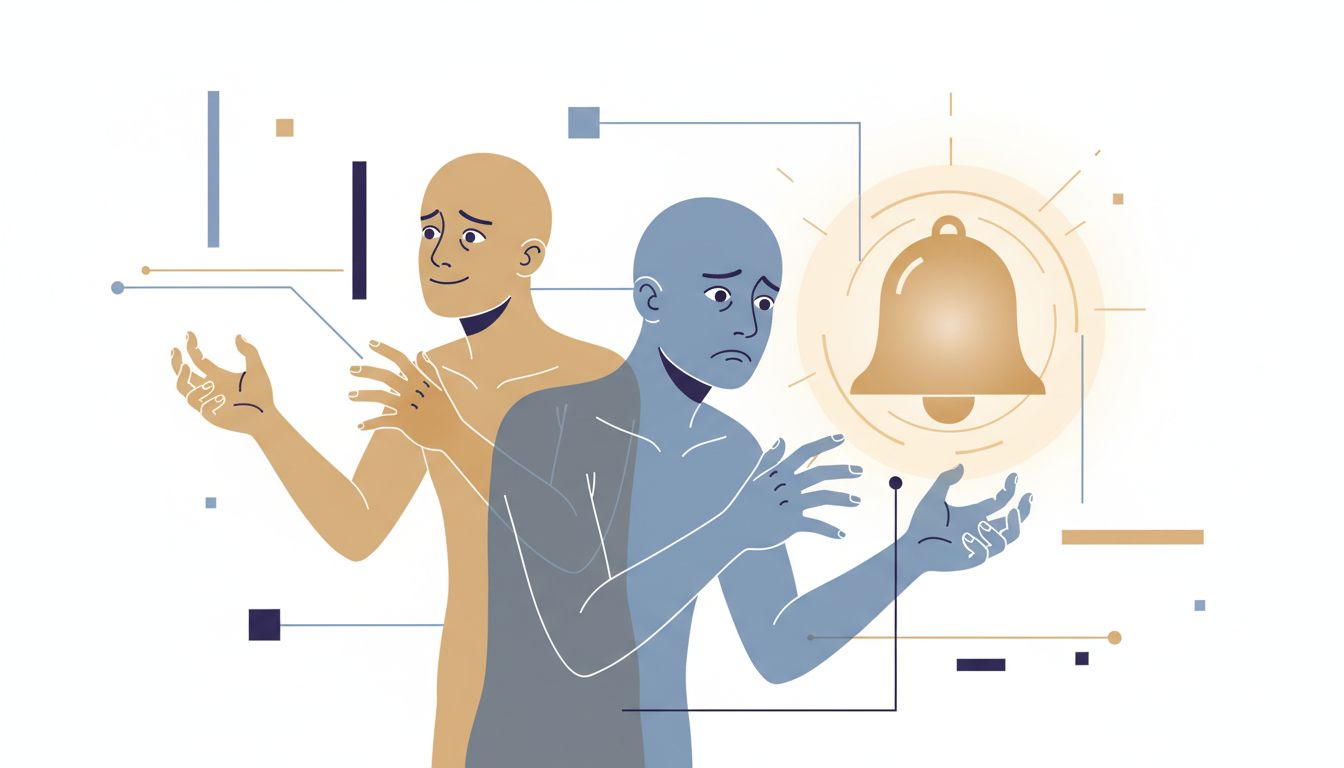
You probably already know when your brain works best. Maybe it’s the first 90 minutes after you sit down with coffee, before Slack loads up and the day becomes reactive. Maybe it’s mid-morning, when you’ve warmed up but haven’t hit the afternoon drag. The frustrating part isn’t that you don’t know this about yourself. It’s that your calendar doesn’t reflect it at all.
Protecting your peak hours isn’t a time-management trick. It’s a recognition that creative and analytical work is not uniformly available to you throughout the day, and scheduling as if it is costs you more than you think.
1. You Have a Cognitive Peak, and It Has a Specific Shape
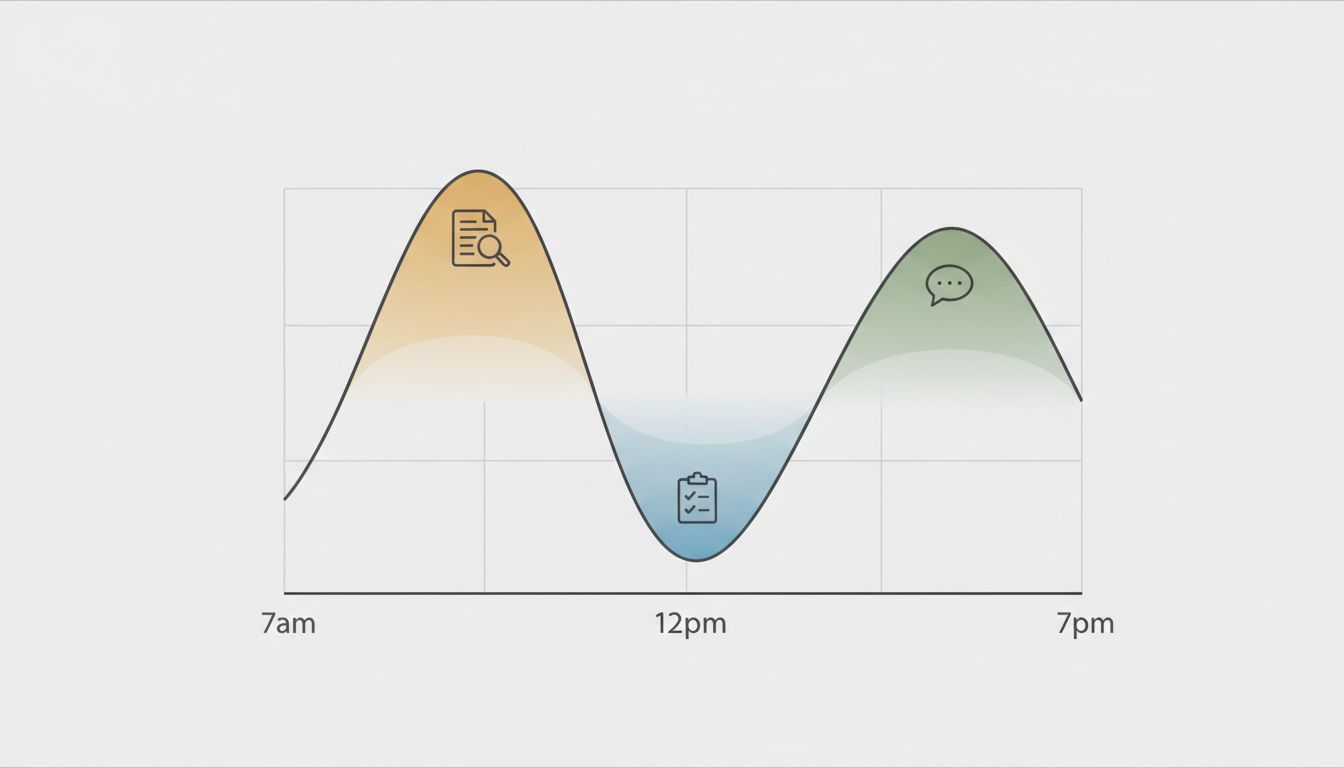
Research by psychologist Carolyn Anderson and others on circadian rhythms and performance shows that most people have a predictable arc: a peak, a trough, and a recovery period across any given day. For the majority of people, the peak lands in the late morning. The trough hits early-to-mid afternoon. The recovery comes in the late afternoon.
What makes this actionable isn’t the general shape (you’ve probably sensed it) but the implication for task type. Analytical, focused work belongs in your peak. Administrative tasks and routine decisions fit the trough. Collaborative or brainstorming work can go in the recovery. Almost nobody organizes their day this way. Instead, most people fill their morning peak with email triage and status meetings, then wonder why they can’t think straight when they finally open the hard project at 3pm.
2. Meetings Cluster in the Worst Possible Spot by Default
Calendar software has no opinion about when you do your best thinking. It just shows open slots. And because most people leave their mornings open by default, and because scheduling tools default to showing availability rather than protecting capacity, meetings naturally pile up in the hours that should be most valuable to you.
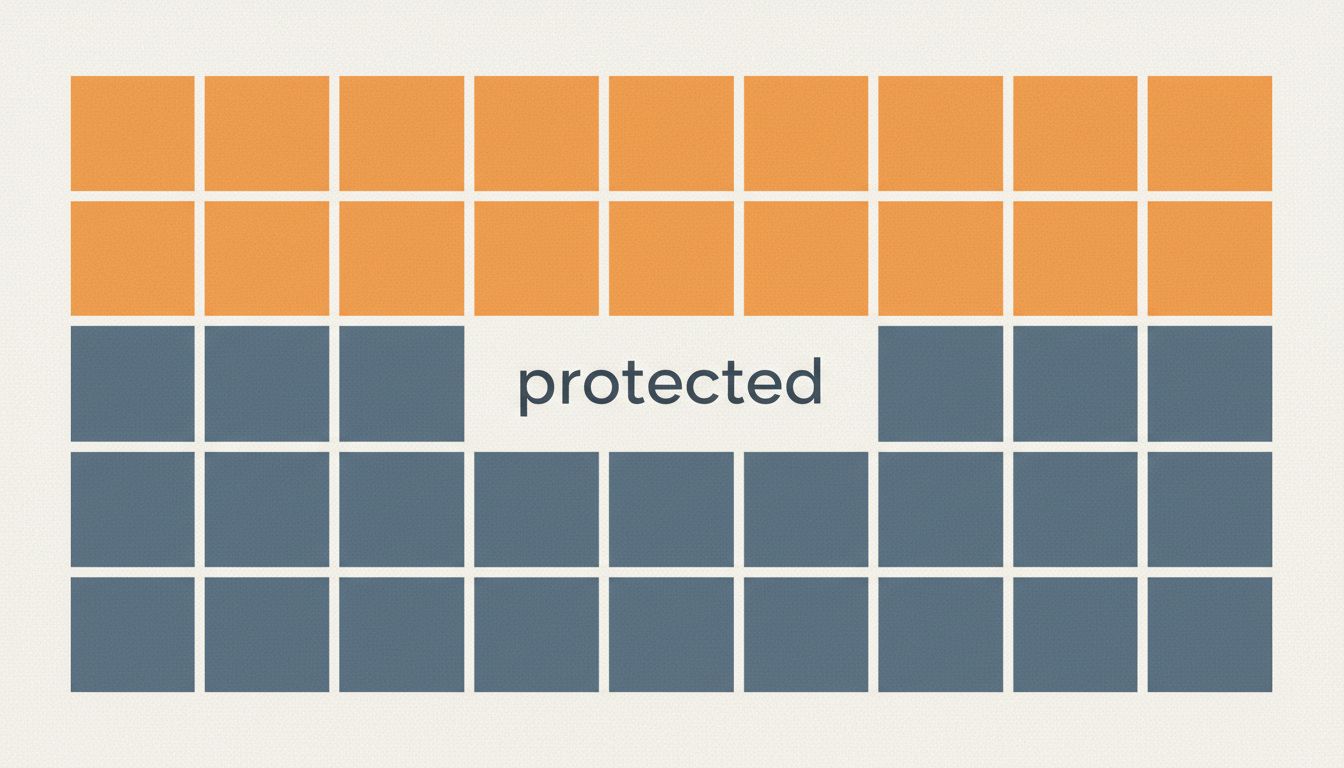
This isn’t anyone’s fault, exactly. It’s a coordination problem. Everyone is trying to find a time that works, and “works” just means “nobody has blocked it.” The fix is to block it yourself, before anyone else can. Treat your peak hours the way you’d treat a flight you’ve already booked. You wouldn’t move a flight because someone asked for a quick sync. Apply the same standard to your focused work time.
3. The Meeting You Accept Without Thinking Is the Expensive One
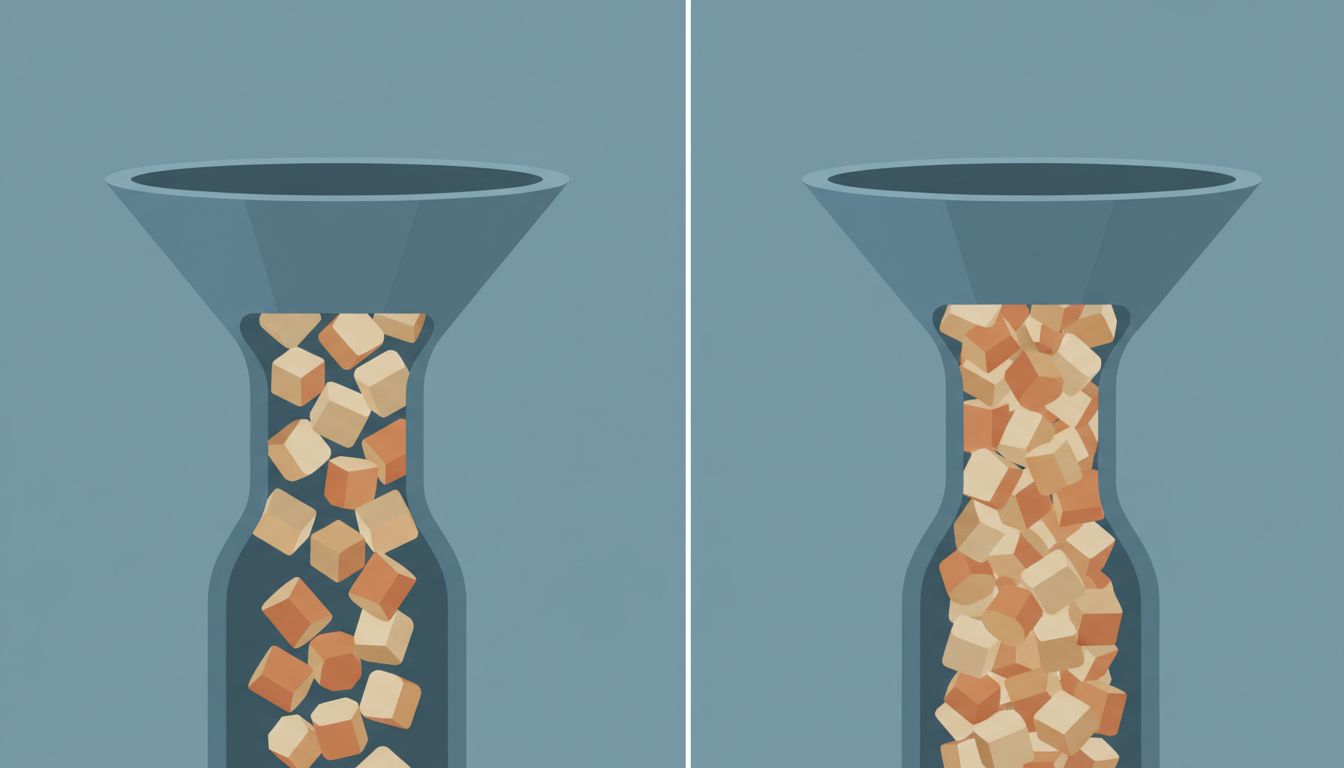
The cost of an interruption isn’t just the meeting duration. Gloria Mark’s research at UC Irvine found that it takes an average of over 23 minutes to fully return to a task after an interruption. A 30-minute meeting dropped into the middle of your peak hours doesn’t cost you 30 minutes. It costs you the 30 minutes plus the recovery time on either side, which can easily make the real toll 60 to 90 minutes of degraded focus.
The most damaging meetings aren’t the long ones, they’re the short ones scheduled carelessly in the wrong part of your day. A 15-minute check-in at 10am, right when you’d otherwise be deep in the hard problem, is doing more damage than a 90-minute planning session you scheduled for Thursday afternoon after lunch.
4. Batching Is Not Just for Email
You’ve probably heard the advice to batch email into two or three windows per day instead of checking constantly. The same logic applies to every kind of low-depth task: Slack responses, code reviews, expense reports, brief calls. None of these require your peak cognitive state. All of them will consume it if you let them run continuously throughout the day.
The practical move is to identify the three or four task categories that make up most of your week, then map each category to the part of your energy curve it actually needs. Deep writing or architecture work goes in your peak. Reviews and feedback go in your trough or recovery. Social, collaborative conversations go wherever your energy is moderate and you’re genuinely present. This isn’t about being rigid. It’s about having a default that protects your best hours rather than one that surrenders them.
5. Async Is Not Just Polite, It Is Strategically Superior
One reason people default to synchronous meetings is that they’re fast to schedule and feel productive. You get an answer right now. But for most questions, the cost of interrupting someone’s focus work is higher than the time saved by getting an immediate reply. Async communication gives the other person the option to respond during their trough, when the work cost is low.
This is worth being explicit about with your team. Not as a policy memo, but as a working norm you model. When you send a message that clearly doesn’t need an immediate response, say so. When you need a decision but not an urgent one, write it up instead of calling a meeting. The loudest request in your inbox always feels urgent. Most aren’t.
6. Your Calendar Is a Commitment Device, So Use It Like One
The most reliable way to protect your peak hours is to make them look occupied to everyone including yourself. Block them with a recurring event. Name it something honest: “Focus: architecture work” or “Deep work: writing.” Don’t name it “Busy” because that signals negotiability.
If your organization uses shared calendars and you have scheduling pressure to make yourself available, consider holding two or three open “office hours” style slots per week during your trough period. This gives colleagues a predictable time to reach you without sacrificing your peak. You’re not hiding. You’re designing your availability intentionally instead of letting the calendar do it by default.
The goal here is simple: your most valuable output comes from your best cognitive hours, and your best cognitive hours are finite and predictable. Stop discovering them by accident and start scheduling around them on purpose.