The Inbox Problem, Reframed
Think about the last time you felt good about your to-do list. Chances are, it was the moment you finished adding everything to it, not the moment you finished doing everything on it. That feeling has a name in behavioral economics: completion bias toward low-effort tasks. And your task manager is almost certainly designed to exploit it.
The core problem is architectural. Most to-do applications, from simple notes apps to feature-heavy project managers, are optimized around one operation: INSERT. Adding a task is fast, frictionless, and even pleasurable. There’s a text field waiting. There’s a keyboard shortcut. There’s often a satisfying sound or animation when you hit enter. The product teams who built these tools measured success by engagement, and nothing drives engagement like making it easy to put things in.
Removing things is another matter entirely. Completing a task often requires opening it, confirming it’s done, and moving on. Reprioritizing a list means dragging, or re-tagging, or changing dates. Deleting something that no longer matters feels like a decision that needs to be justified. The asymmetry is stark: adding takes one second, and everything else takes longer. That asymmetry shapes behavior in ways most people don’t consciously notice.
What the Queue Looks Like After Six Months
Here’s a scenario that will feel familiar. You start a new job and begin capturing everything: onboarding tasks, project ideas, meeting follow-ups, articles to read, tools to investigate. The list grows fast. After a few weeks, it has a hundred items. After a few months, some of those early items are still there, half-relevant and vaguely guilt-inducing, buried under newer additions that felt more urgent when they were added.
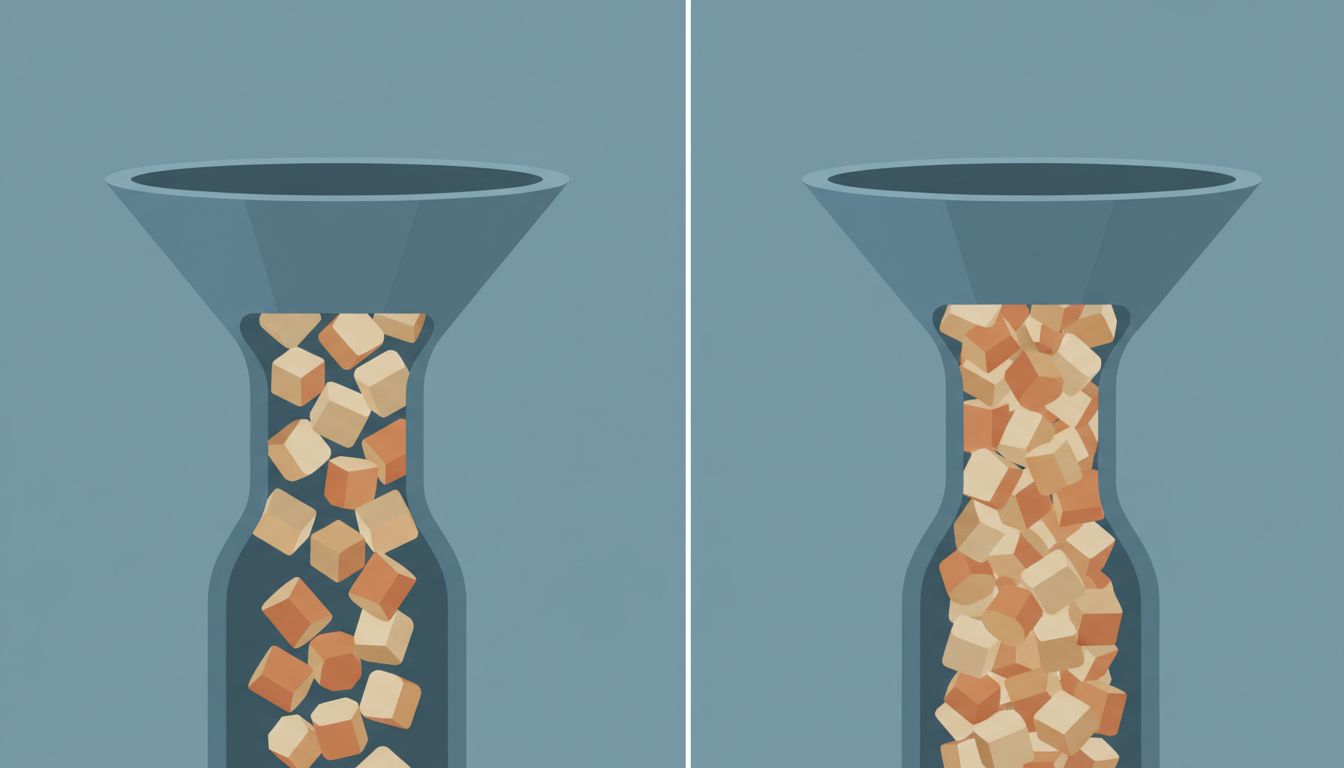
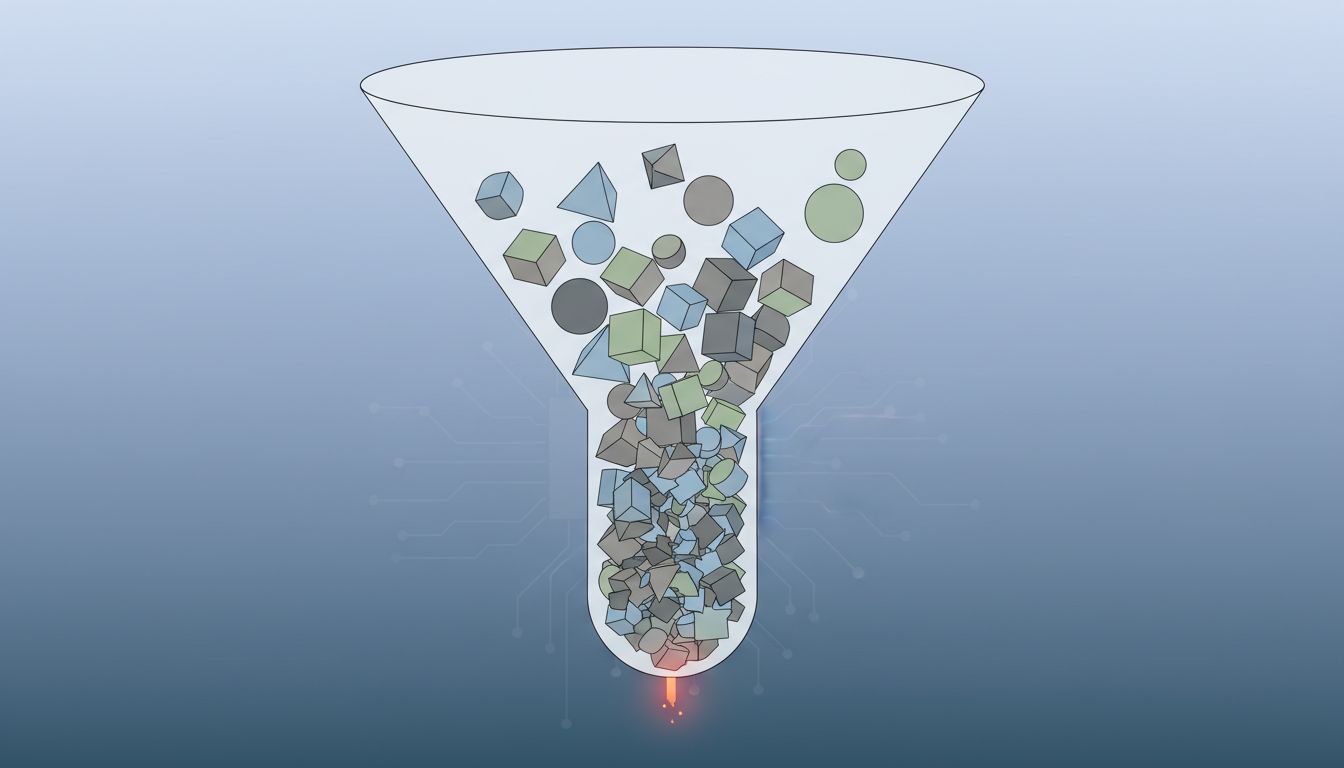
This is essentially a queue data structure with unbounded growth and no dequeue discipline. In software, when you push to a queue faster than you pop from it, you get memory pressure and eventually a crash. In task management, you get a list that’s so long it stops functioning as a priority signal and starts functioning as ambient anxiety.
The list doesn’t lie to you about what’s on it. It lies to you about what deserves attention. When everything is a task, nothing is a priority. The tool has shifted from being a decision-making aid to being a collection mechanism, and collection without curation is just hoarding.
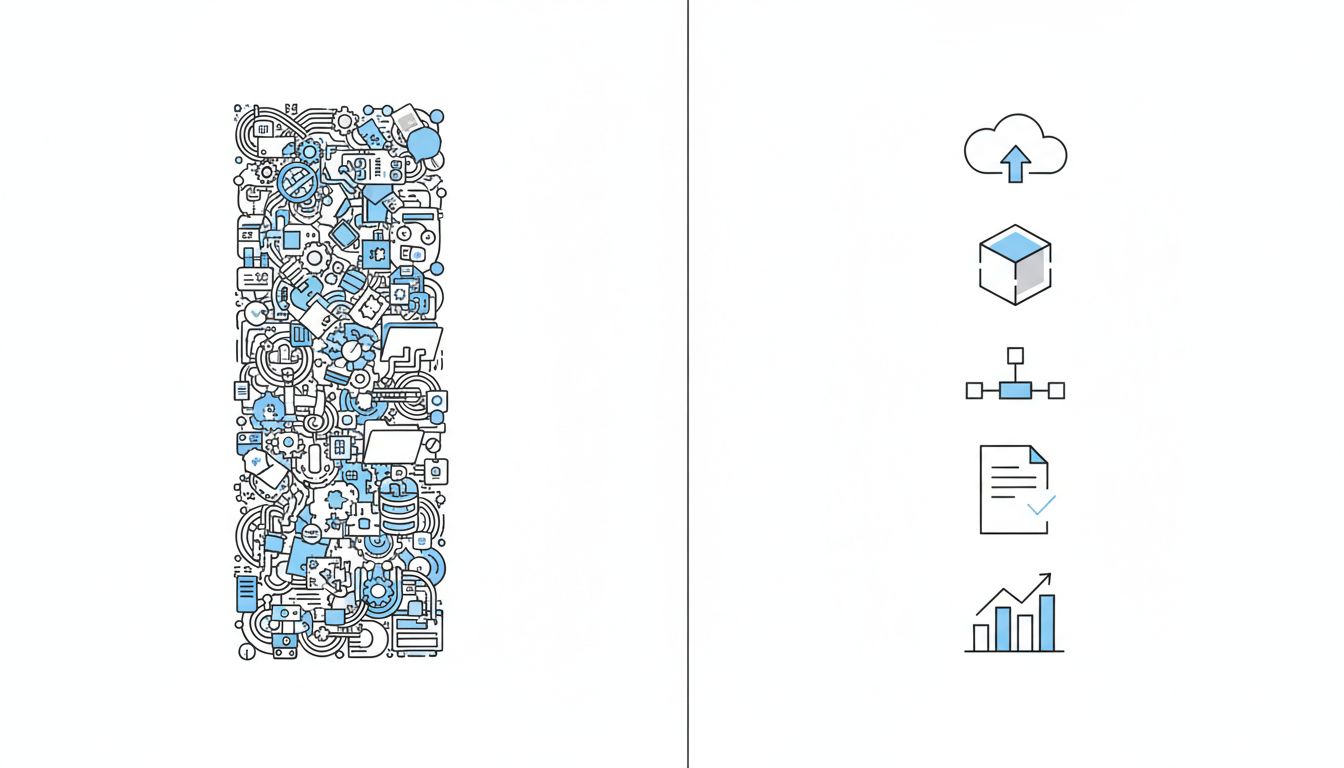
What’s insidious is that a long list still feels productive. You can look at it and think, “I have a lot of work to do,” which is technically true but tells you nothing useful. The list has become a lagging indicator of past intentions rather than a leading indicator of current priorities. This is the same failure mode as finishing old work beats starting new work: accumulation gives the illusion of progress.
The Design Choices That Caused This
Task manager design has historically rewarded growth metrics. Daily active users, tasks created per session, streaks. Completing tasks and closing the app doesn’t serve those metrics. Some tools now track completion rates, but the product still leads with capture because capture is the hook.
Consider how few tools surface what you haven’t touched in 30 days. Or automatically archive tasks that haven’t been opened in two weeks. Or ask you, when you try to add a new task, whether it should replace something already on the list. These features would genuinely help users finish work, but they’d also reduce the number of tasks in the system, which looks like a failure in most product analytics dashboards.
The natural language capture features popular right now make this worse. “Hey, add a reminder to review the analytics dashboard” goes straight into the list with zero friction. The cognitive cost of deciding whether that task deserves to exist has been eliminated. That sounds like a feature, but it’s removing the only moment where you might ask whether the thing is worth doing at all.
How to Redesign Your List Without Switching Tools
The fix isn’t finding better software (though some tools are better than others). It’s changing the protocol you run on top of whatever you’re already using.
First, treat your list like a buffer with a hard limit. If your working list has more than ten items on it, adding something new requires removing something old. Not archiving it, not completing it, removing it. This forces an explicit decision every time you add, which is exactly the friction that’s missing.
Second, separate capture from commitment. Have a dedicated inbox where everything goes when you think of it, and a separate working list of the five or so things you’ve actually decided to do today. The inbox gets reviewed on a schedule, not acted on in real time. This is the core insight behind David Allen’s GTD system, and it holds up precisely because it doesn’t trust the feeling of urgency you have when you first think of something.
Third, treat completion as a data point. When you mark something done, ask yourself why it got done when it did. Was it a deadline? A clear blocker for someone else? Your own genuine priority? The things you finish reveal what your actual operating priorities are, which is usually different from what your task list implies they are.
Finally, audit aggressively. Set a recurring calendar block, weekly or biweekly, to look at everything that hasn’t moved. Not to do those tasks, but to decide whether they deserve to stay. Most of them don’t. The act of consciously removing a stale task is more honest than letting it sit there as a soft accusation.
The Real Cost Is Cognitive, Not Organizational
A bloated task list isn’t just a tidiness problem. There’s real research on decision fatigue and attention residue, both of which get worse when you’re managing a long queue of unresolved items. The open loops in your task list aren’t just sitting there quietly. They consume a small amount of working memory continuously, the mental equivalent of background processes that slow everything else down.
The goal isn’t a short list because short lists are aesthetically pleasing. The goal is a list where every item on it has survived deliberate consideration and actually deserves your time. That’s a different thing to optimize for than the default, which is a list where every item survived the one second it took to type it in.
Your to-do list is a scheduling system you built for yourself. And like any system, what you optimize for determines what you get. Most people have optimized, by default, for adding. The fix is building in the discipline to delete.