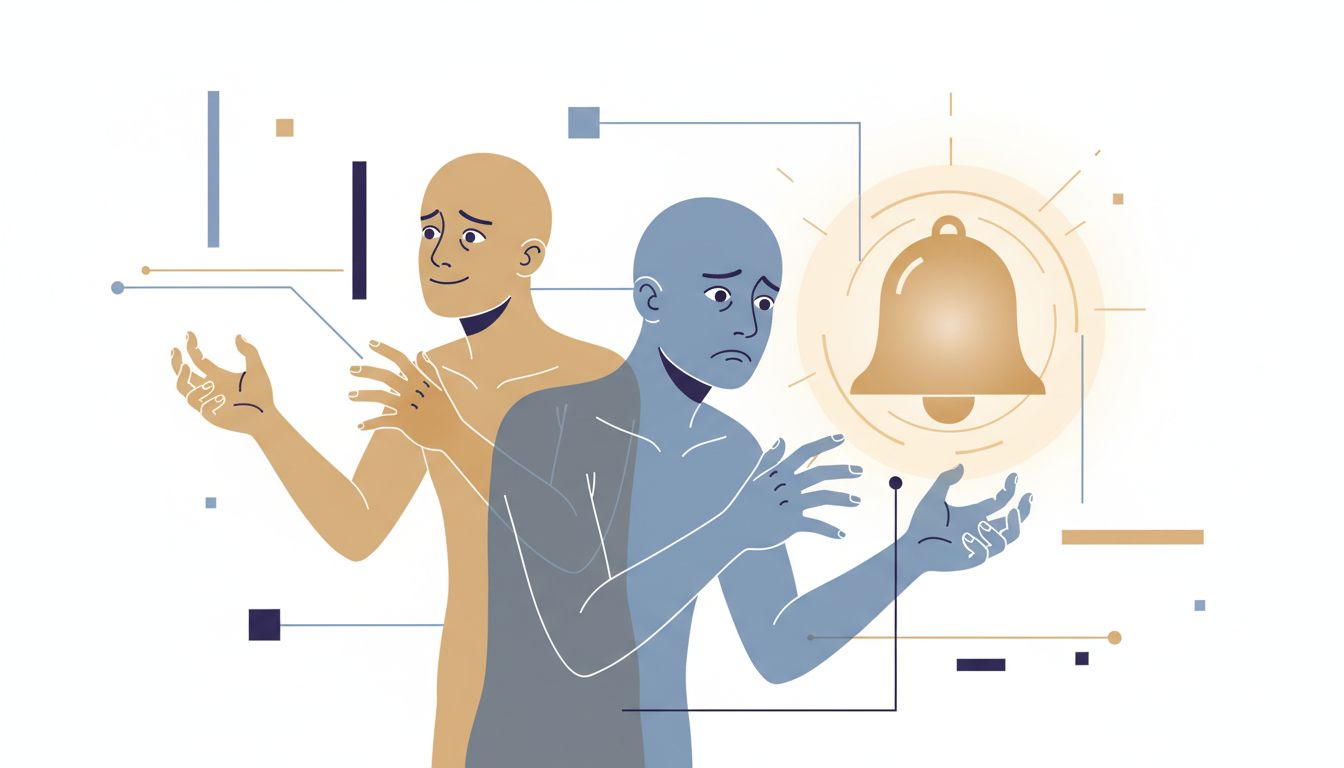
Most to-do apps have a frictionless add button and a graveyard of old items. That’s not a coincidence. The design of these tools reflects an implicit assumption: that the bottleneck in your productivity is forgetting tasks, not choosing which ones to actually do. That assumption is wrong for most knowledge workers, and the mismatch between tool design and actual bottleneck is why your list keeps growing while your sense of accomplishment stays flat.
1. Adding a task feels like doing it
There’s a well-documented psychological phenomenon where writing something down produces a small dopamine hit. Your brain partially registers the act of capture as progress. This is useful when you genuinely need to offload a thought so you can focus on something else. It becomes a trap when capture becomes a substitute for execution.
Think about the last time you had a productive-feeling evening where you reorganized your task list, added tags, split vague items into subtasks, and closed your laptop feeling like you’d accomplished something. You hadn’t. You’d performed the ritual of productivity without any actual output. The list got longer and more organized. Zero tasks got done.
2. The inbox model trains you to never say no
Most task systems are architecturally modeled on email inboxes: things come in, you process them, ideally you reach zero. But email inboxes have a forcing function (senders expect replies) that task lists don’t. A task you added six months ago doesn’t send you a follow-up. It just sits there, quietly making your list longer.
The result is that most people’s task lists are actually wish lists. They contain things that sounded like good ideas at the time but have no realistic path to completion. Every time you scroll past them, you pay a small cognitive tax. Psychologists call this the Zeigarnik effect: incomplete tasks occupy working memory, creating low-level background stress. A list of 200 items with 180 items you’ll never do is strictly worse than a list of 20 items you might actually complete.
3. Completion friction is invisible until you measure it
Add a task to Todoist: one tap, type, enter. Done in three seconds. Now try to remove a task you’ve decided not to do. You have to open it, decide whether to delete or defer, maybe feel a flicker of guilt, click delete, confirm. It takes longer and feels worse. That asymmetry is a design choice, and it’s working against you.
This is the same problem as premature optimization in code: you’re spending effort on the wrong part of the pipeline. The system is fast where you don’t need speed (adding tasks) and slow where you do (deciding what not to do). If completing or removing a task took one tap and adding one required a two-sentence justification, your list would stay short and useful.
4. The list becomes a performance artifact, not a work tool
Once a task list grows large enough, it starts to serve a different function: it signals effort. A long list proves you’re busy and thinking about things. This is especially true on teams that use shared task management tools. Nobody ever got questioned for having a full backlog. People get questioned for having an empty one.
This dynamic produces lists that are optimized for looking comprehensive rather than being actionable. Vague tasks proliferate because vague tasks never fail. “Improve documentation” can live on your list forever. “Write installation guide for the auth module by Friday” will either get done or it won’t. Specificity creates accountability, and accountability creates discomfort, so the system drifts toward vagueness.
5. The missing primitive: explicit deletion with a reason
Every task management system I’ve used has a delete or archive function. None of them make you record why you’re removing something. That’s a missed opportunity.
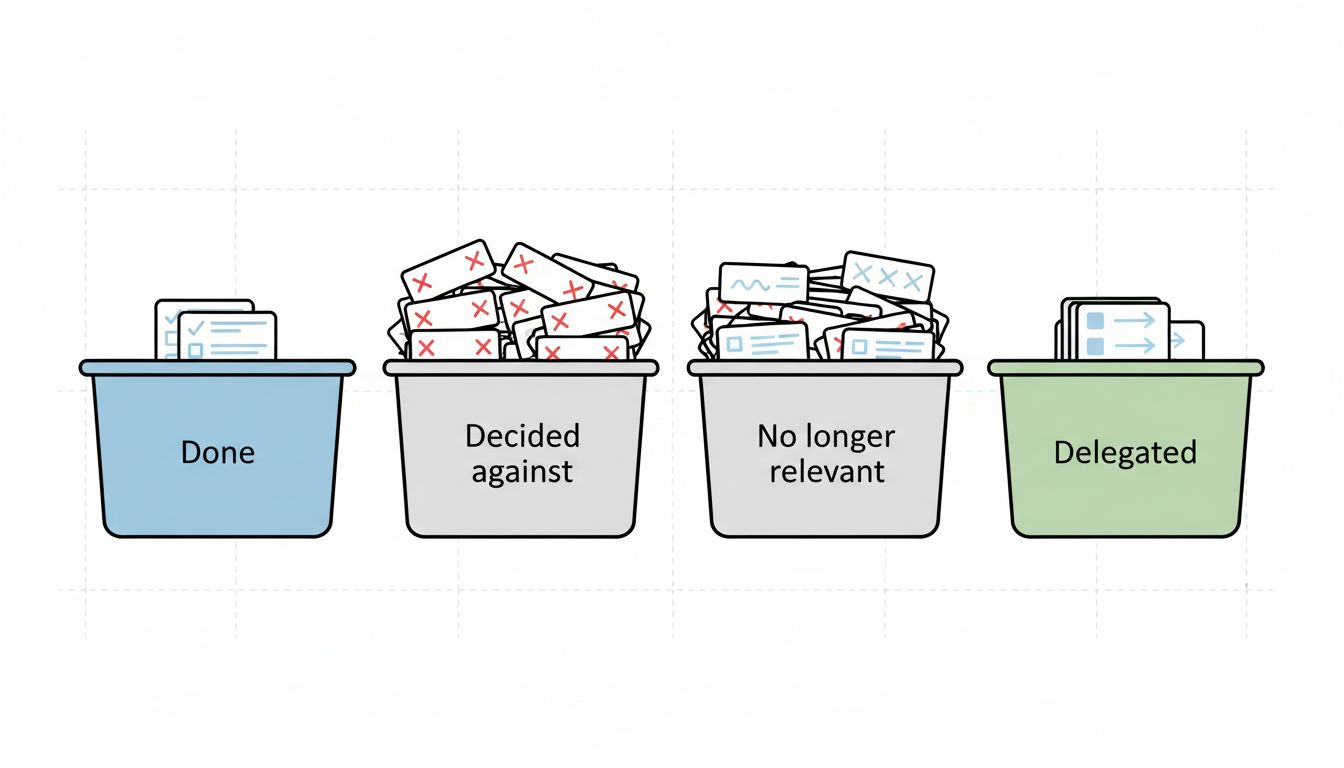
If you had to categorize every removed task as “done,” “decided not to do,” “no longer relevant,” or “delegated,” two things would happen. First, you’d think harder before adding tasks in the first place. Second, you’d generate data about where your task debt actually comes from. Most people, if they looked honestly at their deletion history, would find that a large percentage of their tasks fall into “decided not to do” or “no longer relevant.” That’s not a failure. That’s information. It tells you that your capture rate is too high relative to your execution capacity, and that you should be filtering harder at intake.
6. A task list without a maximum length has no forcing function
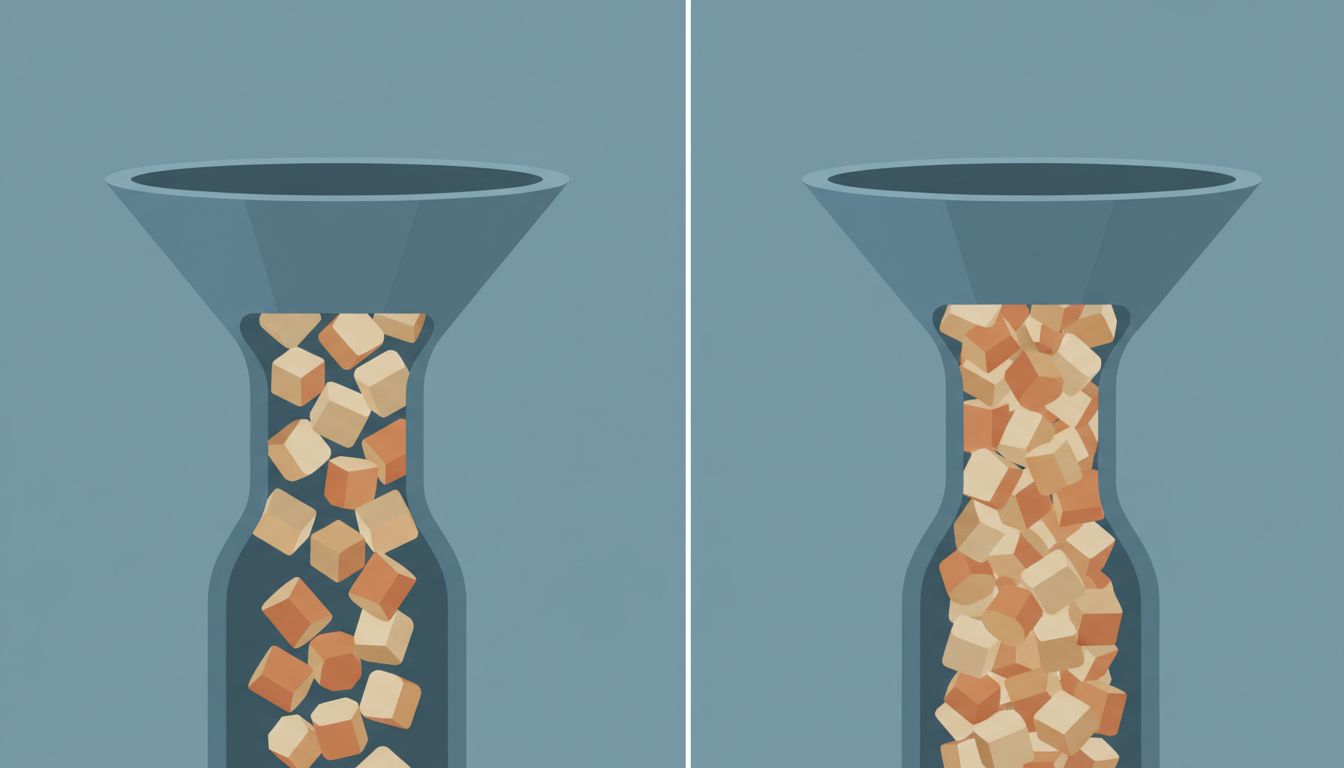
Software queues have a concept called backpressure: when a downstream system can’t keep up, the upstream system slows down its input. Your task list has no backpressure. It accepts infinite input regardless of your capacity to process it.
The manual fix is a personal work-in-progress limit, borrowed from kanban methodology. Kanban, originally developed at Toyota, uses explicit limits on tasks in each stage of a workflow to expose bottlenecks rather than hide them behind growing queues. Applied to personal productivity: pick a number (three to five is common) of tasks you’re allowed to have in an “active” state at once. Before you can add a new active task, you have to finish or explicitly remove one. This sounds simple and feels constraining, which is exactly the point. Constraint forces the decision you were avoiding.
7. The real optimization target is throughput, not capture rate
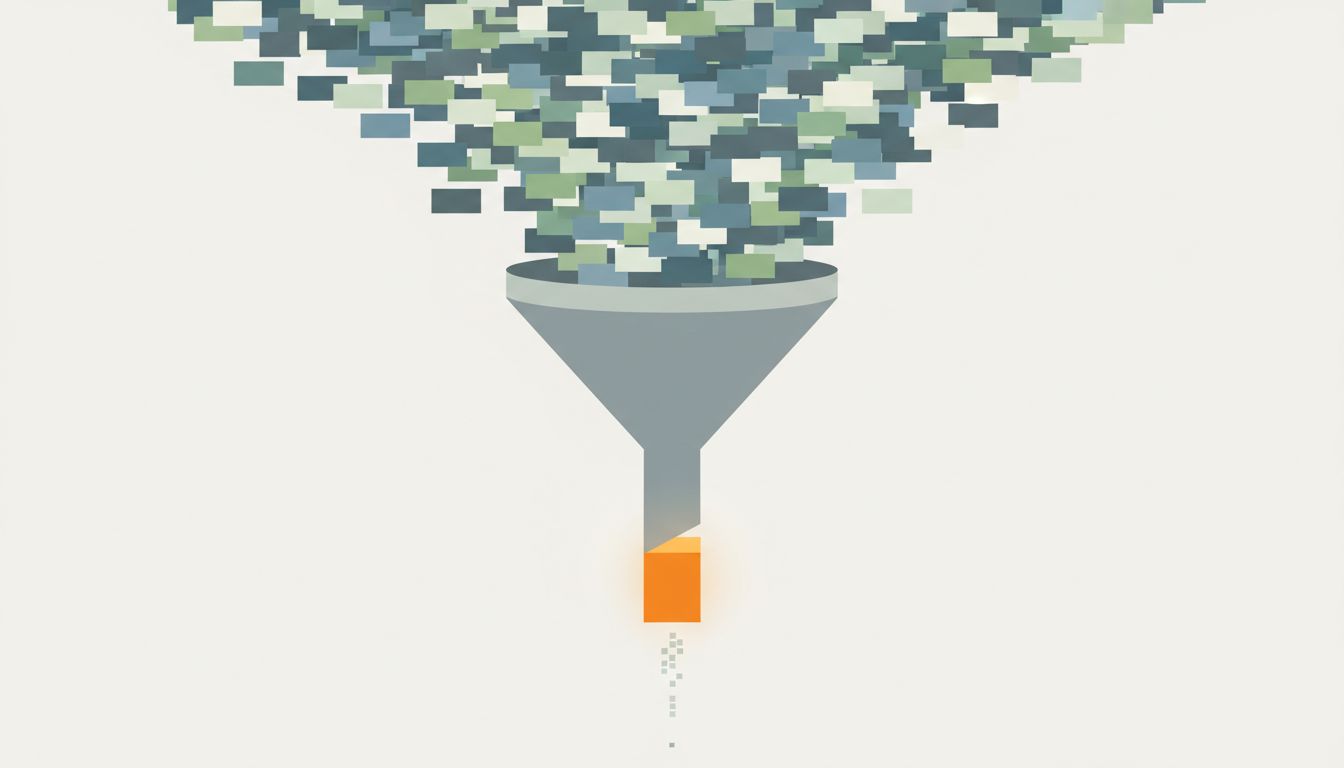
A task list is a queue. The useful metric for a queue isn’t how many items it holds, it’s how many items flow through it and out the other side. In systems design, this is throughput: the rate at which work completes, not the rate at which work arrives.
When you treat your to-do list as a throughput system rather than a capture system, the design priorities flip. You want friction on entry (is this worth adding?) and speed on completion (make finishing feel good and fast). You want regular queue pruning built into the workflow, not left as an optional cleanup task. And you want a short list of active items rather than a long list of everything you’ve ever thought might be worth doing. The goal is a list that reflects your actual commitments, not your aspirational ones.