The Bug You Can't Reproduce Is Usually the Worst One
If a bug only shows up once and then vanishes, that's not luck. That's a system telling you something about its own hidden complexity.
Adding features is easy to justify. Removing them requires confronting sunk costs, unknown dependencies, and users who built their workflows around something you regret shipping.
Between your words and the model's attention lies a pipeline that silently rewrites your request. Understanding it changes how you work with AI.
A column deletion looks like cleanup. It can behave like a controlled demolition that nobody planned for.
Software bugs don't appear randomly. They're fossils of past decisions, pressures, and constraints that the person removing them almost never witnessed.
Canceling a bad meeting feels productive. But the real fix is understanding why it got on your calendar in the first place.
The performance gap between interpreted and compiled languages is real but shrinking fast. More importantly, it's rarely where your bottleneck actually lives.
Most task managers are optimized for capture, not completion. The design choices that make adding tasks frictionless are the same ones that bury the work that actually matters.
Bigger AI models aren't always better. Smaller, focused models are faster, cheaper, and often more accurate at the tasks that actually matter.
The engineers keeping decade-old systems alive command salaries that make greenfield developers jealous. Here's the economics behind why.
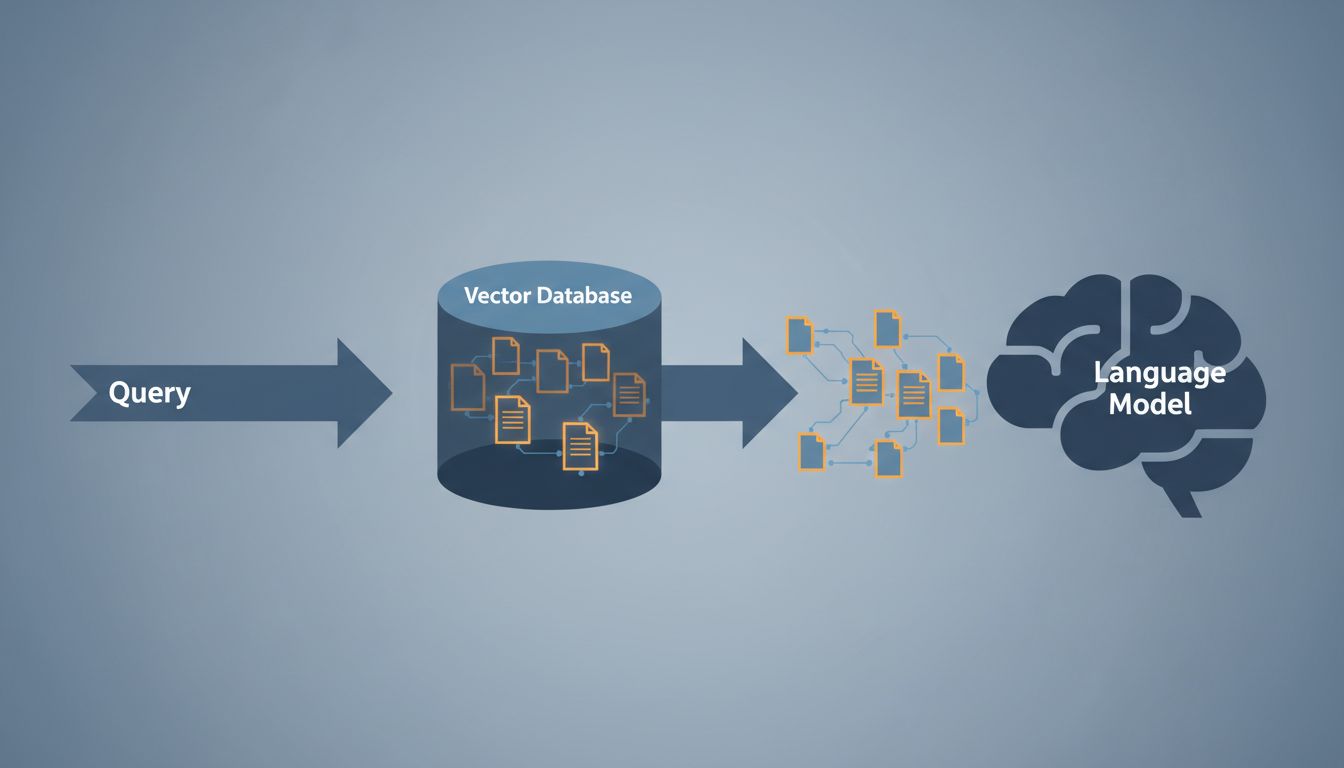
Semantic search feels like magic. The mechanics underneath are concrete, learnable, and worth understanding if you're building anything with AI.
Being first gets you credit in press releases. Being second gets you customers. Here's why the pioneer almost never ends up owning what it built.
The most valuable software engineers aren't the fastest coders. They're the ones who figure out what not to build.
Collecting money before your product exists isn't a shortcut. It's the most honest signal you can get about whether your idea deserves to exist.
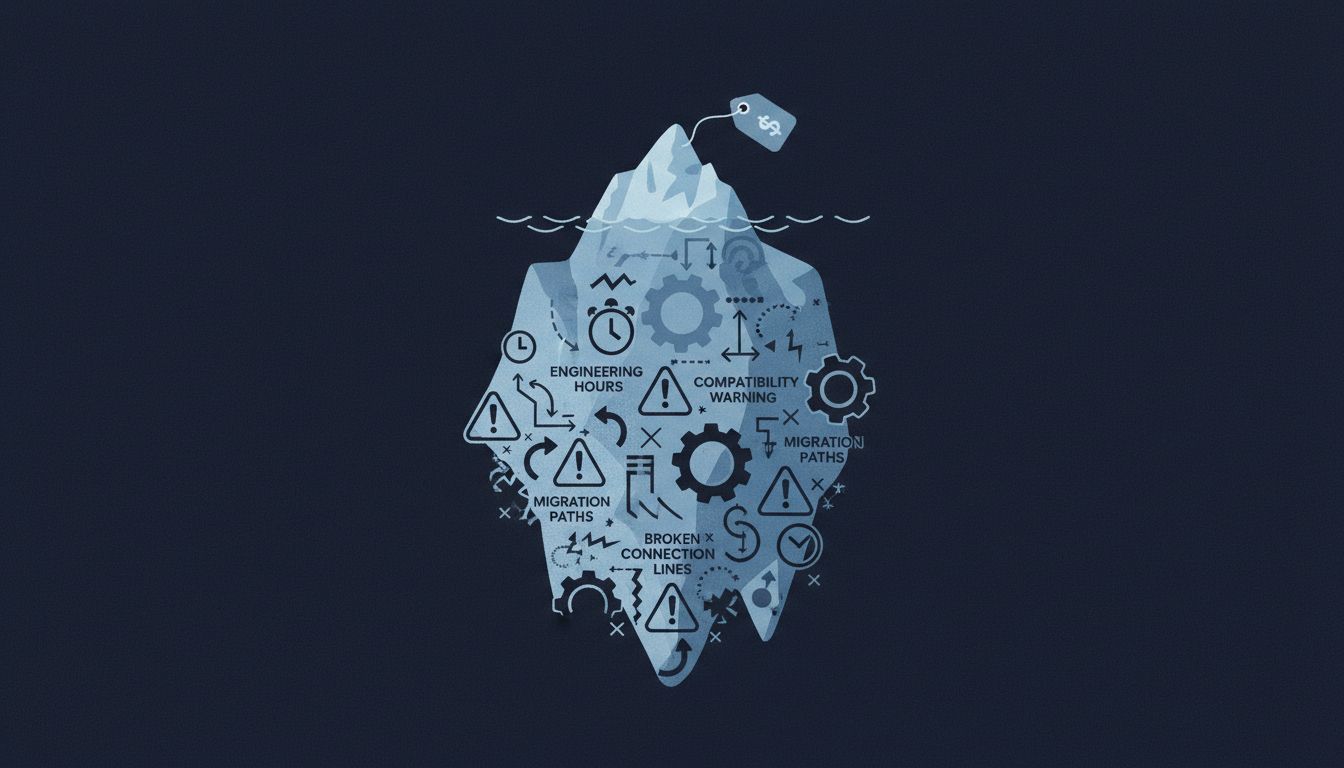
When a single dependency owns a critical function in your stack, its vendor doesn't compete on price anymore. They negotiate on necessity.
A fintech team shipped faster than ever with AI assistance. Then a senior engineer left and nobody could explain the codebase. A cautionary pattern worth taking seriously.
A look at how Shopify audited its own calendar culture, and what any team can learn from the wreckage they found.
The most damaging software problems never make it into any tracker. They exist in a blind spot created by the systems engineers build to find them.
It looks like cleanup. It often causes outages. Here's what makes dropping a database column one of the most deceptively dangerous operations in software engineering.
Join thousands of readers who get our weekly breakdown of the most important stories in technology.
Free forever. Unsubscribe anytime.