Six Reasons Raising Your API Price Made It Sell Better
Counterintuitive but consistent: higher API prices often attract more serious buyers, reduce support burden, and improve retention. Here's the mechanism behind each.
Everyone explains embeddings as 'turning words into numbers.' That's not wrong, but it misses what makes the idea powerful and why it matters.
When you ask an LLM to 'think step by step,' something real happens. But it's not what reasoning looks like inside a human brain.
The padlock in your browser is widely misunderstood. Here is what it actually guarantees, and what it deliberately leaves out.
Staging exists to catch bugs before production. It mostly catches the bugs that would never reach production anyway.
Routers handle simultaneous packet arrivals constantly. What actually happens involves queues, priorities, and the occasional deliberate drop.
The acquisition offer isn't always about ownership. Sometimes it's about neutralization. The economics of competitive suppression explain more tech history than most people realize.
Burn rate tells you what a founder believes about the future. Here is how to read the signal correctly.
The software powering most of the internet was written by people who weren't paid to write it. Here's why that's stranger than it sounds.
It's not the enterprise plan doing the heavy lifting. The real margin engine is one tier up from your cheapest option, and most founders never fully understand why.
PKM systems promise to make you smarter by offloading cognition. They're doing the opposite.
Most task managers reward adding work, not finishing it. One product team found out the hard way and rebuilt their workflow around a different metric entirely.
You don't have to check a notification for it to cost you. The interruption begins the moment your brain detects the signal.
A product team's experiment with no-meeting weeks revealed something uncomfortable: the meetings they thought were essential were mostly confirming decisions already made elsewhere.
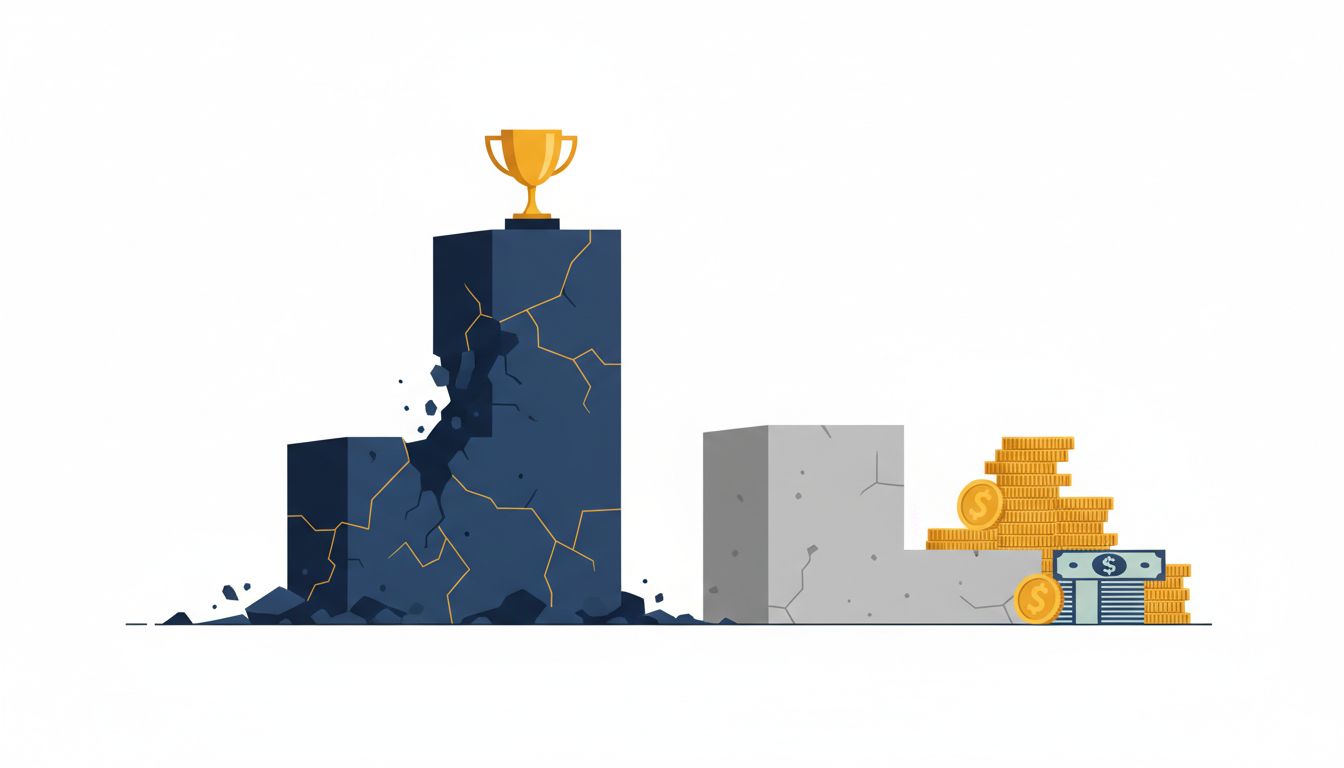
Success teaches the wrong lessons. The habits that got you through your first company are often exactly what will sink your second.
Most founders set prices by asking 'what's fair?' The actual question is different, and getting it wrong quietly kills companies.
Three of tech's biggest companies nearly collapsed serving customers who were never going to make them successful. The pattern is more common than founders admit.
Vector databases don't store documents or images. They store numerical representations of meaning, and that distinction changes everything about how search actually works.
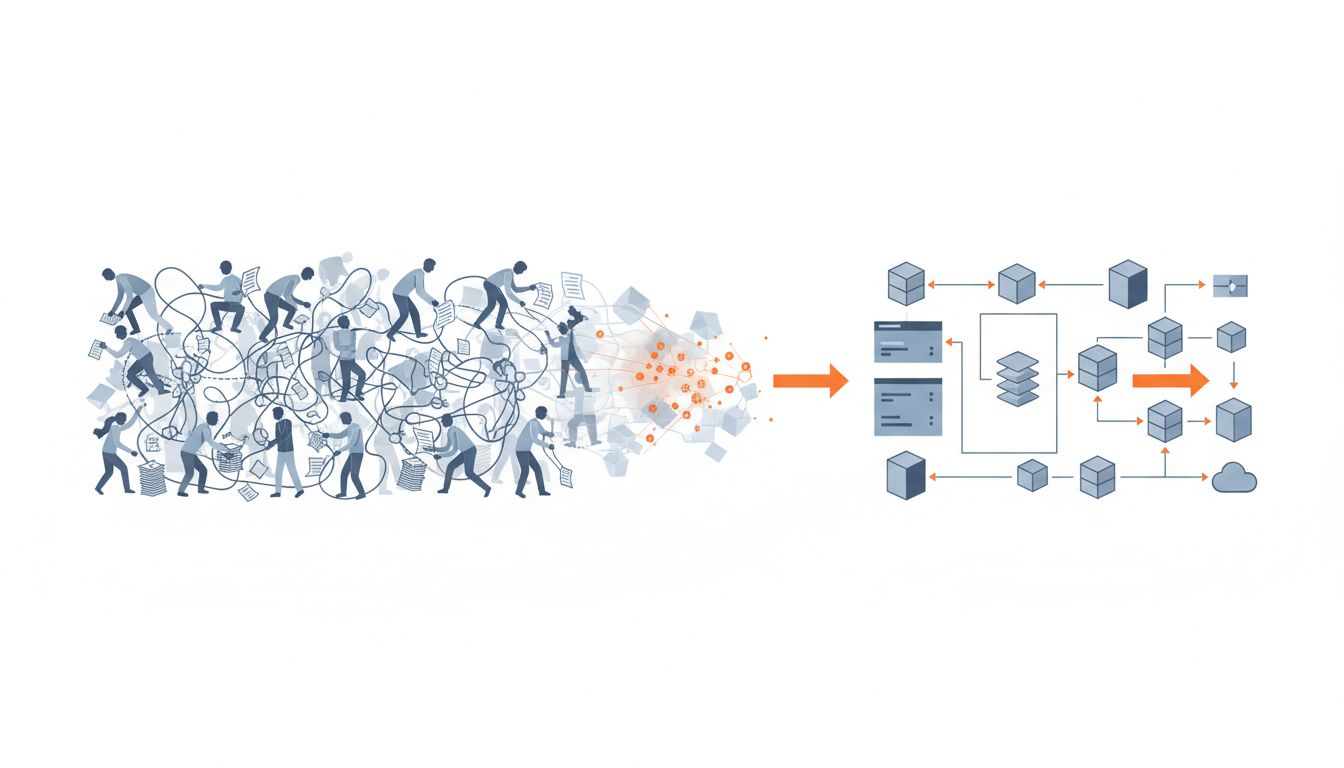
When their fraud detection pipeline silently failed for six days, the logs were full. They just didn't contain what anyone needed.
Join thousands of readers who get our weekly breakdown of the most important stories in technology.
Free forever. Unsubscribe anytime.