The Marginal Cost of Software Is Zero. The Marginal Cost of Selling It Isn't.
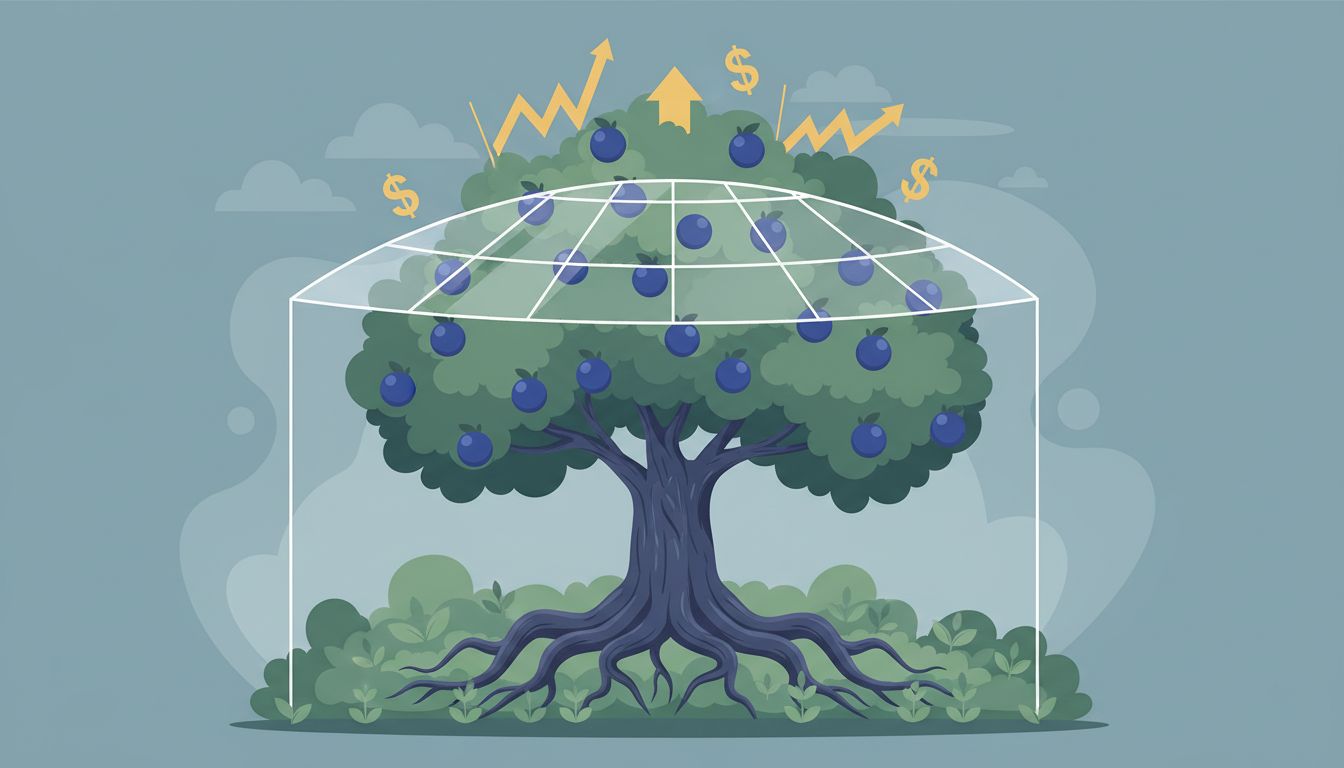
Founders fixate on zero marginal cost as the magic of software. But the cost of acquiring, convincing, and keeping customers doesn't scale the same way the product does.
Adding monitors feels like an upgrade. The research and the psychology say otherwise. Here's what's actually happening to your attention.
Slack didn't grow by ignoring unhappy users. It grew by obsessing over them. Here's what that actually looked like.
The doomed product announcement isn't always incompetence. Sometimes it's the whole strategy.
The companies we celebrate for their brilliant strategies usually started with a model they knew wouldn't scale. That wasn't an accident.
Tech companies run thousands of experiments on users every day. The uncomfortable truth is that 'better' usually means 'more profitable,' not 'more useful.'
The real explanation sits at the intersection of cognitive load, contrast perception, and how developers actually read code. It's more interesting than eye strain.
Feeding an AI model more data doesn't always improve it. Sometimes it actively degrades performance. Here's why that's not a bug but a structural property of how these systems work.
Some of the most selective tech companies now ask candidates to document their biggest failures. Here's why the practice works, and what it actually reveals.
The spinner you're watching isn't a failure of engineering. It's a deliberate design choice rooted in behavioral psychology and cold business logic.
Hiring the person who just broke into your systems feels like rewarding bad behavior. It's actually one of the more rational decisions in security.
The chronic underestimation of software timelines isn't a planning failure. It's a social one, and the industry keeps misdiagnosing it.
The largest tech companies hire engineers they don't need to ensure competitors can't have them. This is a deliberate market strategy, not a hiring mistake.
Bootcamps don't outperform CS programs because they teach better. They outperform them because they engineered the hiring pipeline from the start.
Artificial performance limits aren't a bug in cloud pricing. They're the entire business model, and understanding them changes how you buy infrastructure.
The people who build attention-hijacking products often go to elaborate lengths to stop those same products from hijacking their own attention. Here's what they actually do.
A single master calendar sounds like the organized choice. The people who manage time best know it's actually a trap.
Choosing slower internet sounds counterproductive. Experienced nomads know it's one of the most effective focus tools available.
The product that gets you in the door is rarely the product that makes you rich. Here's how the best startups exploit that gap on purpose.
Join thousands of readers who get our weekly breakdown of the most important stories in technology.
Free forever. Unsubscribe anytime.