
Startup Strategy
Charging Less Than Competitors Usually Means a Different Game
Low pricing isn't always a desperation move. Sometimes it's the strategy. Here's how to tell the difference, and what each version actually signals.

Jordan Rivera is a startup strategy writer who has spent a decade in the venture capital ecosystem. From seed-stage founder to growth-stage advisor, Jordan writes about the real decisions founders face, the ones that rarely make it into press releases.
Low pricing isn't always a desperation move. Sometimes it's the strategy. Here's how to tell the difference, and what each version actually signals.

Startups obsess over converting every prospect. The smarter play is making sure the wrong ones never sign up in the first place.

Stripe's early growth almost became its undoing. The lesson isn't about one bad actor. It's about what happens when a single customer defines your company.

We obsess over founding vision. But the person who joins second often determines whether any of it survives contact with reality.

The failure modes look different on the surface. Underneath, they share the same root cause: building the wrong thing at the wrong scale.

First-mover advantage is real but overrated. The founder who comes second inherits a proven market, a roadmap of what not to build, and customers who are already educated.

Revenue should make your startup more valuable. Sometimes it does the opposite. Here's what actually happens when you cross from promise to proof.

Steve Jobs gets the myth. Tim Cook built the machine that made it real. The second founder problem is older and more important than Silicon Valley wants to admit.

The zero marginal cost of software distribution is real. The zero exit cost is a myth that companies discover only when they're already trapped.

The 10x engineer is real. So is the damage they cause. Here's why bringing on a singular genius often slows down everyone else.

Founders obsess over culture decks and core values. The person you hire first will do more to shape your company than any of it.

"Come back when you have more traction" is a dismissal dressed as advice. Here's what's actually being communicated, and what to do about it.

Fixing a bug and understanding it are two different skills. Most engineering culture rewards the first and ignores the second.
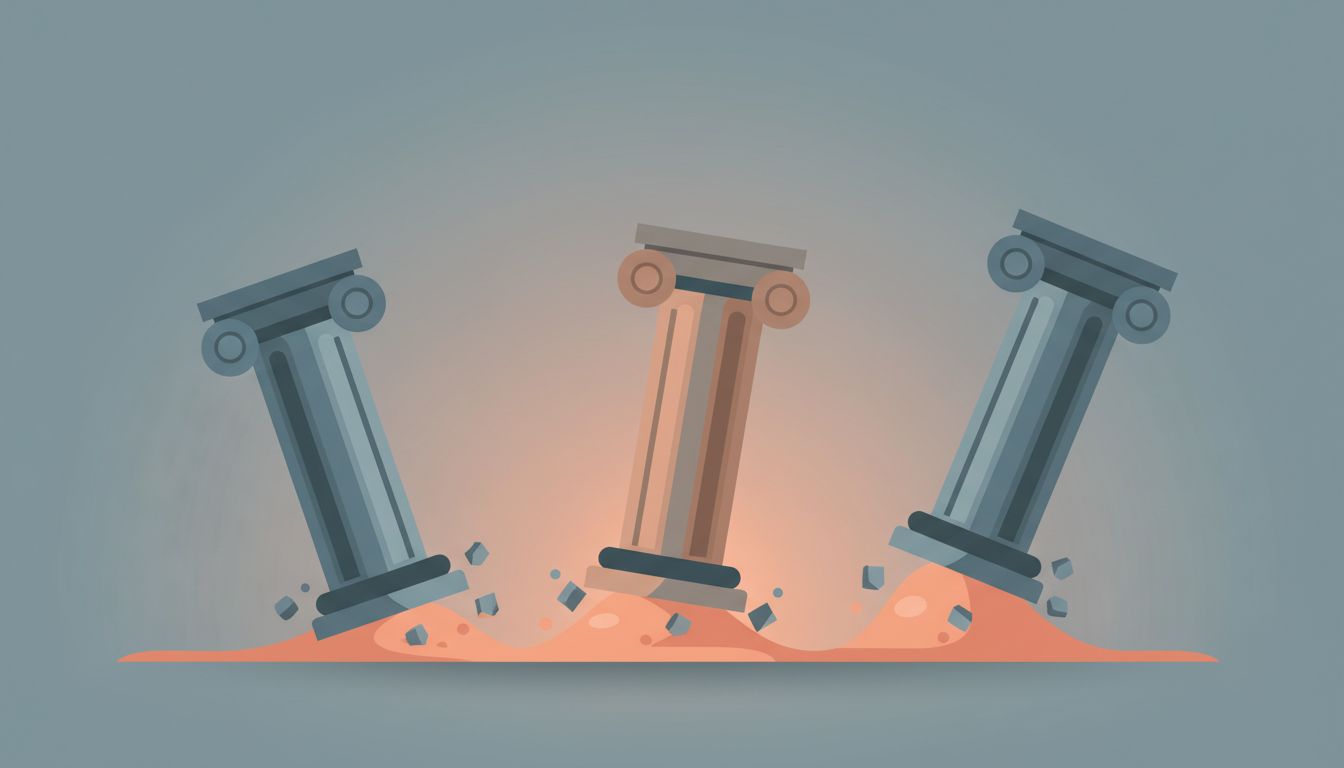
Most founders treat pricing like a design problem. It's actually a research problem, and you won't solve it at your desk.

The gap between what engineers earn and what salespeople earn isn't random. It's a direct consequence of how markets price visibility over impact.

You paid for it. You depend on it. But when the startup folds or pivots, you may own almost nothing. Here's what the fine print actually means.

First-mover advantage is one of the most durable myths in startup culture. The evidence keeps saying otherwise.

Ask five engineers what a system cost to build and you'll get five different numbers. That's not a rounding error. It's a structural problem with how software cost gets measured.
Join thousands of readers who get our weekly breakdown of the most important stories in technology.
Free forever. Unsubscribe anytime.