
AI & Software
Your AI Isn't Getting Smarter. You're Getting Better at Asking.
The model hasn't changed. Your results have. Here's what's actually happening when your prompts start working.

Maya Chen covers artificial intelligence and emerging technologies with a focus on making complex topics accessible. A former software engineer at a major tech company, she brings hands-on technical depth to her reporting on how AI is reshaping industries.
The model hasn't changed. Your results have. Here's what's actually happening when your prompts start working.
Developers routinely conflate two distinct performance metrics, then wonder why their optimizations make things worse. The confusion is fundamental, not cosmetic.
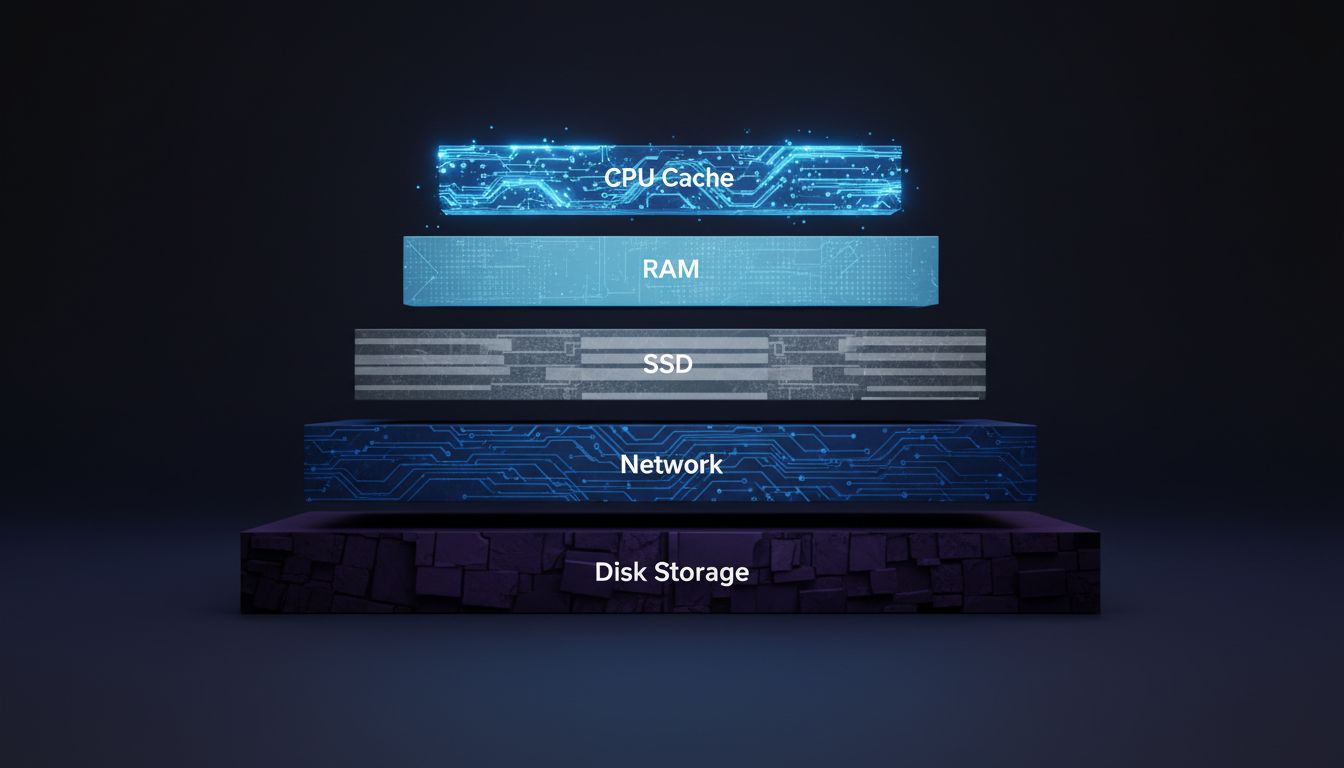
A nanosecond is meaningless until you understand what your code does a million times per second. Here's the mental model that changes how you build systems.
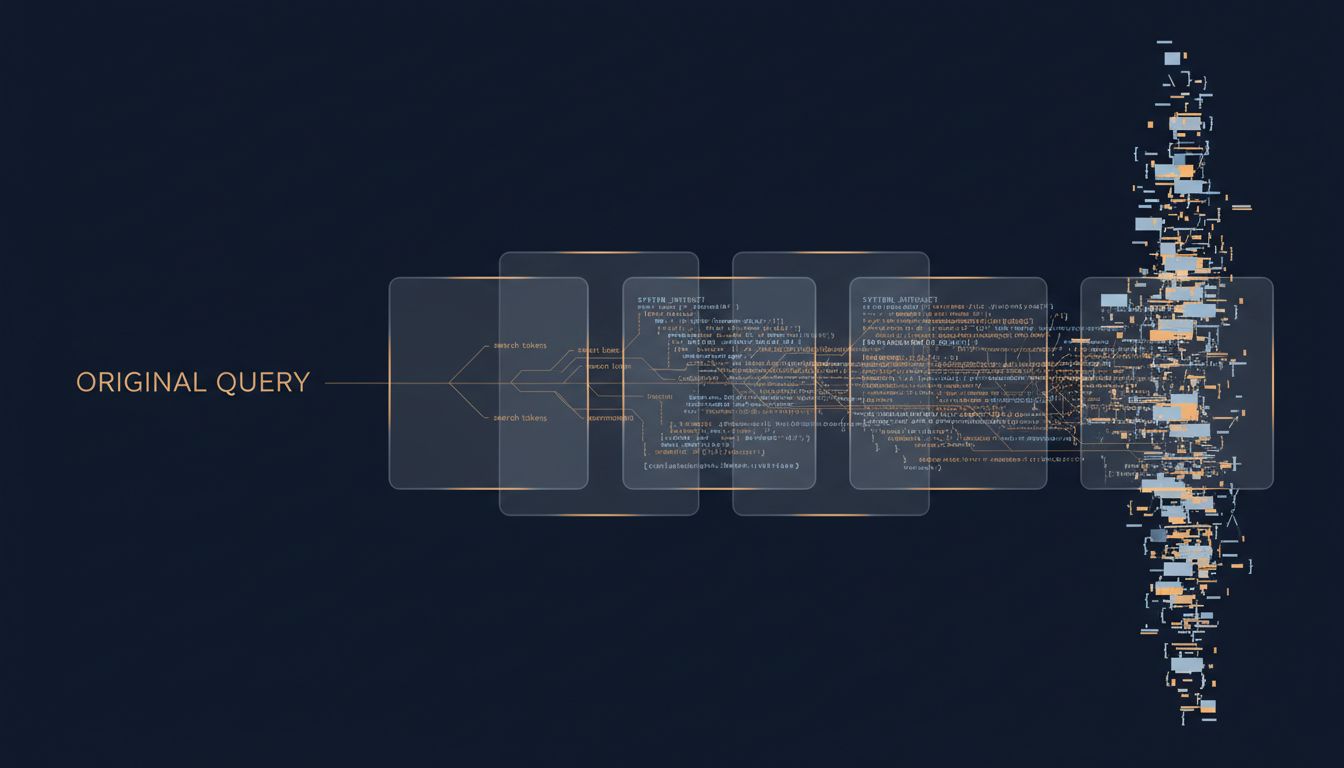
Between your text and the model's attention, a lot happens. Understanding that gap changes how you think about AI behavior entirely.

Some bugs vanish the moment you try to find them. That's not bad luck — it's a structural property of complex systems. Here's what heisenbugs actually teach us.

Prompt engineering gets dressed up as a new discipline, but it's really just debugging a system whose source code you can't read.

Router contention isn't a failure case. It's the normal operating condition of the internet, and how it's handled explains a lot about why networks behave the way they do.
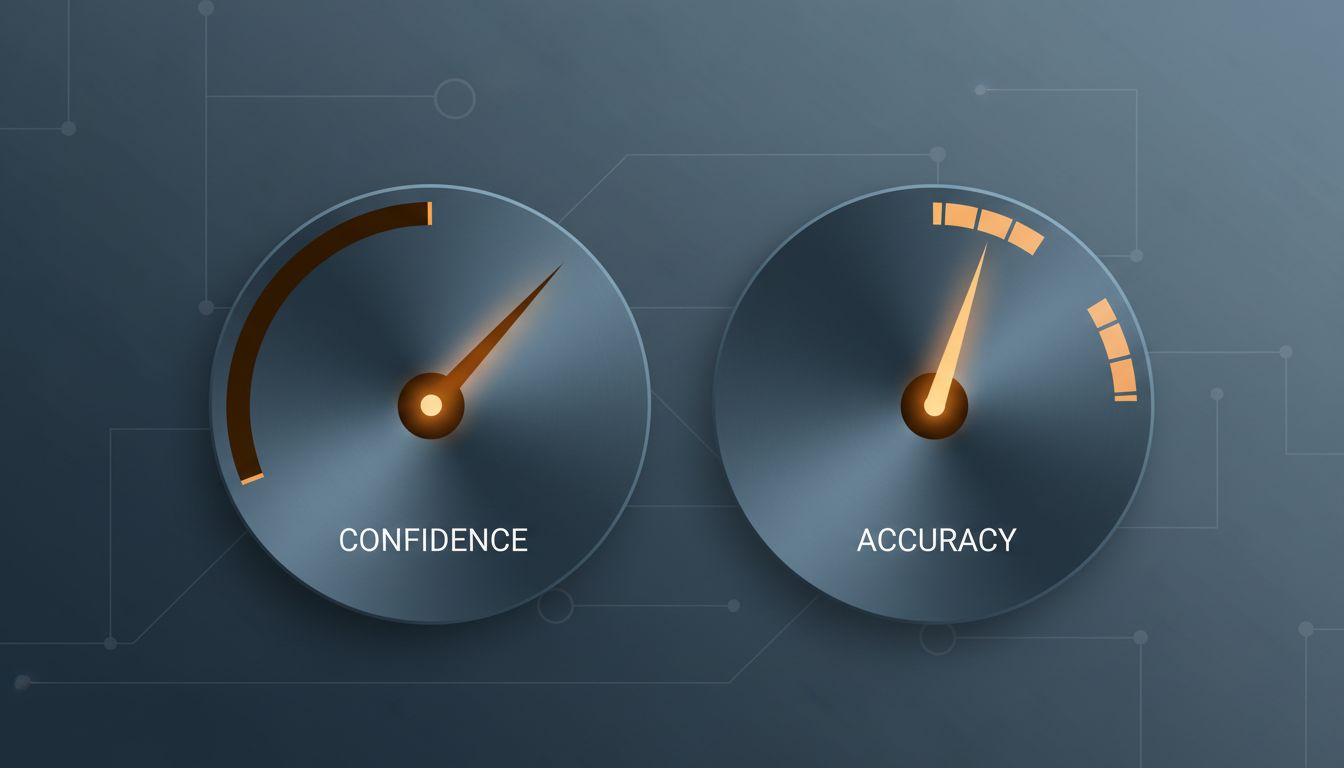
LLMs don't flag uncertainty, they just answer. That gap between confidence and accuracy is where real damage happens.

A stock trading firm lost millions on trades that happened in the wrong order. The culprit wasn't a bad algorithm. It was a clock.

Fine-tuning promises to make a general model fit your specific needs. It frequently does the opposite. Here's why, and what to do instead.

Spotify's recommendation problem reveals the core trick behind modern AI: words and concepts become vectors in geometric space, and similarity becomes distance.

Developers learn the textbook definition of race conditions early. Most never learn how many forms they take, or how quietly they can hide.

When you craft a prompt carefully, you're not writing instructions. You're adjusting a model's behavior through its input layer. That distinction matters.
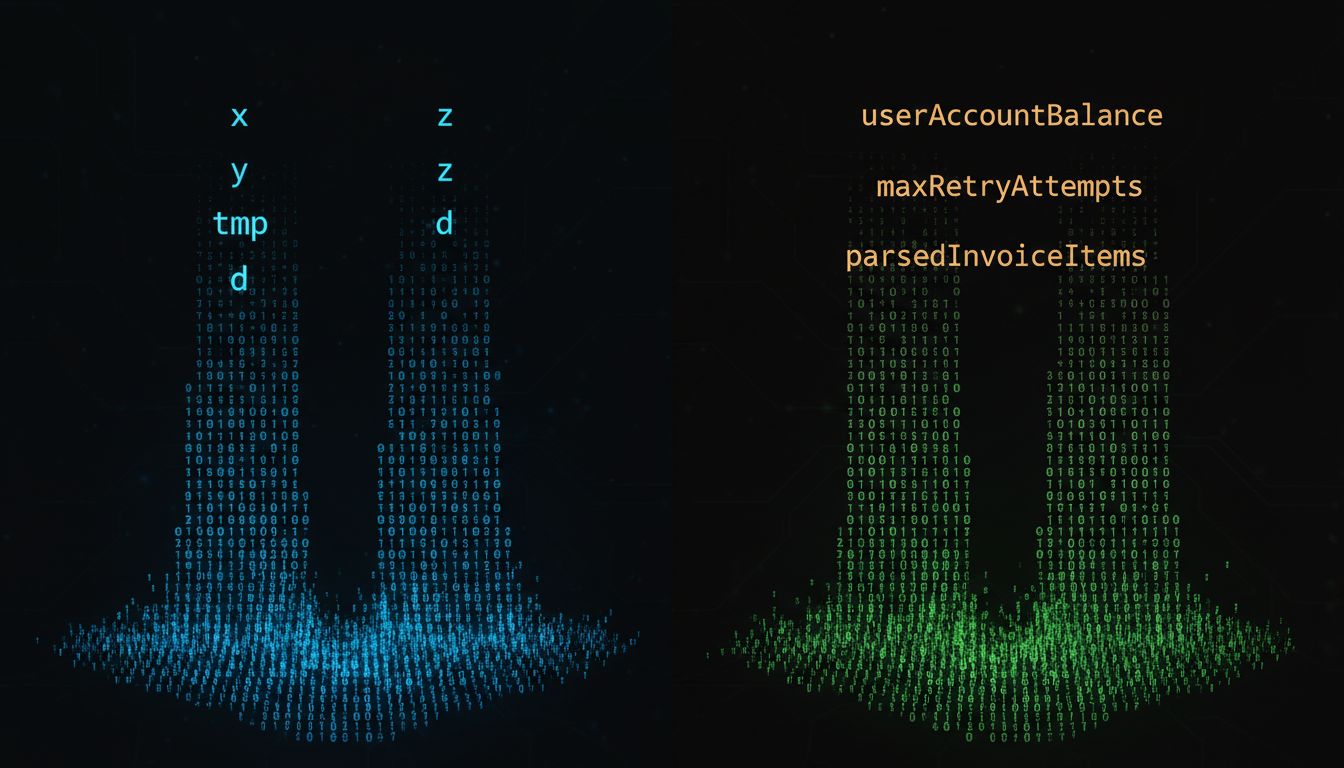
Your variable names mean nothing to the machine running your code. They mean everything to the person maintaining it at 2am.
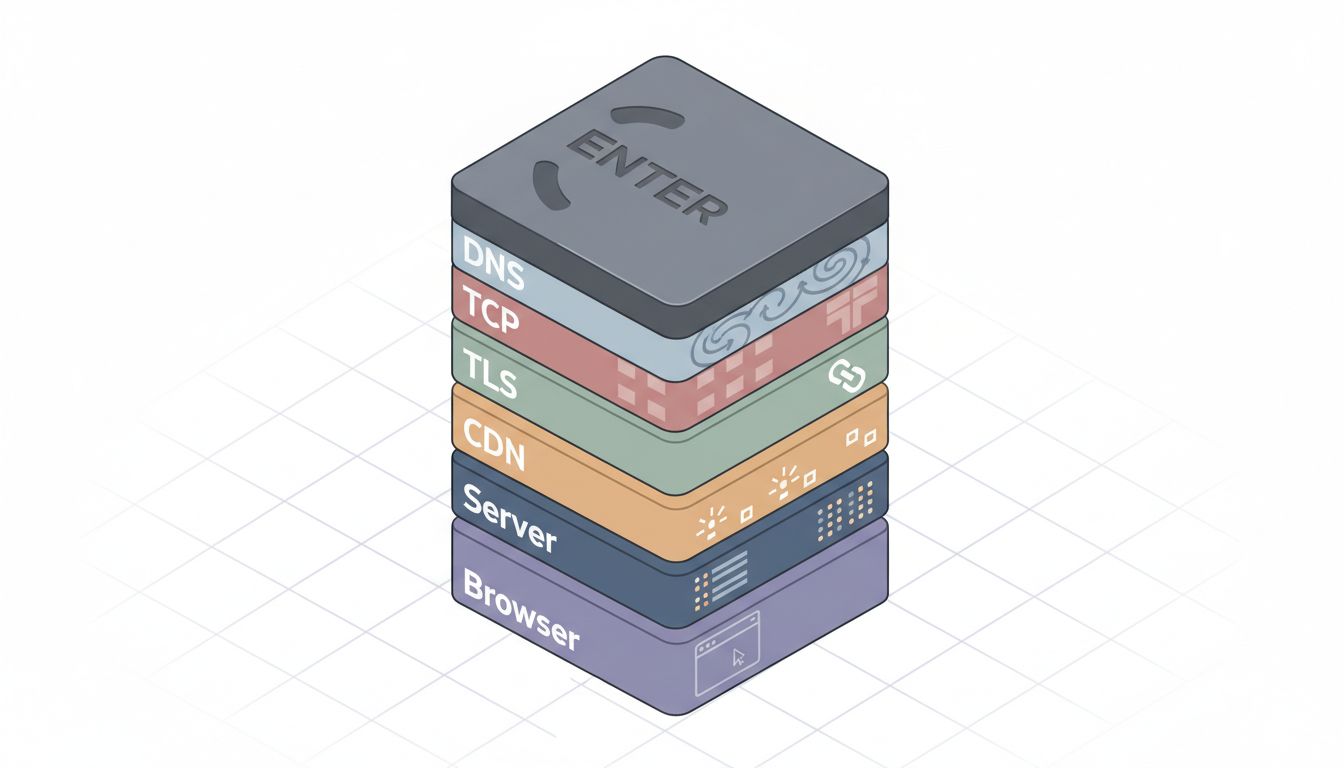
Most people think a URL request is like flipping a light switch. It's closer to orchestrating a small city. That gap in understanding matters.
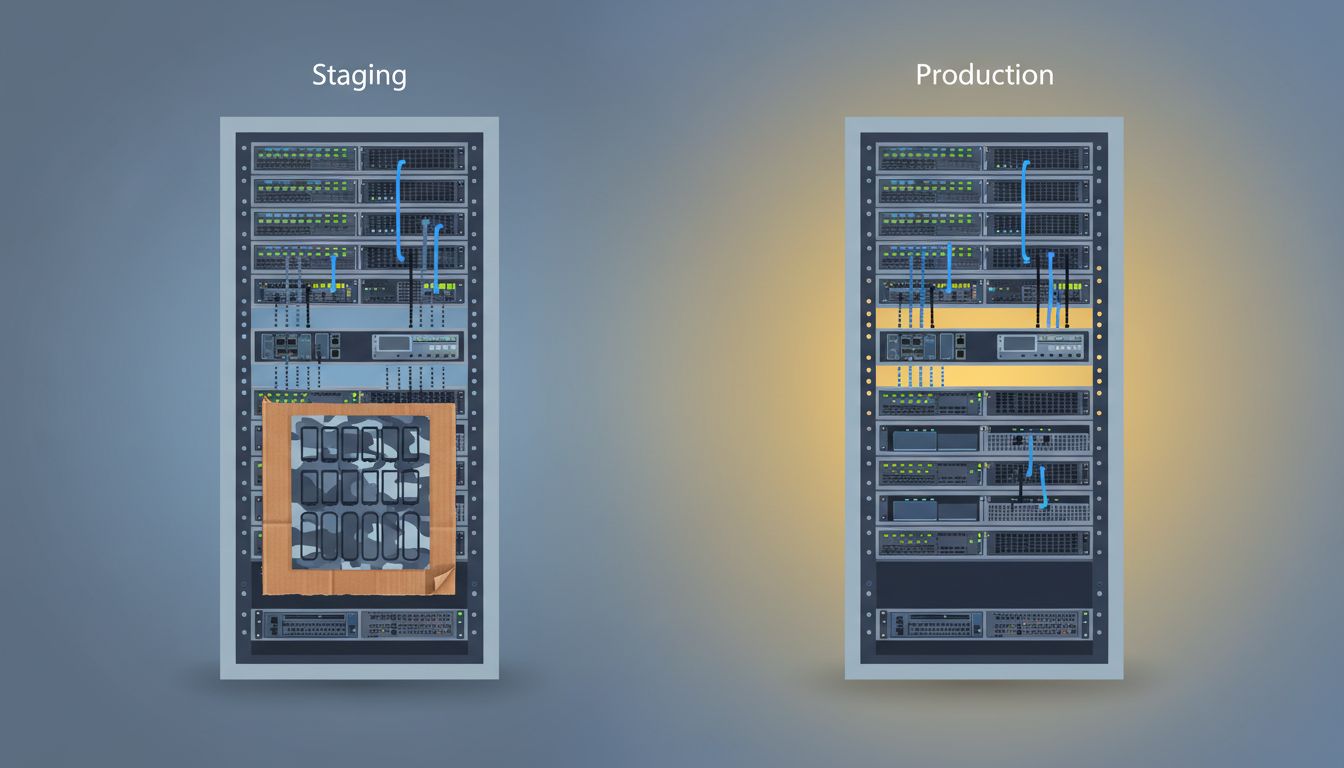
Staging environments feel like safety nets. They're often closer to theatrical sets that happen to share a name with your production system.

Packet collisions sound catastrophic. The actual mechanism routers use to handle them is elegant, well-understood, and occasionally brutal.

Code that reads like plain English can still be hiding enormous complexity. Confusing the two is a mistake that costs teams months.
Join thousands of readers who get our weekly breakdown of the most important stories in technology.
Free forever. Unsubscribe anytime.