There’s a particular kind of developer I’ve worked with a few times over the years. Incredibly productive, ships clean work, never seems frazzled. You Slack them a question and sometimes get a reply in two minutes, sometimes in four hours. You stop by their desk and they’re always in the middle of something real. Then you see their phone. Seventeen unread badges on Mail. Hundreds on Slack. No lock-screen notifications visible at all. It looks like the setup of someone who has given up.
It’s actually the setup of someone who figured something out.
The Interruption Model Is Backwards
Most people configure their devices the way a new employee tries to behave in their first week: responsive to everything, all the time, to signal availability and conscientiousness. The assumption is that faster response equals better collaboration, and that notifications are how you stay fast.
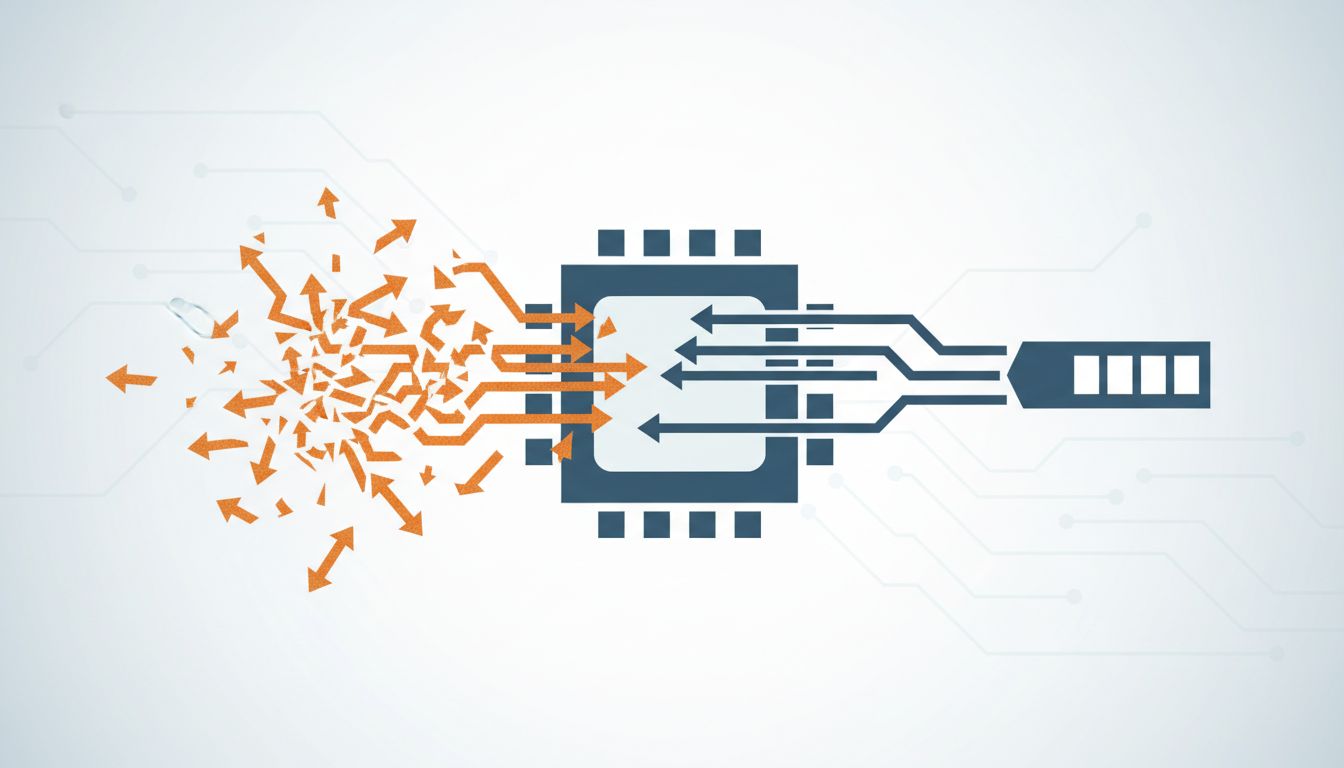
This is the wrong mental model. Notifications aren’t a communication channel. They’re an interrupt handler, and interrupt handlers are expensive.
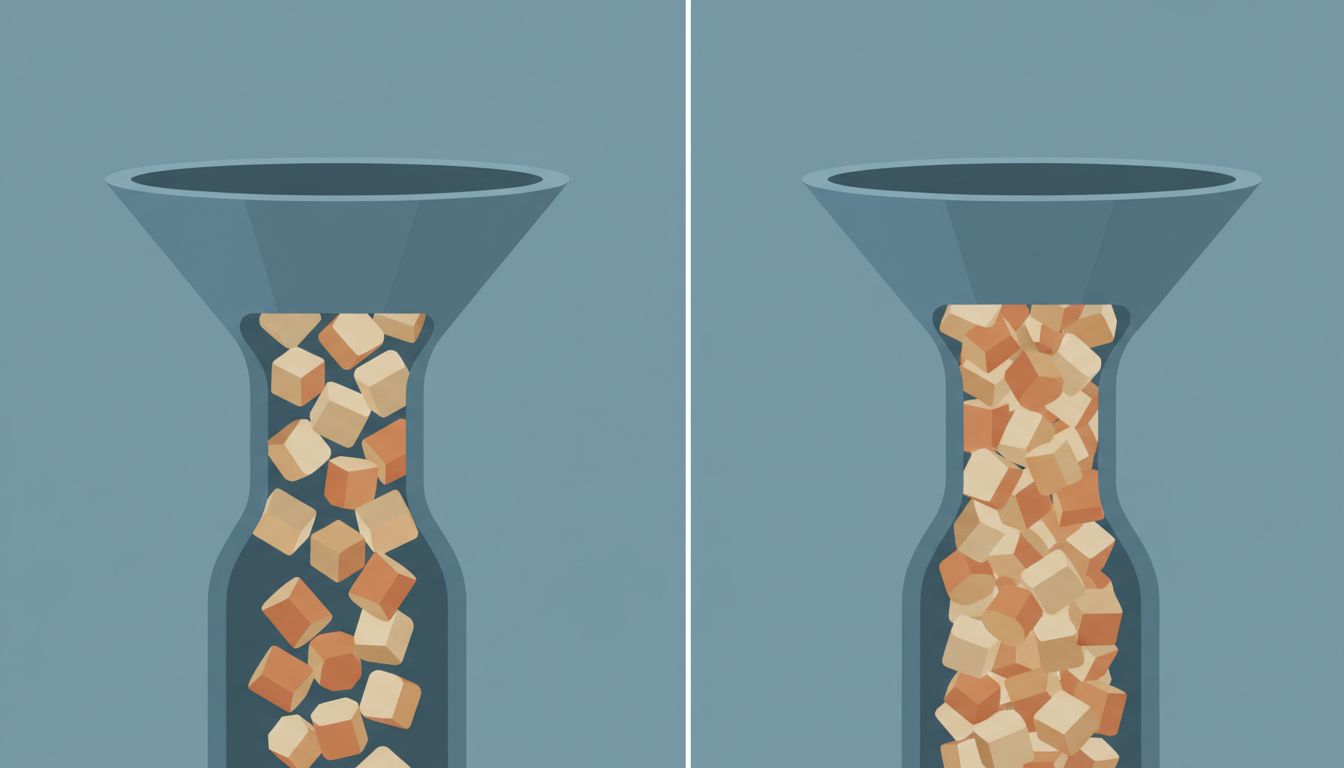
If you’ve ever done low-level systems work, you know what an interrupt is: a signal that forces the CPU to pause what it’s currently executing, save its state, switch to handling the interrupt, then restore state and resume. That context-switch isn’t free. There’s overhead. Do it constantly and you’re spending more time on the switching than on the actual work. Operating systems are carefully designed to batch and prioritize interrupts precisely because naive interrupt handling tanks throughput.
Your brain works the same way, and the research on this is not subtle. Gloria Mark at UC Irvine has studied workplace interruption for years and found it takes roughly 23 minutes on average to fully return to a task after being interrupted. Twenty-three minutes. A single Slack ping at the wrong moment doesn’t cost you thirty seconds. It costs you the rest of the morning.
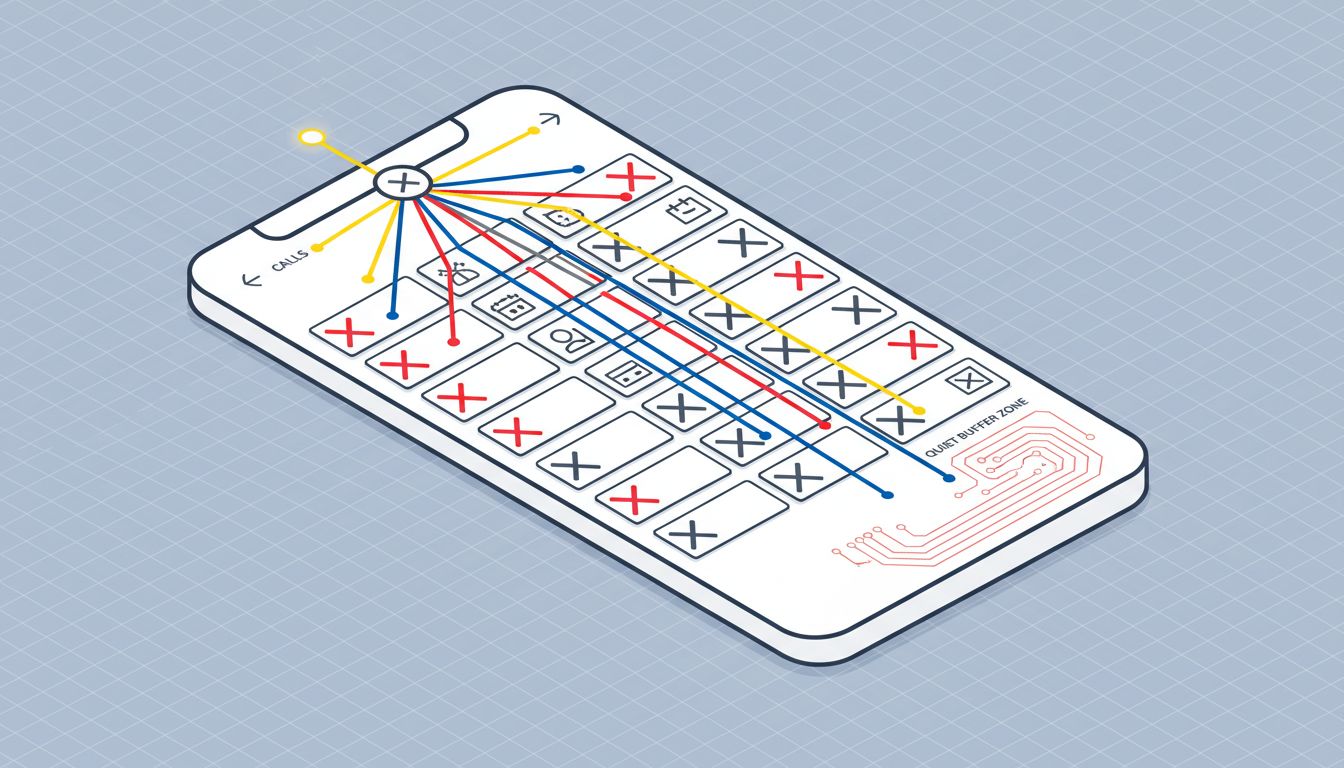
What ‘Terrible’ Settings Actually Look Like
The focused people I know have independently converged on a similar setup, which is worth describing concretely because most productivity advice stays annoyingly vague.
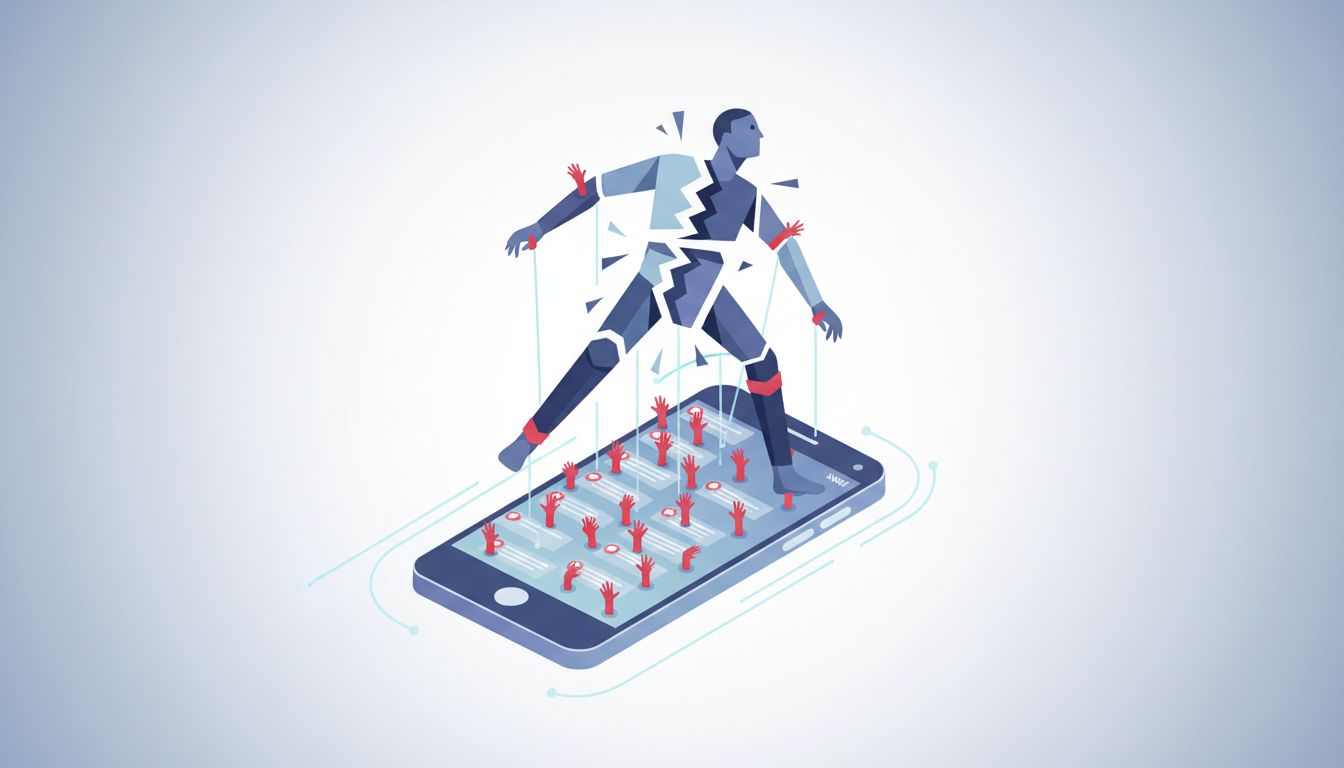
Badge counts are usually off entirely for email and Slack. The number on the icon is a to-do list someone else wrote for you, and seeing it creates low-grade anxiety that compounds across the day. Turning it off doesn’t mean you ignore those apps. It means you check them on your own schedule rather than being nagged into checking them by a red dot.
Lock-screen and banner notifications are reserved for a very short list: direct calls from a few specific people, calendar alerts for meetings starting in fifteen minutes, and maybe a monitoring alert if they’re on call. Everything else is either silenced or set to deliver quietly to the notification center, where it sits patiently until they decide to look.
Do Not Disturb (or Focus modes on iOS) runs on a schedule, not as a manual toggle. Manual toggles require the discipline to actually use them each time, which is exactly the kind of discipline that’s hard to maintain when you’re tired or distracted. Scheduling it means it’s just on, automatically, during the hours when deep work typically happens.
The counterintuitive piece is what this does to their actual response times. Because they check Slack and email in deliberate batches, two or three times a day with full attention, their replies are often clearer and more useful than the reflexive one-liner responses most people fire off mid-interruption. The total latency might be higher, but the quality of the communication is better.
The Social Contract Problem
The real reason people don’t do this isn’t technical. It’s social. There’s an implicit contract in most workplaces that says presence equals responsiveness, and that responsiveness is a proxy for engagement. If you don’t reply to Slack within a few minutes, people assume you’re checked out, slacking off (in the original sense), or don’t care about their request.
This contract is largely fiction, but it’s sticky fiction. Breaking it unilaterally is uncomfortable. You get the passive-aggressive ‘just wanted to make sure you saw this’ follow-up message. You get assumptions made about your availability.
The people who pull this off successfully have usually done one of two things. Either they’ve earned enough trust and delivered enough results that their colleagues have updated their expectations, or they’ve explicitly set expectations upfront. ‘I check Slack twice a day, around 10am and 3pm. For anything urgent, call me.’ That’s it. That’s the whole policy. Most people, when they hear a concrete commitment like that, will respect it.
Teams that have actually thought about this systematically tend to do better overall. How one team reclaimed focus by auditing its calendar is a good example of what it looks like when the intervention is collective rather than individual.
The Default Settings Are Someone Else’s Interests
Here’s the part that should make you a little annoyed on behalf of yourself: the default notification settings on every major platform are configured to maximize engagement with that platform, not to maximize your cognitive performance. This isn’t a conspiracy. It’s just a straightforward product incentive. A messaging app that sends fewer notifications gets used less. An email client that doesn’t badge its icon gets opened less often. Every default is an argument made by someone whose goal is your attention, not your output.
When you accept default settings, you’re outsourcing your interruption policy to a product team whose success metric is session count. That’s a poor trade.
The most focused people you know made different trade-offs, probably somewhat deliberately, possibly by accident. They either got fed up with the noise or they read something that made them try turning things off, noticed they got more done, and never turned them back on.
How to Actually Change This
Don’t do a big audit. You’ll spend an hour going through every app’s settings, feel very productive, and be done for the year. Instead, start with one thing: turn off all badge counts on your phone. Just that. Do it now, see how it feels for two weeks.
If you feel anxious without the badges, that’s interesting information. It means the anxiety was there before, being discharged in small doses all day. Turning off the badges doesn’t reduce the anxiety, it just makes it visible. That’s worth sitting with.
After that, create a single, scheduled Do Not Disturb window for your best working hours. Three hours, no interruptions, every day. Not when you remember to toggle it on. Scheduled.
The rest follows naturally once you’ve broken the reflex. You start noticing which notifications actually matter (almost none of them) and which apps have trained you to check them compulsively (most of them). You start treating your attention the way you’d treat any scarce resource: carefully, with some consideration for what actually deserves it.
The people who are deep in the work aren’t ignoring you. They’re just not available to be interrupted. There’s a difference, and the difference is the whole point.