The simple version
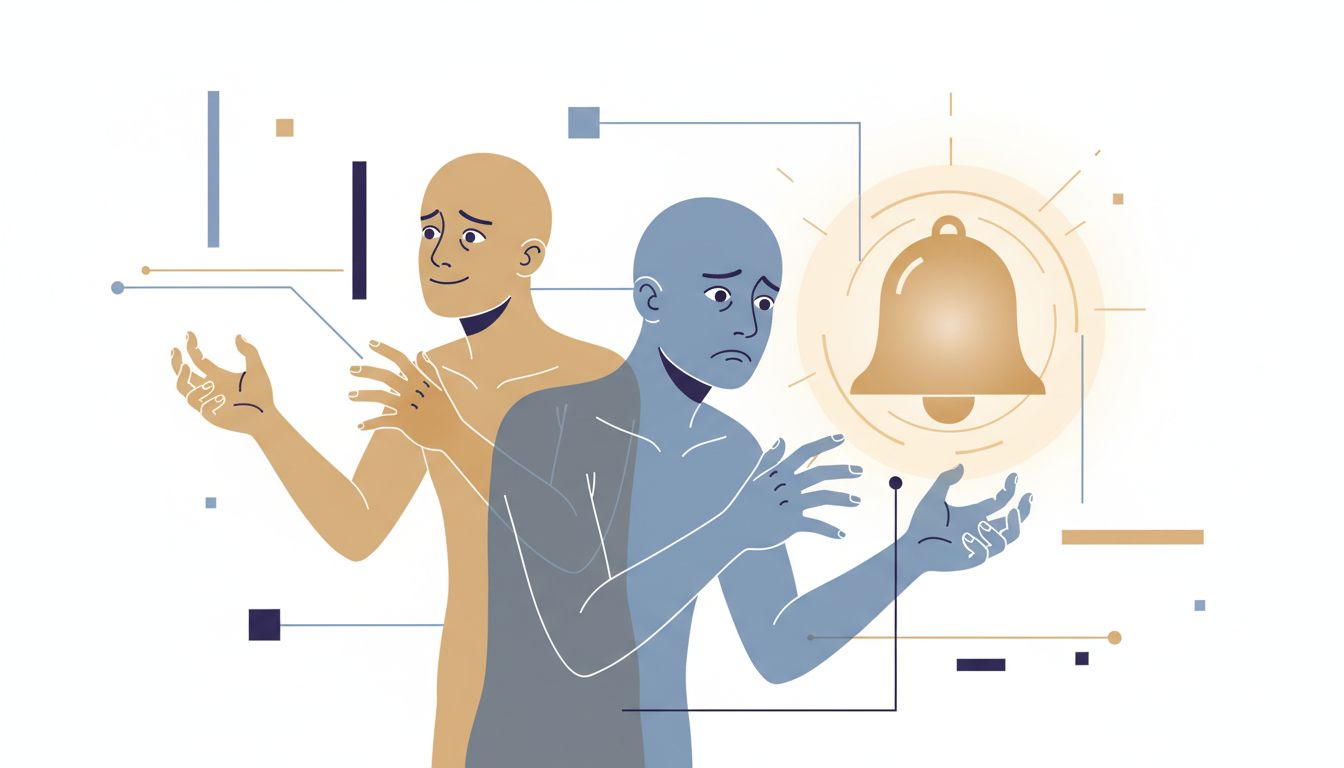
Urgent tasks feel like they need doing now. Important tasks feel like they can wait until later. Later never comes.
This is not a motivation problem. It’s a systems problem, and once you see the mechanics of it, you can’t unsee them.
The queue that runs your day
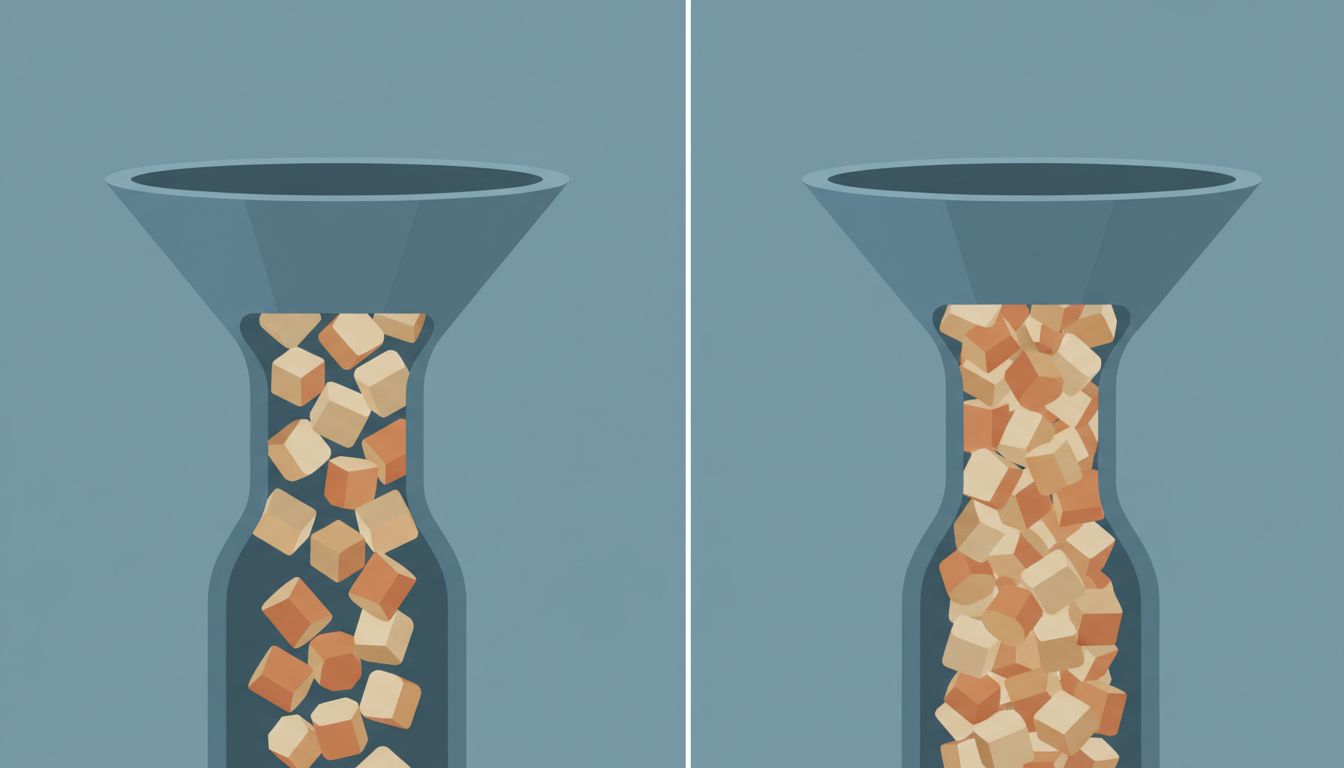
Think of your workday as a task queue, the kind a web server uses to process incoming requests. Tasks arrive, get prioritized, and get executed one at a time. The question isn’t whether you’ll process them. It’s what determines their order.
Most people’s queues are sorted by a combination of deadline proximity and social pressure. An email that needs a reply by noon jumps to the front. A Slack message from your manager feels like it needs an immediate response. A meeting that’s starting in ten minutes is non-negotiable.
Notice what’s missing from that list: any consideration of whether the task actually matters.
The deep work that would move your project forward by a week, the architecture decision you’ve been putting off, the strategic document that only you can write, none of those arrive with a deadline attached. They sit in the queue indefinitely, getting bumped by everything that does.
Urgency is a signal. It’s just not the signal you think.
Urgency is information. A production outage is urgent and important. Most urgent things are neither.
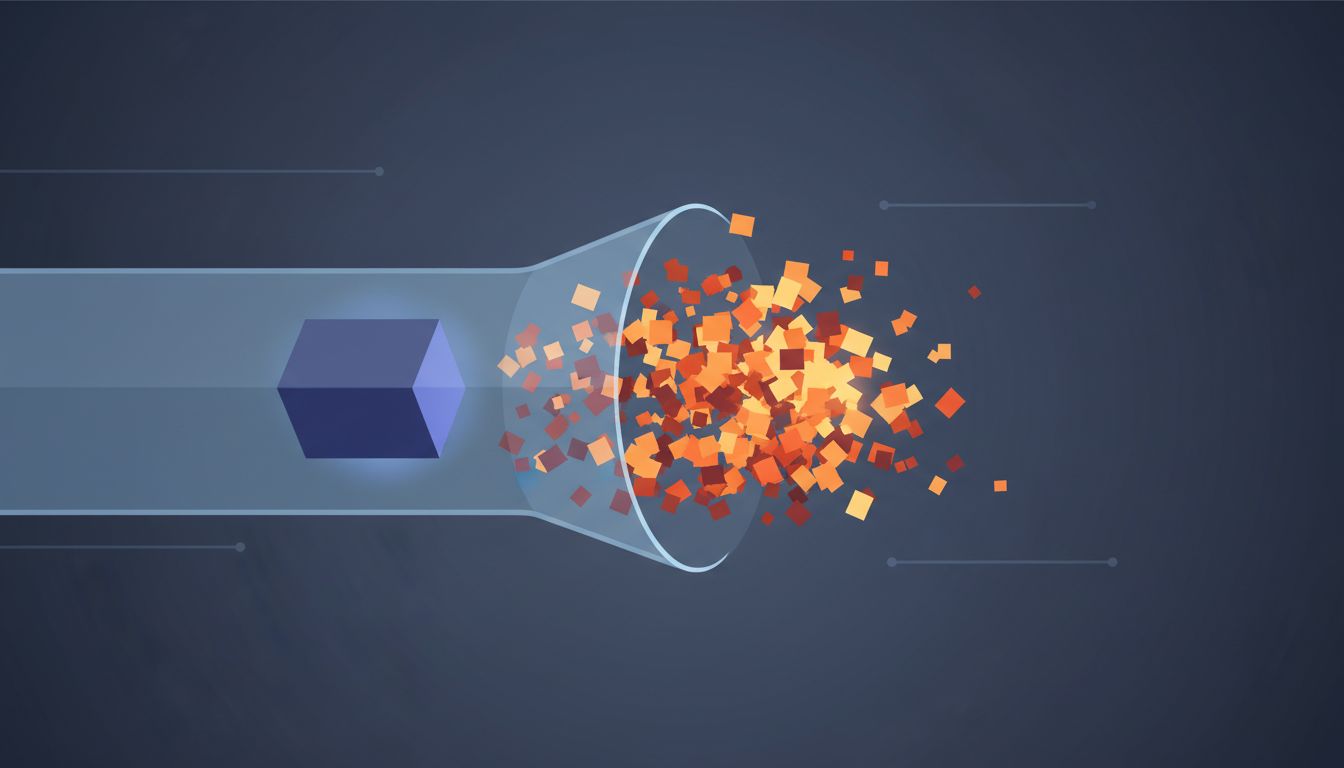
The problem is that urgency triggers a stress response that importance doesn’t. Your nervous system treats “someone is waiting on this” as a higher-priority signal than “this will matter in three months.” That’s a reasonable adaptation for a species that evolved managing immediate social relationships, not quarterly roadmaps.
Psychologist Amos Tversky’s work on decision-making under uncertainty showed that humans systematically overweight immediate outcomes relative to future ones, even when they know better consciously. You’re not bad at prioritization. You’re running hardware that wasn’t designed for it.
The result is a day that looks like productivity and often isn’t. You cleared your inbox. You answered every message. You were in every meeting. You helped everyone who asked. At 5pm, the thing that was genuinely important is exactly where it was at 9am.
Why to-do lists make this worse
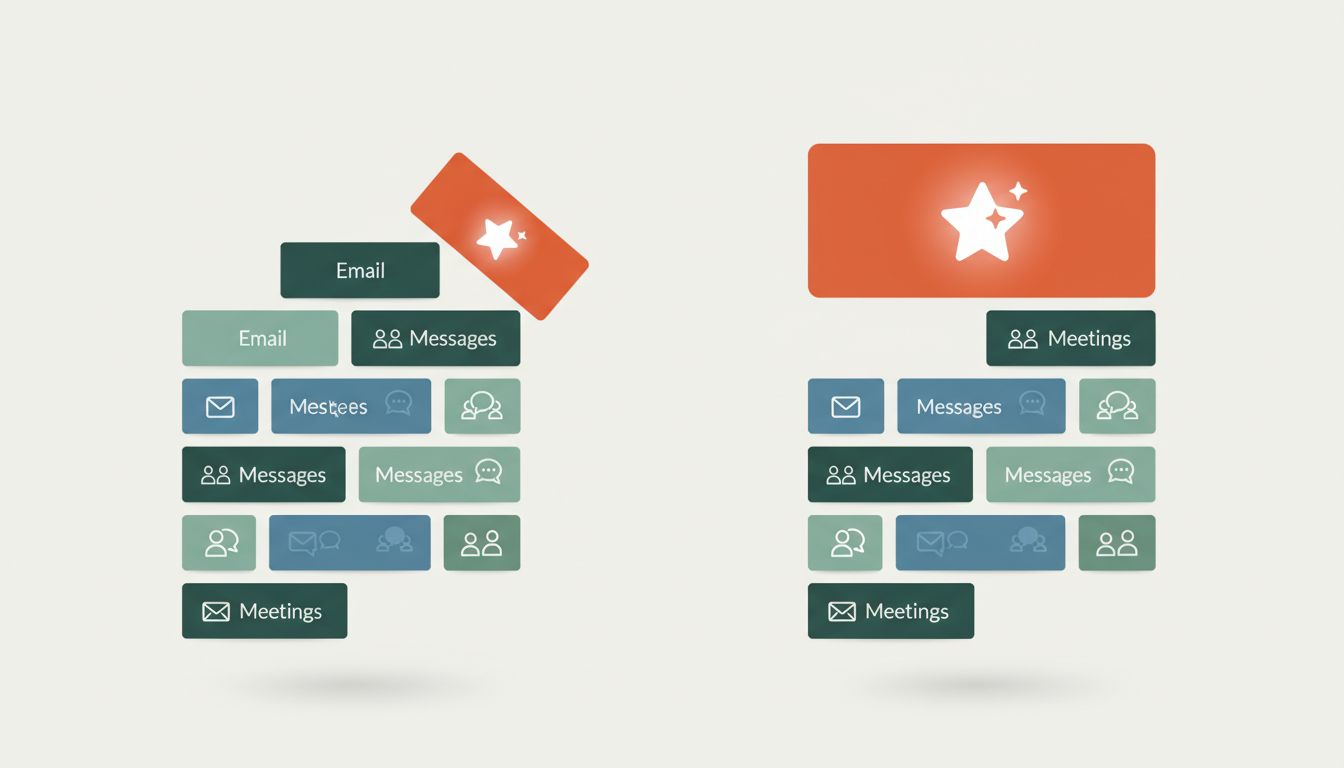
A standard to-do list is a flat data structure. Everything sits at the same depth. Your brain, scanning that list in the morning, will default to processing easy and urgent items first, because completing them gives immediate feedback (the satisfying checkbox) and carries social accountability (someone is waiting).
The important-but-not-urgent items just sit there, accumulating context you need to reload every time you look at them and don’t act on them. That context-reload cost is real: research on task-switching consistently shows that reorienting to a complex task after an interruption takes significant time. Every time you glance at “finalize architecture proposal” and skip it for something easier, you’ve paid part of that reentry cost without getting any of the work done.
This is related to why finishing your to-do list might mean you aimed too low. A list you can actually complete in a day is probably a list that contains very little of consequence.
The scheduling fix that actually works
The practical solution is annoyingly simple, which is probably why it doesn’t get traction: schedule your important work before your responsive work, not after it.
This means blocking time for the important task first thing in the morning, before you open email, before you check Slack, before you let the urgent queue populate. Not because mornings are magic, but because an empty inbox exerts no pull. An inbox with forty messages exerts enormous pull, and once you’re in it, you’re not getting out until it’s clear (or until you feel guilty enough to stop).
This is essentially a scheduling algorithm change. You’re switching from a reactive, first-in-first-out queue to something closer to a priority queue with preemptive scheduling, where high-priority processes can’t be interrupted by lower-priority ones just because the lower-priority ones arrived more recently.
The actual implementation:
- Identify one thing that is genuinely important but not urgent.
- Block 90 minutes for it tomorrow morning. Put it on your calendar with the same commitment you’d give a meeting.
- Don’t open email or Slack until that block is done.
That’s it. The difficulty isn’t the system. The difficulty is that you’ll feel mild social anxiety about not being immediately responsive, and you’ll need to decide that the important work is worth that discomfort.
The deeper issue
There’s a reason this pattern persists even in people who know about it: organizations implicitly reward urgency-handling and rarely reward importance-handling.
If you respond to every message within minutes, people notice and appreciate it. If you spend a morning writing an architecture document that prevents three months of rework six months from now, nobody connects cause to effect. Your most productive days often feel empty precisely because you spent them on work whose value isn’t visible yet.
The scheduling problem, then, isn’t just personal. It’s organizational. Teams that want important work to happen need to actively protect time for it, because the urgent work will fill every available space if given the chance. Urgency expands to fill the time allocated to it. That’s not a metaphor. That’s what happens.
The fix starts with one person deciding that the thing that matters most will run first in the queue, not last. Usually that has to be you.