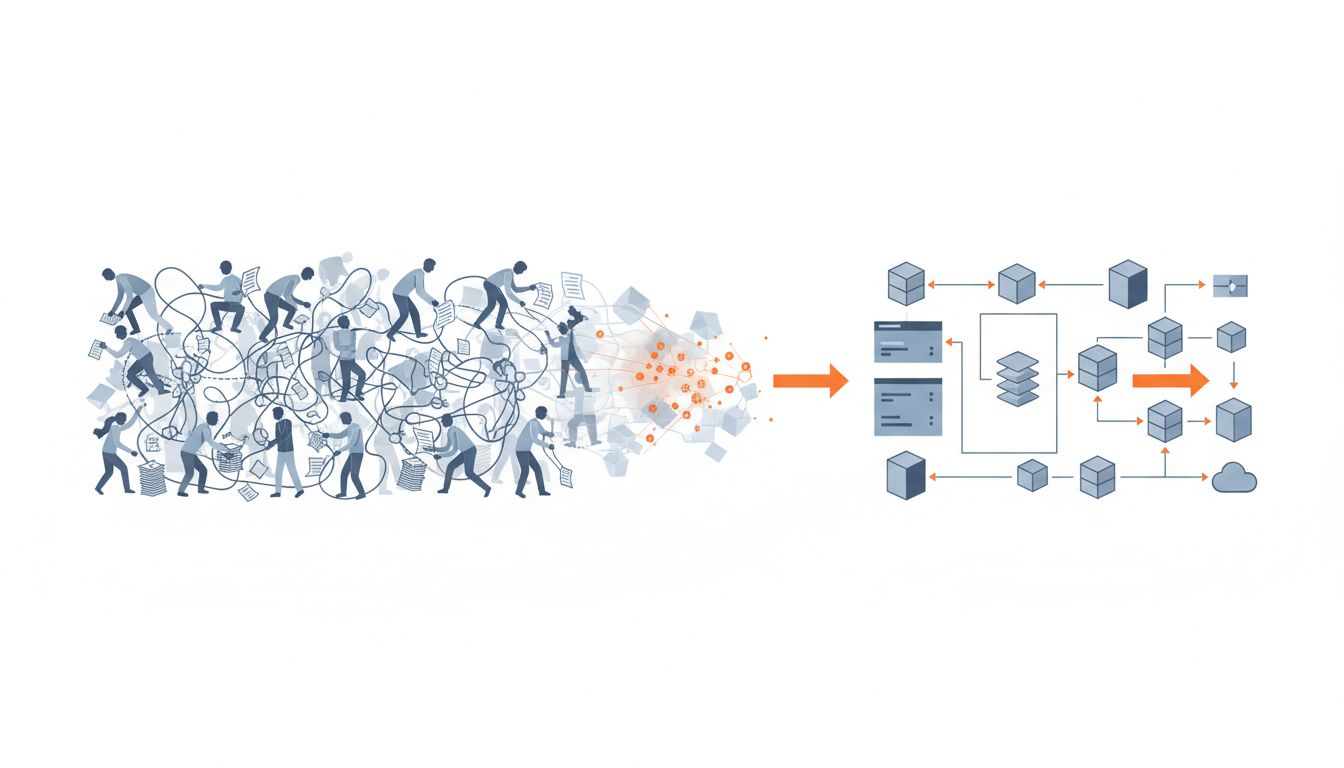

In 2011, a small B2B software company in Chicago landed what felt like the deal of the year. A mid-sized logistics firm signed a contract at full list price, no negotiation, no discounts. The founders celebrated. They had proof people would pay real money for the product.
Then they spent the next eighteen months building features that only that customer needed.
The company never recovered its original product direction. By the time they realized the logistics firm was an outlier, they had an engineering team optimized for a market segment that contained exactly one paying customer.
This pattern is one of the least-discussed failure modes in early-stage startups, and it starts with something that looks exactly like success.
The Setup
Imagine you’ve been selling at a discount, doing favors, offering extended trials. Your early adopters are sympathetic. They tolerate rough edges because they believe in what you’re building, or because you’ve promised them something in return. Their feedback is valuable but noisy. You can’t always tell what’s a real requirement versus what’s a workaround for the fact that your product isn’t finished yet.
Then someone pays full price, without flinching. That person has just sent a signal so loud it drowns out everything else in the room.
The problem is that the signal is only partially about your product. It’s also about their situation. Full-price buyers in early markets are often organizations with a specific, urgent problem that your product happens to solve well enough right now. They are not necessarily representative of the market you’re trying to build for. They’re the ones whose pain is acute enough that they’ll pay whatever you’re asking rather than spend time negotiating.
And because they paid full price, founders treat their requests as gospel.

What Happened
The Chicago logistics company case isn’t unique. The same dynamic played out publicly with Basecamp, though in a more manageable form. Jason Fried has written about the pressure that enterprise customers put on product direction and how 37signals deliberately chose to stay small and ignore certain paying customers rather than let revenue reshape the product. They had the self-awareness to recognize the trap. Most early founders don’t, because they’ve been told the whole job is to find people who will pay.
A cleaner case study comes from the CRM space in the mid-2000s. Several companies built solid small-business tools and then landed a single large enterprise customer willing to pay ten times what their average deal looked like. The engineering roadmap shifted almost immediately toward compliance features, custom reporting, audit trails, single sign-on integrations. All legitimate features, none of which the original small-business customer base needed or could use. The product became expensive to maintain, the original customers started churning because the interface grew cluttered, and the enterprise customer eventually left anyway because the company couldn’t match what a real enterprise vendor offered.
They’d gotten pulled into no-man’s land: too complex for SMBs, too thin for enterprise. The full-price customer didn’t churn immediately. They stayed long enough to reshape everything.
This is why churned customers sometimes save companies. A customer who leaves after three months wasn’t a good fit. A customer who pays full price and stays for two years while quietly redirecting your roadmap is a different problem entirely. By the time they leave, the damage is structural.
Why It Matters
The reason this pattern is dangerous is that it mimics success at every step.
Revenue is up. Customer is happy. Team is busy building. Investors see a logo and a contract. Nothing looks wrong from the outside, and nothing feels wrong from the inside. The founder who’s spending hours on calls with this customer thinks she’s doing exactly what the playbook says: talk to your customers, build what they need, stay close to the problem.
But there’s a version of customer obsession that’s actually market myopia. When your product decisions are driven by one customer’s requirements, you’re not building a product anymore. You’re doing consulting with a software wrapper around it.
The distinction matters because consulting businesses and product businesses have completely different economics, hiring profiles, and growth ceilings. A consulting business needs more consultants to grow. A product business needs to find more customers who fit the product. If you’re running a consulting business while telling yourself and your investors you’re running a product business, that’s a slow-motion crisis.
What We Can Learn
The first thing to accept is that full-price payment is not, by itself, product-market fit. It’s one data point. The question you need to answer is whether this customer represents a pattern or an exception.
Here’s a diagnostic that works: before agreeing to any feature request from a high-value customer, ask whether three other customers you’d want to have would also need this. Not whether they’ve asked for it. Whether they would need it if they thought to ask. If you can’t confidently say yes, you’re looking at a custom build disguised as a product decision.
The second thing is harder: you have to be willing to disappoint customers who are paying you. This goes against every instinct that got you to the point of having a customer in the first place. But the founders who build durable companies develop a discipline around what they will and won’t build. They learn to say, genuinely and without resentment, “that’s not on our roadmap” to customers writing real checks.
Pricing matters here too. Underpricing your product creates a different version of the same trap, but full-price customers who represent outlier use cases can be just as distorting. The question isn’t just what someone will pay. It’s what the right customer will pay, and whether you can find enough of them.
The third thing: churn is feedback, but retention is feedback too. Build systems for understanding why your high-retention customers stay. If a customer has been with you two years and paid every invoice, sit down and understand their actual use case in detail. You might find you’ve been solving a problem you didn’t know you had. Or you might find that you’ve been gradually reshaping your product to serve one person’s workflow, and the rest of your pipeline doesn’t look like them at all.
The Chicago logistics company eventually pivoted. They found their real market, which turned out to be in manufacturing, not logistics. The founding team spent three years walking back decisions they’d made to please a single customer. A few of them told me later that the hardest part wasn’t the technical debt or the lost time. It was unlearning the idea that the customer who paid full price was always the one worth listening to.
Sometimes they are. But you have to check.