The simple version
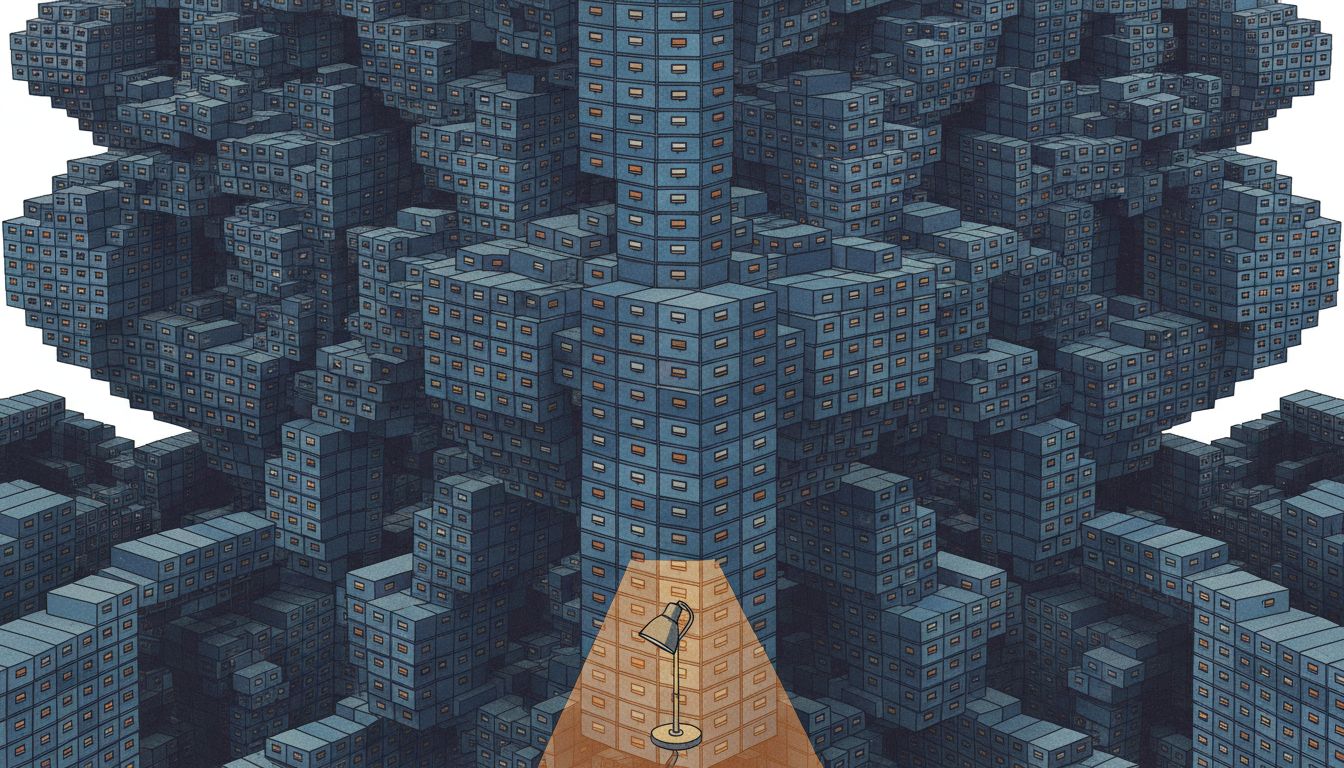
The “Second Brain” approach to note-taking confuses collecting information with using it. Most people end up with a beautifully organized archive they never open.
What the system promises
If you’ve spent any time in productivity circles over the past few years, you’ve encountered some version of this pitch: your brain is for having ideas, not storing them. Capture everything into a trusted external system, tag and organize it, and you’ll have a searchable, evergreen knowledge base that compounds over time.
Tiago Forte’s Building a Second Brain, published in 2022, formalized a lot of this thinking. The book sold well and the method has a genuine following. The underlying intuition is sound: cognitive offloading works, and writing things down does help you think. These aren’t myths.
But somewhere between the promise and the practice, something breaks. Most people who go deep on these systems spend more time maintaining them than benefiting from them.
Where it actually breaks down
The problem isn’t the tools (Obsidian, Notion, Roam, whatever you’re using). The problem is a confusion between two very different activities: archiving and thinking.
Archiving is what you do when you clip an article, paste a quote, or drop a half-formed idea into an inbox folder. It feels productive. You’re building something. The act of capturing has a small dopamine reward attached to it, and modern tools make capturing almost frictionless.
Thinking is harder. Thinking means sitting with a problem, connecting ideas, revising your understanding, and producing something from it. Writing that genuinely moves your thinking forward is slow and often uncomfortable.
The Second Brain workflow makes archiving feel like thinking. You spend an evening organizing notes from three different podcast episodes into a neat PARA structure (Projects, Areas, Resources, Archives), and you feel like you’ve done intellectual work. You haven’t. You’ve filed things.
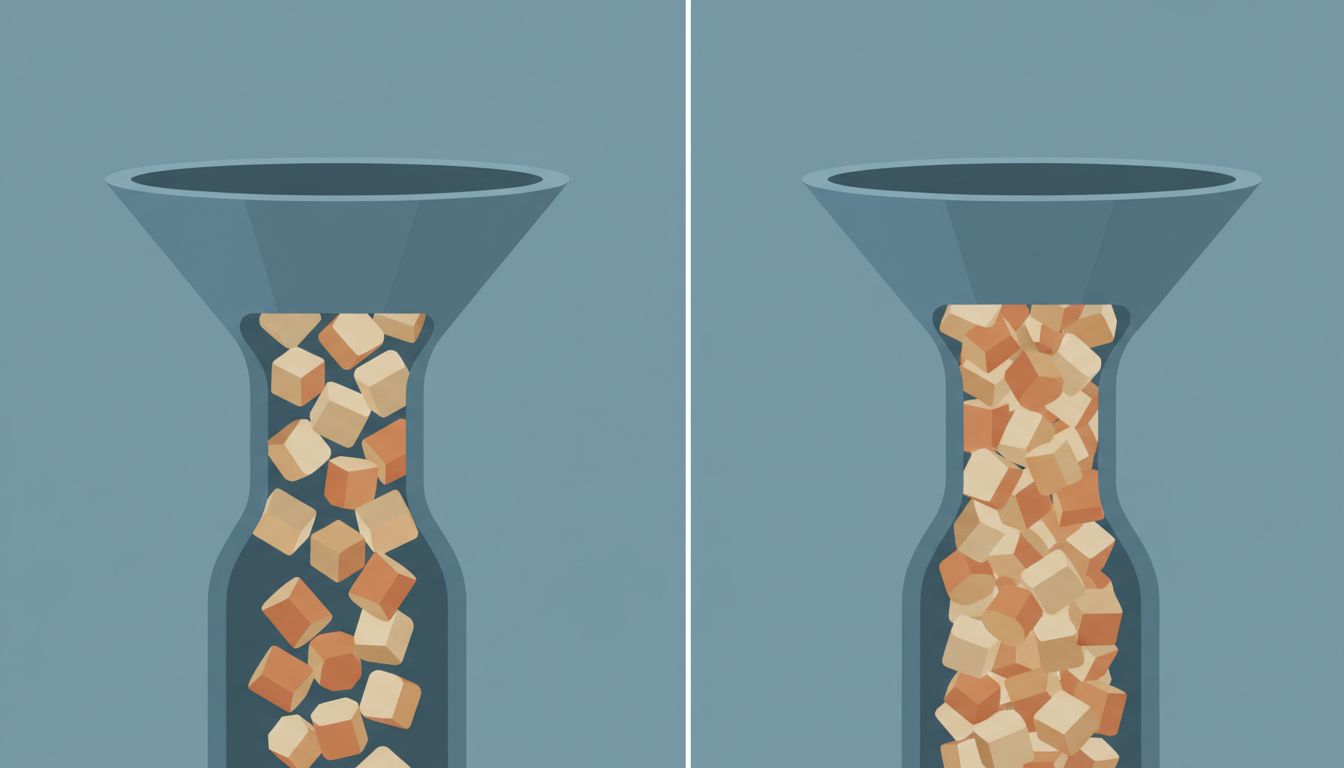
There’s also a retrieval problem that doesn’t get talked about enough. A note you captured six months ago, in the context of a completely different project, with tags that made sense at the time, is genuinely hard to find when you need it. The system’s value depends on your ability to retrieve the right note at the right moment, and human memory is bad at knowing what it has forgotten. You can’t search for a concept you don’t remember capturing.
The maintenance trap
Once you have a large note system, it starts demanding upkeep. You need to review your inboxes. You need to update tags when your thinking evolves. You need to occasionally prune notes that are now wrong or outdated. This is real work that can crowd out the work you were trying to support.
People who are deeply committed to their systems often describe a creeping obligation to the system itself. The notes have to be complete. The structure has to be coherent. This isn’t a bug in how they’re using the method, it’s a predictable consequence of building something complex enough to require maintenance.
Software developers sometimes call this “yak shaving,” the phenomenon where fixing one problem requires fixing another problem first, until you’re doing something entirely unrelated to your original goal. A note system with enough complexity starts generating its own yak-shaving tasks.
What actually works
None of this means you should stop taking notes. It means you should take fewer, more intentional ones, and connect them faster to actual output.
A few principles that hold up in practice:
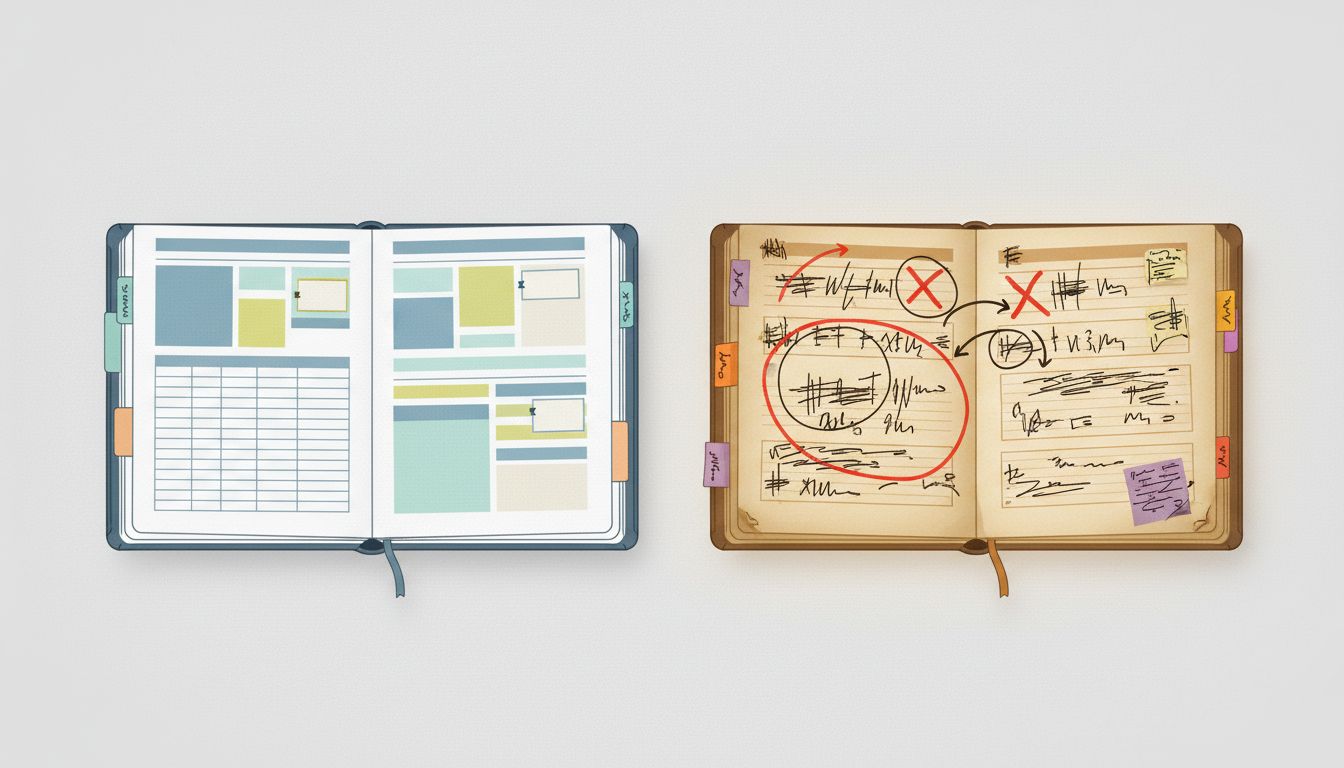
Write to think, not to store. The most valuable notes are the ones where you’re actively arguing with a source, synthesizing two conflicting ideas, or working out what you actually believe about something. These notes don’t need to be organized because they already contain the thinking. A messy notebook full of genuine thinking beats a pristine archive of clipped articles.
Keep friction proportional to value. Capturing a quote you found interesting should take three seconds. Don’t build a system that demands you categorize and tag it immediately. Either accept that most captures are low-value and barely reviewed, or raise the bar for what you bother to capture at all.
Connect notes to projects, not topics. Notes that aren’t connected to something you’re actively working on have a much lower chance of being useful. Before capturing something, ask whether it’s relevant to a current problem. If the answer is “maybe someday,” the realistic answer is probably “never.”
Review less, use more. A weekly review of your notes is fine if it surfaces things you then actually use. If your weekly review is just a tour of your own archive that leaves everything in place, you’re performing productivity rather than doing it.
The honest tradeoff
There’s a version of the Second Brain that works. Researchers, writers, and analysts who produce output regularly, who return to their notes as raw material for new work, do benefit from robust capture systems. Andy Matuschak, whose work on “evergreen notes” has influenced a lot of this space, explicitly ties the value of his system to the fact that he’s constantly writing and publishing. The notes serve the output.
For most knowledge workers, the output is less regular, the topics are more varied, and the system accumulates faster than it gets used. The archive grows; the retrieval rate stays flat.
You don’t need a Second Brain. You need to finish more things and capture fewer of them. If a note isn’t connected to something you’re building right now, there’s a good chance it’s just organized procrastination.
The goal was never a beautiful system. The goal was to think better and do better work. Those are different problems, and only one of them gets solved by adding another folder.