Why AI Models Trained on More Data Sometimes Perform Worse Than Smaller Ones
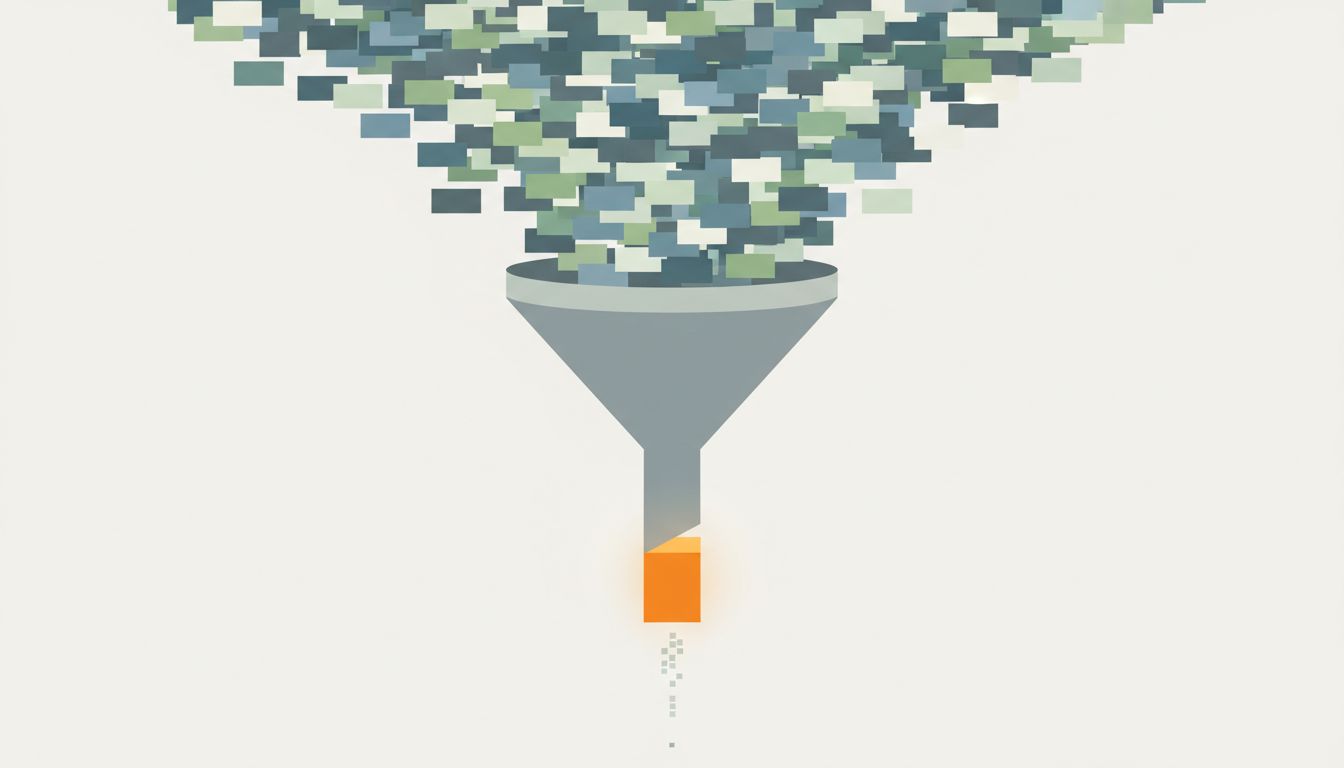
Bigger training sets sound like a free upgrade. They aren't. Here's what actually goes wrong when you throw more data at a model.
Lena Park writes about software development practices, developer tools, and the culture of building software. A full-stack developer turned writer, she covers how engineering teams actually work: from architecture decisions to deployment strategies.
Bigger training sets sound like a free upgrade. They aren't. Here's what actually goes wrong when you throw more data at a model.
Always-on teams confuse activity with output. The best distributed teams have figured out that async communication isn't a compromise, it's a structural advantage.
The most productive people don't work in long unbroken stretches. They work in short, deliberate bursts — and the science of how brains process information explains why.
Why do tech companies ship AI features users openly distrust? The answer has less to do with optimism and more to do with who's actually watching.
The assumption that bigger datasets produce better models is one of the most persistent and costly mistakes in modern AI development.
Every time you switch tasks, a fragment of your attention stays stuck on what you just left. Tech companies have started designing work systems around this, and the results are uncomfortable to look at.
Protecting focused work time is not about work-life balance. It is a structural advantage that compounds over time and most companies are too afraid to claim it.
The 40% productivity penalty from multitasking is real, and the mechanism behind it explains why the fix is counterintuitive.
Synchronous communication feels productive but destroys the deep work that actually moves things forward. Here's the mechanics of why async wins.
Your calendar isn't a record of commitments. It's a program that runs your life. Here's what happens when you start treating it like one.
The forgettable app isn't a failure of design. It's the goal. Here's why software companies actively engineer shallow engagement over deep competence.
Security optimists build walls. Security pessimists build systems that survive when the walls fail. The pessimists win every time.
When an AI says 'I think' or 'I'm not sure,' that hedging is doing a specific job. Understanding what that job is changes how you should use these tools.
Progressive disclosure isn't an accident or laziness. It's a calculated design strategy with real costs and real benefits.
Reading on screens and reading on paper activate different cognitive modes. Understanding which one you're in explains a lot about why digital reading often feels like it didn't stick.
Larry Tesler invented cut, copy, and paste in the 1970s. The computing establishment nearly rejected it for a reason that reveals something uncomfortable about how we evaluate useful ideas.
The friction isn't accidental. Here's the engineering behind consent flows designed to exhaust your judgment before you reach the 'decline' button.
The best developers and engineers aren't avoiding hard problems when they wander off task. They're running a background process most people don't know how to start.
Join thousands of readers who get our weekly breakdown of the most important stories in technology.
Free forever. Unsubscribe anytime.