Digital Productivity
What Distributed Teams Know About Focus That Offices Don't
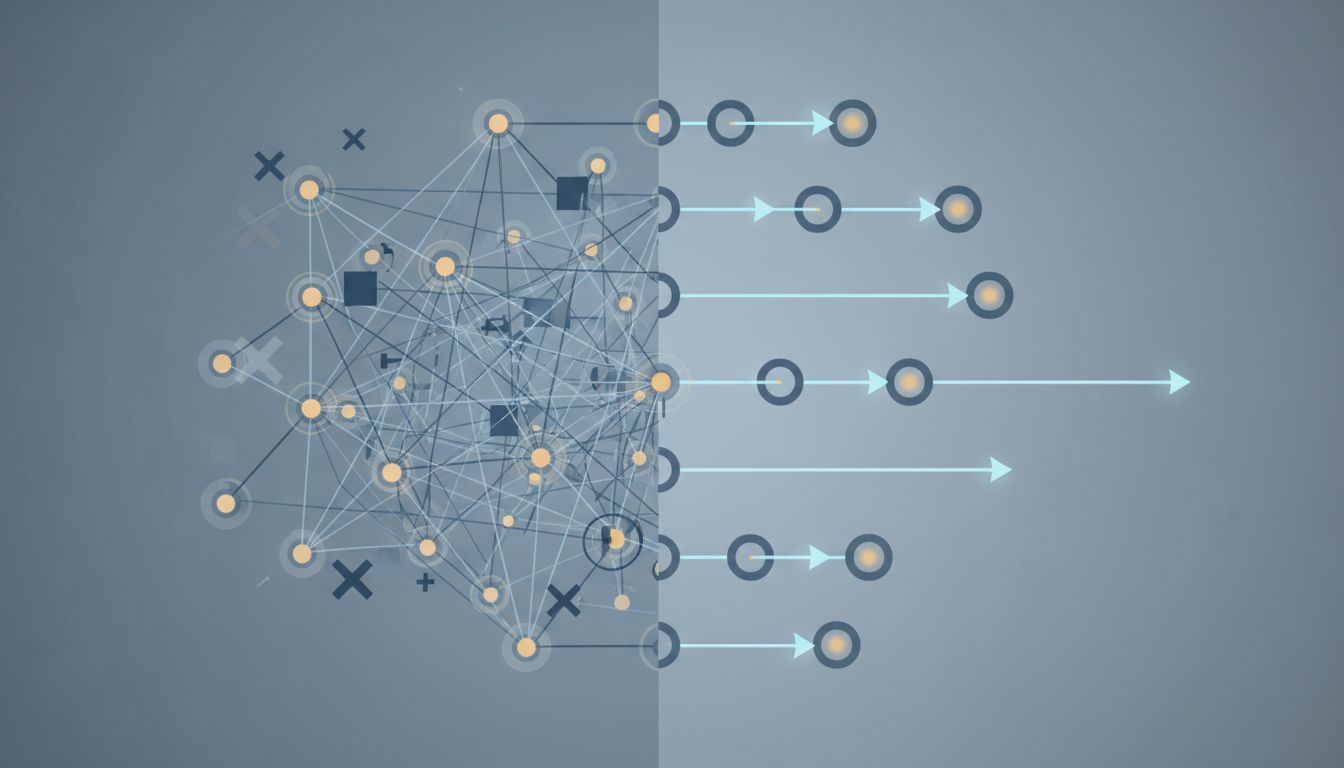
Async-first isn't about time zones. It's a different theory of how thinking work actually gets done, and most offices still haven't figured it out.
Tools, workflows, and strategies for getting more done with technology.
Async-first isn't about time zones. It's a different theory of how thinking work actually gets done, and most offices still haven't figured it out.

You wrote one document. Your readers each reconstructed a different one. That gap is not a communication problem — it's a document design problem.
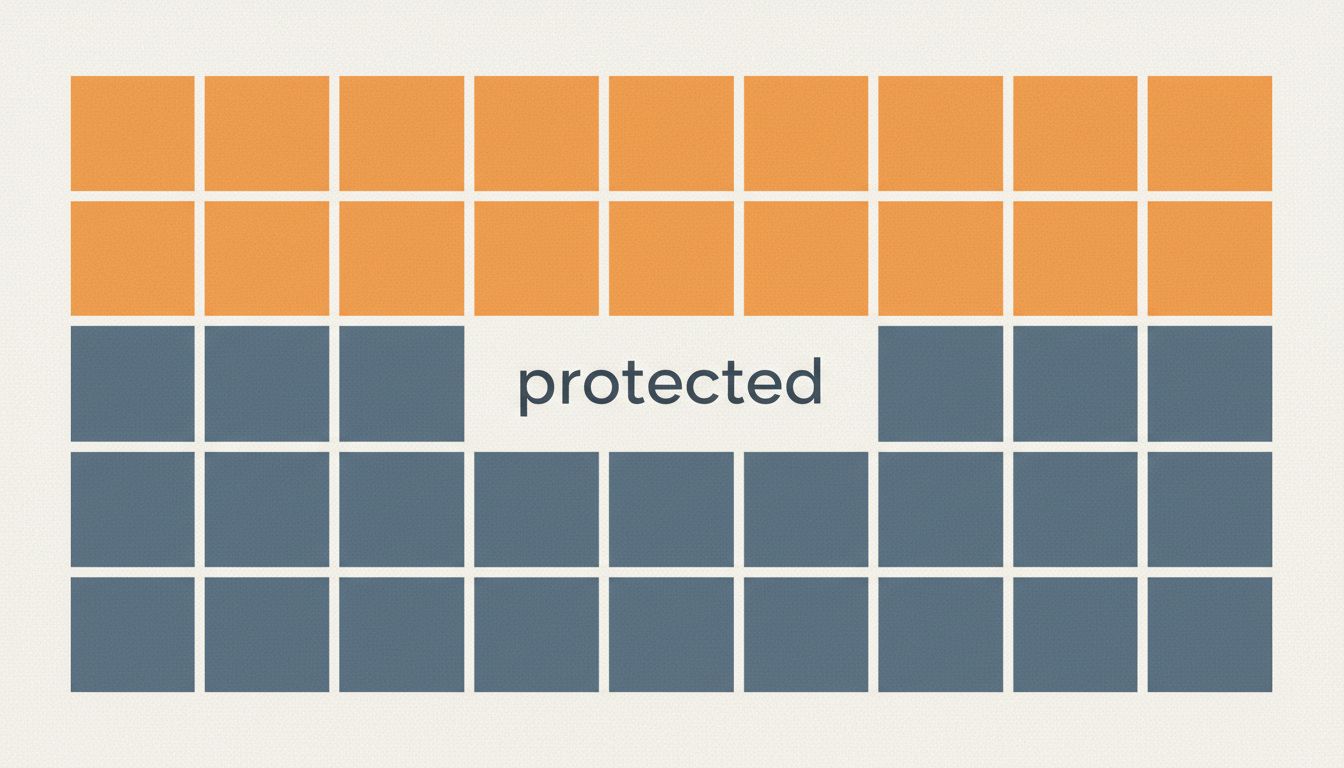
Most people know roughly when they do their best thinking. They schedule meetings there anyway. Here's how to stop.
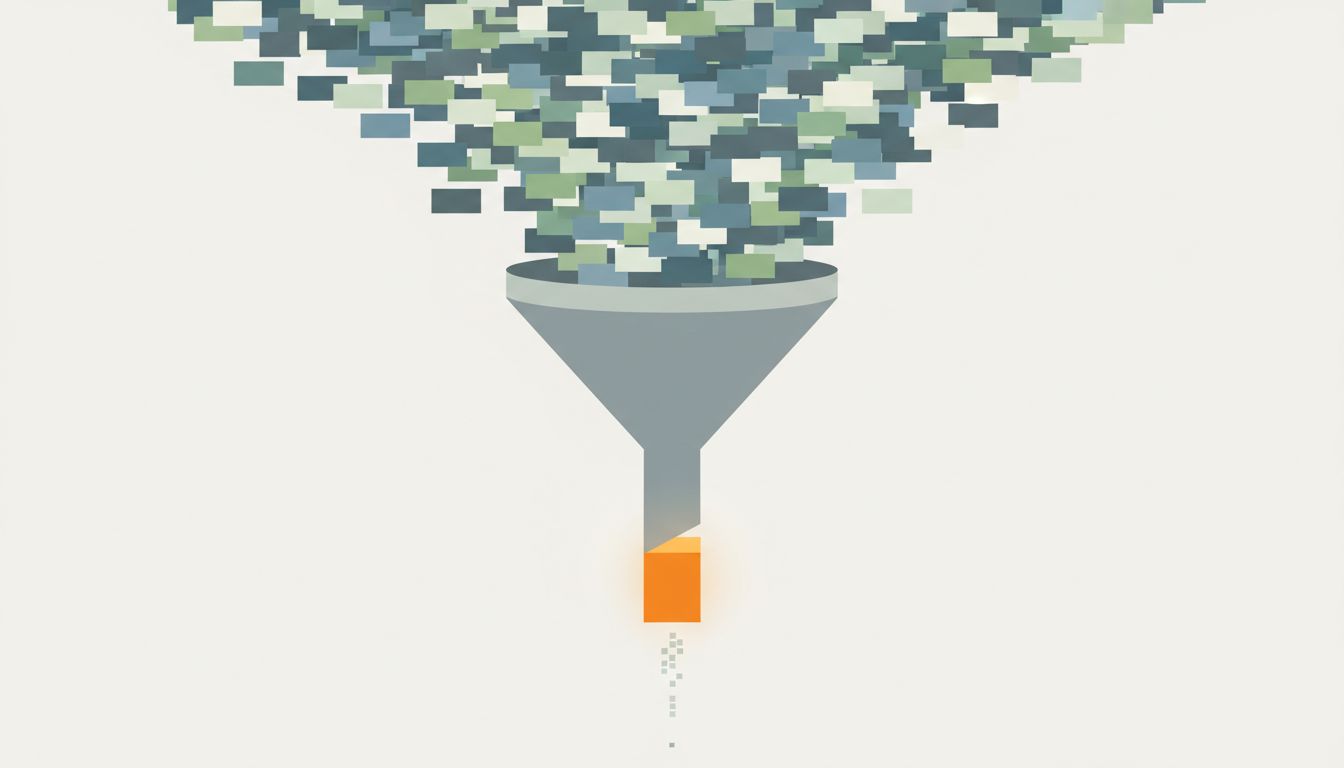
The design of most task management systems quietly rewards capturing work over finishing it. Here's what that costs you and how to fix the incentive.

A product team shipped features on time, but their velocity kept dropping. The problem wasn't what they hadn't finished. It was everything they almost finished.

A product team's accidental experiment revealed that clearing calendars did more for output than any sprint ritual. Here's what actually happened.

Every to-do app is optimized for capture. None of them are optimized for completion. Here's why that matters and what to do about it.

Canceling a meeting isn't laziness or avoidance. It's often the most productive decision you can make for everyone in the room.
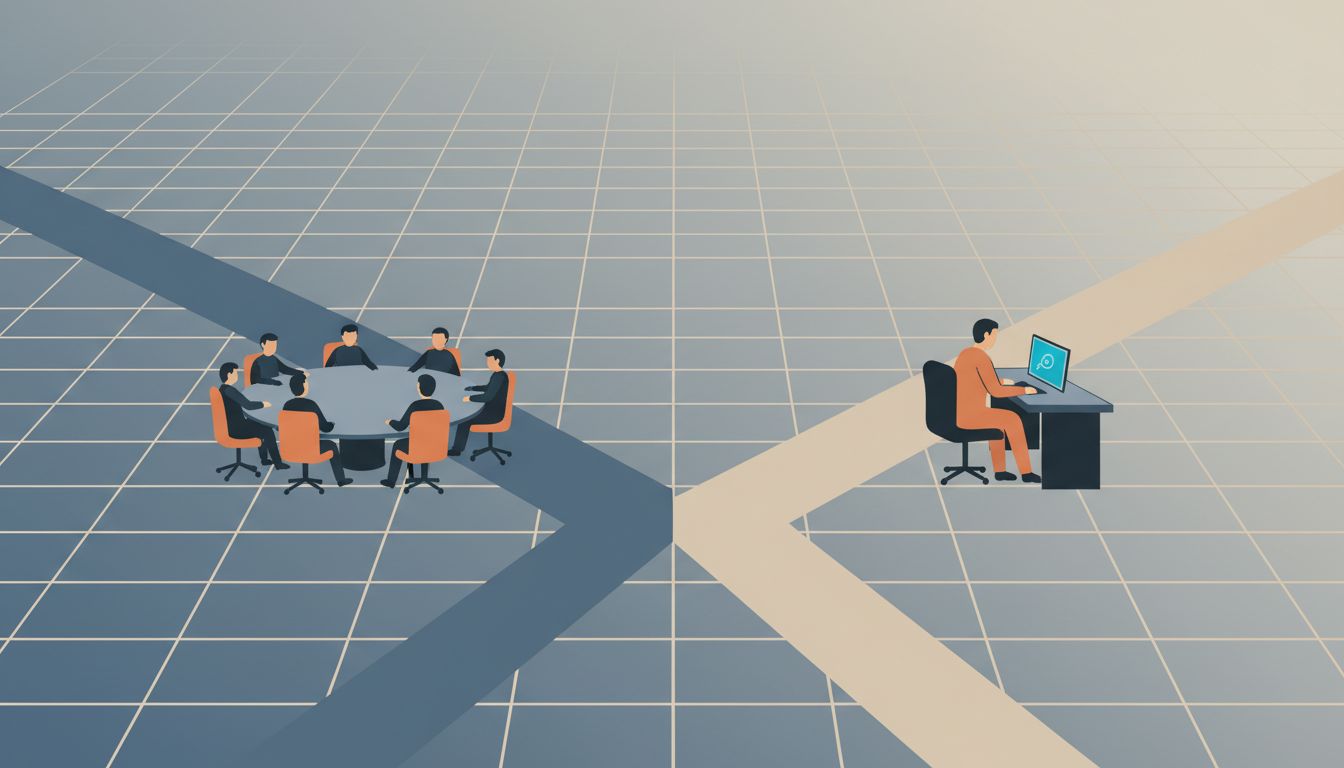
Canceling a meeting isn't avoidance. For knowledge workers, it's often the highest-leverage decision of the day.
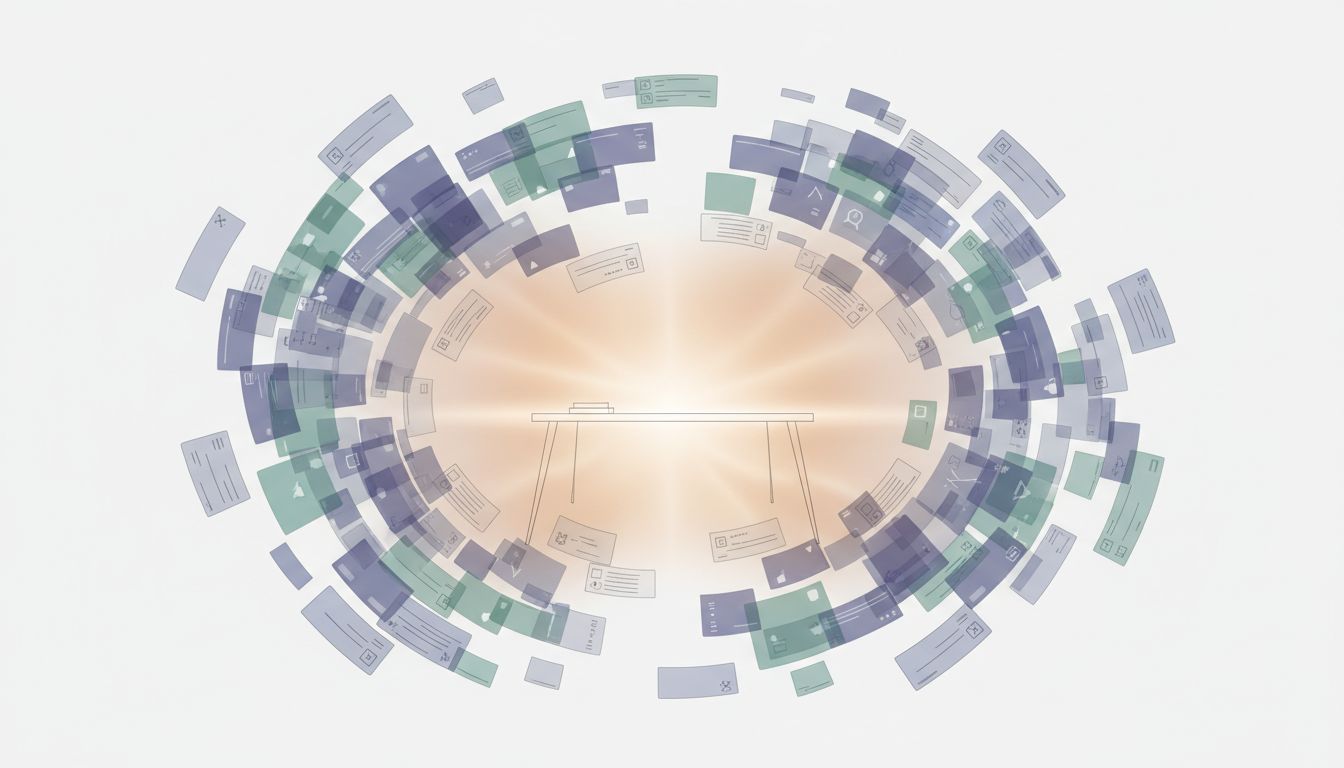
Holding onto completed work is a hidden productivity tax. The cognitive case for deliberate forgetting is stronger than any review system.
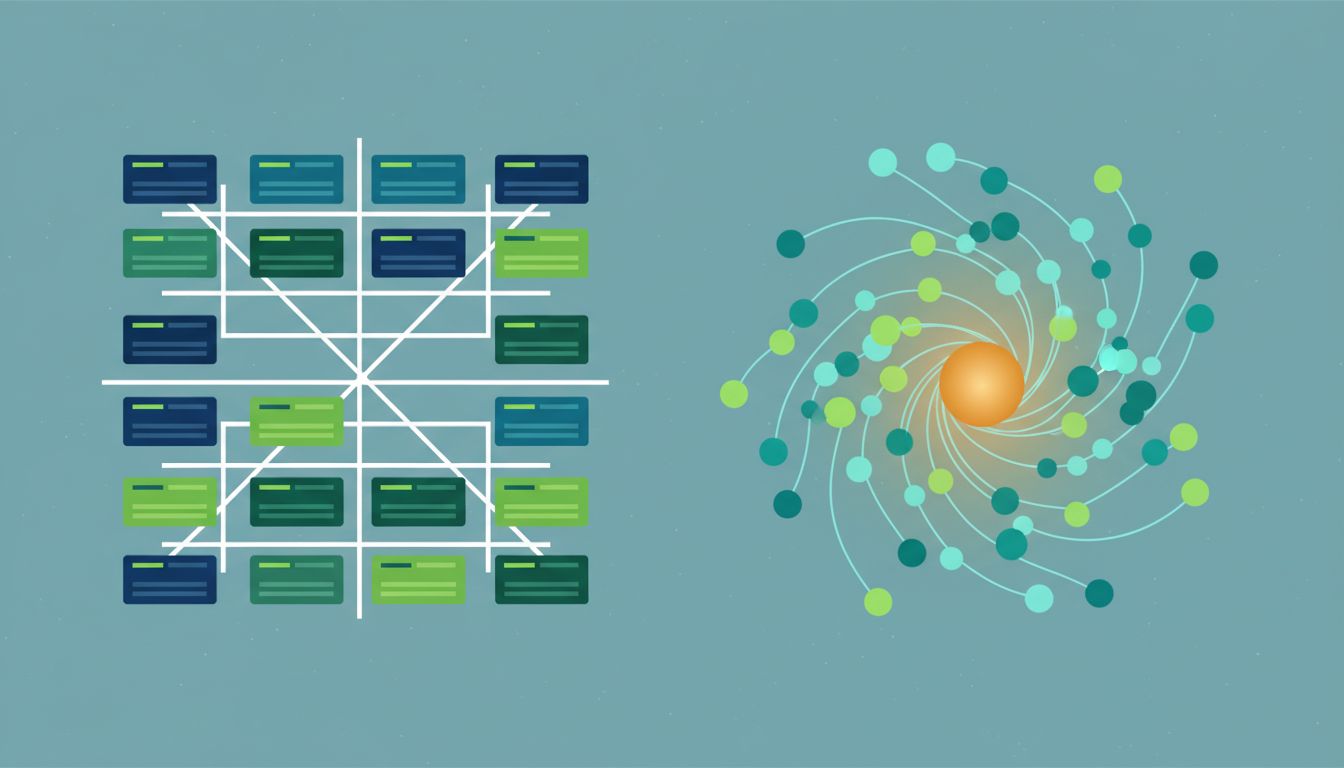
Agendas feel productive but often just pre-decide what gets discussed. The meetings that actually move things forward work differently.

Canceling a meeting feels productive. But the real skill is recognizing which ones shouldn't exist at all — and why they keep getting created anyway.

You're probably doing your hardest thinking during email triage. That's not a time management problem — it's a task allocation problem.
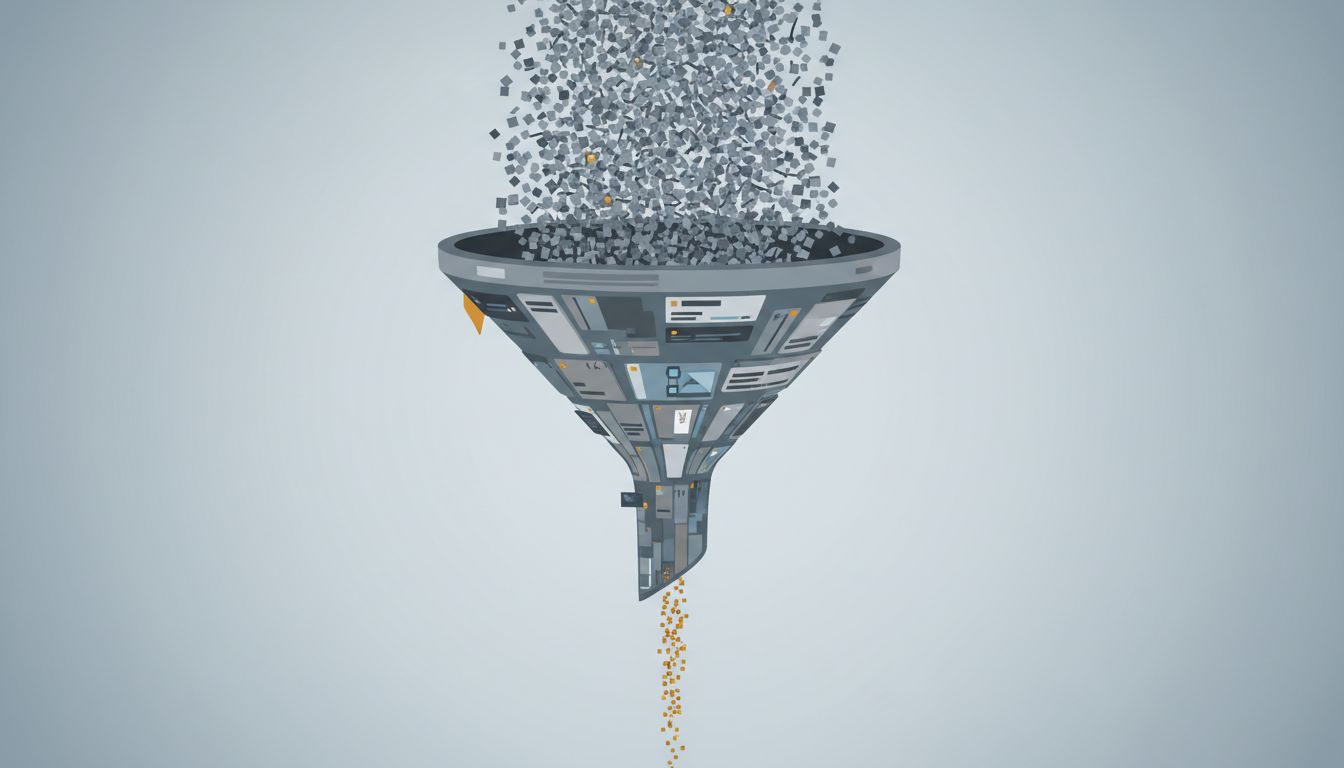
The creator of Inbox Zero spent years building the perfect task system before realizing it was optimized for capturing work, not finishing it.
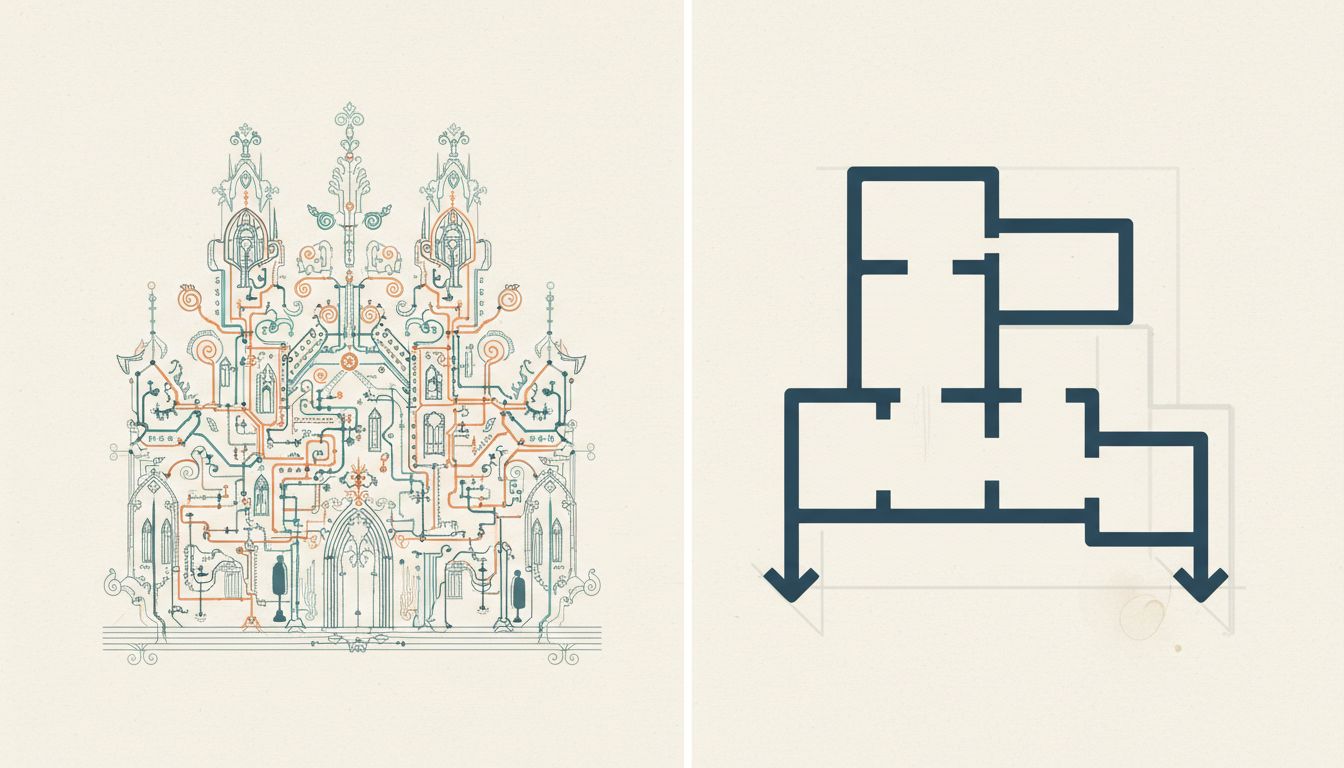
The system you'll actually stick with looks nothing like the one you designed. Here's why friction and imperfection are features, not bugs.
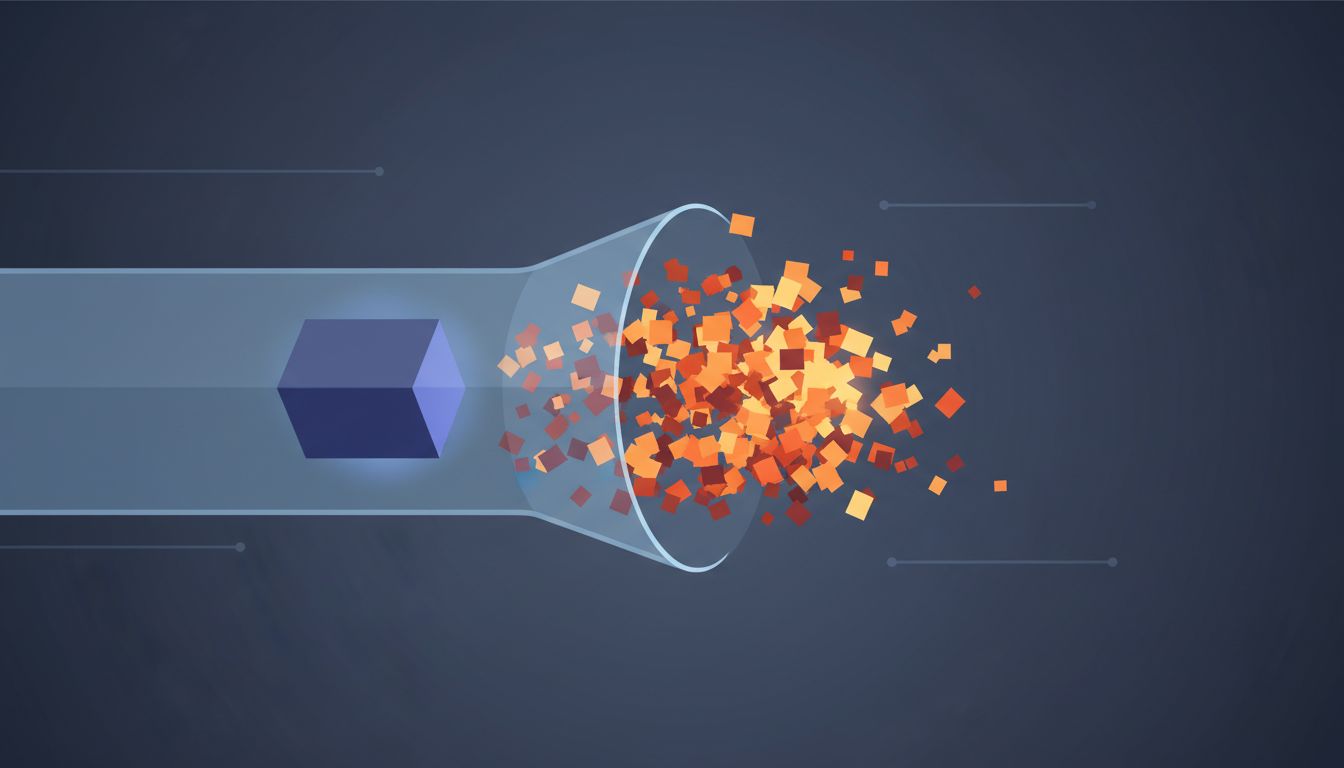
Your calendar isn't broken. It's optimizing for the wrong thing. Here's the scheduling bug hiding in plain sight.
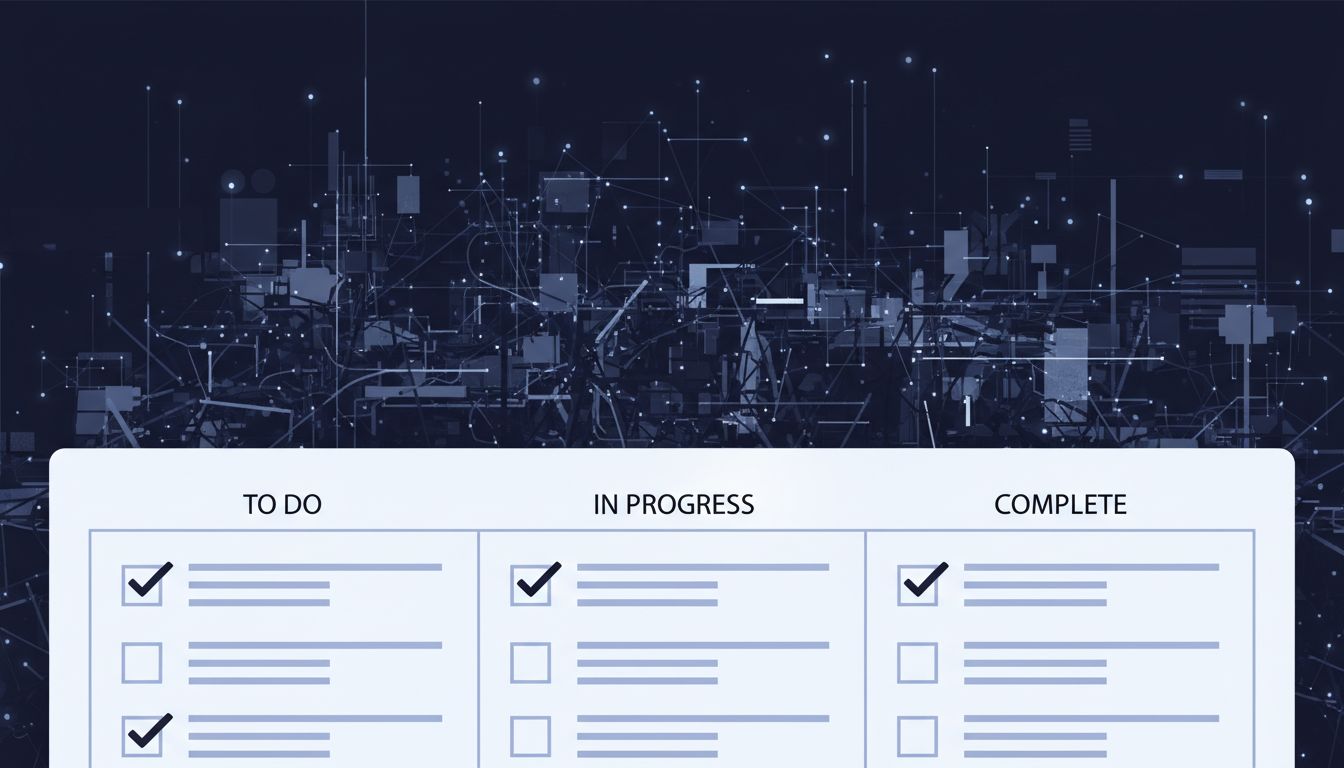
A software team that consistently cleared their task board wasn't operating at peak efficiency. They were operating at half capacity without knowing it.
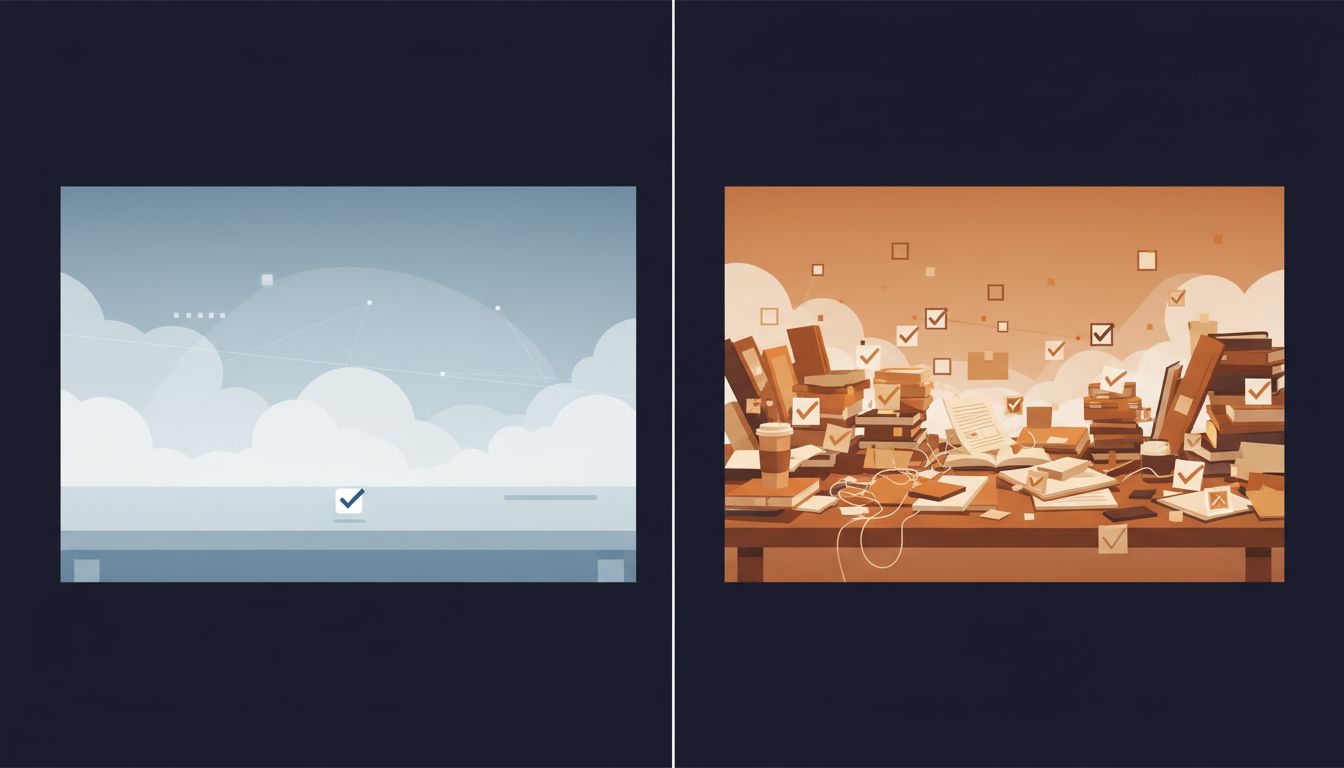
The days you move the most important work forward often look like nothing happened. That gap between real progress and visible output is worth understanding.
Join thousands of readers who get our weekly breakdown of the most important stories in technology.
Free forever. Unsubscribe anytime.