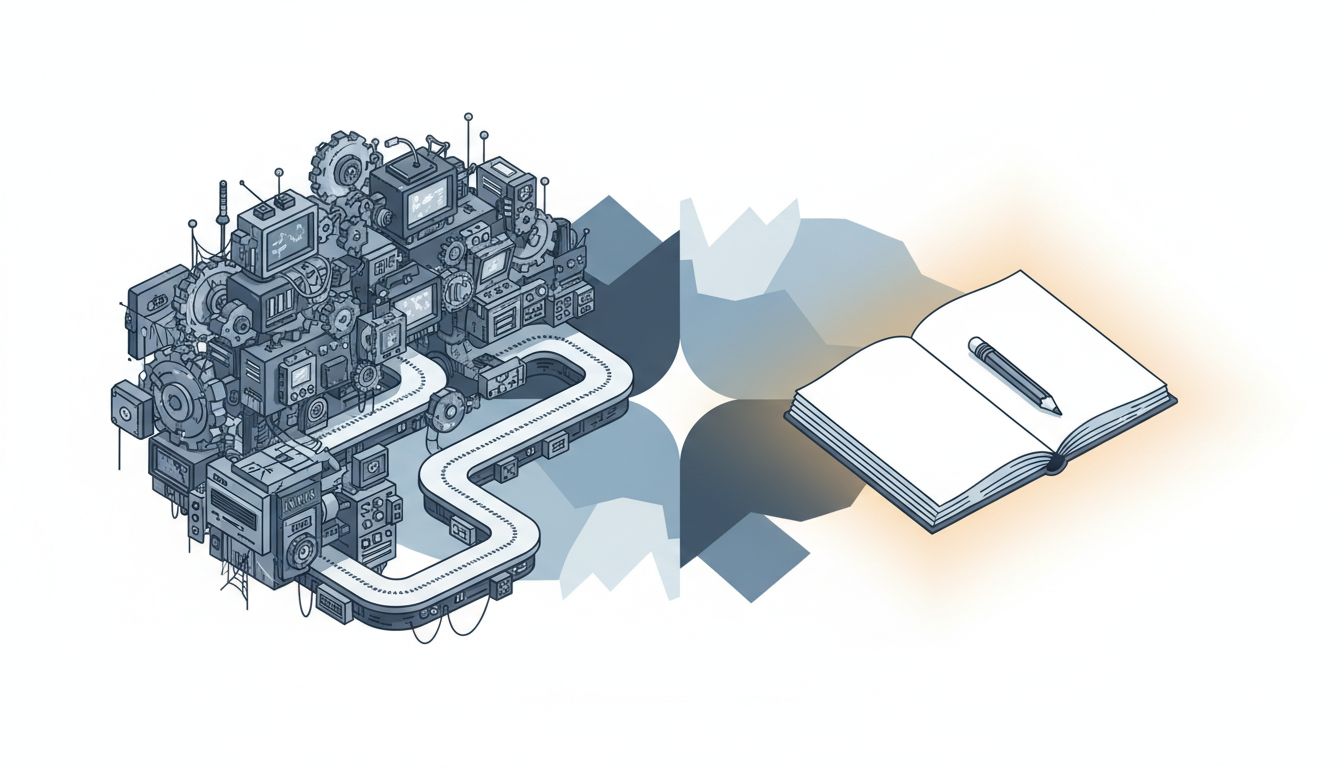
Digital Productivity
The Productivity System You Use Beats the One You Built
Optimizing your productivity system feels like work. But the best system isn't the most elegant one — it's whichever one you'll actually open tomorrow.
Tools, workflows, and strategies for getting more done with technology.
Optimizing your productivity system feels like work. But the best system isn't the most elegant one — it's whichever one you'll actually open tomorrow.

Most remote teams interpret async-first as 'fewer meetings.' That's a surface-level reading that misses the harder, more important half of the idea.
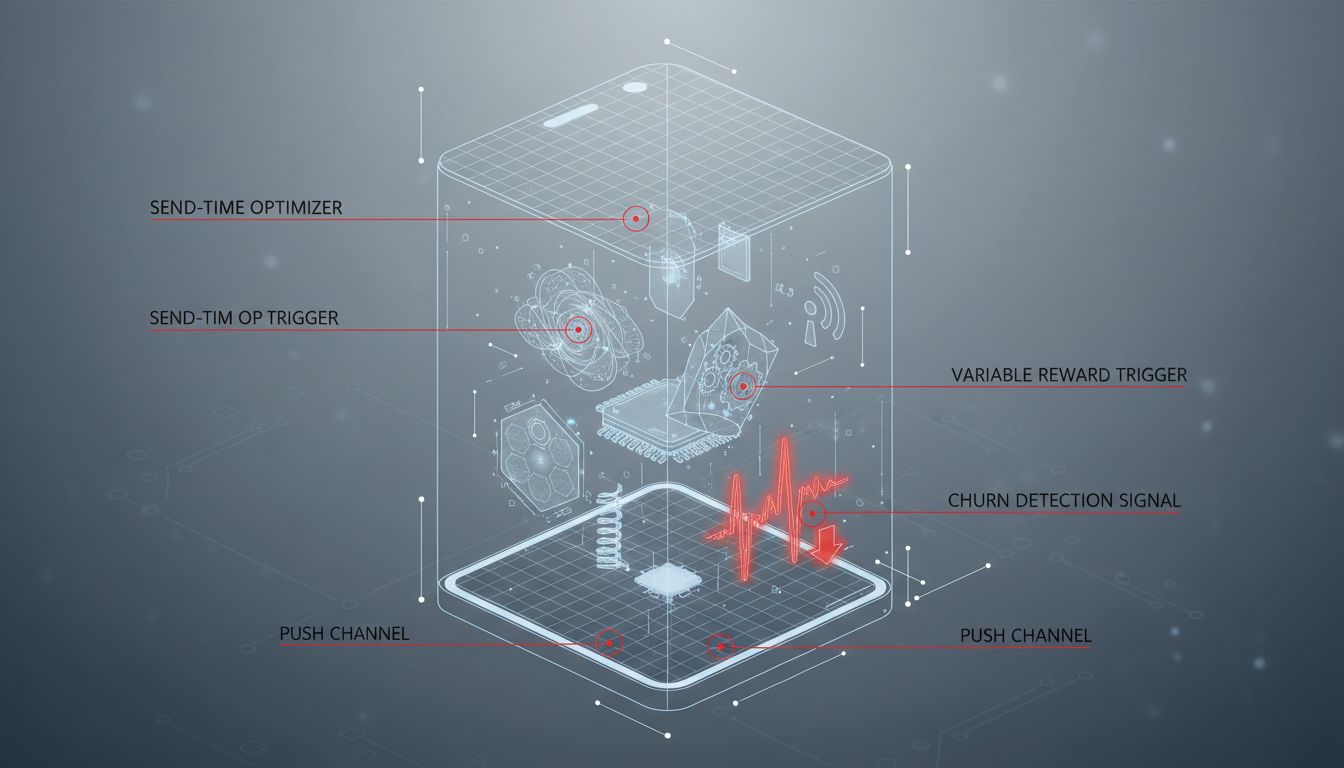
Every ping on your phone was designed by a team optimizing for re-engagement metrics. Understanding the system helps you fight back.

Canceling a meeting feels like failure. But the work that happens in the space you freed up is often more valuable than the meeting itself.
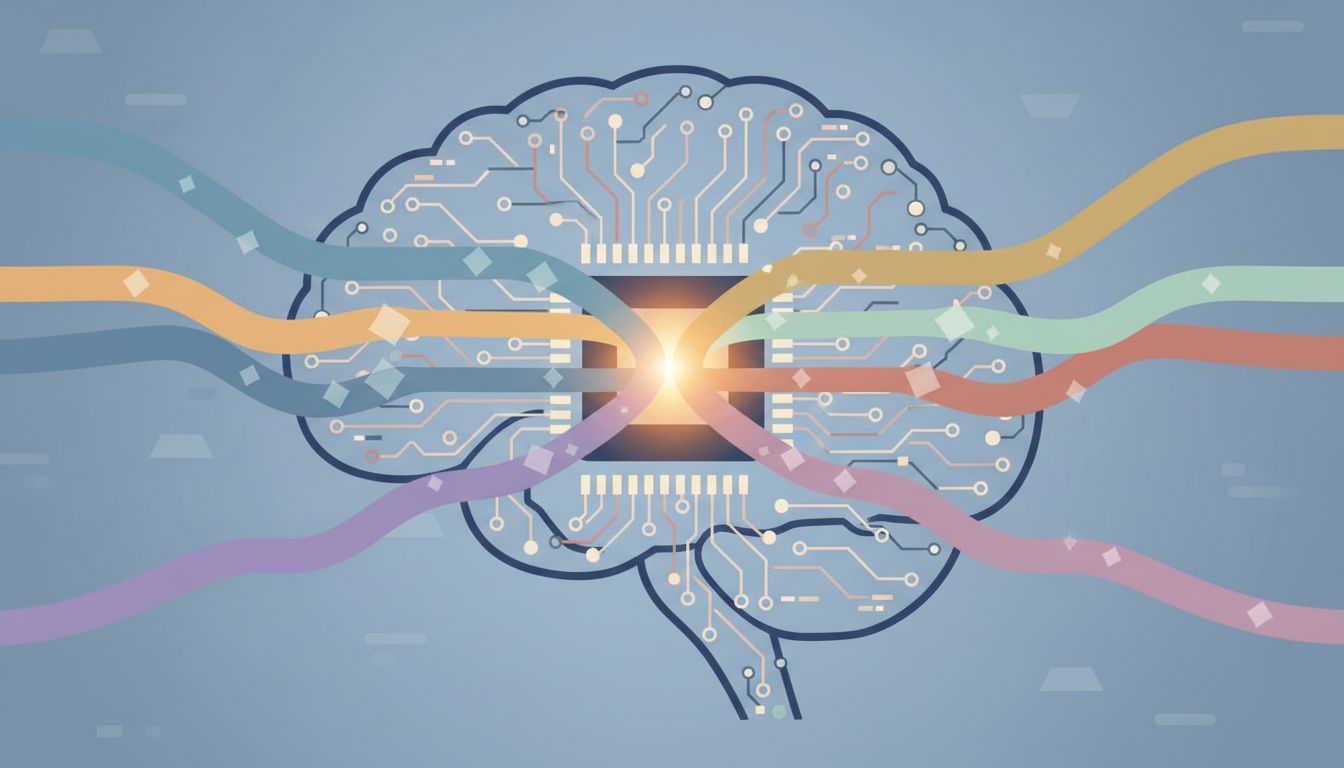
Context switching isn't a willpower problem. Your brain has structural reasons for struggling with interruptions, and pretending otherwise makes you worse at managing them.

A software team at a mid-size SaaS company kept missing sprints. The bottleneck wasn't technical. It was a recurring meeting nobody had permission to cancel.
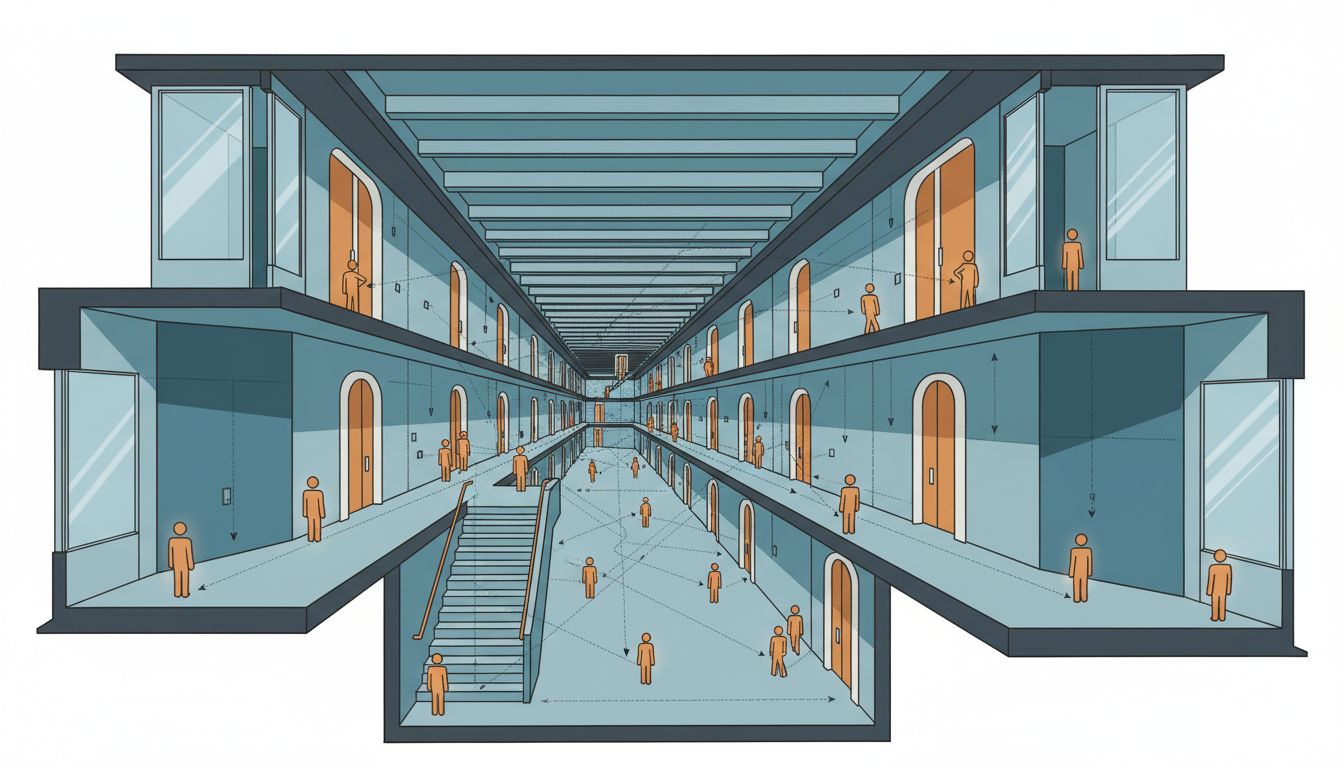
Bell Labs produced more transformative science than almost any institution in history. The secret wasn't scheduling focus time. It was something more structural.
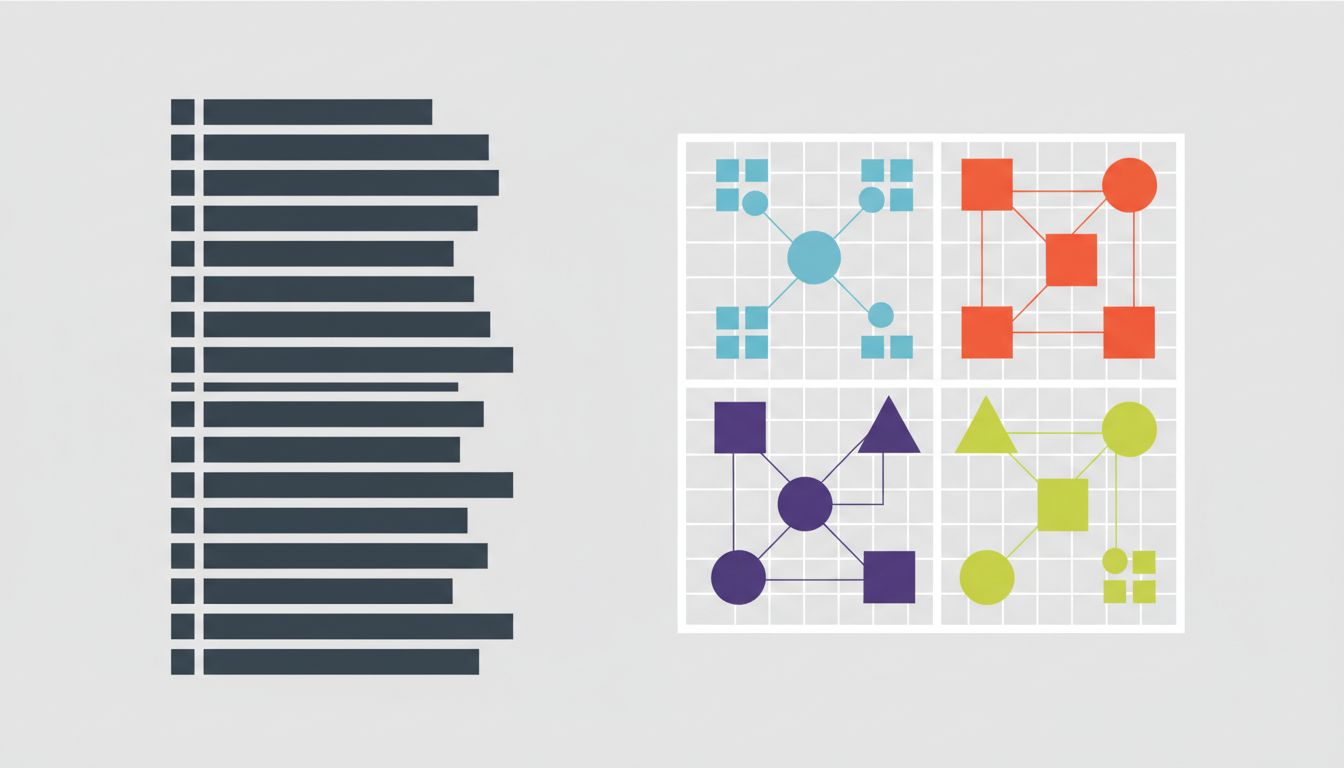
To-do lists are good at capturing work. They're bad at helping you decide what actually matters. That's a different tool for a different job.
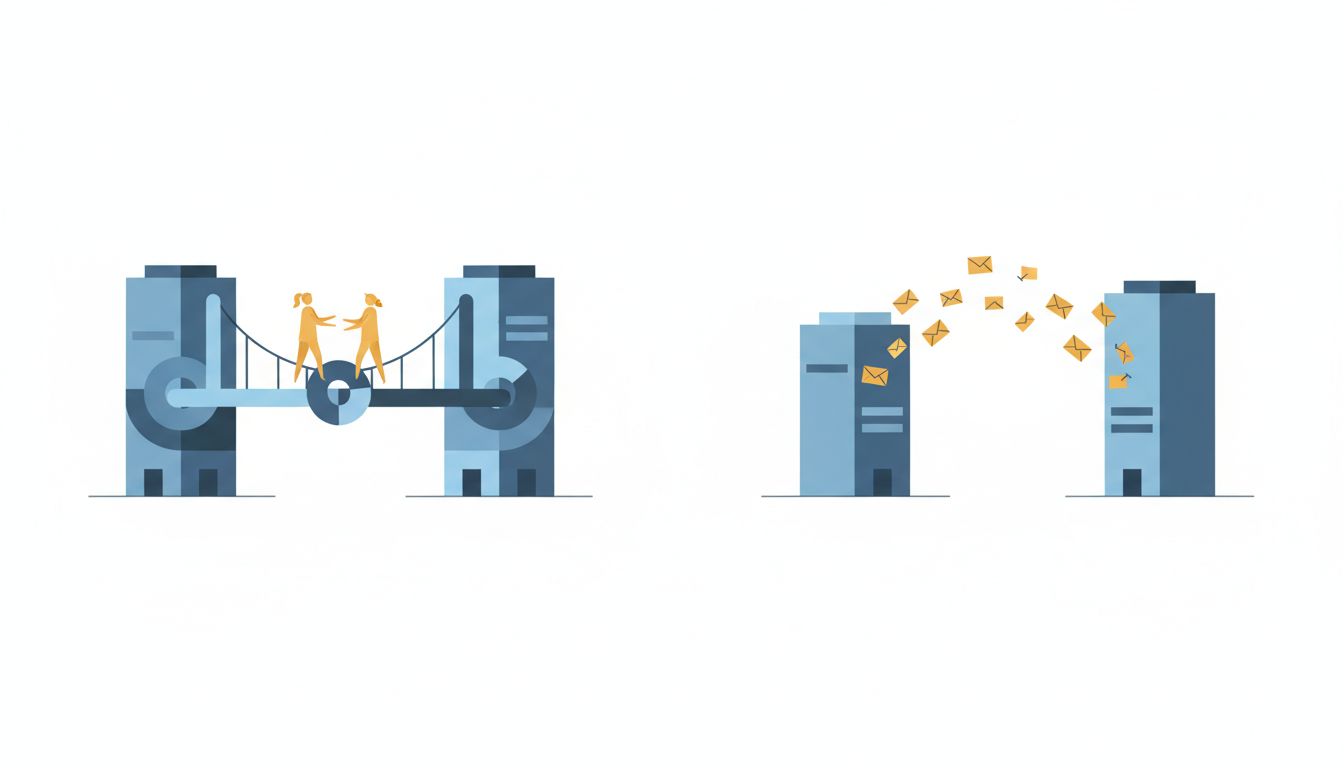
"This meeting could have been an email" is everywhere, but it diagnoses the wrong thing. The actual dysfunction runs much deeper than format.
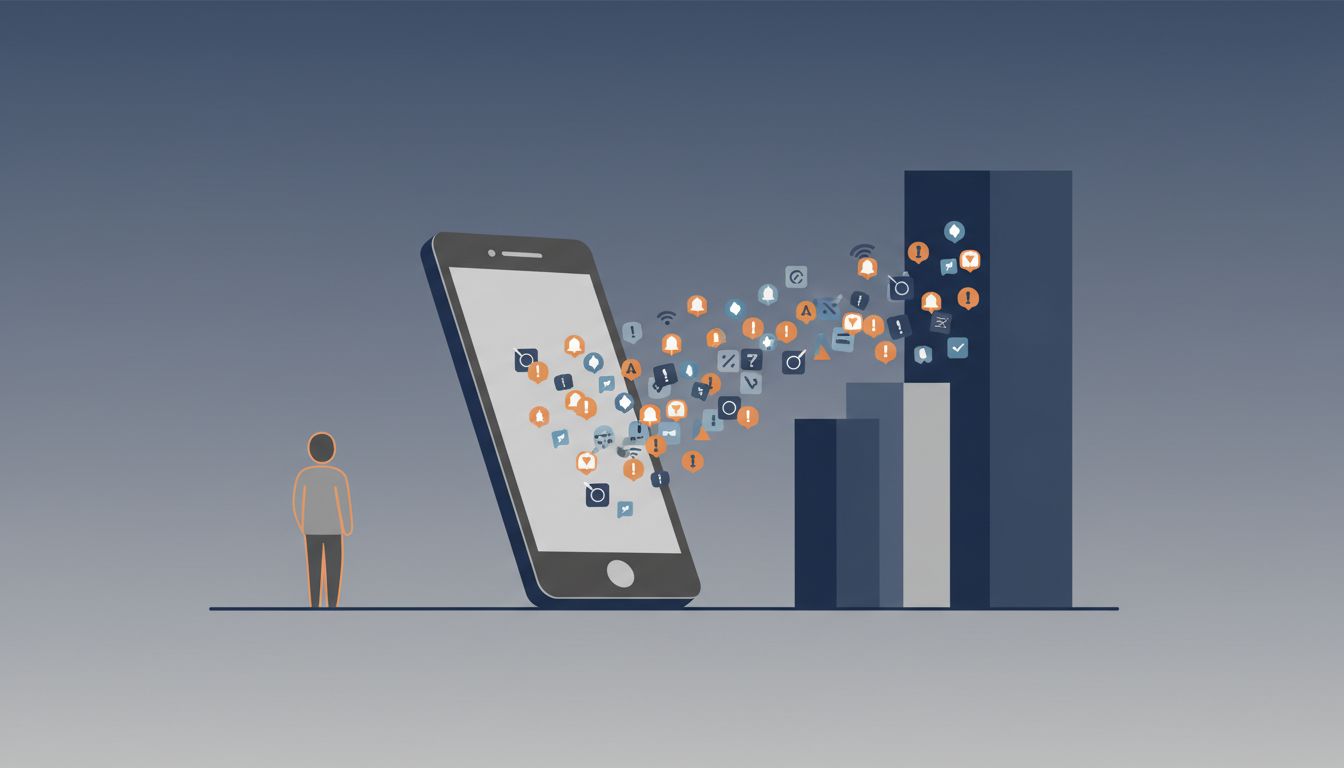
App developers optimize notifications to maximize engagement, not your focus. Here's what one company's internal audit revealed about who those defaults actually serve.
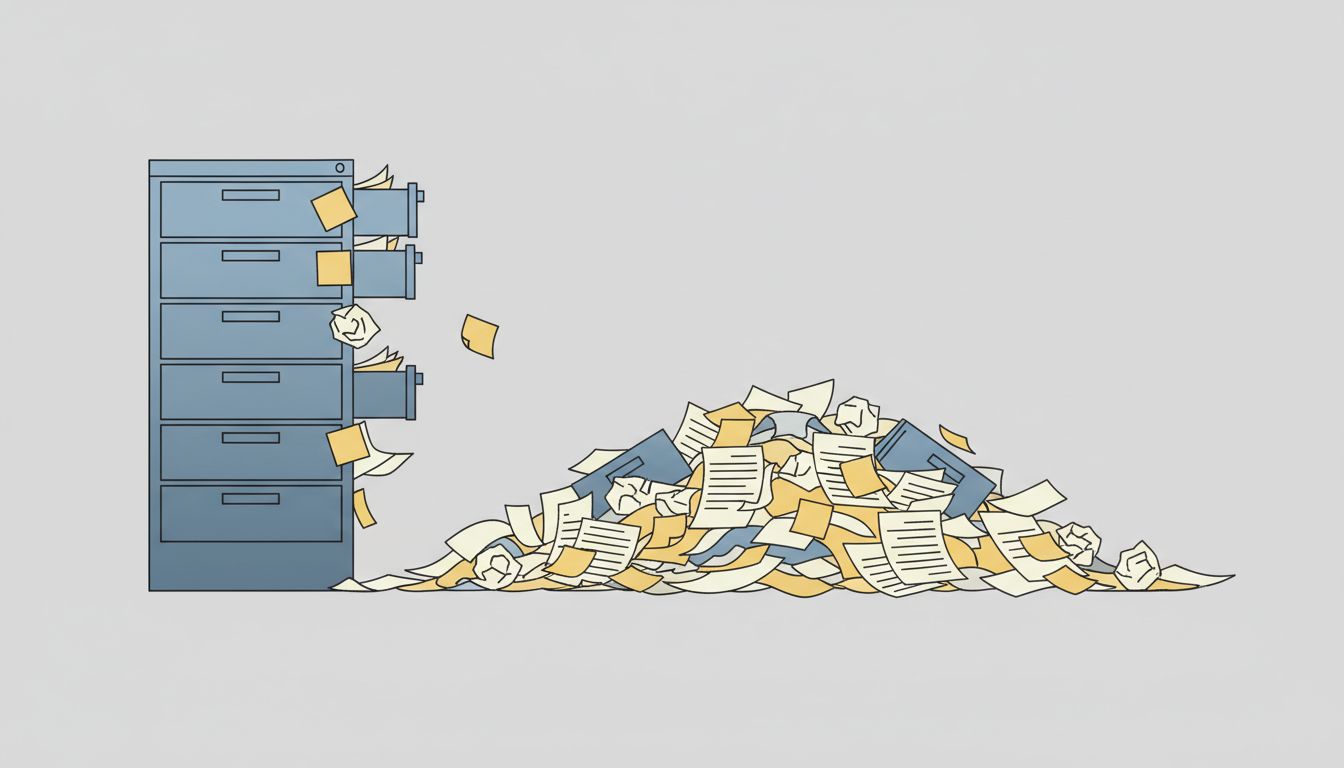
Most knowledge management systems fail for the same reason: they're built around capture, not retrieval. Here's what actually works.

Every time you switch tasks, you pay a cognitive tax. The research on how much you pay — and how long it lasts — is worse than most people realize.
Your favorite tool just got acquired. Here's how to read the signals, protect your workflow, and decide when to stay versus when to leave.
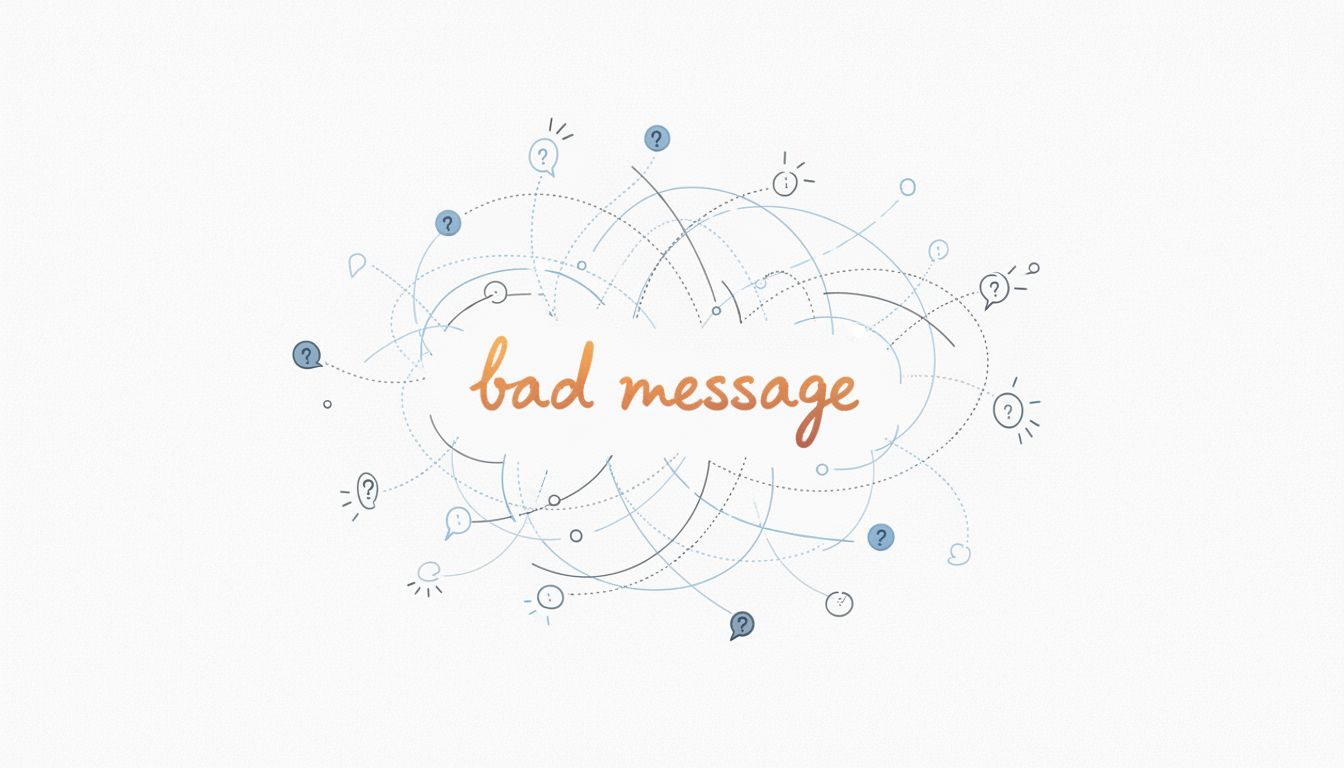
High-performing async teams aren't just canceling meetings. They've solved something harder: how to think and write with enough precision that their words work without them present.

Tasks completed, hours logged, inbox at zero — these feel like productivity. They're often its opposite. Here's what to measure instead.

You opened that document to write. Forty minutes later, you've answered six messages, skimmed a report, and started a new tab. Here's what's really happening.
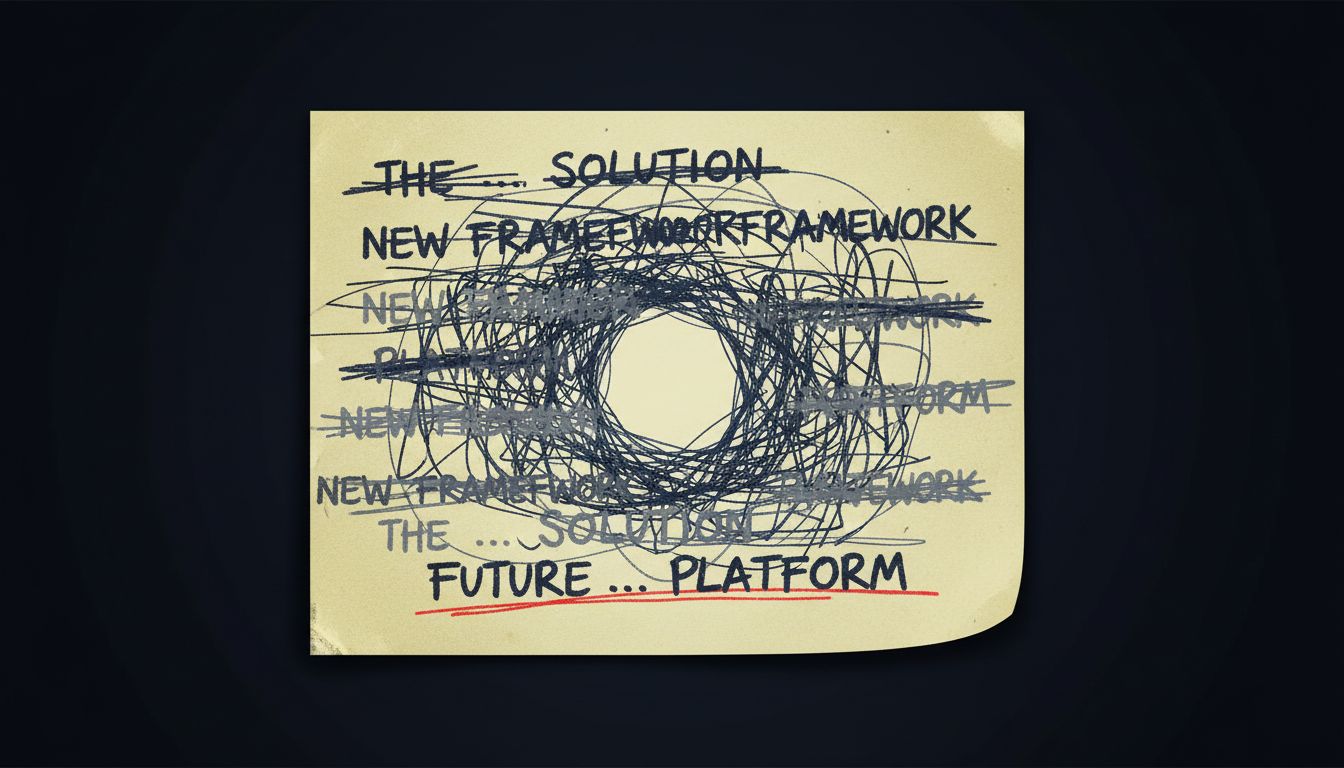
That item you've reworded six times isn't a productivity problem. It's a decision you haven't made yet.
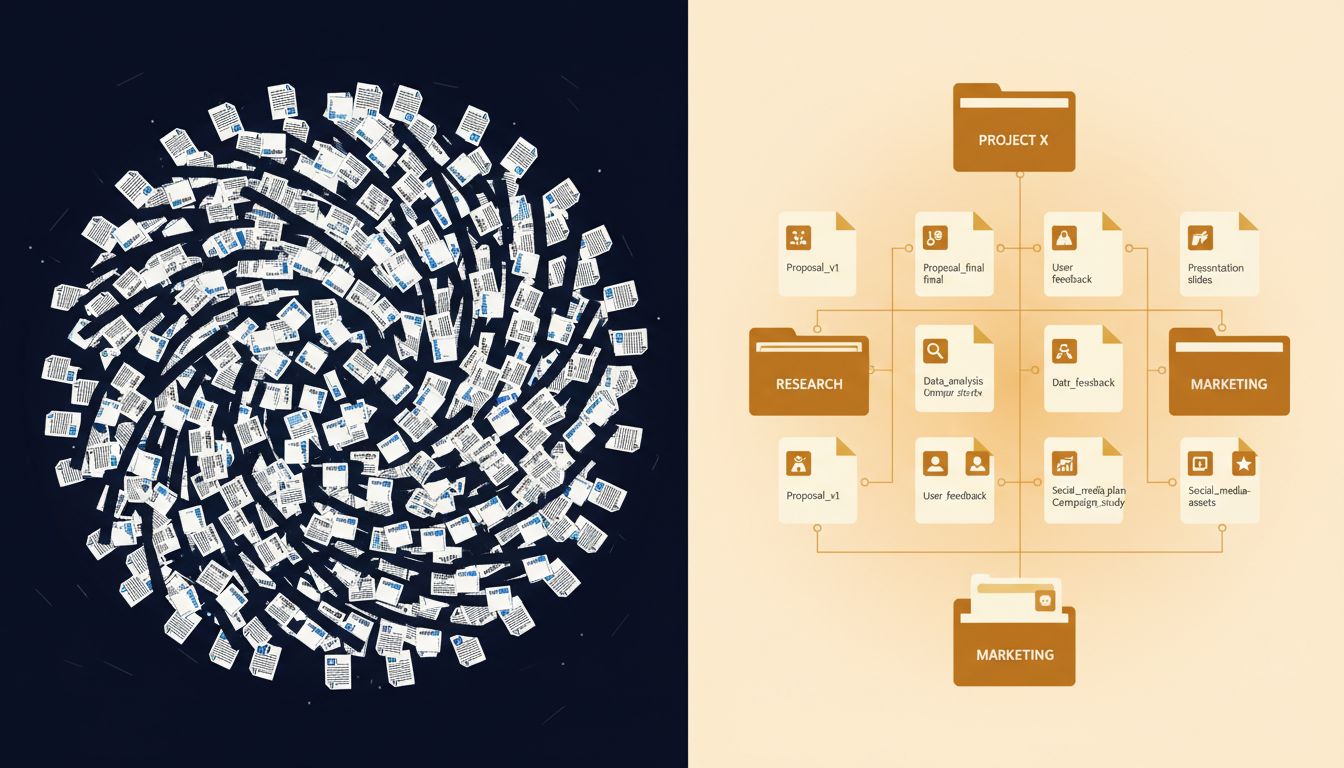
Your file naming habits aren't just an organizational quirk. They expose your mental model for how information works and whether future-you can find anything.
Join thousands of readers who get our weekly breakdown of the most important stories in technology.
Free forever. Unsubscribe anytime.