
Tech Economics
The Engineers Who Built It Are Bad at Estimating a Rewrite
The people with the most knowledge about a system are often the worst judges of what it costs to replace it. Here's why that happens and what to do about it.
The business models, market forces, and financial dynamics driving the tech industry.
The people with the most knowledge about a system are often the worst judges of what it costs to replace it. Here's why that happens and what to do about it.

Market leaders burn cash proving concepts and fighting wars on every front. The company right behind them collects the winnings.

Market dominance looks great on a PowerPoint slide. It tends to look worse on an income statement. The runner-up position is often where the real money lives.

The engineers behind the products you use every day are rarely the ones in the company photos. Here's how tech's shadow workforce actually operates.
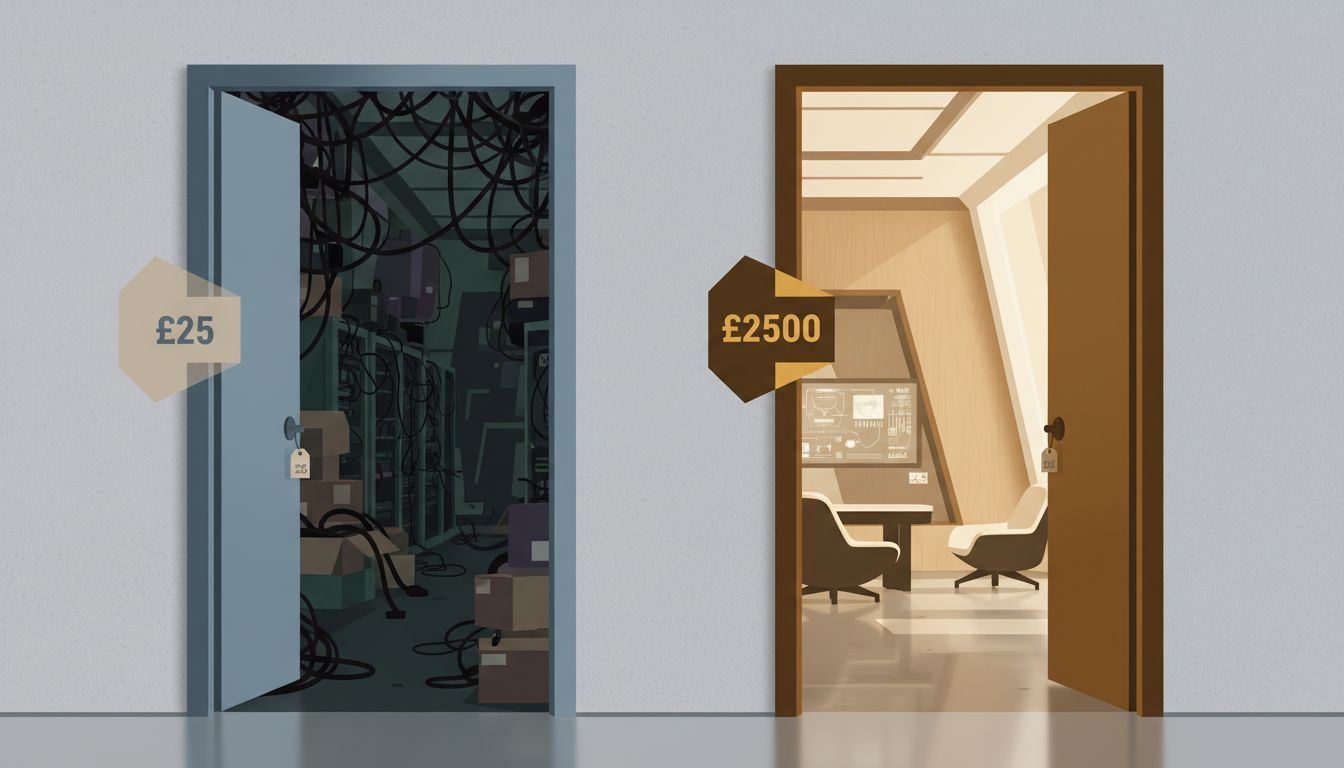
Underpricing feels safe. It isn't. The startups that set high prices early tend to build better products, attract better customers, and last longer.
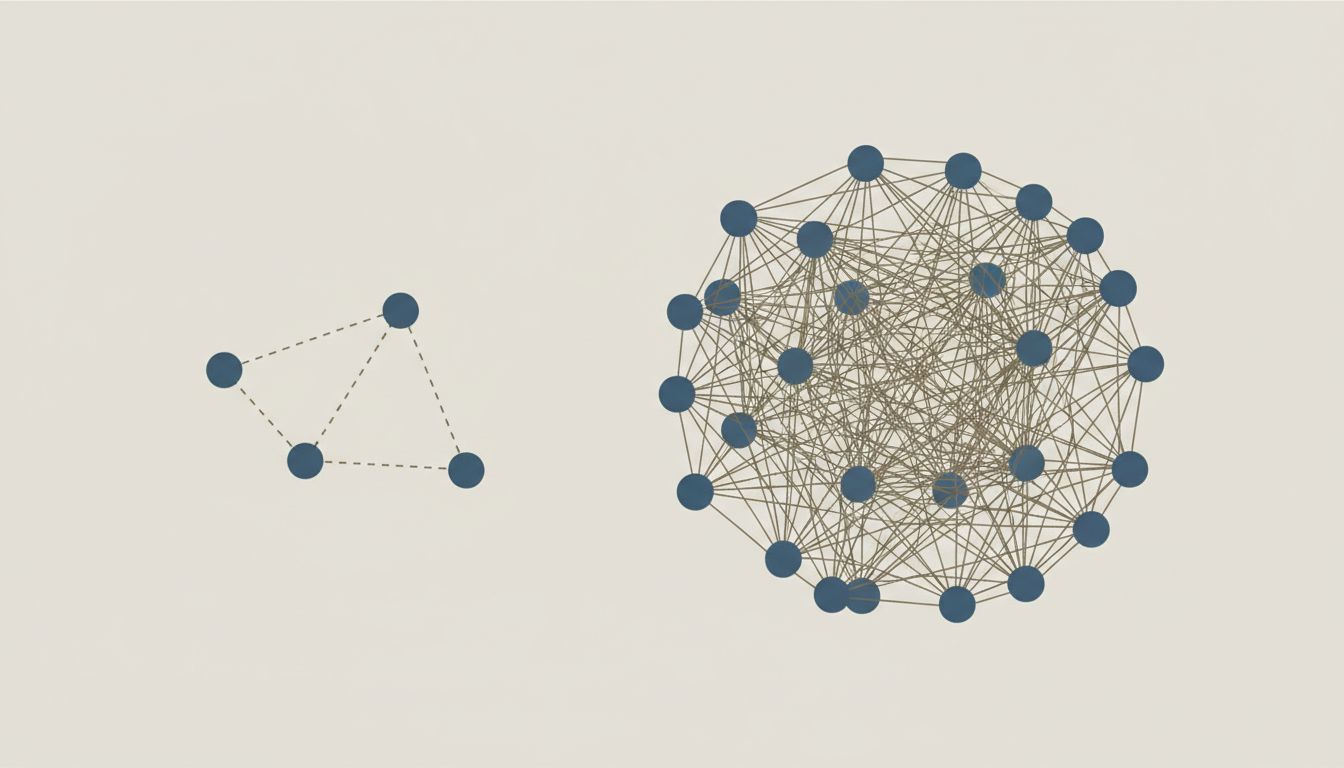
Hiring more engineers feels like the obvious fix for a slow team. It almost always makes things worse before it makes them better.

Winning a market and making money from it are different games. The company in second place is almost always playing the better one.

Winning a tech market and profiting from it are different goals. The company in second place almost always knows this better than the one in first.

Your best engineers leave because competence has a price, and most companies quietly refuse to pay it. Here's why the incentive structure works against you.

More funding feels like winning. It usually isn't. The economics of overfunded startups explain why the largest war chest so often becomes the heaviest anchor.

Lower prices, higher margins. It sounds like a contradiction until you understand the structural moves that make it possible.

Open source software powers most of the internet and costs its users nothing. That's not a charity story. It's a strange economic arrangement worth understanding.

Salary is a cost. Output is a return. Confusing the two is one of the most expensive mistakes a company can make.
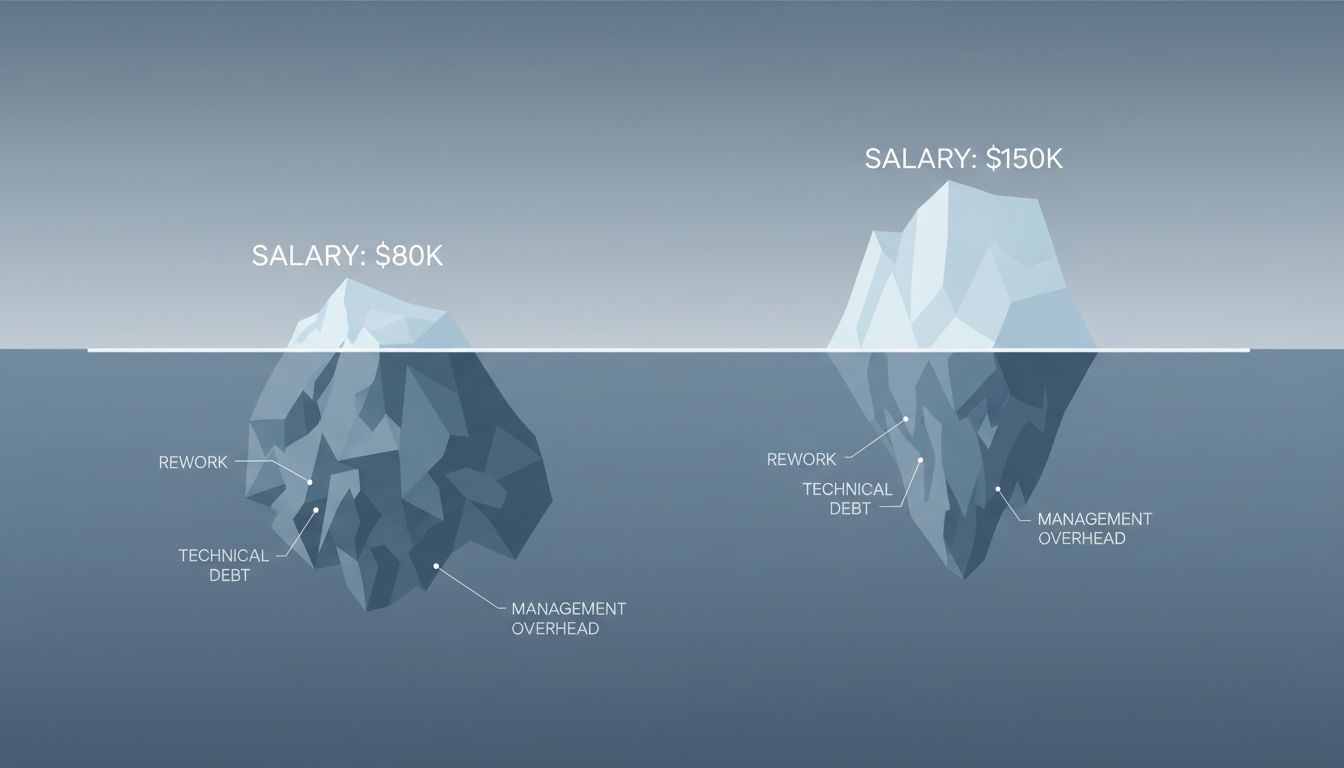
Salary is what you pay. Cost is what you get. Most engineering hiring decisions confuse the two, and the math is rarely close.

The products most likely to get axed aren't the failing ones. They're the ones making money but consuming resources a parent company has decided to allocate elsewhere.

Being first sounds like an advantage. Ask Friendster, Myspace, or AltaVista how that worked out.
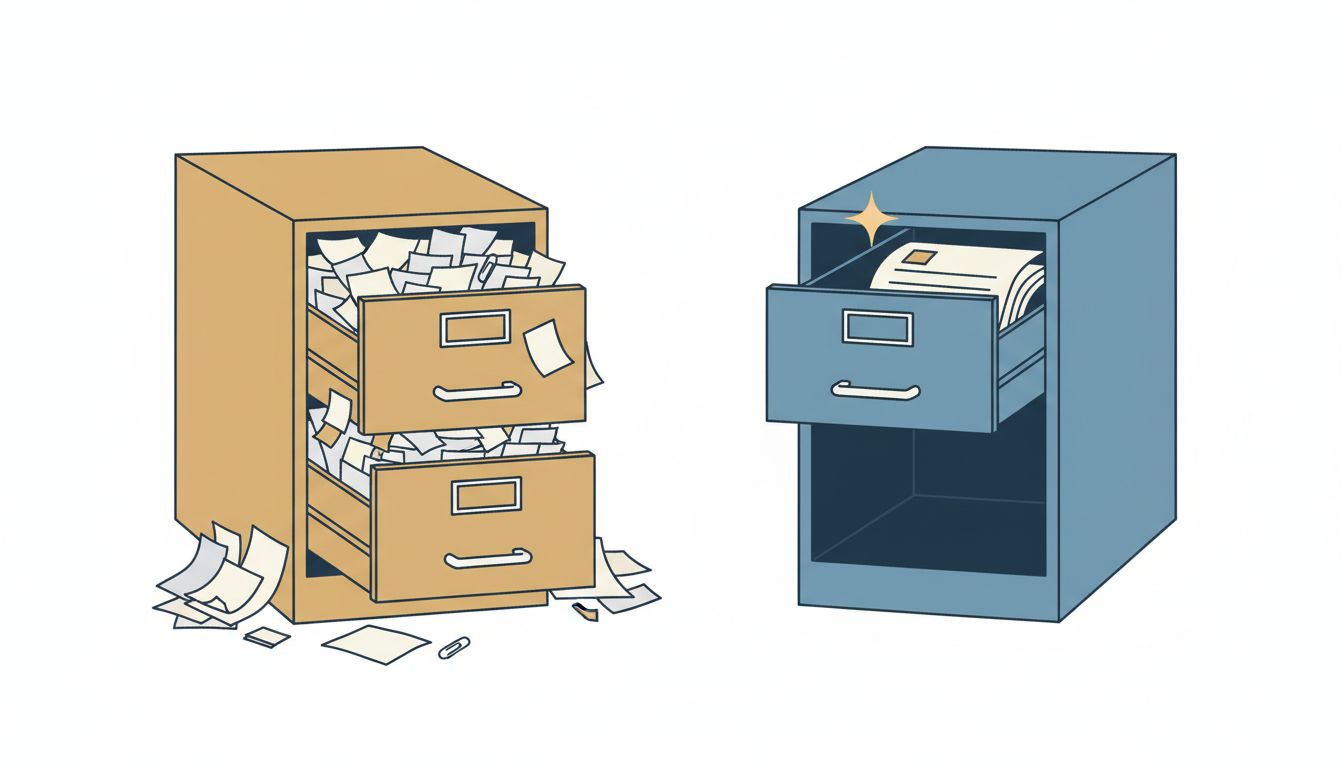
The highest-paid engineers often have the thinnest commit histories. That's not a paradox. It's a signal about what companies actually pay for.
Some SaaS vendors charge higher per-seat rates as headcount rises. It's not a bug in their pricing model. It's the whole point.
Join thousands of readers who get our weekly breakdown of the most important stories in technology.
Free forever. Unsubscribe anytime.